Multidimensional tumor-blood profiling uncovers systemic lymphocyte-monocyte imbalance in pituitary neuroendocrine tumors
Yuting Dai, Shaojian Lin, Junchen Wu, Shuangshuang Yang, Yang Lu, Xiaobin Wang, Jun Li, Linfeng Zhao, Desheng Chen, Bo Zhang, Yijun Cheng, Hong Yao, Fan Zhang, Min Xu, Qiang Wang, Xiaojing Lin, Kunjin Chen, Zhen Tian, Xingyan Liu, Pascal Roy, Hai Fang, Gang Lv, Tong Yin, Yun Tan

TL;DR
This study reveals that pituitary tumors cause a systemic imbalance in immune cells, which is reversed after surgery, suggesting immune profiling could aid diagnosis and treatment.
Contribution
The study is the first to show that PitNETs modulate peripheral immune networks through hormone secretion and immune cell imbalance.
Findings
PitNET patients show increased lymphocytes and upregulated cytokine-receptor interactions in blood.
Tumor resection normalizes monocyte and neutrophil counts, validated in 600 samples.
A PBMC-based random-forest classifier can distinguish PitNET subtypes using immune signatures.
Abstract
Pituitary neuroendocrine tumors (PitNETs) are pathologically characterized by dysregulation of neuroendocrine function and systemic disruption of hormonal homeostasis, yet their regulatory effects on peripheral immune networks remain poorly characterized. Here, we systematically analyzed bulk RNA sequencing (RNA‑seq) from 883 PitNET tumors, 108 PitNET‑associated peripheral blood mononuclear cells (PBMC) samples, and 175 healthy PBMC controls, combined with 69 single‑cell RNA sequencing (scRNA-seq) samples covering tumors, normal pituitaries, as well as tumor‑derived and normal PBMCs. We identified a systemic immune disequilibrium in PitNET patients, characterized by increased circulating lymphocyte proportions, accompanied by upregulated cytokine-receptor interaction signatures. Notably, tumor resection reversed this imbalance, as supported by the normalization of monocyte and…
Genes, proteins, chemicals, diseases, species, mutations and cell lines named across the full text — each resolved to its canonical identifier and authoritative record.
Click any figure to enlarge with its caption.
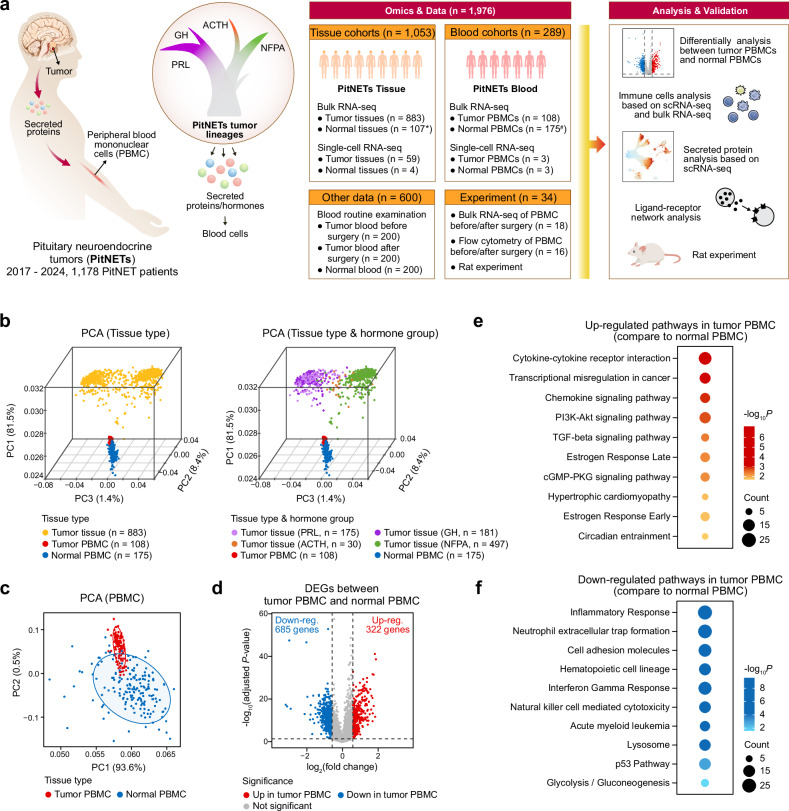 Figure 1
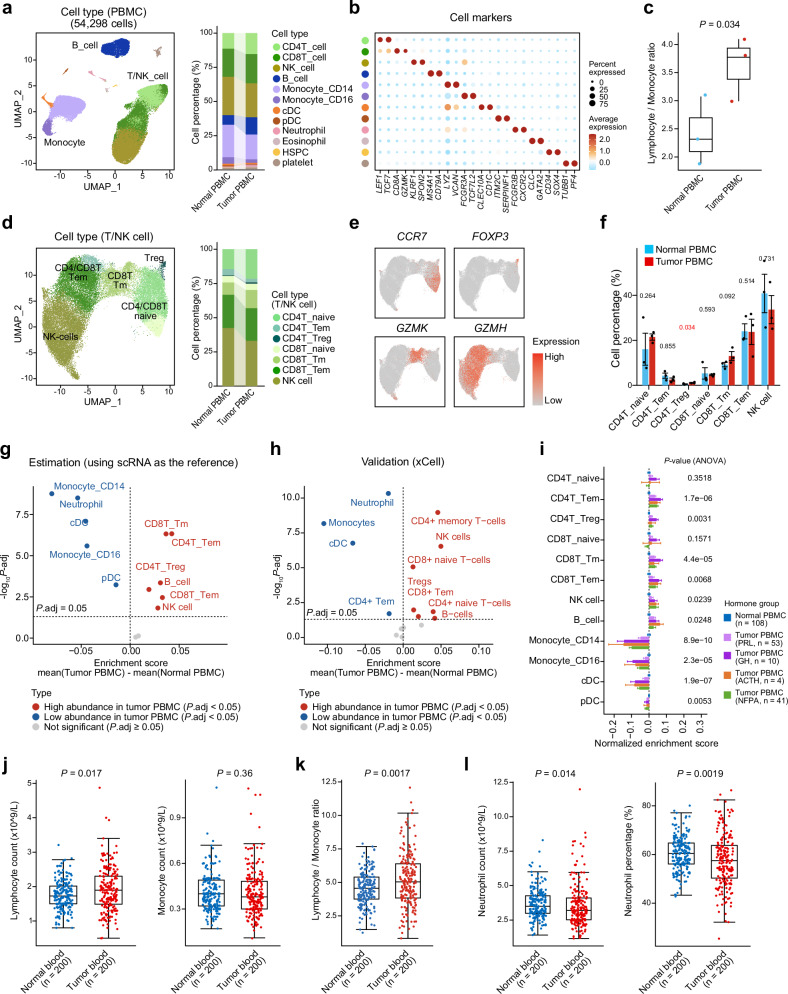 Figure 2
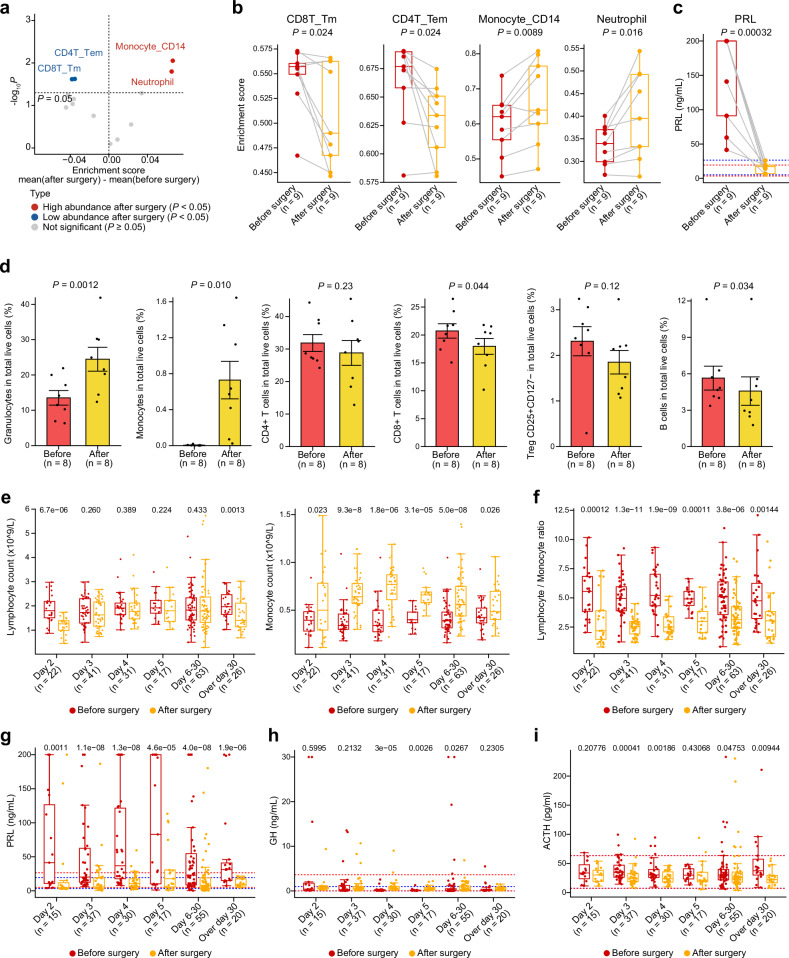 Figure 3
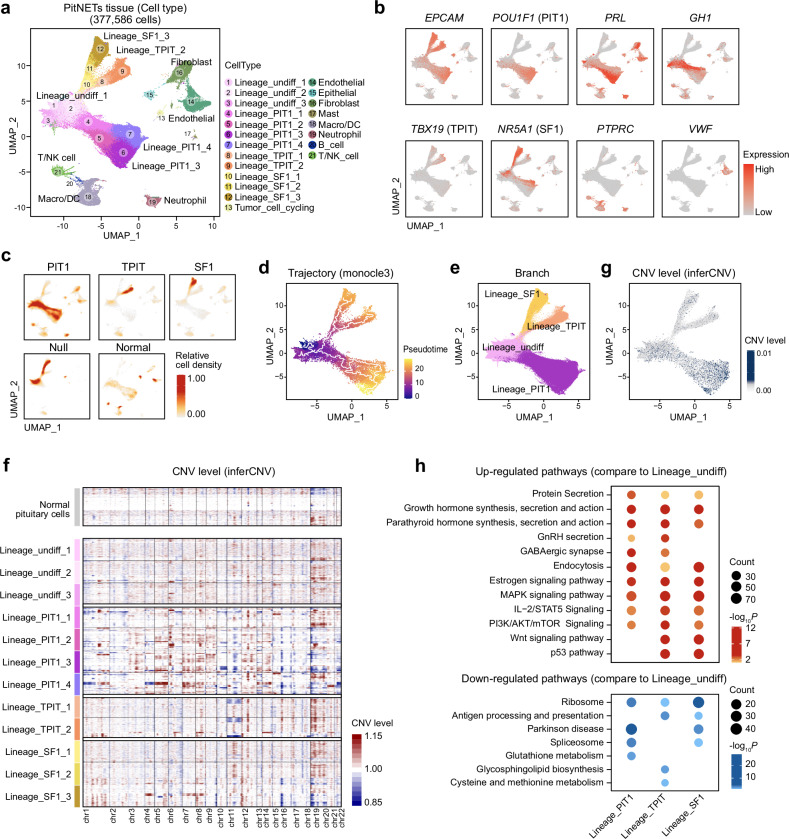 Figure 4
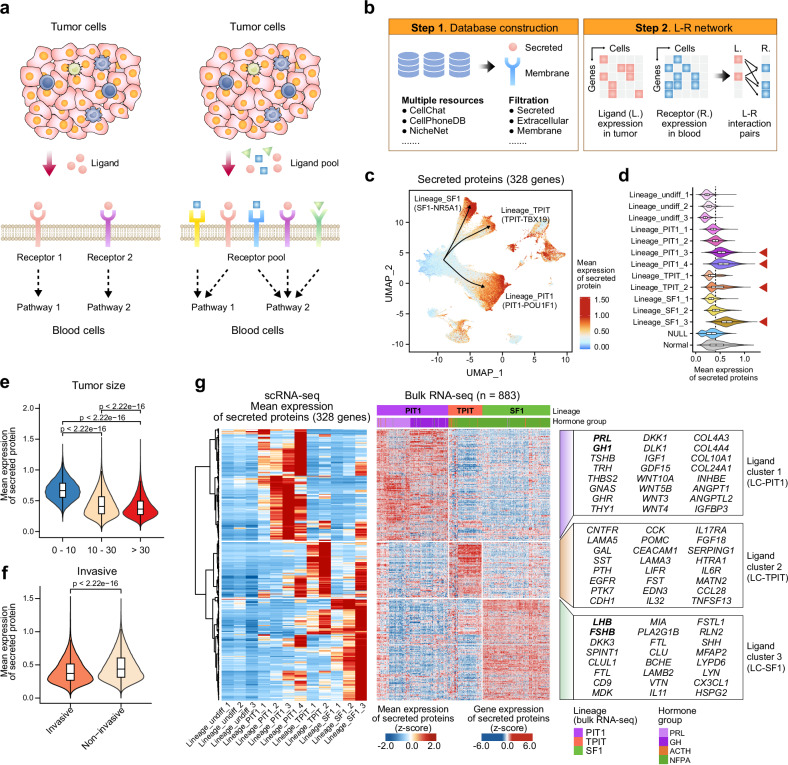 Figure 5
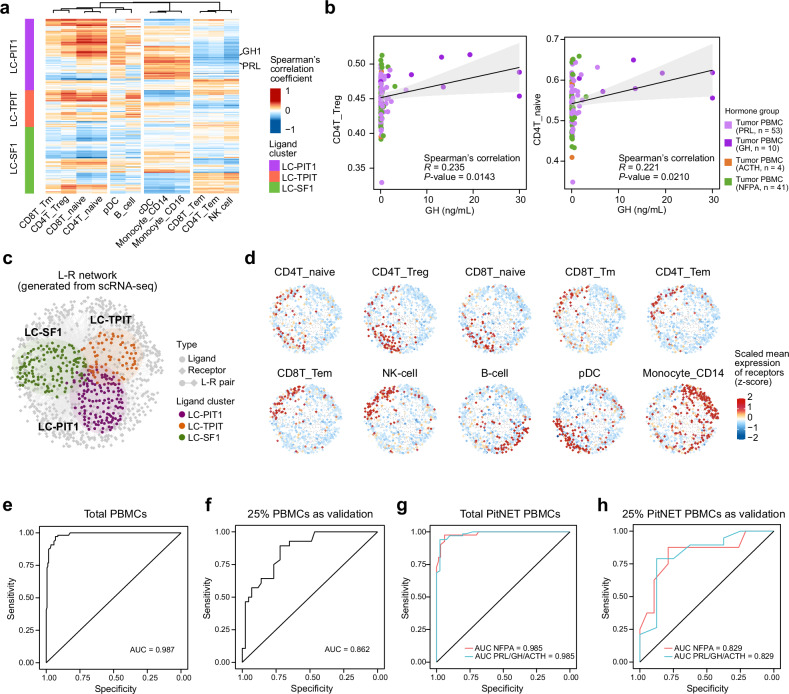 Figure 6
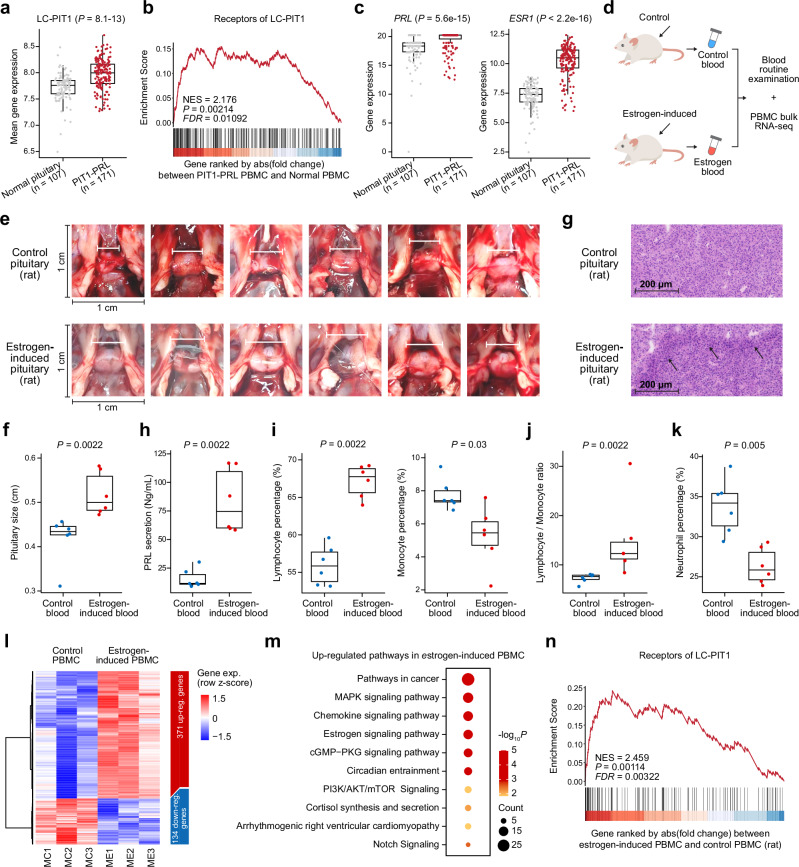 Figure 7
Peer Reviews
No public reviews on file for this paper yet. If you reviewed it on a platform where reviews are public (OpenReview, ICLR, NeurIPS, ICML), you can paste yours below so the community can read it here.
Videos
No videos yet. Explain this paper in a talk, walkthrough, or lecture? Add one.
Taxonomy
TopicsPituitary Gland Disorders and Treatments · Neuroinflammation and Neurodegeneration Mechanisms · Glioma Diagnosis and Treatment