Migrasome-related LncRNA features predict immune microenvironment and prognosis in pancreatic cancer
Weihang Li, Yanrong Cao, Xin Sun, Ting Wang, Panling Xu, Ping Li

TL;DR
This study identifies specific long non-coding RNAs linked to migrasomes in pancreatic cancer, which can predict patient survival and immune response, offering new insights for treatment.
Contribution
The study introduces a novel risk model based on migrasome-related lncRNAs for predicting prognosis and immune features in pancreatic cancer.
Findings
A risk model using four migrasome-related lncRNAs accurately predicts pancreatic cancer prognosis with high AUC values.
The model correlates with immune infiltration, tumor mutation burden, and drug sensitivity in pancreatic cancer patients.
High-risk patients show lower survival rates, and the model effectively distinguishes clinical outcomes.
Abstract
The onset of pancreatic cancer is insidious, and the early symptoms are similar to those of common gastrointestinal diseases, which leads to easy neglect and misdiagnosis, which greatly affects the accuracy of survival prediction. Cell migration is the hallmark of malignant tumor and the key step of metastasis. Migrasome are involved in embryonic development, immune response, angiogenesis, inflammatory response, wound healing, and cancer metastasis in vivo. Considering the unknown association between migrasome and lncRNAs in pancreatic cancer, the purpose of this study was to identify migrasome-related lncRNAs (MRLs) and explore their prognostic value. In this study, we first analyzed the Pancreatic adenocarcinoma (PAAD) data in The Cancer Genome Atlas(TCGA) database and identified the correlation between MRLs and pancreatic cancer prognosis and immune infiltrating landscape. Secondly,…
Genes, proteins, chemicals, diseases, species, mutations and cell lines named across the full text — each resolved to its canonical identifier and authoritative record.
Click any figure to enlarge with its caption.
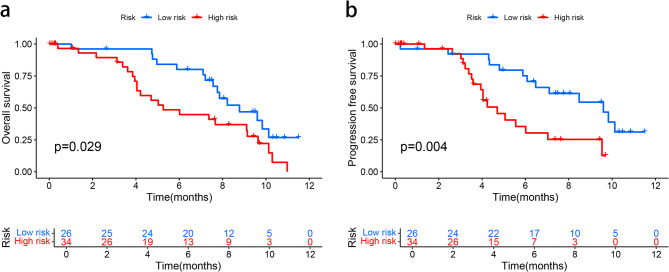 Figure 10
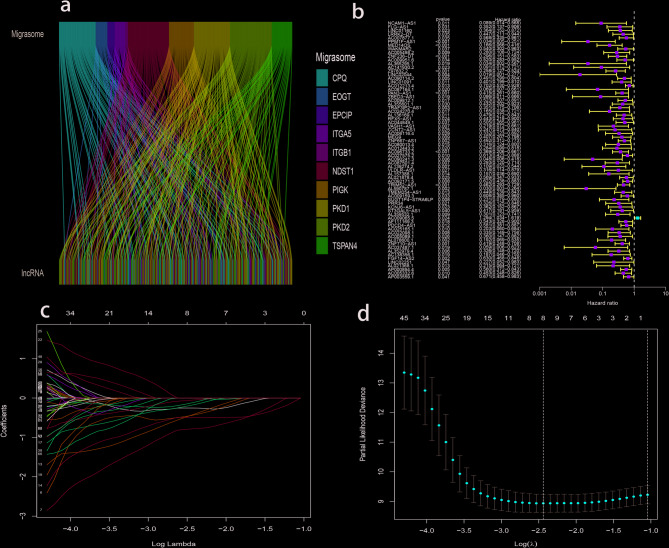 Figure 1
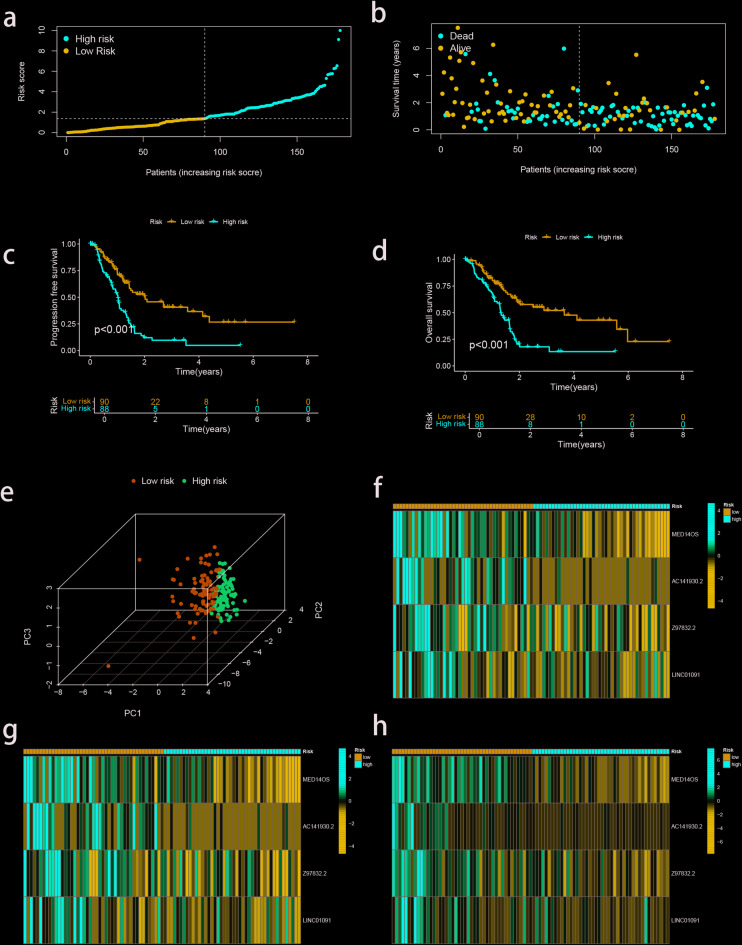 Figure 2
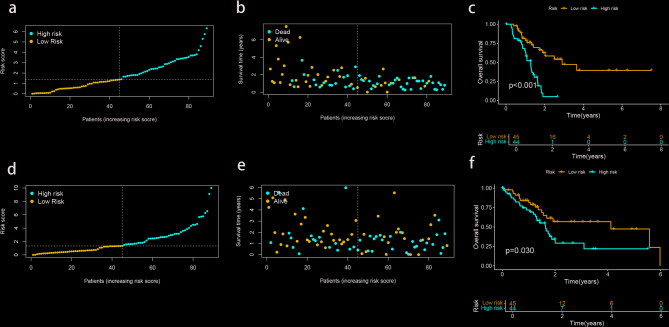 Figure 3
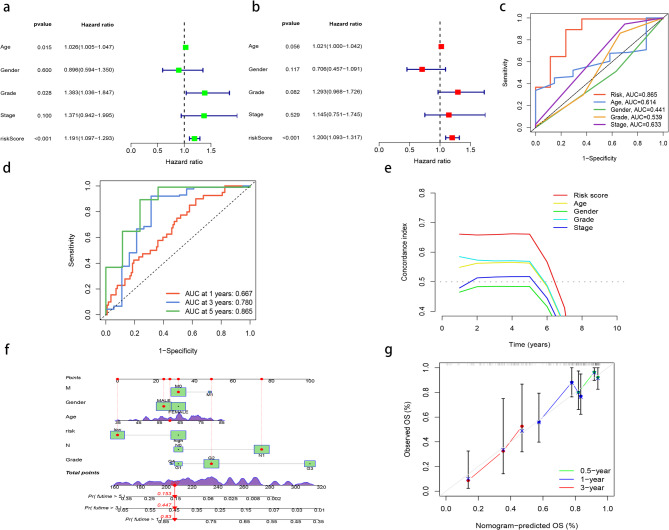 Figure 4
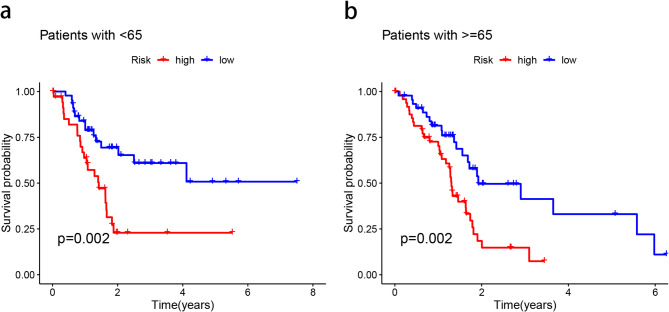 Figure 5
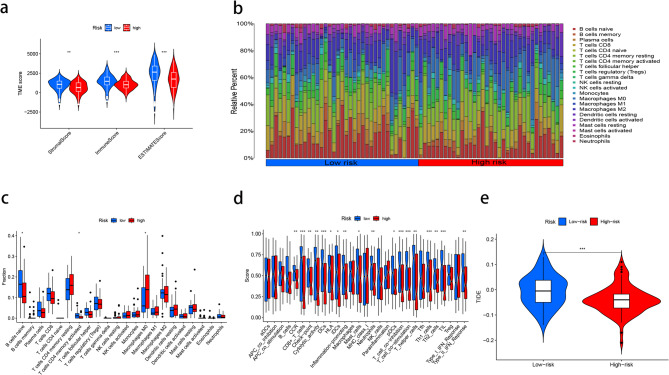 Figure 6
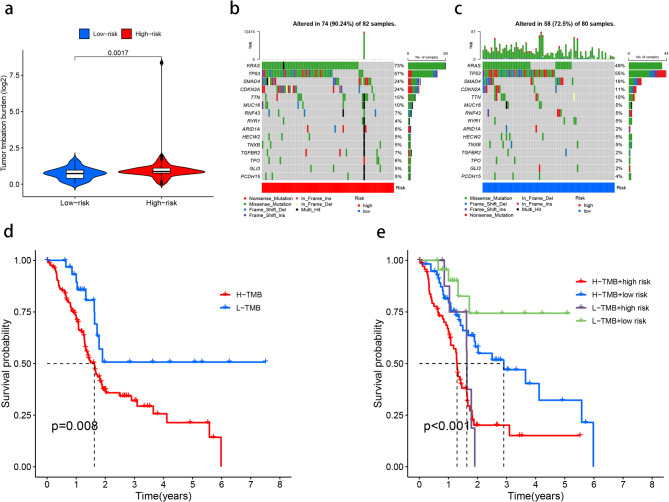 Figure 7
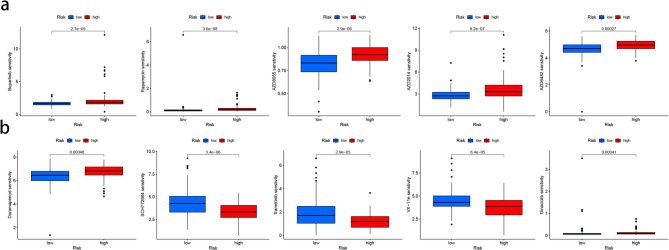 Figure 8
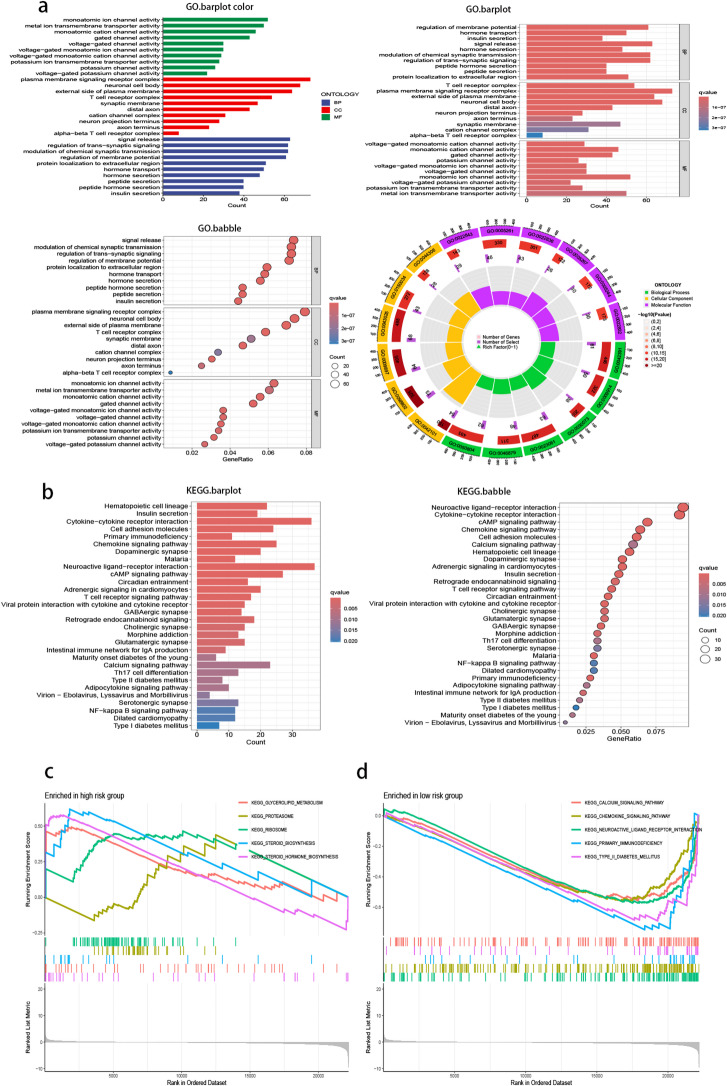 Figure 9
Peer Reviews
No public reviews on file for this paper yet. If you reviewed it on a platform where reviews are public (OpenReview, ICLR, NeurIPS, ICML), you can paste yours below so the community can read it here.
Videos
No videos yet. Explain this paper in a talk, walkthrough, or lecture? Add one.
Taxonomy
TopicsCancer-related molecular mechanisms research · Ferroptosis and cancer prognosis · Caveolin-1 and cellular processes