Long intervals between repetitive concussions reduce risk of cognitive impairment and limit microglial activation, astrogliosis, and tauopathy in adolescent rats
Yuichi Hirata, Kyohei Kin, Takayuki Nagase, Tatsuya Sasaki, Susumu Sasada, Chiaki Sugahara, Takahiro Hirayama, Koji Kawai, Shun Tanimoto, Hayato Miyake, Tomoya Saijo, Hiromichi Naito, Kaori Masai, Takao Yasuhara, Shota Tanaka

TL;DR
This study shows that waiting longer between concussions in adolescent rats reduces cognitive problems and brain inflammation.
Contribution
The study reveals that increasing the time between concussions limits cognitive impairment and pathological brain changes in adolescent rats.
Findings
Rats with daily concussions showed cognitive impairment, while others did not.
Daily concussions caused microglial activation, astrogliosis, and tau accumulation in specific brain regions.
Longer intervals between concussions reduced pathological changes and cognitive risks.
Abstract
Although previous studies have demonstrated the effects of concussions do not accumulate as the time interval between injuries increases, little is known about the relationship between this interval and the effects of repetitive concussions. The objective of this study is to explore the relationship between the time interval and changes in behavior and histology following repetitive concussions. Male adolescent rats received concussions by weight drop and were randomly assigned to one of five experimental groups, receiving concussions three times either daily, every other day, once per week, once every 2 weeks, or receiving sham procedures. Only rats that received daily concussions exhibited cognitive impairment, while the other groups did not. No groups showed motor or anxiety-like impairments. Histological analysis revealed accumulation of microglia, as well as astrogliosis, in the…
Genes, proteins, chemicals, diseases, species, mutations and cell lines named across the full text — each resolved to its canonical identifier and authoritative record.
Click any figure to enlarge with its caption.
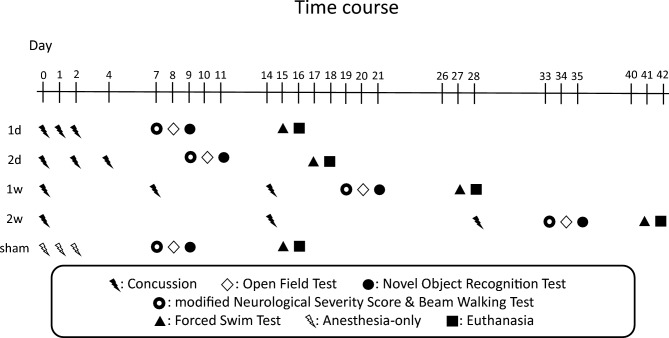 Figure 1
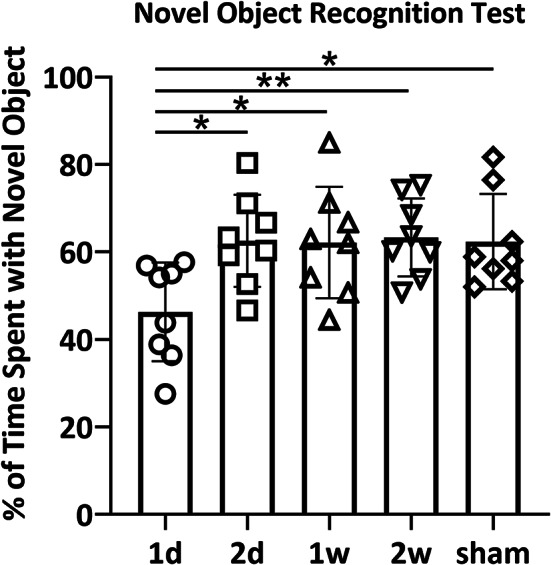 Figure 2
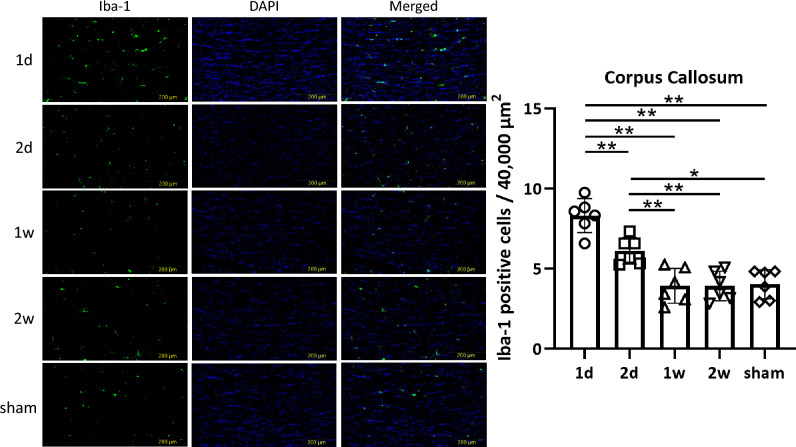 Figure 3
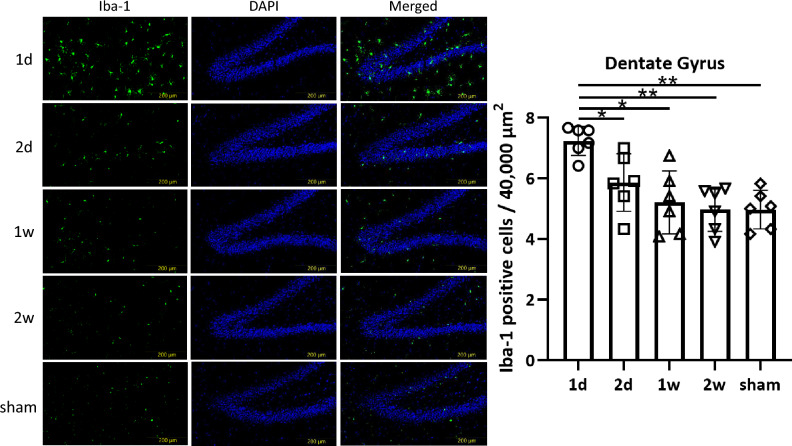 Figure 4
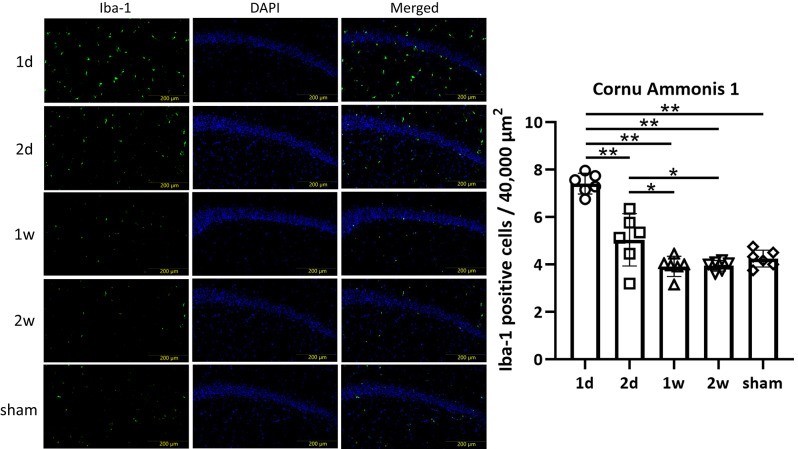 Figure 5
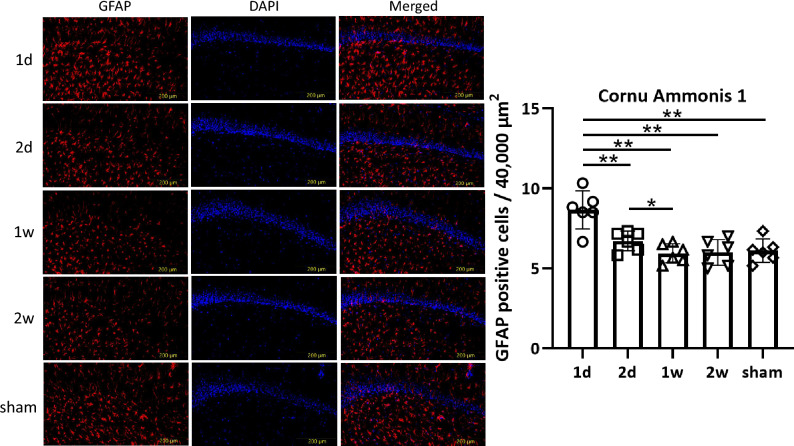 Figure 6
Peer Reviews
No public reviews on file for this paper yet. If you reviewed it on a platform where reviews are public (OpenReview, ICLR, NeurIPS, ICML), you can paste yours below so the community can read it here.
Videos
No videos yet. Explain this paper in a talk, walkthrough, or lecture? Add one.
Taxonomy
TopicsTraumatic Brain Injury Research · Neuroinflammation and Neurodegeneration Mechanisms · Memory and Neural Mechanisms