Comparative genomics of blood and faecal E. coli and K. pneumoniae isolates from neonates with bloodstream infections in Tanzania
Richard N. Goodman, Sabrina J. Moyo, Ilinca Memelis, Aakash Khanijau, Joel Manyahi, Upendo O. Kibwana, Said Aboud, Bjørn Blomberg, Nina Langeland, Adam P. Roberts

TL;DR
This study compares bacteria from the blood and gut of newborns in Tanzania to understand how gut bacteria can cause bloodstream infections.
Contribution
The study provides evidence of translocation of E. coli and K. pneumoniae from the gut to the bloodstream in neonates with bloodstream infections.
Findings
Highly related pairs of E. coli and K. pneumoniae were found in blood and faecal isolates from the same neonates.
Key virulence genes and mutations were identified in strains associated with bloodstream infections.
The findings suggest translocation from the gastrointestinal tract to the bloodstream is a common pathway for infection.
Abstract
Bloodstream infections (BSIs) are a major cause of hospitalisation and death for children under the age of five in sub-Saharan Africa, with Gram-negative bacteria such as Klebsiella pneumoniae and Escherichia coli among the most common causative agents. These bacteria usually colonise the human gastrointestinal (GI) tract, which has been identified as a reservoir for invasive infections into extra-intestinal environments such as the urinary tract and bloodstream. In this study we used comparative genomics to compare hybrid genome assemblies of blood and faecal bacterial isolates taken from the same patients (all neonates under 19 days old) to determine if the BSI associated isolates and the GI tract associated isolates were related. Multiple pairs of highly related E. coli and K. pneumoniae were found, suggesting that translocation between the GI tract and the bloodstream occurred in…
Genes, proteins, chemicals, diseases, species, mutations and cell lines named across the full text — each resolved to its canonical identifier and authoritative record.
Click any figure to enlarge with its caption.
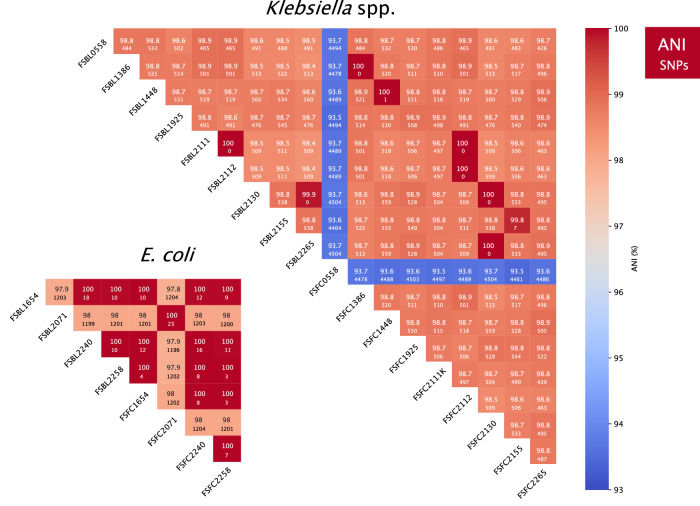 Figure 1
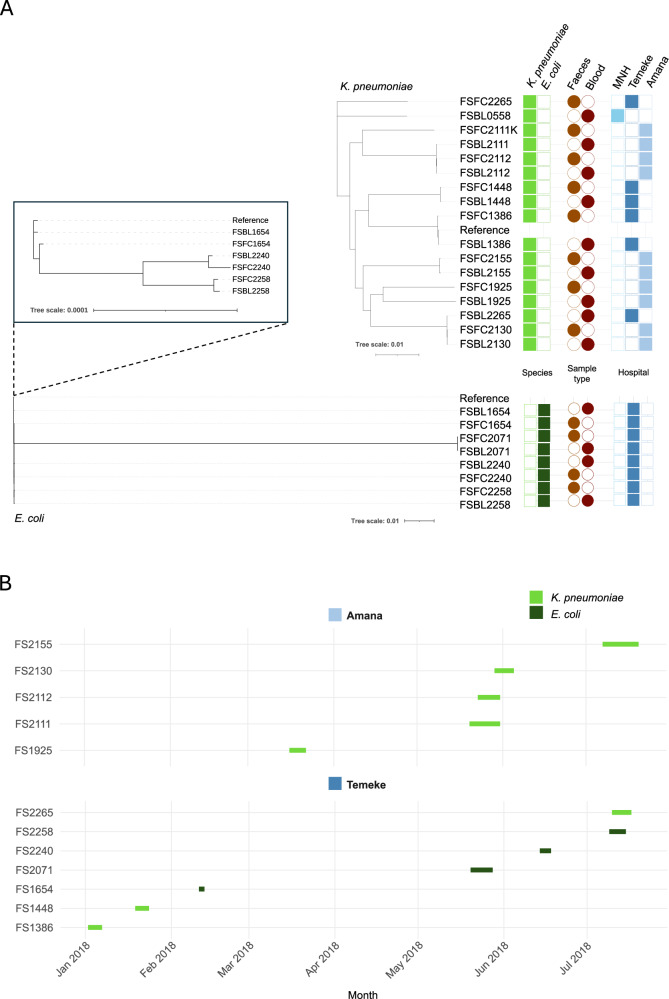 Figure 2
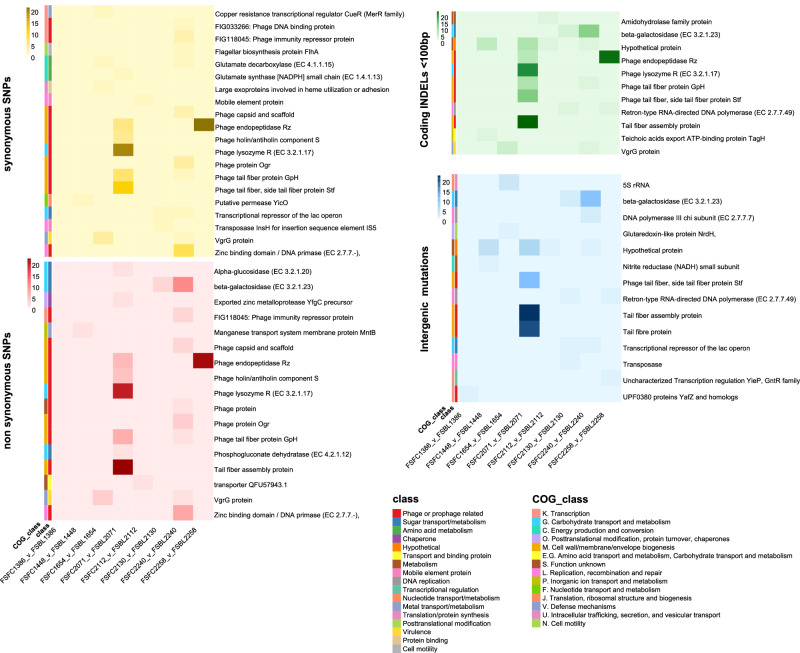 Figure 3
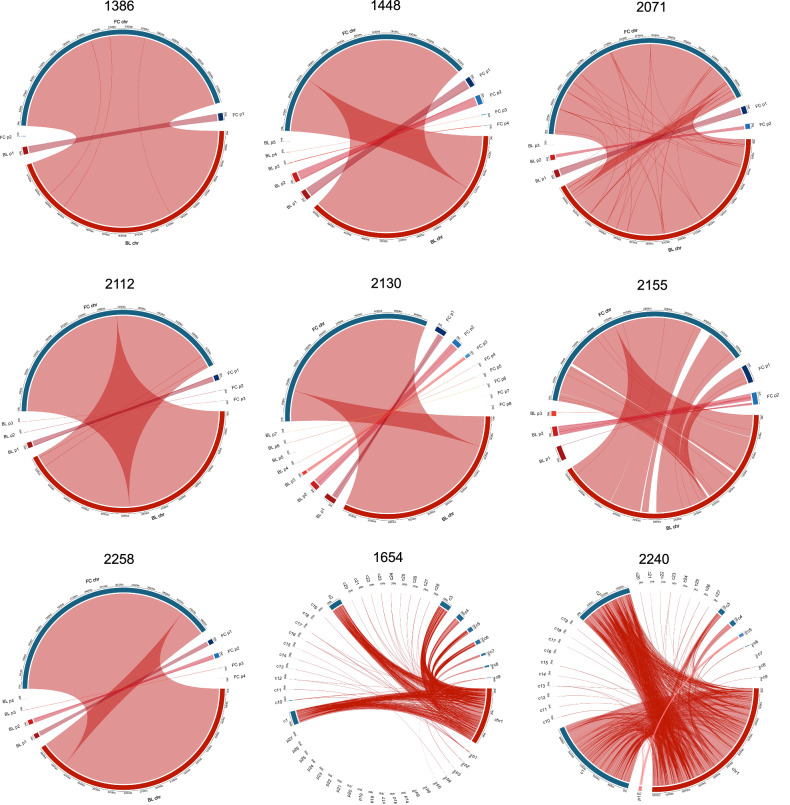 Figure 4
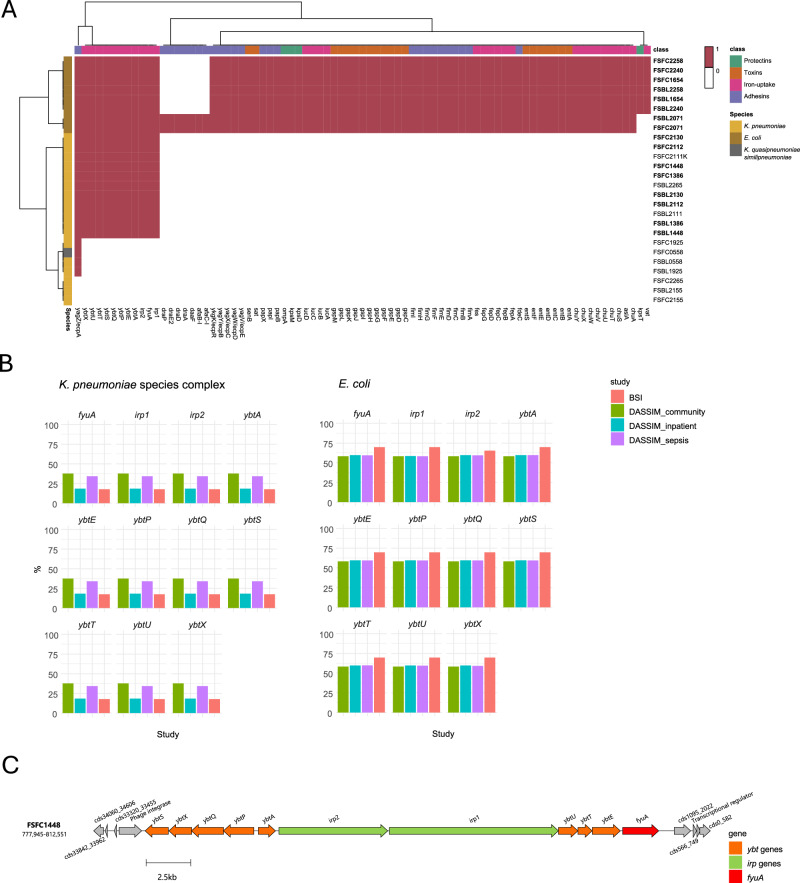 Figure 5
Peer Reviews
No public reviews on file for this paper yet. If you reviewed it on a platform where reviews are public (OpenReview, ICLR, NeurIPS, ICML), you can paste yours below so the community can read it here.
Videos
No videos yet. Explain this paper in a talk, walkthrough, or lecture? Add one.
Taxonomy
TopicsEscherichia coli research studies · Antibiotic Resistance in Bacteria · Neonatal and Maternal Infections