Stable intracranial imaging of dura mater-engrafted pancreatic islet cells in awake mice
Philip Tröster, Montse Visa, Ismael Valladolid-Acebes, Martin Köhler, Per-Olof Berggren

TL;DR
This study introduces a new method to image pancreatic islet cells in awake mice by transplanting them onto the brain's dura mater, enabling long-term observation of their function.
Contribution
The novel approach uses the dura mater as a site for islet transplantation, allowing stable intravital imaging in awake mice without anesthesia.
Findings
Dura mater-engrafted islets integrate with host vascular and neural networks.
Human islet grafts secrete C-peptide in response to glucose, showing metabolic integration.
Intracellular Ca2+ oscillations in β-cells reveal changes in amplitude and period under physiological conditions.
Abstract
By transplanting pancreatic islets onto the dura mater of the mouse brain, we establish a microscopy platform that enables longitudinal intravital imaging of otherwise optically inaccessible tissue. The system combines a cranial window with an air-cushioned floating arena and stable head fixation, providing high mechanical stability for repeated single-cell Ca2+ imaging sessions of up to 90 min in awake mice. We show that dura mater-engrafted islets integrate with host vascular and neural networks, and that human islet grafts secrete C-peptide in response to glucose stimulation, indicating metabolic integration. With this platform, we monitor anesthesia-induced changes in capillary blood flow and islet Ca2+ dynamics. In awake mice, following subcutaneous glucose injection, we characterize intracellular Ca2+ oscillations in insulin-secreting β-cells, revealing changes in amplitude,…
Genes, proteins, chemicals, diseases, species, mutations and cell lines named across the full text — each resolved to its canonical identifier and authoritative record.
Click any figure to enlarge with its caption.
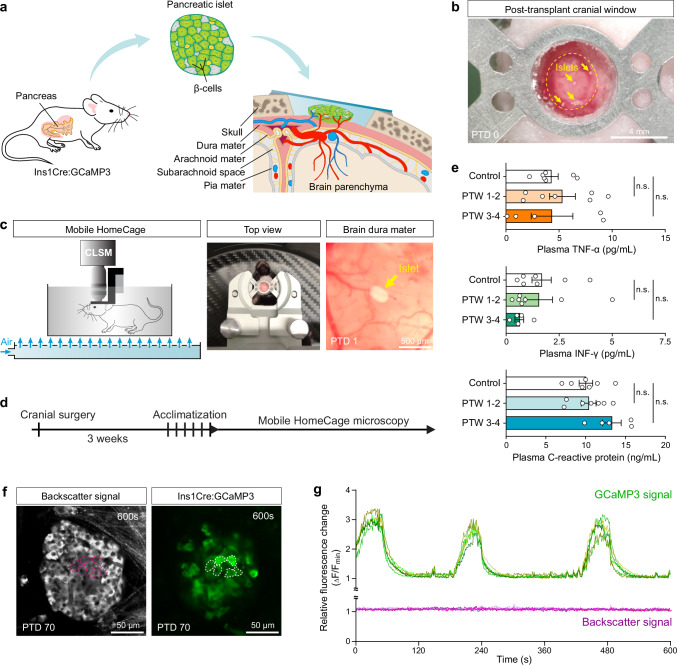 Figure 1
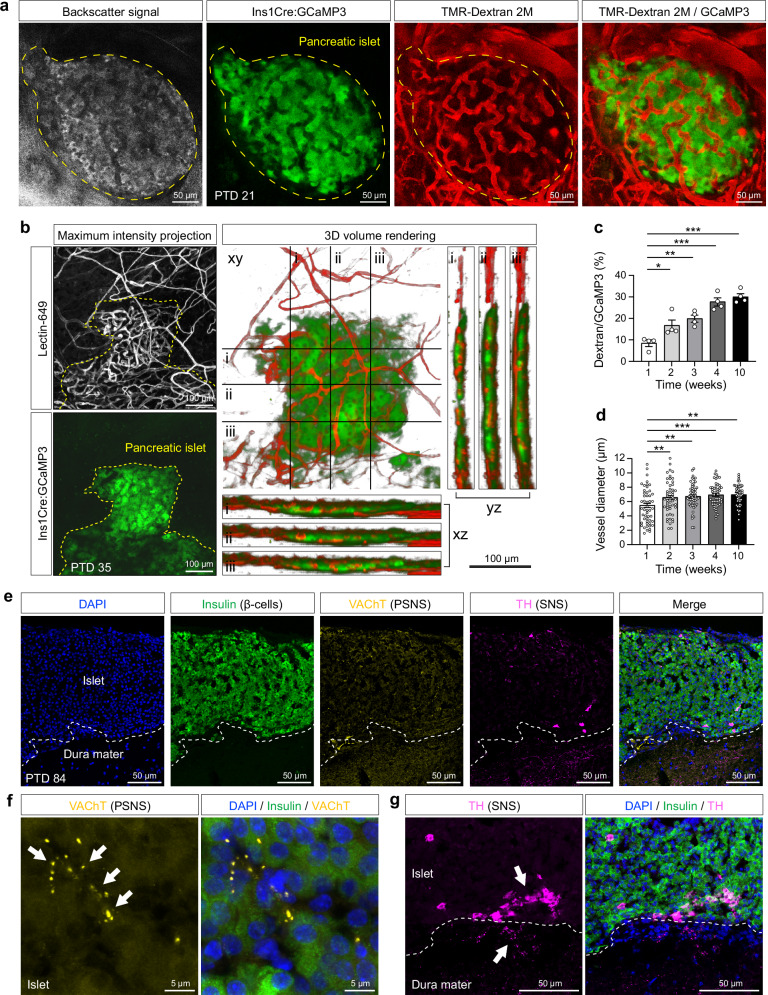 Figure 2
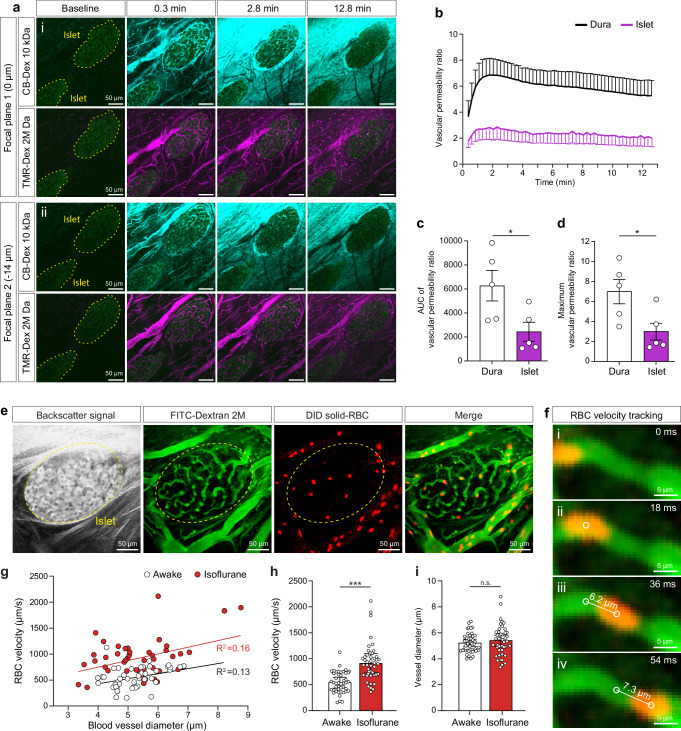 Figure 3
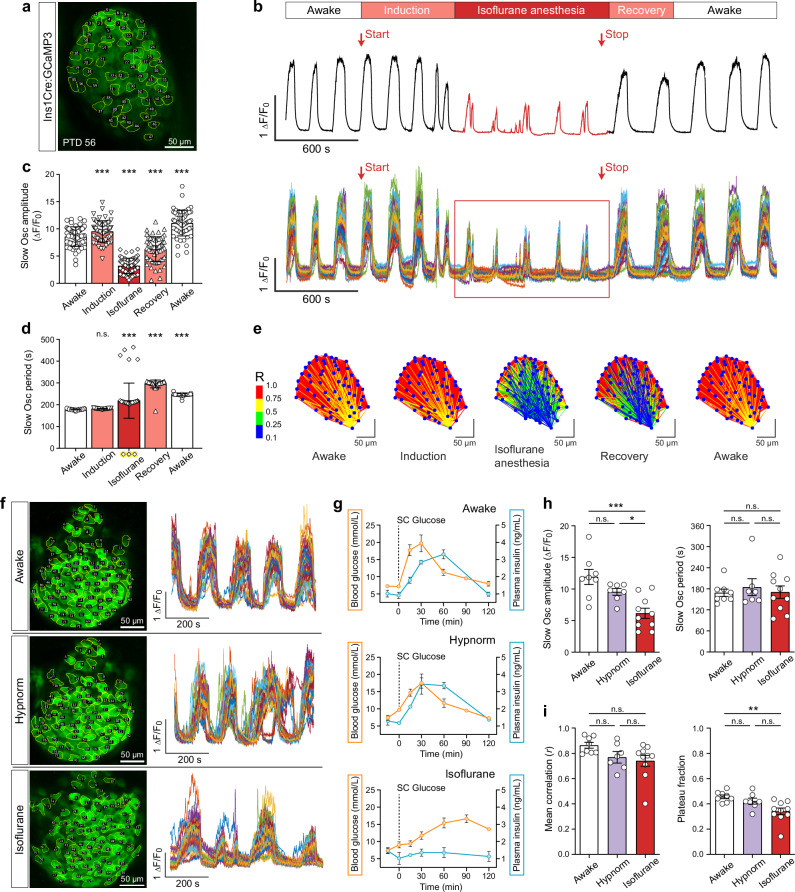 Figure 4
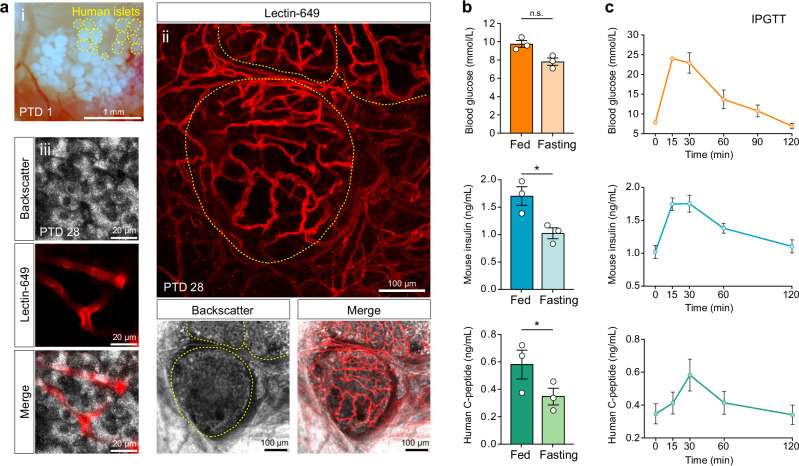 Figure 5
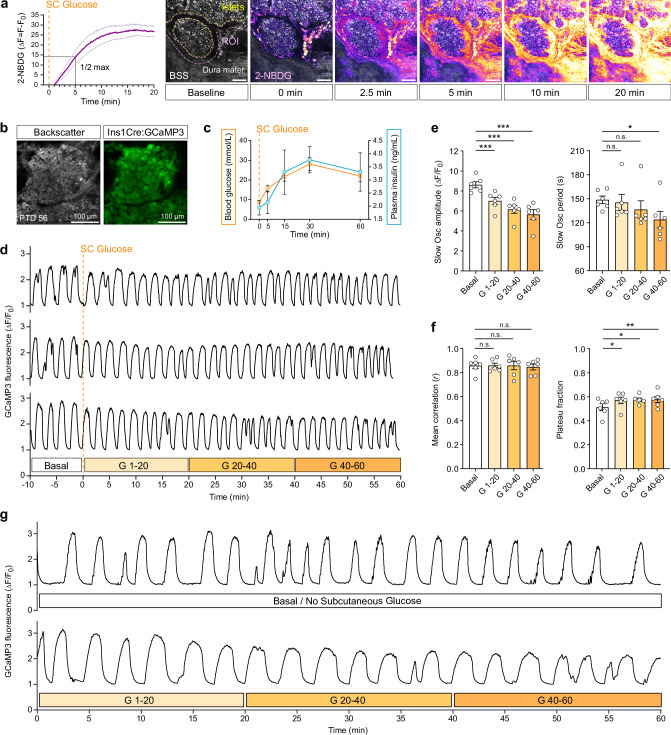 Figure 6
Peer Reviews
No public reviews on file for this paper yet. If you reviewed it on a platform where reviews are public (OpenReview, ICLR, NeurIPS, ICML), you can paste yours below so the community can read it here.
Videos
No videos yet. Explain this paper in a talk, walkthrough, or lecture? Add one.
Taxonomy
TopicsPancreatic function and diabetes · 3D Printing in Biomedical Research · Neurogenesis and neuroplasticity mechanisms