Exploring SARS-CoV-2 spike protein mutations through genetic algorithm-driven structural modeling
Valentina Di Salvatore, Avisa Maleki, Babak Mohajer, Alvaro Ras-Carmona, Giulia Russo, Pedro Antonio Reche, Francesco Pappalardo

TL;DR
This paper introduces a genetic algorithm framework to model and optimize SARS-CoV-2 spike protein mutations computationally, focusing on structural stability and binding properties.
Contribution
The novel contribution is a genetic algorithm-based method for structural modeling of spike protein variants, emphasizing thermodynamic properties rather than evolutionary prediction.
Findings
The GA framework generated spike variants with improved structural stability over generations.
Candidate conformations with favorable thermodynamic properties for spike-ACE2 interactions were identified.
The method demonstrates feasibility for in silico exploration of mutational landscapes.
Abstract
The rapid evolution of SARS-CoV-2 highlights the importance of computational approaches to explore mutational effects on the viral spike protein. In this work, we present a genetic algorithm (GA) framework applied to the structural optimization of spike protein variants, with a focus on energetic and binding properties rather than direct evolutionary prediction. Our GA-driven pipeline generated spike variants with progressively improved structural stability as indicated by lower discrete optimized protein energy scores across generations. The approach also enabled evaluation of Gibbs free energy and binding affinity for spike—Angiotensin-converting enzyme 2 receptor interactions, revealing candidate conformations with favorable thermodynamic properties. These results demonstrate the algorithm’s capacity to refine protein models and explore mutational landscapes in silico, although no…
Genes, proteins, chemicals, diseases, species, mutations and cell lines named across the full text — each resolved to its canonical identifier and authoritative record.
Click any figure to enlarge with its caption.
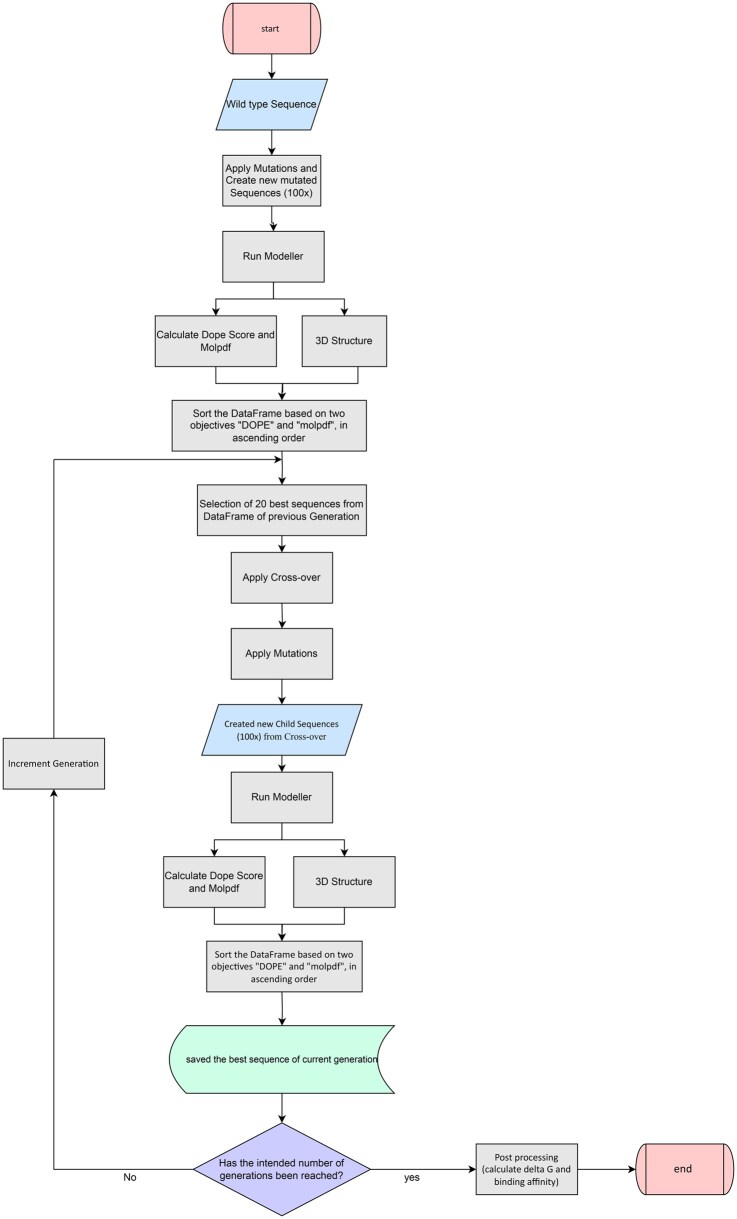 Figure 1
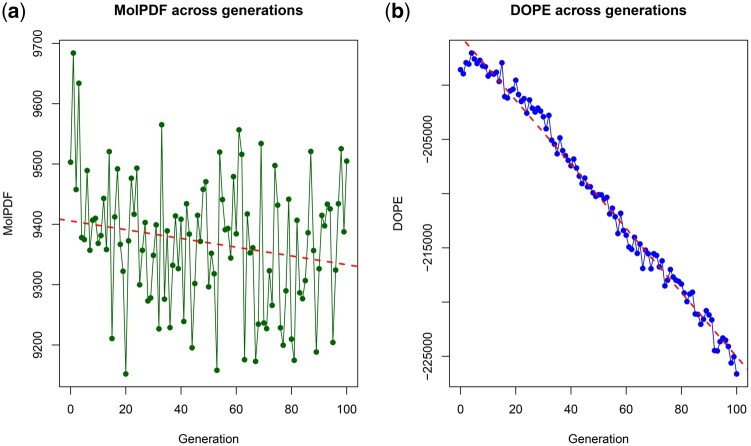 Figure 2
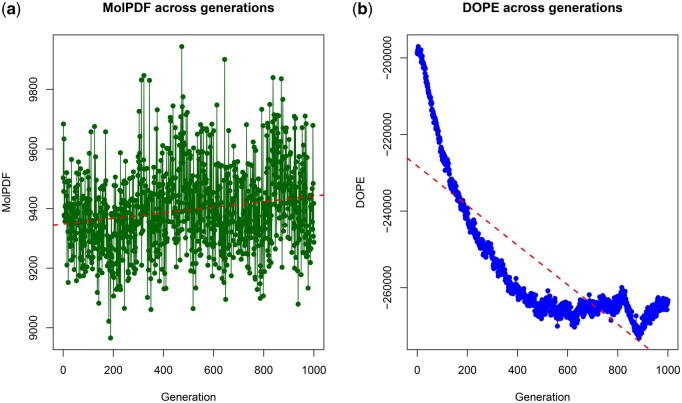 Figure 3
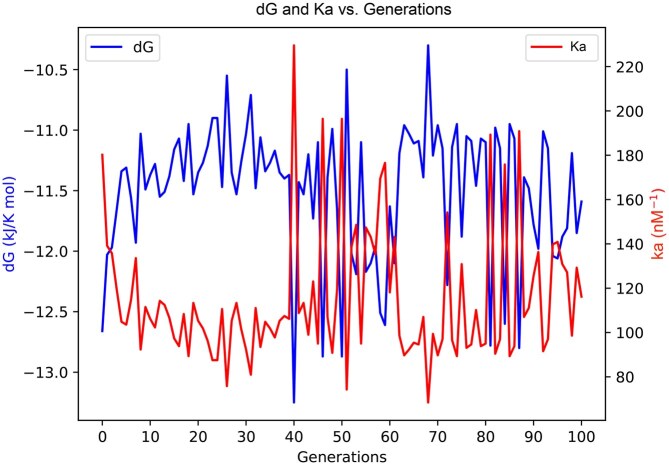 Figure 4
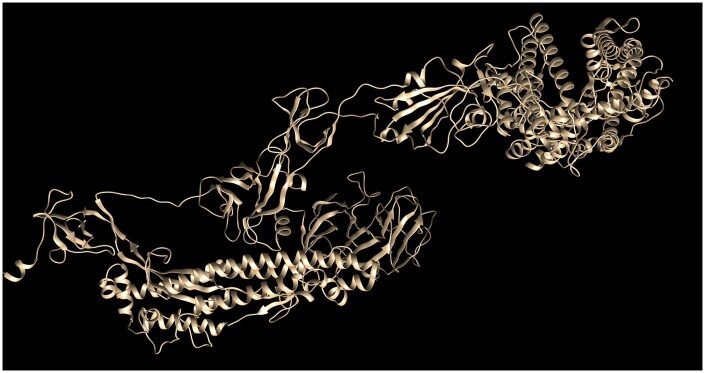 Figure 5
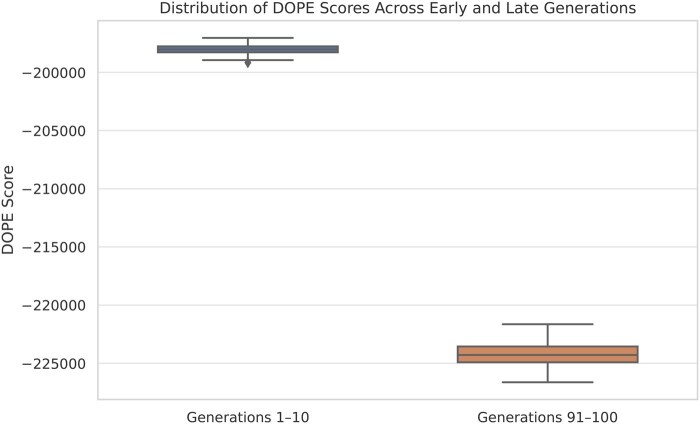 Figure 6
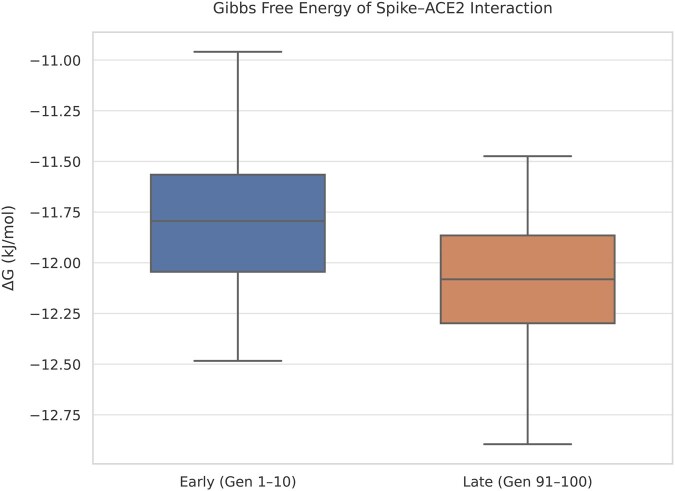 Figure 7
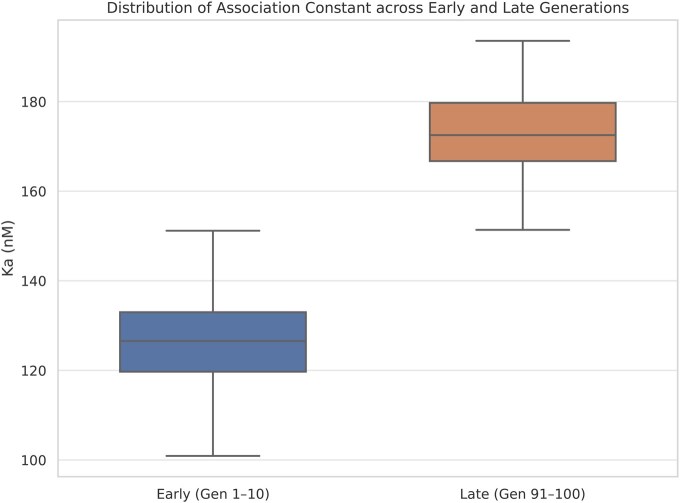 Figure 8
Peer Reviews
No public reviews on file for this paper yet. If you reviewed it on a platform where reviews are public (OpenReview, ICLR, NeurIPS, ICML), you can paste yours below so the community can read it here.
Videos
No videos yet. Explain this paper in a talk, walkthrough, or lecture? Add one.
Taxonomy
TopicsMachine Learning in Bioinformatics · SARS-CoV-2 and COVID-19 Research · COVID-19 epidemiological studies