HOXC10 Protects from Skin Aging by Targeting the FZD6/Wnt/β-Catenin Signaling Pathway
Yun Zhong, Yi Guo, Rui Mao, Lei Zhou, Fan Wang, Xin Meng, Xin Xiao, Haonan Yuan, Yifan Zhang, Zhili Deng, Wei Shi, Qian Wang, Hongfu Xie, Yiya Zhang, Ji Li

TL;DR
This study shows that HOXC10 delays skin aging by regulating the Wnt/β-catenin pathway and suggests simvastatin as a potential treatment.
Contribution
HOXC10 is identified as a novel regulator of skin aging through the FZD6/Wnt/β-catenin pathway, with simvastatin proposed as a functional mimic.
Findings
HOXC10 expression is reduced in aging skin and senescent fibroblasts.
HOXC10 activates the Wnt/β-catenin pathway by targeting FZD6, delaying aging.
Simvastatin mimics HOXC10's anti-aging effects in vitro and in vivo.
Abstract
Aging, caused by a variety of exogenous stimuli and internal factors, leads to a gradual and irreversible decline in the function of the organism. The aging process involves complex gene regulation, in which transcription factors may play a key role as core regulatory elements. In this study, the single-cell transcriptome of skin revealed homeobox C10 (HOXC10) as a core element in the transcription factor regulatory network associated with skin aging. In vivo and vitro, the expression of HOXC10 was down-regulated in senescent fibroblasts and aging tissues, and overexpressed HOXC10 delayed cell senescence and skin aging. Mechanistically, HOXC10 targeted the promoter region of frizzled 6 (FZD6) to reduce its expression and therefore activated the Wnt/β-catenin signaling pathway to delay aging. Finally, by using the Connectivity Map approach, we explored simvastatin as a functional mimic…
Genes, proteins, chemicals, diseases, species, mutations and cell lines named across the full text — each resolved to its canonical identifier and authoritative record.
Click any figure to enlarge with its caption.
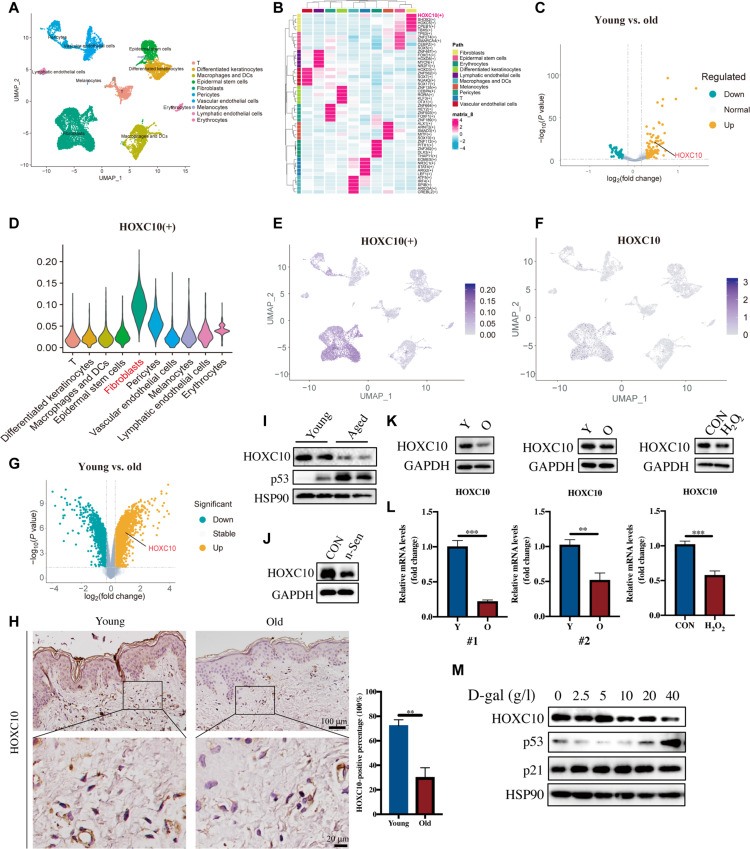 Figure 1
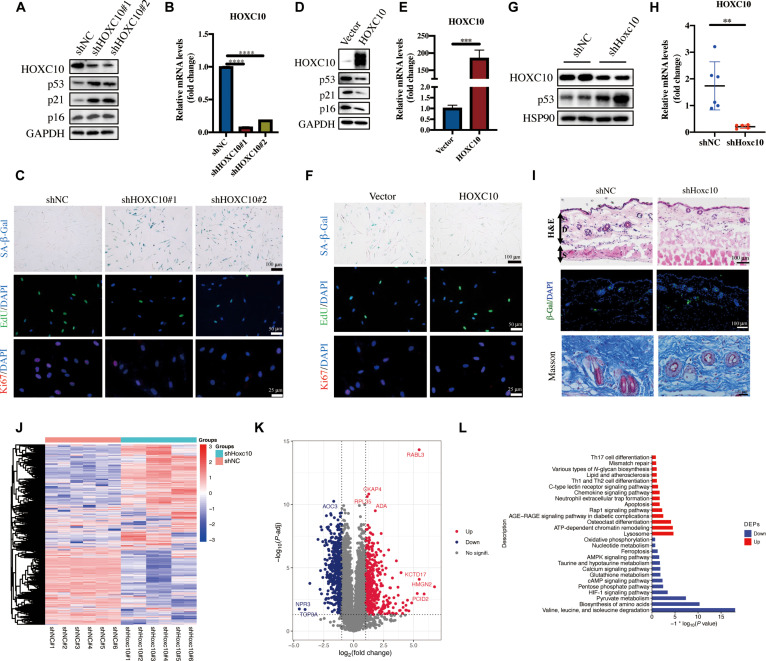 Figure 2
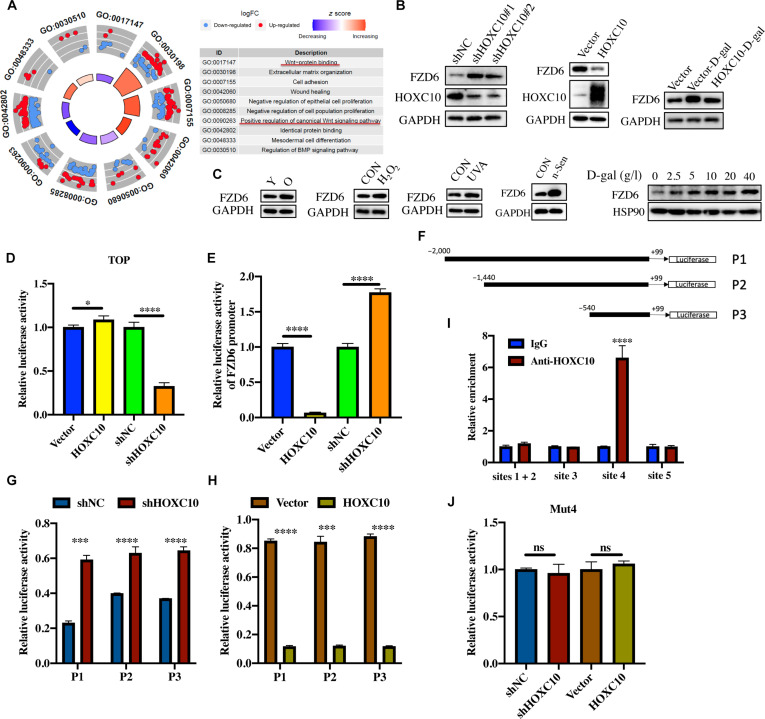 Figure 3
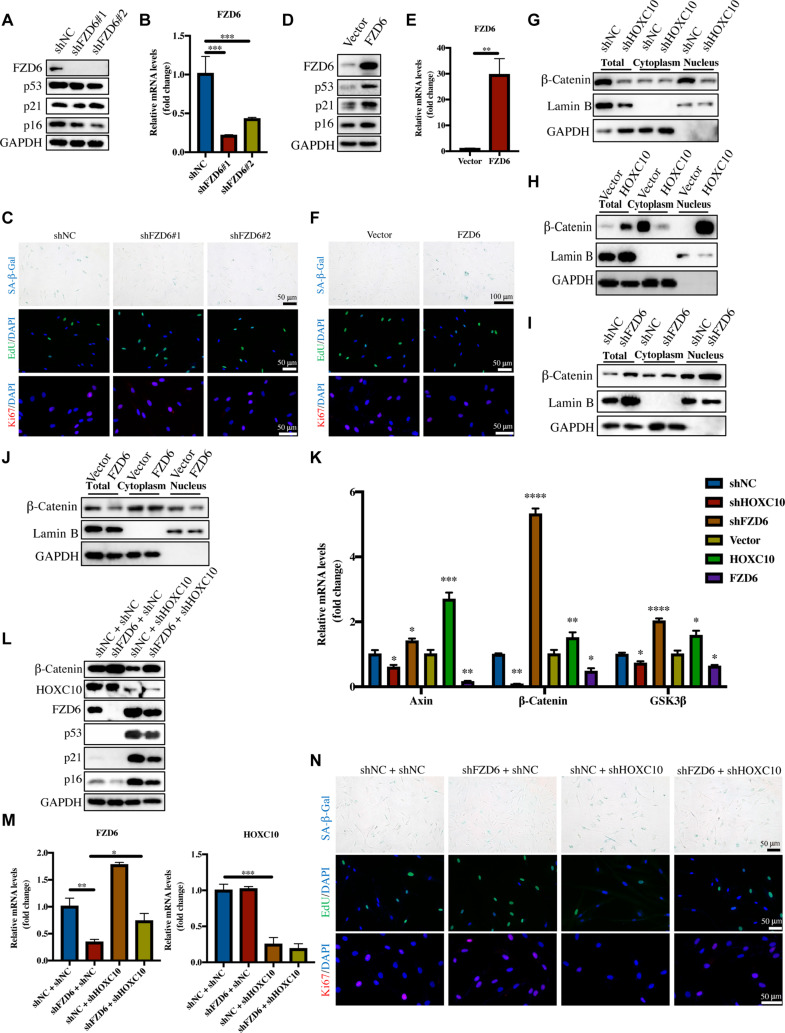 Figure 4
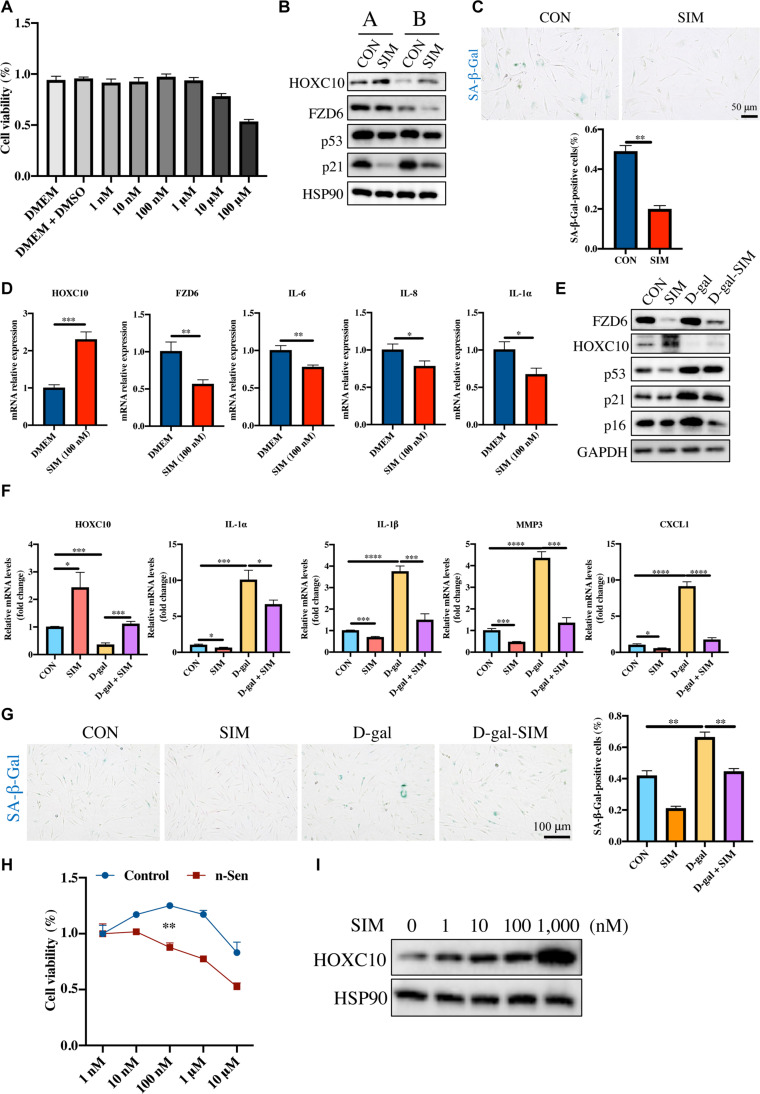 Figure 5
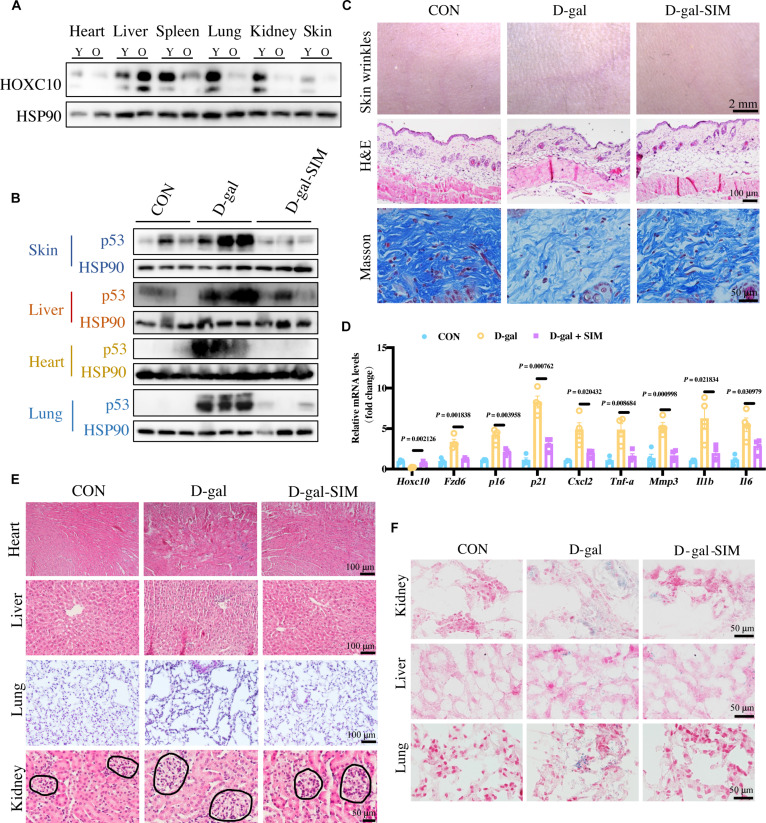 Figure 6
Peer Reviews
No public reviews on file for this paper yet. If you reviewed it on a platform where reviews are public (OpenReview, ICLR, NeurIPS, ICML), you can paste yours below so the community can read it here.
Videos
No videos yet. Explain this paper in a talk, walkthrough, or lecture? Add one.
Taxonomy
TopicsCircular RNAs in diseases