The sonic energy of background music impacts cognitive performances: a behavioral and physiological investigation
Maria Francesca Gigliotti, David Lauret, Yvonne N. Delevoye-Turrell

TL;DR
Background music with different energy levels affects attention and cognitive performance, suggesting that music choice should match task demands.
Contribution
This study empirically investigates how sonic energy of background music influences cognitive performance and physiological responses.
Findings
Both low- and high-arousing music increased physiological activation and task enjoyment.
Background music improved executive control and verbal fluency over time.
High-arousing music increased perceived cognitive effort during attention tasks.
Abstract
Listening to background music while engaging in mental tasks is a popular habit. Despite the diverse playlists conceived for this purpose, the optimal sonic energy (calming vs. arousing) of a musical excerpt that may benefit cognitive performances remains poorly understood, particularly in relation to the specific demands of the task. To clarify this issue, we asked participants to perform an Attention Network Test and a phonemic Verbal Fluency Task, in silence and while listening to low- and high-arousing unfamiliar musical excerpts. Excerpts sonic energy was determined by musical features analysis, followed by a subjective evaluation of the excerpts’ arousal potential. Behavioral, physiological and subjective measures were collected. Results showed that the presence of both the low- and high-arousing music increased physiological activation and enhanced the pleasure experienced during…
Genes, proteins, chemicals, diseases, species, mutations and cell lines named across the full text — each resolved to its canonical identifier and authoritative record.
Click any figure to enlarge with its caption.
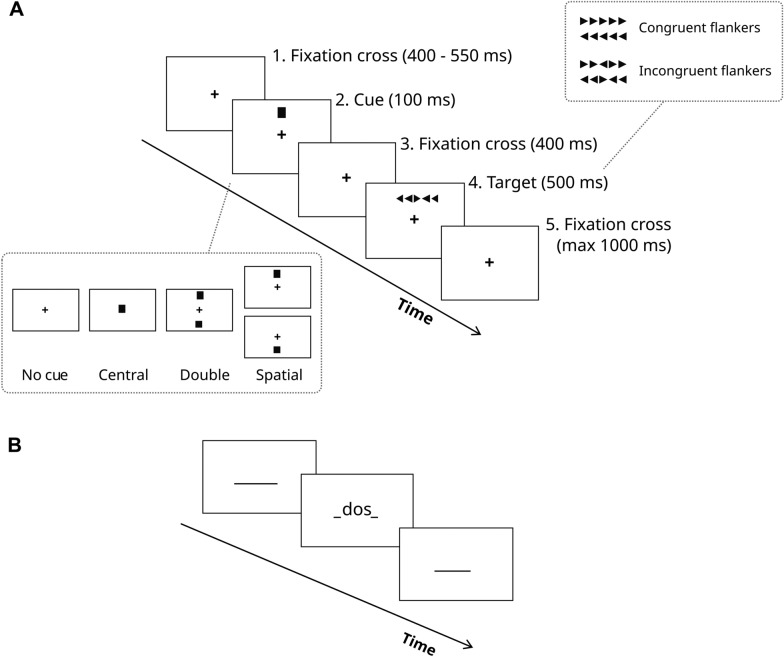 Figure 1
 Figure 2
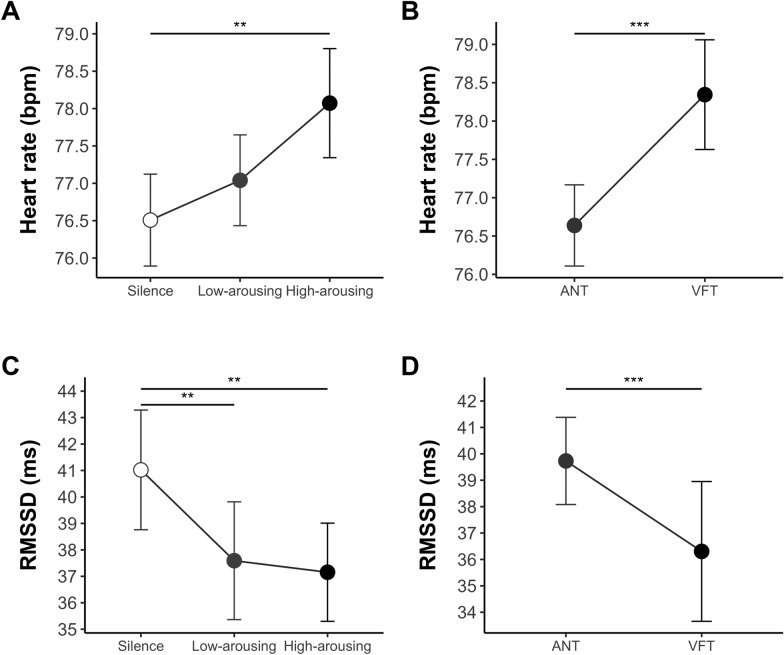 Figure 3
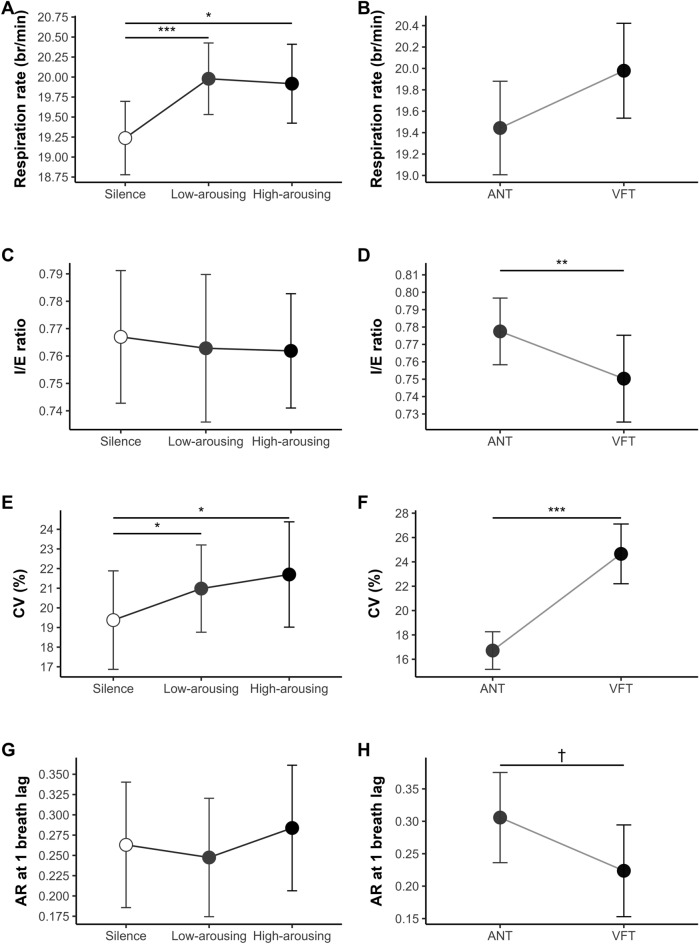 Figure 4
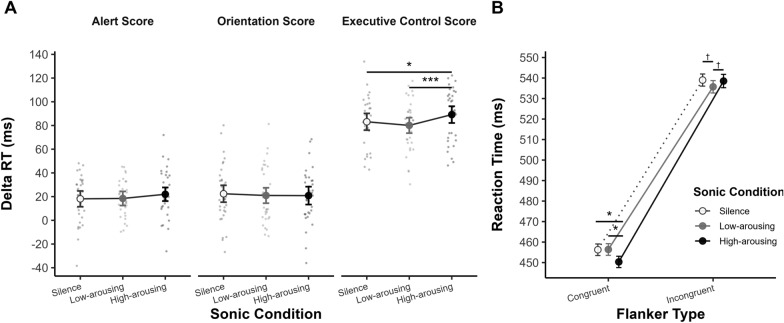 Figure 5
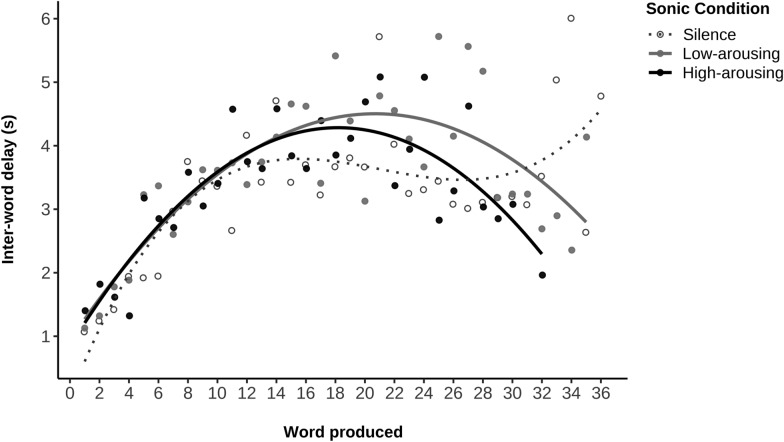 Figure 6
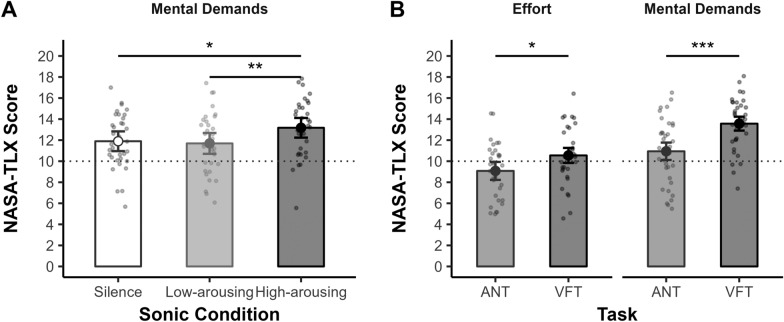 Figure 7
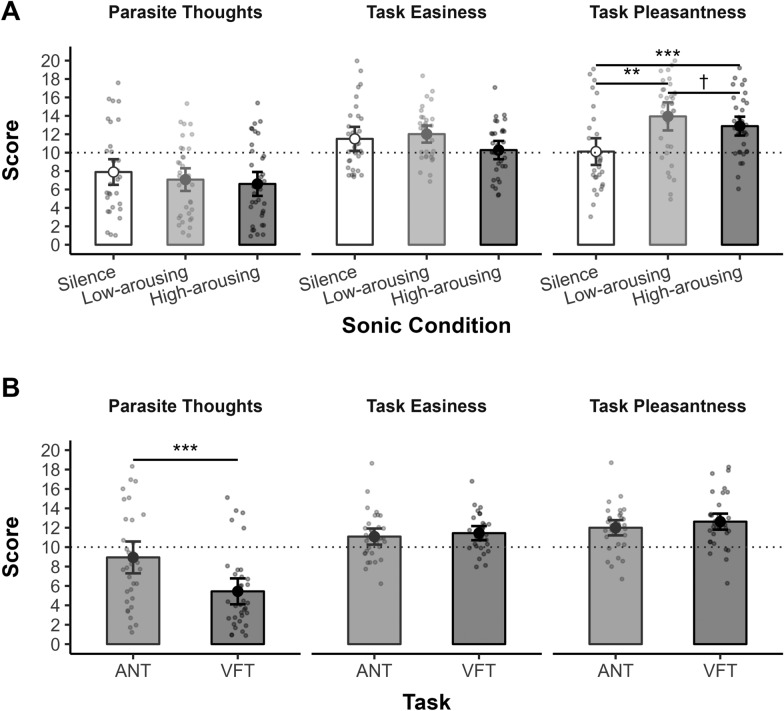 Figure 8
Peer Reviews
No public reviews on file for this paper yet. If you reviewed it on a platform where reviews are public (OpenReview, ICLR, NeurIPS, ICML), you can paste yours below so the community can read it here.
Videos
No videos yet. Explain this paper in a talk, walkthrough, or lecture? Add one.
Taxonomy
TopicsNeuroscience and Music Perception · Music Therapy and Health · Diverse Music Education Insights