Patterns and Outcomes of Permanent Vascular Access in End-Stage Kidney Disease: A Multicenter Experience
Fatimah M Alhubail, Ali M Al Mousa, Ghadeer M Alhassan, Danah S Alali, Mona A Almutlaq, Mohammed Almulhim, Eliane El Tawil, Ghassan Salah, Amged Awad

TL;DR
This study examines the use and outcomes of different types of permanent vascular access in patients with end-stage kidney disease undergoing hemodialysis, finding that arteriovenous fistulas have the best performance and that anemia is a key factor in access failure.
Contribution
The study provides new insights into vascular access patterns and outcomes in ESKD patients, identifying anemia as a critical modifiable risk factor for access failure.
Findings
Arteriovenous fistulas (AVFs) showed the lowest failure rates compared to other vascular access types.
Hemoglobin levels below target (<12 g/dL) were independently associated with higher odds of vascular access failure.
Older age (≥65 years) was associated with lower odds of vascular access failure.
Abstract
Background End-stage kidney disease (ESKD) is a growing health problem worldwide, with hemodialysis serving as the main treatment when transplantation is not feasible. Permanent vascular access is essential for effective dialysis, yet its patterns and outcomes remain variable across patient populations. Aim This multicenter study aimed to describe the patterns of vascular access use and evaluate the outcomes of permanent vascular access in patients with ESKD undergoing hemodialysis. Methods A retrospective multicenter cross-sectional study (January-June 2024) was conducted at two tertiary hospitals in Al-Ahsa, Saudi Arabia, including adults on maintenance hemodialysis via arteriovenous fistula (AVF), arteriovenous graft (AVG), or permanent catheter. Demographic, clinical, laboratory, and access data were extracted. Pending accesses were excluded from inferential analyses. Group…
Genes, proteins, chemicals, diseases, species, mutations and cell lines named across the full text — each resolved to its canonical identifier and authoritative record.
Click any figure to enlarge with its caption.
 Figure 1
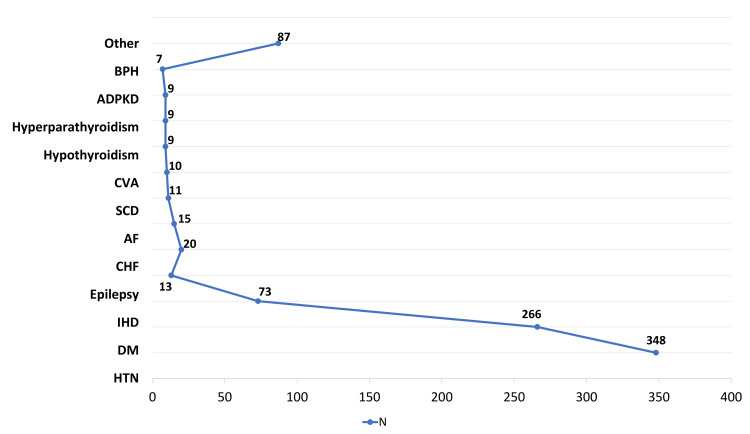 Figure 2
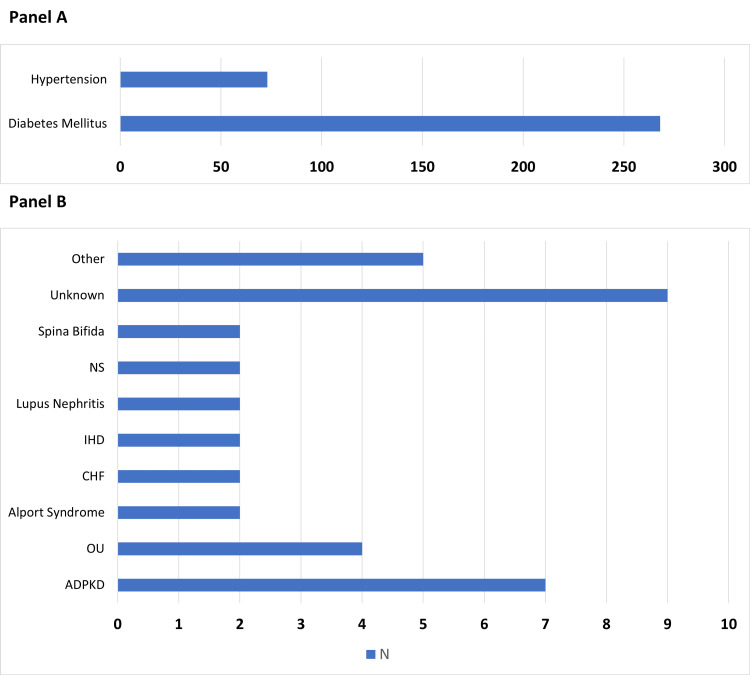 Figure 3
Peer Reviews
No public reviews on file for this paper yet. If you reviewed it on a platform where reviews are public (OpenReview, ICLR, NeurIPS, ICML), you can paste yours below so the community can read it here.
Videos
No videos yet. Explain this paper in a talk, walkthrough, or lecture? Add one.
Taxonomy
TopicsCentral Venous Catheters and Hemodialysis · Vascular Procedures and Complications · Dialysis and Renal Disease Management