High Glucose Aggravates Cerebral Ischemia/Reperfusion via Truncated NLRP3‐Mediated Hexokinase‐2 Translocation
Hengchang Zhang, Ruoyi Guo, Xiang Li, Yang Zhang, Lujun Zhou, Junjie Wang, Yudi Huang, Zengqiang Yuan, Lijuan Song, Yajin Liao

TL;DR
High blood sugar worsens stroke damage by altering a key inflammation protein, NLRP3, through a new pathway involving PKA and HK2.
Contribution
Discovery of a novel PKA-mediated NLRP3 truncation mechanism linking high glucose to stroke severity.
Findings
High glucose induces a 30 kD N-terminal truncation of NLRP3 (miniNLRP3) via PKA and serine proteases.
MiniNLRP3 enhances NLRP3 inflammasome activation by causing Hexokinase 2 to detach from mitochondria.
Genetic knockout of NLRP3, Pycard, or microglial Hk2 reduces brain injury in high glucose stroke models.
Abstract
High blood glucose is a well‐established risk factor for poor outcomes in ischemic stroke. However, the underlying molecular mechanisms linking high blood glucose to worsened stroke outcomes remain unclear. Previous studies have implicated the NLRP3 inflammasome, a key mediator of neuroinflammation, in cerebral ischemia/reperfusion (I/R) injury. Under high blood glucose conditions, NLRP3 activation is amplified, potentially driving a vicious cycle of inflammation and neuronal death. Yet, how high blood glucose specifically modulates NLRP3 activation and its downstream pathways remains unclear. This study aimed to investigate the specific mechanisms by which high glucose enhances NLRP3 inflammasome activity and contributes to worsened brain injury following cerebral I/R. We employed a combination of in vitro and in vivo experimental approaches to explore the impact of high glucose on…
Genes, proteins, chemicals, diseases, species, mutations and cell lines named across the full text — each resolved to its canonical identifier and authoritative record.
Click any figure to enlarge with its caption.
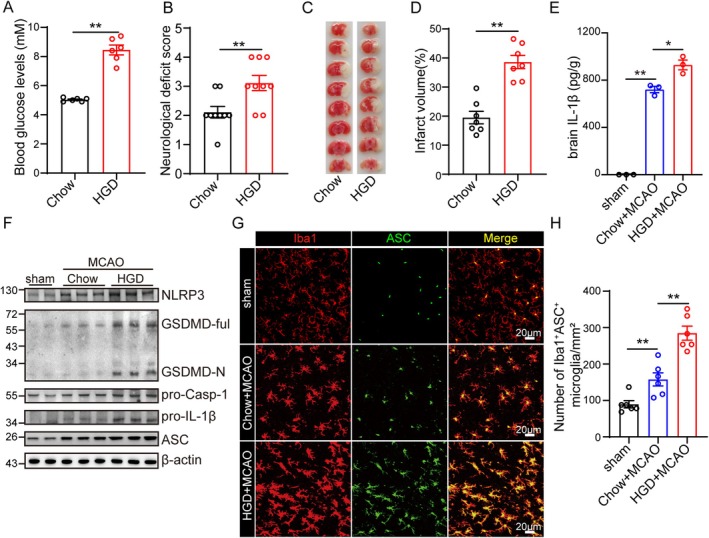 Figure 1
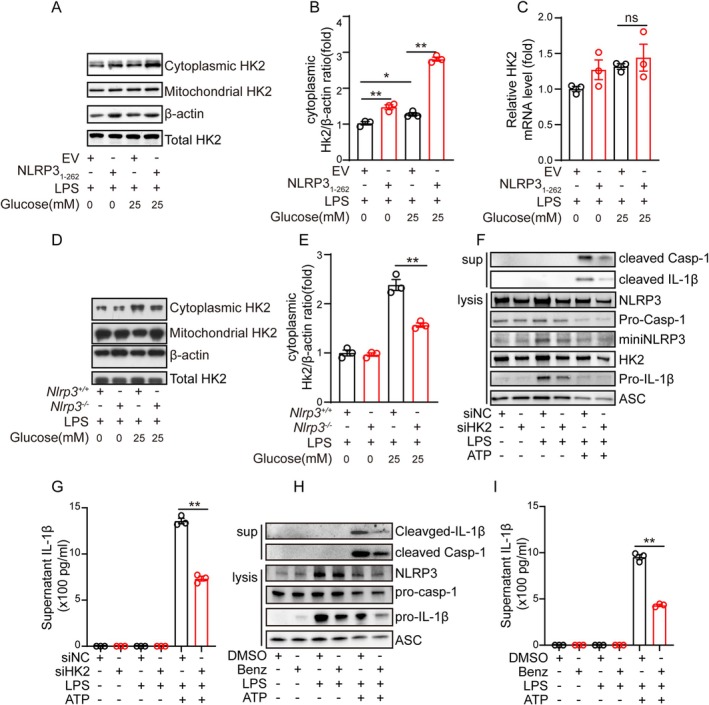 Figure 2
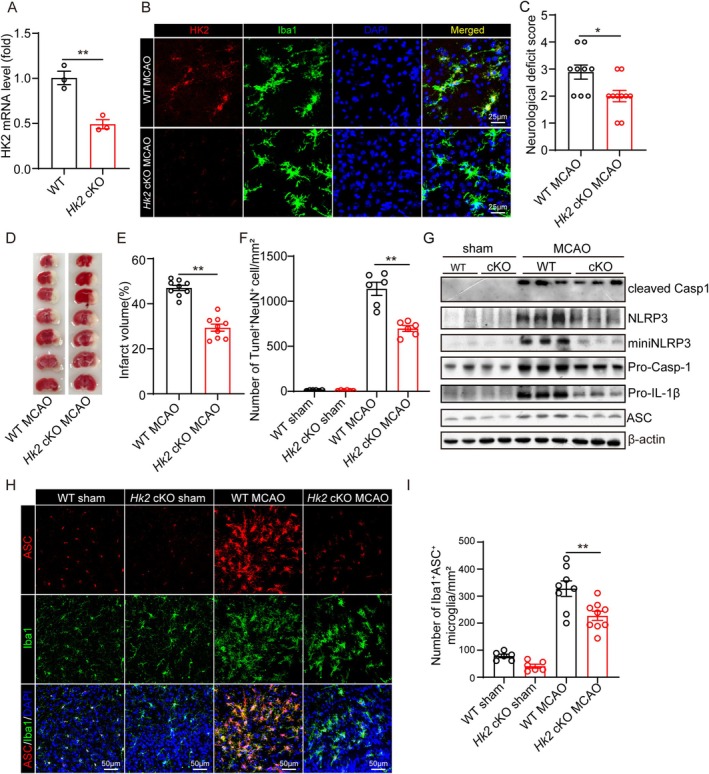 Figure 3
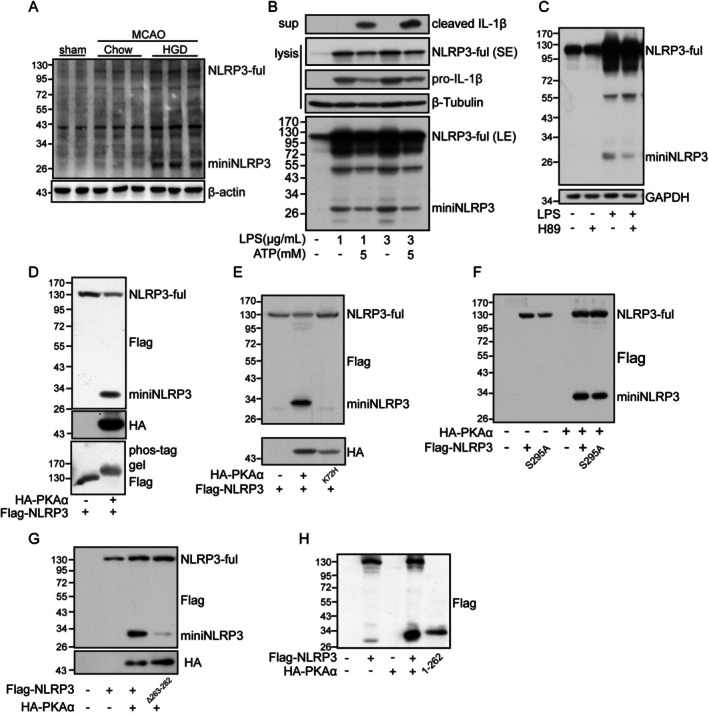 Figure 4
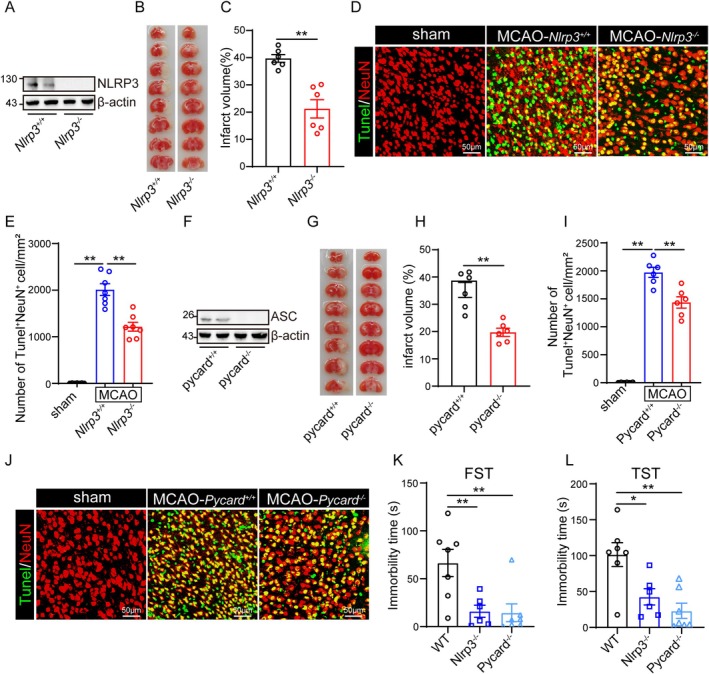 Figure 5
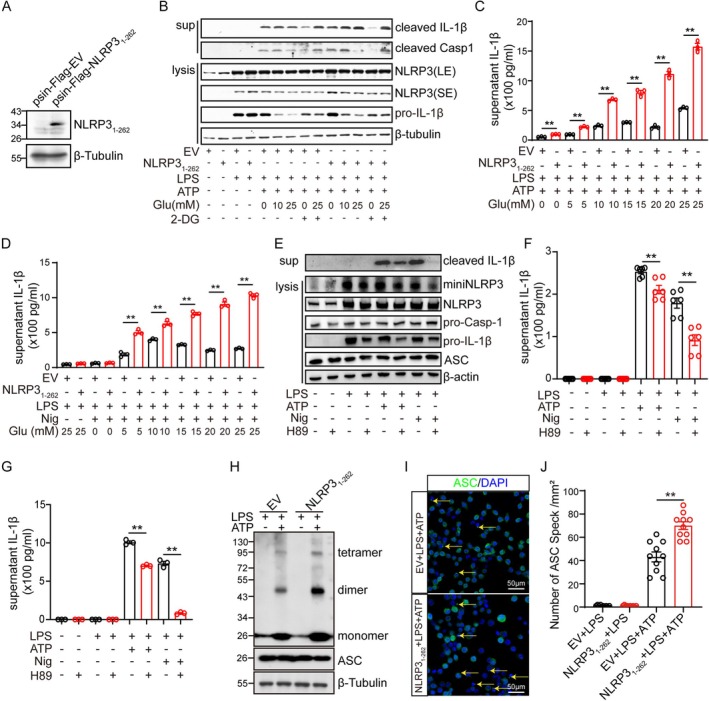 Figure 6
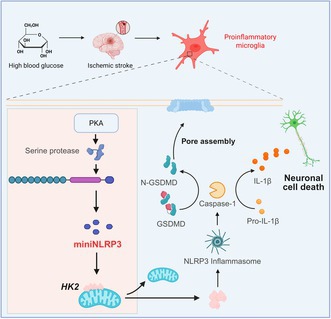 Figure 7
Peer Reviews
No public reviews on file for this paper yet. If you reviewed it on a platform where reviews are public (OpenReview, ICLR, NeurIPS, ICML), you can paste yours below so the community can read it here.
Videos
No videos yet. Explain this paper in a talk, walkthrough, or lecture? Add one.
Taxonomy
TopicsInflammasome and immune disorders · Neuroinflammation and Neurodegeneration Mechanisms · Autophagy in Disease and Therapy