Can decreased femoral head enhancement differentiate between septic hip arthritis and transient synovitis?
Boaz Karmazyn, Christopher L. Newman, Monica M. Forbes-Amrhein, Andrea M. E. Palazzolo Ray, Willa R. Schmahl, S. Gregory Jennings, George J. Eckert, Erika L. Daley

TL;DR
This study examines if MRI findings can help distinguish between two hip conditions in children, finding that decreased femoral head enhancement is not reliable for diagnosis.
Contribution
The study evaluates the diagnostic value of decreased femoral head enhancement on MRI for differentiating septic arthritis from transient synovitis in children.
Findings
Decreased femoral head enhancement was not significantly different between septic arthritis and transient synovitis cases.
Muscle edema showed high sensitivity but low specificity for diagnosing septic arthritis.
Clinical scores and inflammatory markers remain essential for accurate diagnosis.
Abstract
To determine whether decreased femoral head enhancement on MRI differentiates septic arthritis from transient synovitis. This retrospective study included children < 10 years old with hip effusion on post-contrast MRI for suspected musculoskeletal infection. Two pediatric radiologists independently assessed femoral head enhancement. Kocher and modified Kocher scores were calculated from clinical and lab data. Differences between septic arthritis and transient synovitis were analyzed using Student’s t-tests and Fisher’s exact tests. Sensitivity and specificity for diagnosing septic arthritis were calculated for Kocher scores, their individual components, decreased femoral head enhancement, and muscle edema. Interobserver agreement was assessed. Thirty-four children were included (20 transient synovitis, 14 septic arthritis). Kocher and modified Kocher scores were significantly higher…
Genes, proteins, chemicals, diseases, species, mutations and cell lines named across the full text — each resolved to its canonical identifier and authoritative record.
Click any figure to enlarge with its caption.
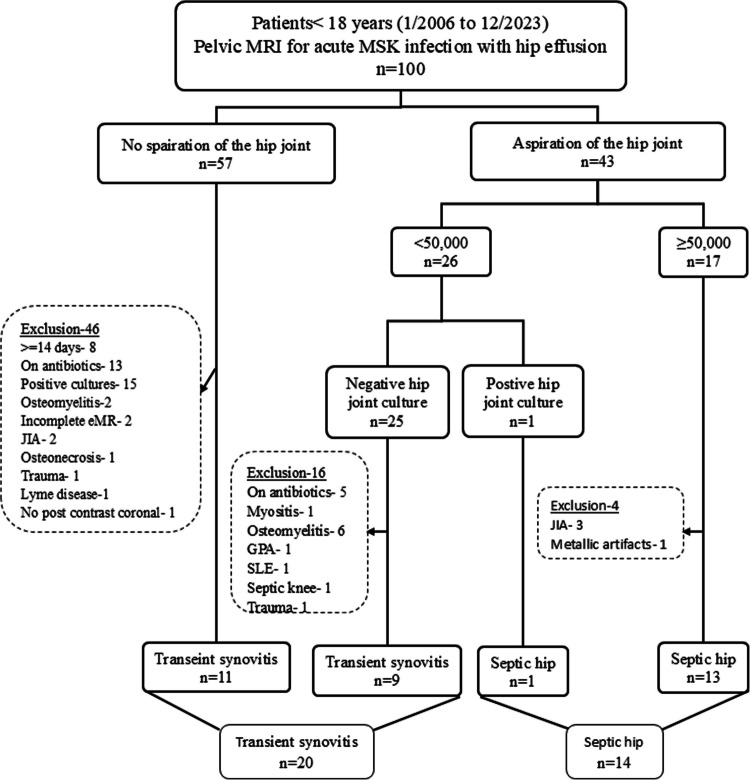 Figure 1
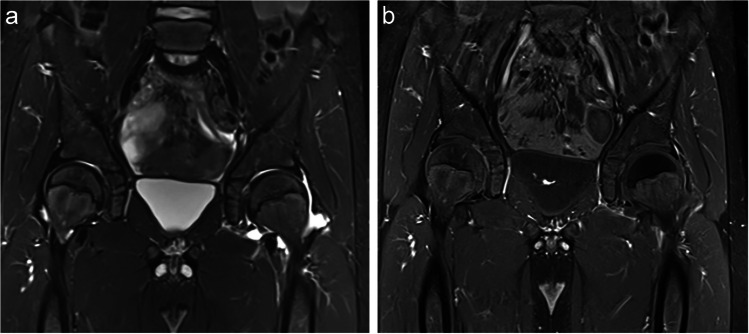 Figure 2
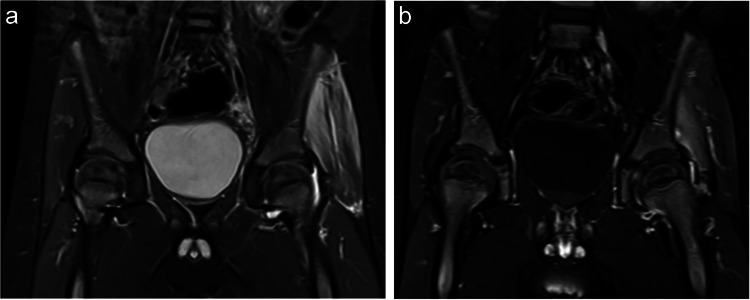 Figure 3
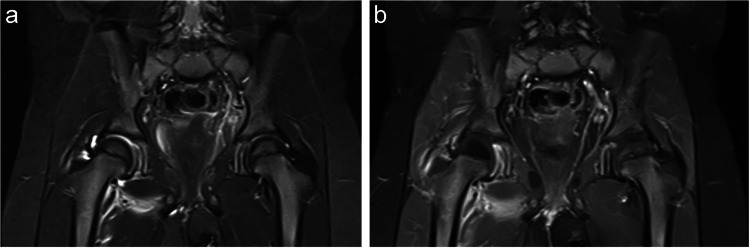 Figure 4
Peer Reviews
No public reviews on file for this paper yet. If you reviewed it on a platform where reviews are public (OpenReview, ICLR, NeurIPS, ICML), you can paste yours below so the community can read it here.
Videos
No videos yet. Explain this paper in a talk, walkthrough, or lecture? Add one.
Taxonomy
TopicsOrthopedic Infections and Treatments · Infectious Diseases and Tuberculosis · Streptococcal Infections and Treatments