Understanding Navon: A detailed structural and conceptual analysis of a basic local–global task
Felix Schweigkofler, Sjoerd Stuit, Johan Wagemans, Tanja Nijboer, Leendert van Maanen, Stefan van der Stigchel

TL;DR
This study analyzes a classic visual task to better understand how people perceive local and global elements in hierarchical figures.
Contribution
The paper provides a detailed analysis of local–global bias metrics and challenges assumptions in the Navon task design.
Findings
Biased precedence and biased interference metrics are independent, showing local–global biases are not a single construct.
Local-to-global and global-to-local interference effects are also independent.
Interference metrics show low reliability, suggesting a need for improved task design.
Abstract
When perceiving visual information, either the local parts or more commonly the global whole can dominate on a perceptual-cognitive level (local/global bias). Using hierarchical figures consisting of smaller local elements forming a larger global shape, researchers have tried to understand how this local–global bias emerges. However, despite extensive research, local–global biases remain an elusive concept (possibly partially due to inadequacies of the task design itself), with implicit assumptions untested and different effect metrics being in use. To provide conceptual clarity, this study presents a detailed description of metrics and effects (content validity) and discusses four major assumptions in the current literature. Where possible, these assumptions are tested on a basic local–global task (the so-called Navon task) across 18 datasets (> 8,000 participants). The metric…
Genes, proteins, chemicals, diseases, species, mutations and cell lines named across the full text — each resolved to its canonical identifier and authoritative record.
Click any figure to enlarge with its caption.
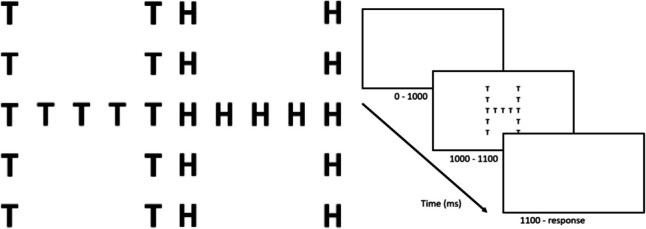 Figure 1
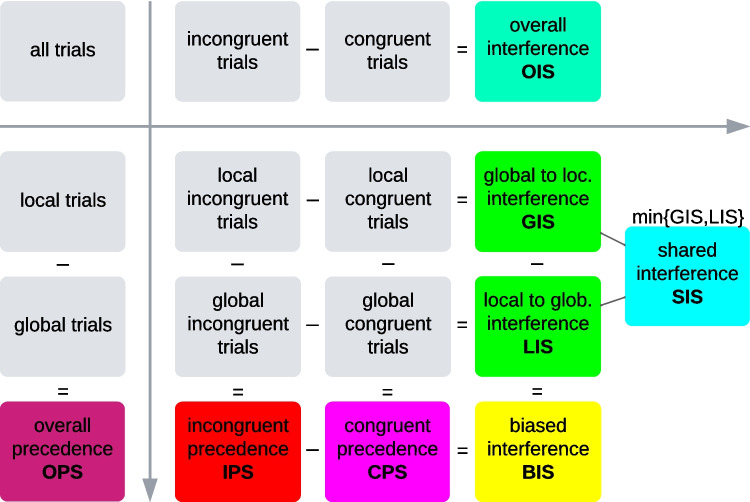 Figure 2
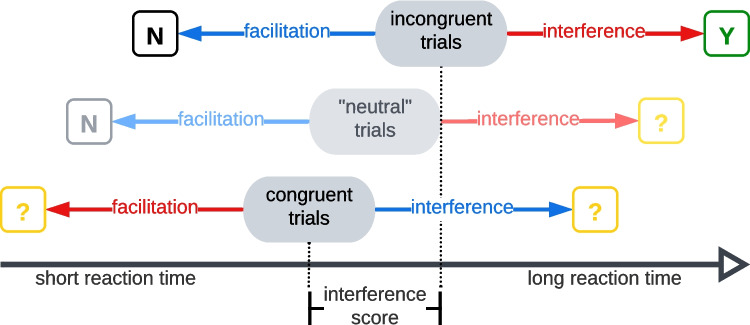 Figure 3
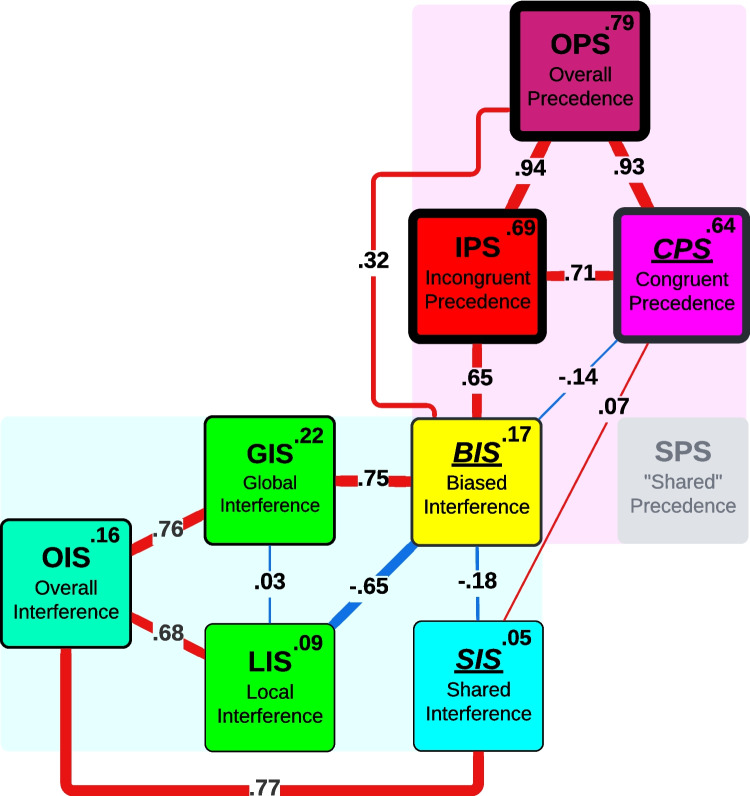 Figure 4
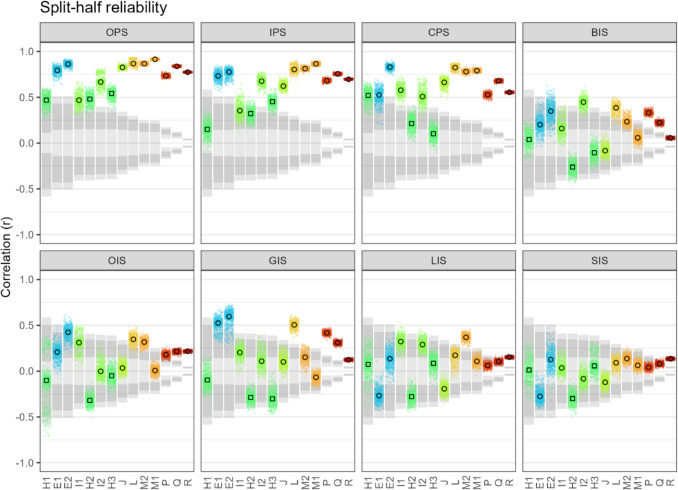 Figure 5
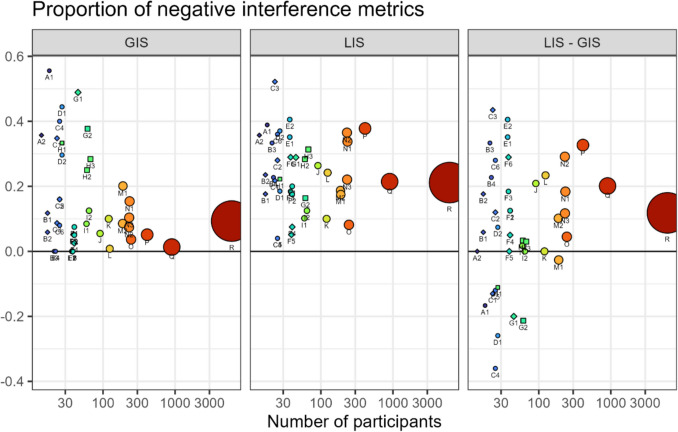 Figure 6
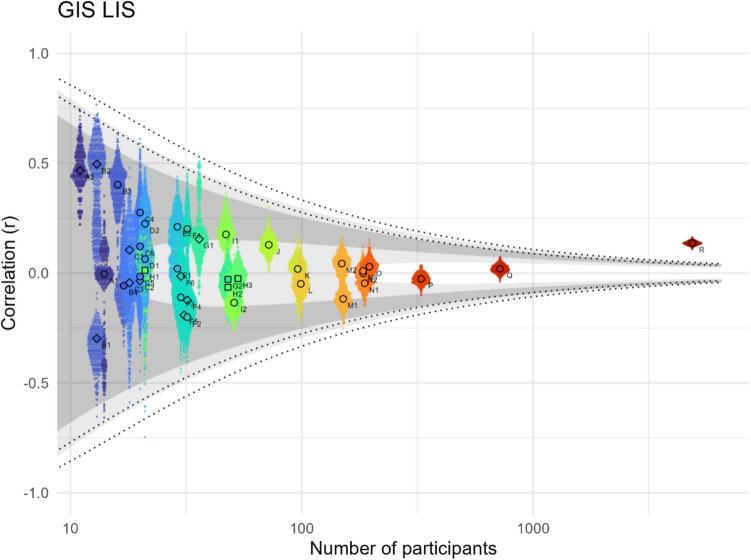 Figure 7
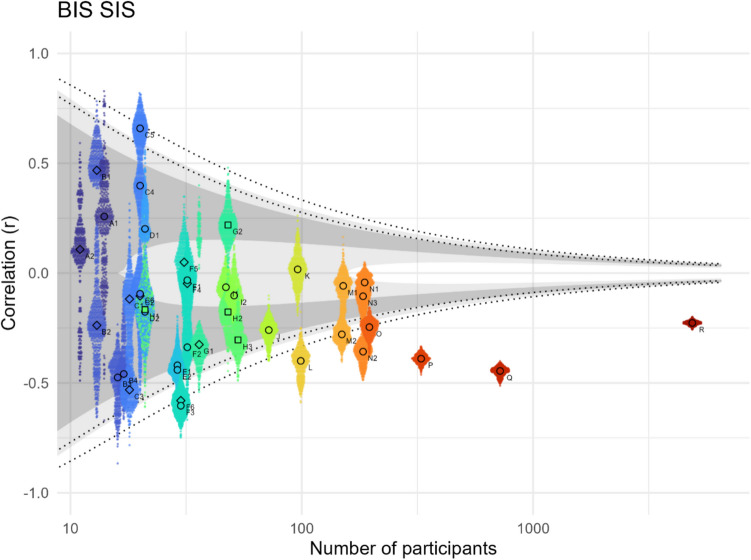 Figure 8
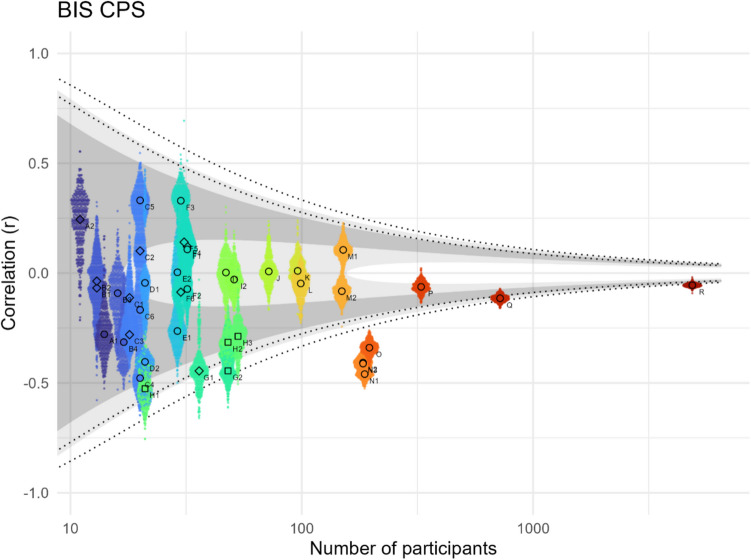 Figure 9
Peer Reviews
No public reviews on file for this paper yet. If you reviewed it on a platform where reviews are public (OpenReview, ICLR, NeurIPS, ICML), you can paste yours below so the community can read it here.
Videos
No videos yet. Explain this paper in a talk, walkthrough, or lecture? Add one.
Taxonomy
TopicsVisual perception and processing mechanisms · Neural and Behavioral Psychology Studies · Face Recognition and Perception