Targeting Tris(2,3-dibromopropyl) Isocyanurate-Induced Inflammation in Hippocampal Neurons In Vitro: Mechanistic Insights and Implications for Neurodegenerative Disease Prevention
Dominika Szlachcikowska, Oliwia Koszła, Przemysław Sołek, Anna Tabęcka-Łonczyńska

TL;DR
This study explores how TBC, an environmental contaminant, harms hippocampal neurons and contributes to neurodegenerative diseases through inflammation and oxidative stress.
Contribution
The study reveals that TBC induces neurotoxicity via NF-κB signaling and oxidative stress pathways in hippocampal neurons.
Findings
TBC at higher concentrations reduces metabolic activity and increases apoptosis markers in hippocampal cells.
TBC modulates NF-κB signaling and induces calcium release, contributing to neuroinflammation.
Antioxidants and Keap1-Nrf2 pathway inhibitors reduce TBC-induced oxidative stress and inflammation.
Abstract
Tris(2,3-dibromopropyl) isocyanurate (TBC) represents an emerging environmental contaminant with potential neurotoxic effects, attributable to its tendency to bioaccumulate and its capacity to traverse the blood–brain barrier. This study investigates the impact of TBC on cellular metabolism, membrane integrity or apoptosis-related caspase activity in mouse hippocampal cells, examining its interaction with key signaling pathways. Our results indicated that while TBC did not exhibit significant cytotoxicity at lower concentrations, prolonged exposure to higher concentrations substantially decreased metabolic activity and increased apoptotic marker activities (caspase-1, -3 and -9). Co-treatment with CAY10464 (AhR antagonist), GW9662 (PPARγ antagonist) and honokiol (NF-κB inhibitor) revealed that TBC significantly modulated NF-κB signaling, with notable reductions in AhR and IκBα protein…
Genes, proteins, chemicals, diseases, species, mutations and cell lines named across the full text — each resolved to its canonical identifier and authoritative record.
Click any figure to enlarge with its caption.
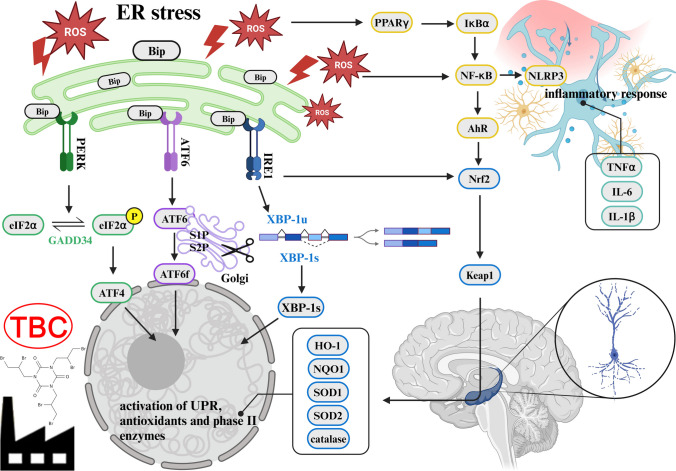 Figure 10
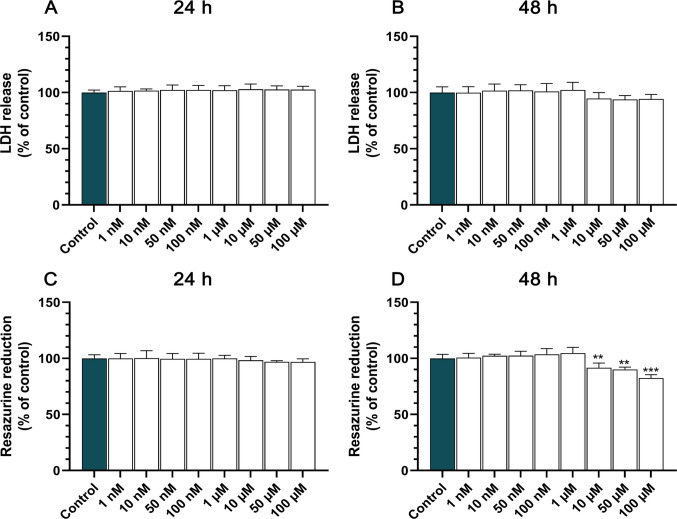 Figure 1
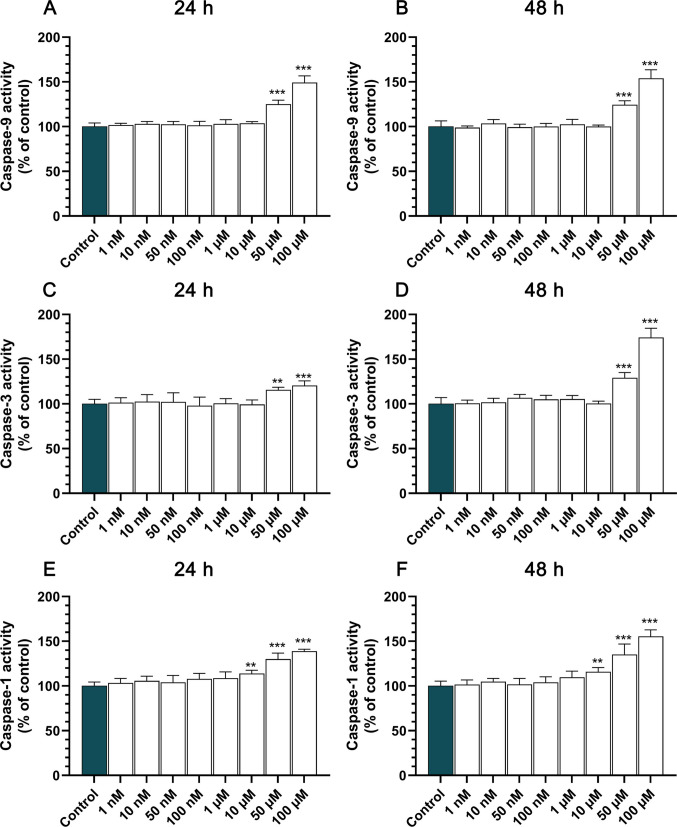 Figure 2
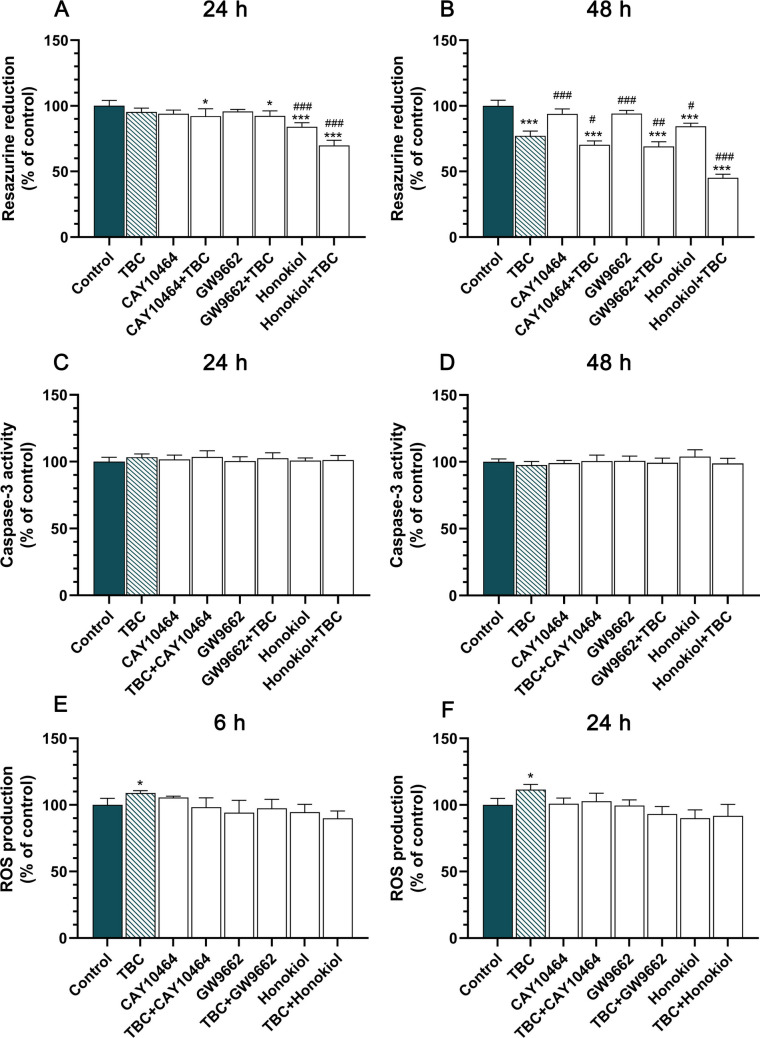 Figure 3
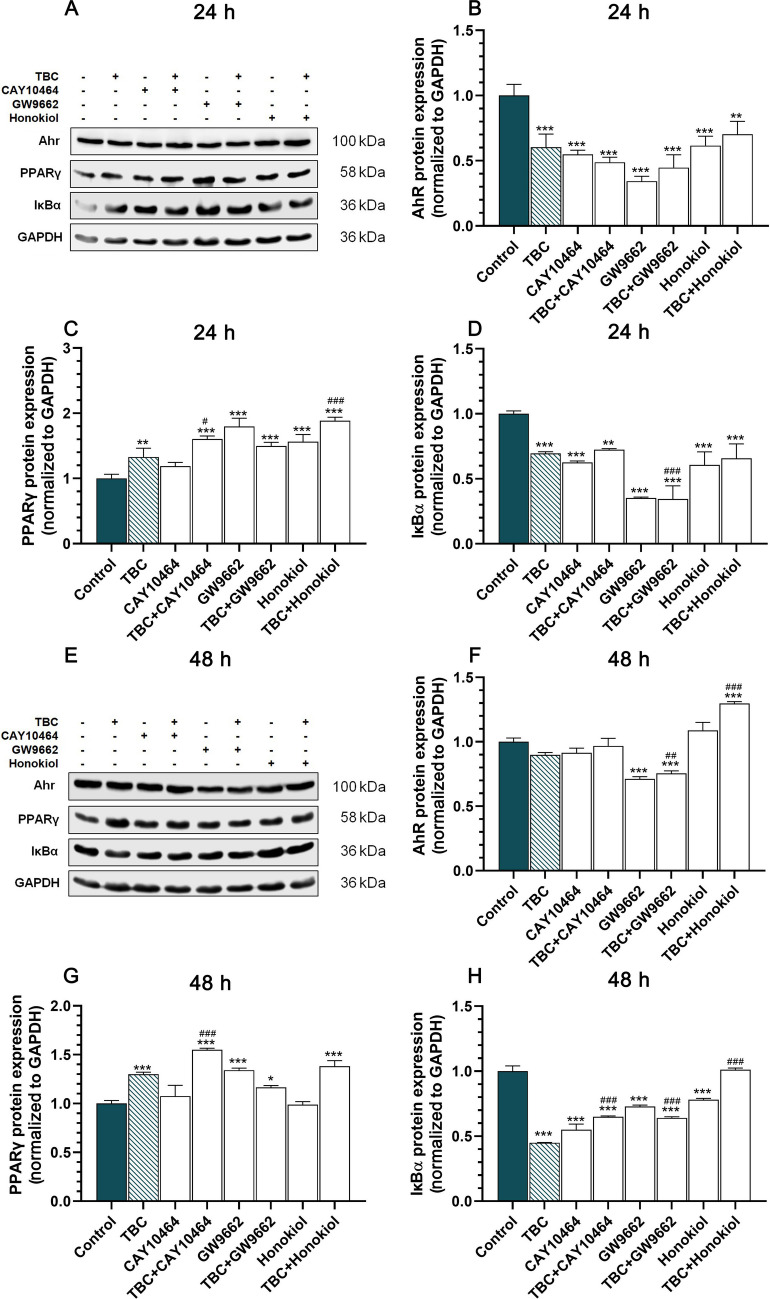 Figure 4
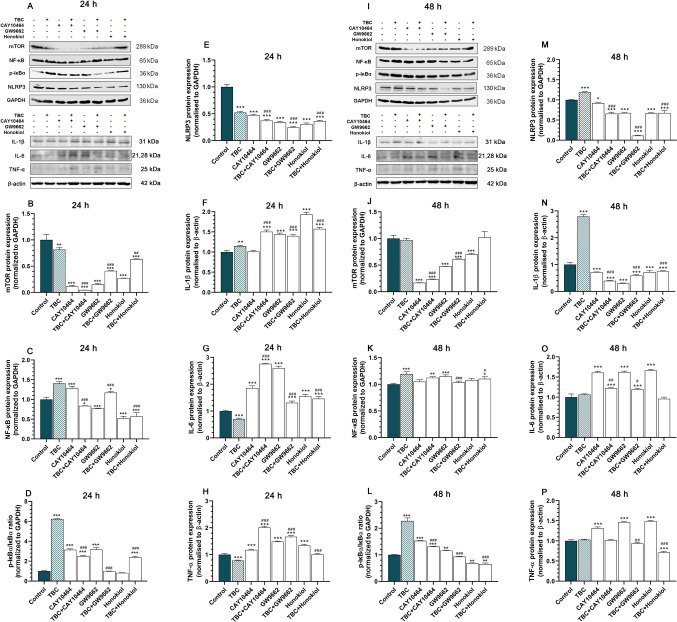 Figure 5
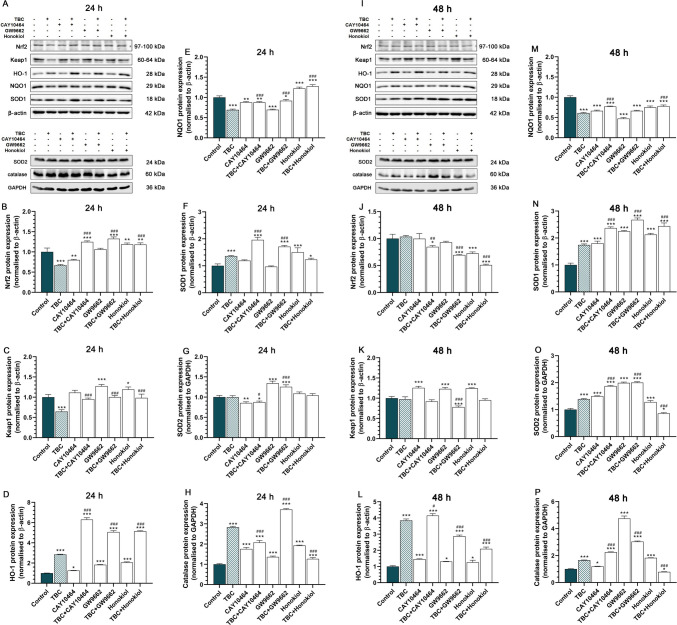 Figure 6
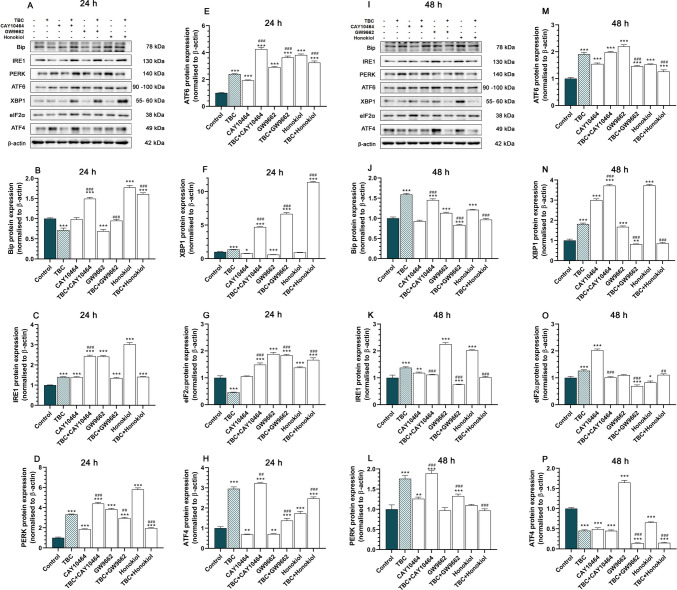 Figure 7
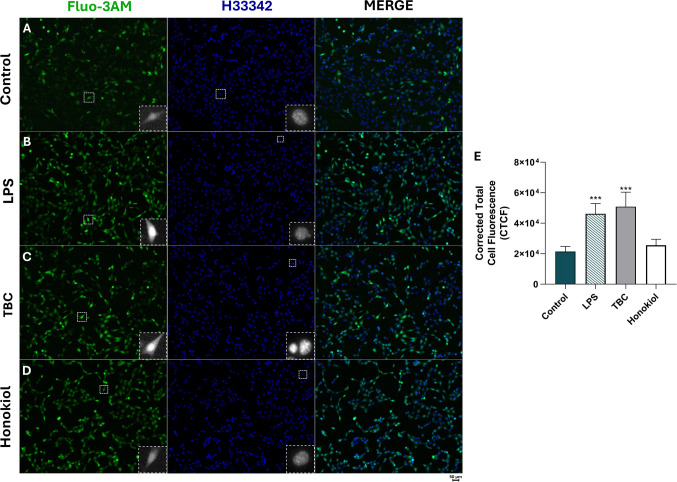 Figure 8
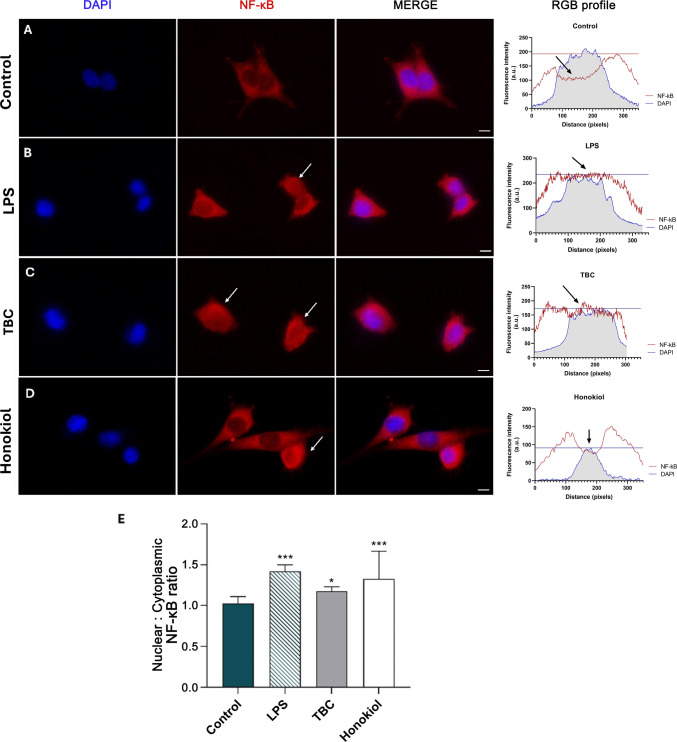 Figure 9
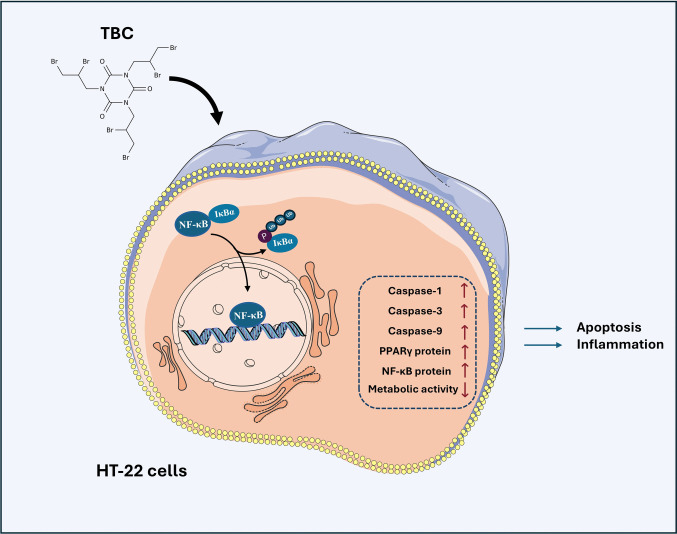 Figure 11
Peer Reviews
No public reviews on file for this paper yet. If you reviewed it on a platform where reviews are public (OpenReview, ICLR, NeurIPS, ICML), you can paste yours below so the community can read it here.
Videos
No videos yet. Explain this paper in a talk, walkthrough, or lecture? Add one.
Taxonomy
TopicsGenomics, phytochemicals, and oxidative stress · Carcinogens and Genotoxicity Assessment · Curcumin's Biomedical Applications