Proteomic Profiling Reveals Mitochondrial Dysregulation in Rapidly Progressive Alzheimer’s: Role of DLDH in Amyloid Beta Aggregation
Saima Zafar, Aneeqa Noor, Neelam Younas, Mohsin Shafiq, Kathrin Dittmar, Oleksandr Yagensky, Matthias Schmitz, Isidre Ferrer, Peter Hermann, Inga Zerr

TL;DR
This study finds that mitochondrial dysfunction, particularly involving the protein DLDH, is linked to rapid progression in Alzheimer’s disease.
Contribution
The study identifies DLDH as a novel player in amyloid beta aggregation and rapid Alzheimer’s progression.
Findings
79 proteins were differentially regulated in rapidly progressive Alzheimer’s compared to controls and sporadic cases.
Mitochondrial dysfunction and glucose metabolism issues were prominent in rapidly progressive Alzheimer’s.
DLDH levels and localization were altered in rapidly progressive Alzheimer’s and may influence amyloid beta aggregation.
Abstract
Alzheimer’s disease (AD) is presented as multiple clinical variants depending upon the rate of progression and familial background; however, the exact molecular mechanisms associated with these subtypes and their treatments are yet to be understood. The current study is based on a global proteome analysis of brain samples from patients (n = 38) with rapidly progressive AD (rpAD—survival time < 3 years), sporadic AD (spAD—survival time of 8–10 years), and healthy controls. Proteome analysis revealed a differential regulation of 79 proteins and highlighted the dysregulation of mitochondrial machinery and glucose metabolism in rpAD. Dihydrolipoamide dehydrogenase (DLDH), a mitochondrial oxidoreductase, showed a significant reduction and delocalization in rpAD. In vitro analysis revealed a potential role of DLDH in the aggregation of amyloid beta. Rapid progression in AD may be influenced…
Genes, proteins, chemicals, diseases, species, mutations and cell lines named across the full text — each resolved to its canonical identifier and authoritative record.
Click any figure to enlarge with its caption.
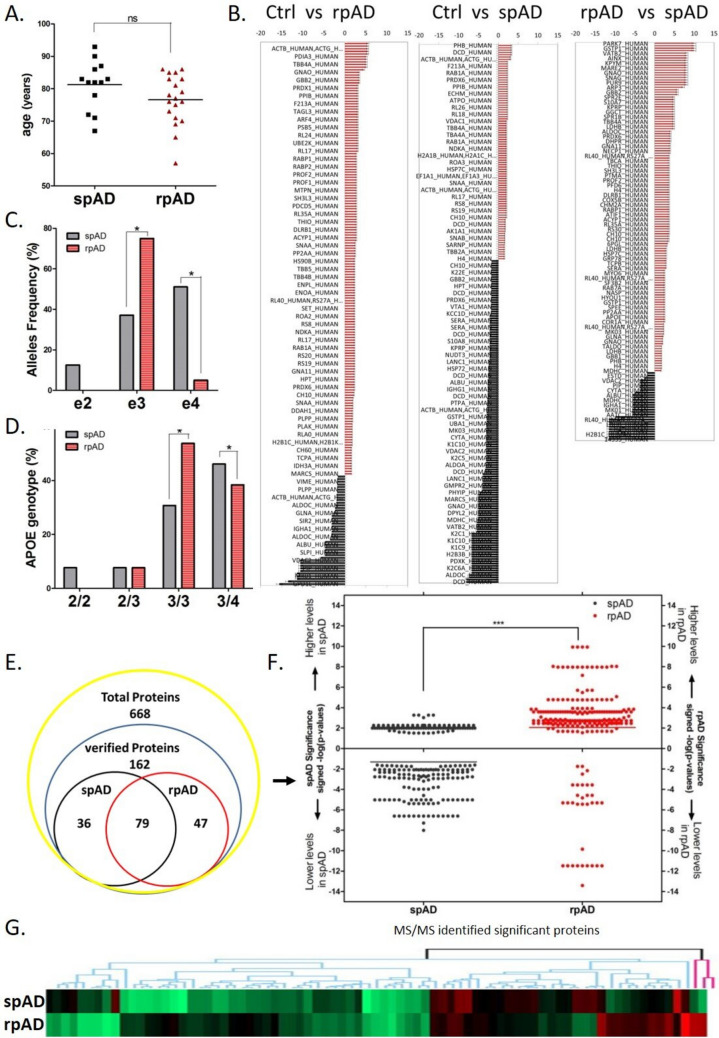 Figure 1
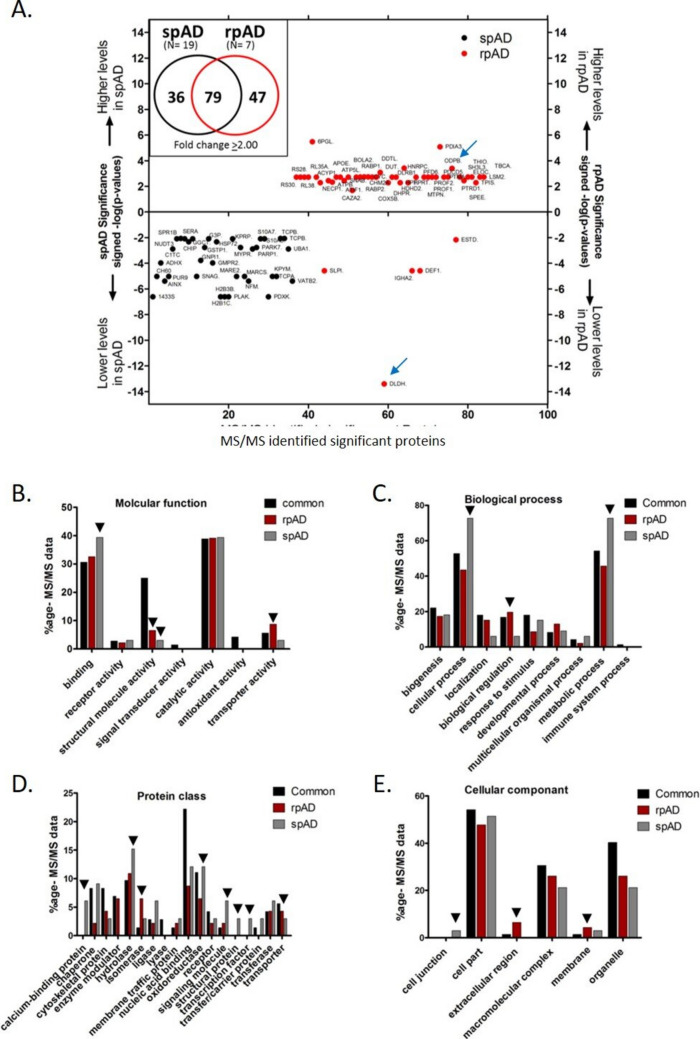 Figure 2
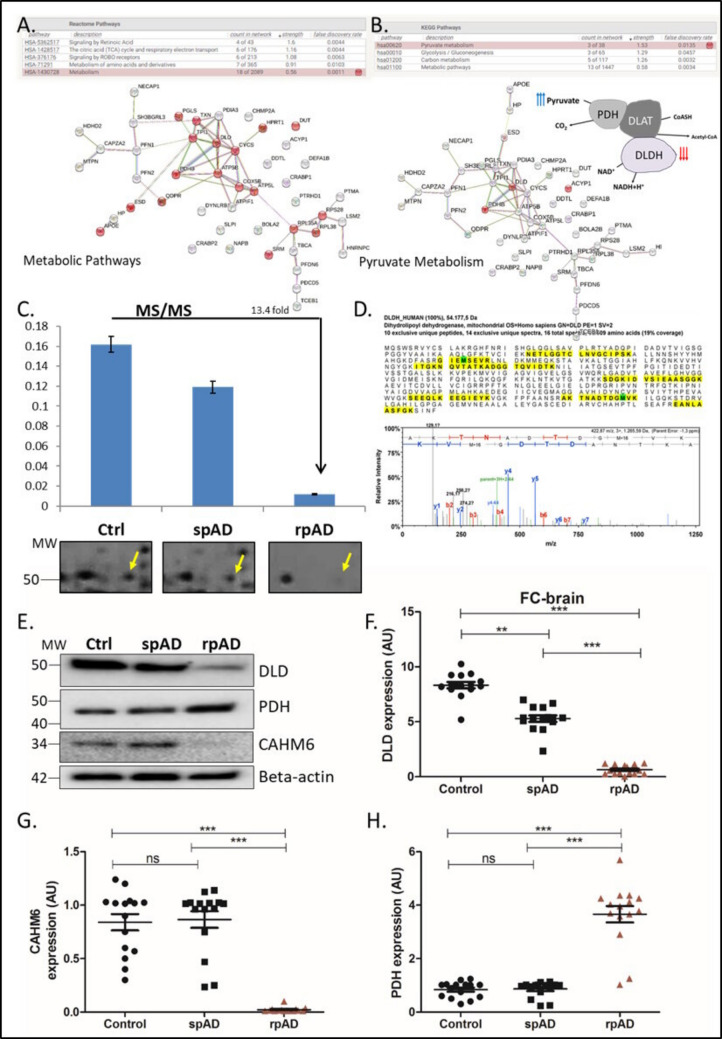 Figure 3
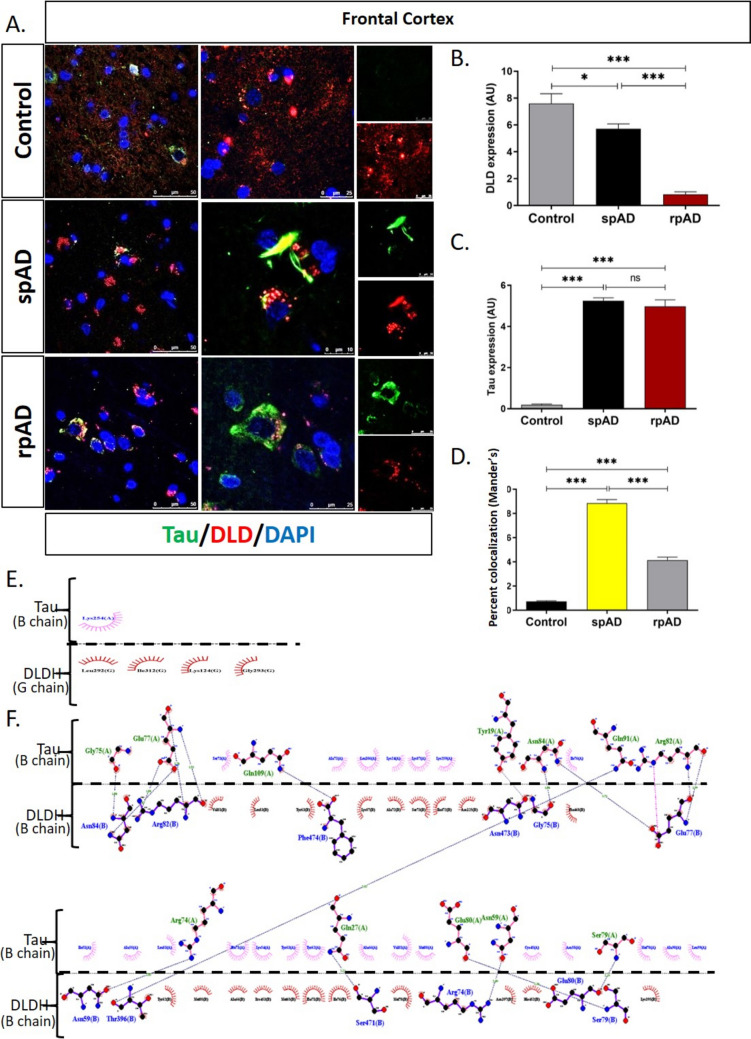 Figure 4
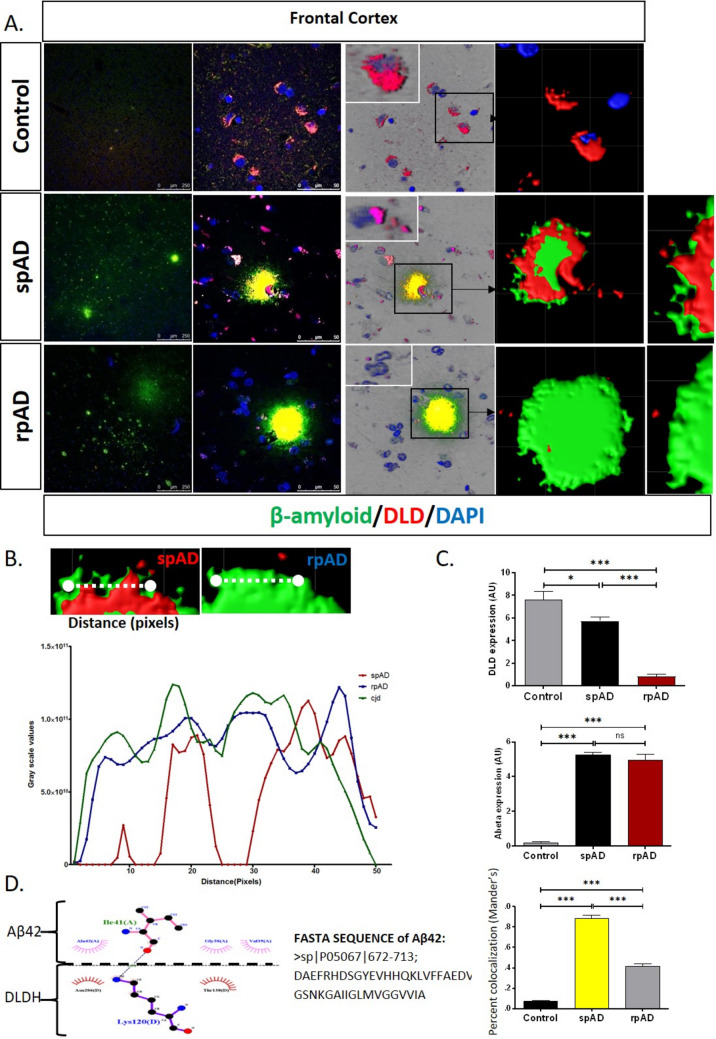 Figure 5
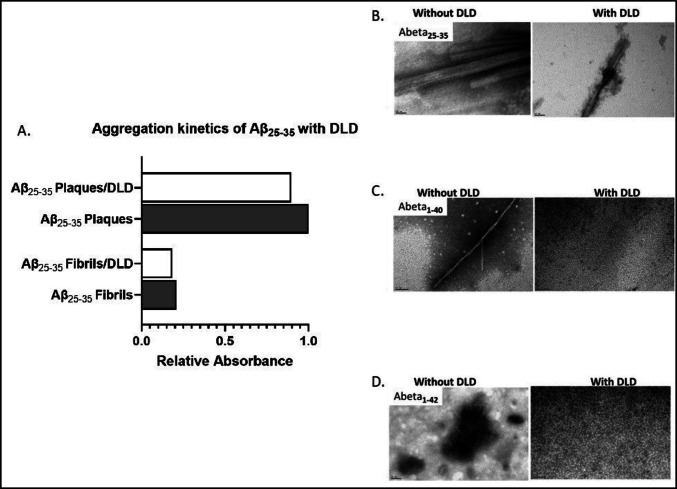 Figure 6
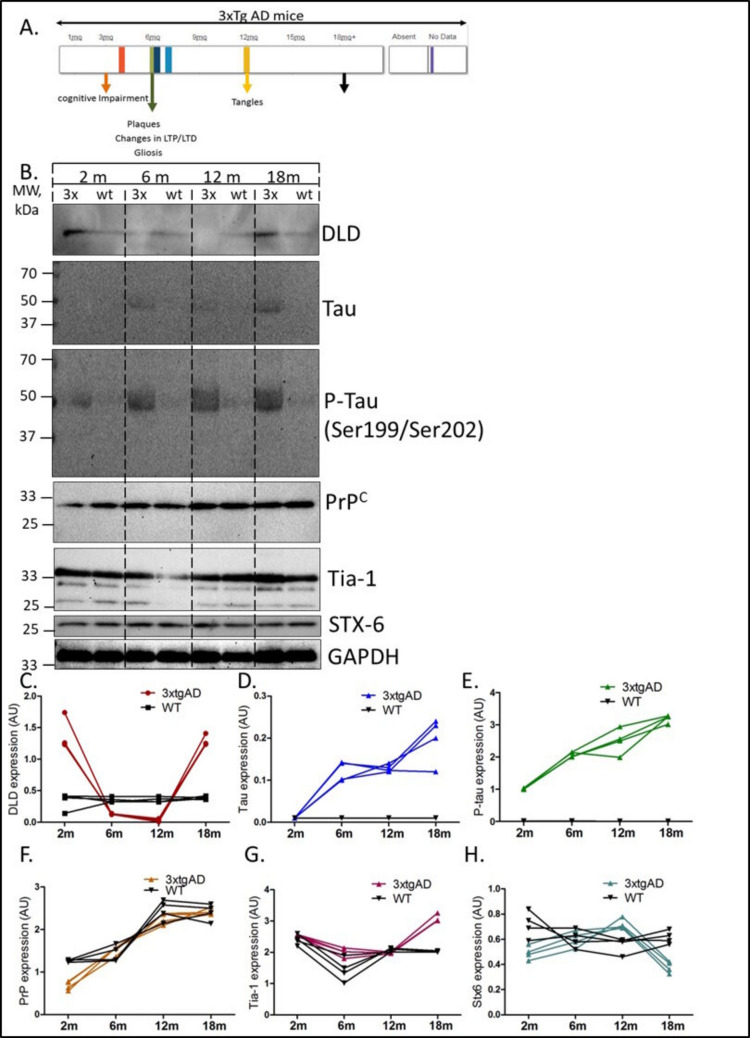 Figure 7
Peer Reviews
No public reviews on file for this paper yet. If you reviewed it on a platform where reviews are public (OpenReview, ICLR, NeurIPS, ICML), you can paste yours below so the community can read it here.
Videos
No videos yet. Explain this paper in a talk, walkthrough, or lecture? Add one.
Taxonomy
TopicsBiochemical Acid Research Studies · Metabolism and Genetic Disorders · Alcoholism and Thiamine Deficiency