Neuroprotective effects of Chlorella vulgaris loaded niosomes via SIRT1 activation in aluminum chloride-induced Alzheimer’s model
Rania A. Radi, Mohamed A. Kandeil, Eman T. Mohammed, Marwa A. Ibrahim, Amr Gamal, Abdel-Razik H. Abdel-Razik, Fatma Khalil, Dina Sabry

TL;DR
This study shows that Chlorella vulgaris, delivered via niosomes, protects against aluminum-induced Alzheimer's-like damage in rats by activating a key brain protein pathway.
Contribution
The novel contribution is demonstrating the neuroprotective efficacy of Chlorella vulgaris-loaded niosomes in an aluminum-induced Alzheimer’s model via SIRT1/miRNA-134/GSK3β modulation.
Findings
CV-loaded niosomes improved oxidative stress, behavioral deficits, and neurotransmitter dysfunction in AlCl3-exposed rats.
CV formulations activated SIRT1, downregulated miRNA-134, and increased BDNF expression, enhancing neuronal survival.
CV reduced Tau hyperphosphorylation, Aβ accumulation, neuroinflammation, and apoptosis in the rat model.
Abstract
Aluminum exposure is linked to the development of many neurodegenerative disorders including Alzheimer’s disease (AD), by disrupting molecular and cellular homeostasis in the brain. Chlorella vulgaris (CV), a green microalga, is reported to have antioxidant, anti-inflammatory, and neuroprotective properties. However, their role on Aluminum chloride (AlCl3)-induced AD and amyloid β (Aβ) clearance has not yet been fully elucidated. This research aimed to investigate the protective effectiveness of CV-loaded niosome (CV-LN) as a drug delivery system, in comparison to free form, against AlCl3-induced Alzheimer’s-like neurodegeneration in rats with special emphasis on SIRT1/miRNA-134/GSK3β axis. A niosomal formulation of Span 60, and cholesterol was chosen as an optimum formulation. Administration of CV or CV-LN dramatically improves the impaired oxidative markers, behavioral deficits,…
Genes, proteins, chemicals, diseases, species, mutations and cell lines named across the full text — each resolved to its canonical identifier and authoritative record.
Click any figure to enlarge with its caption.
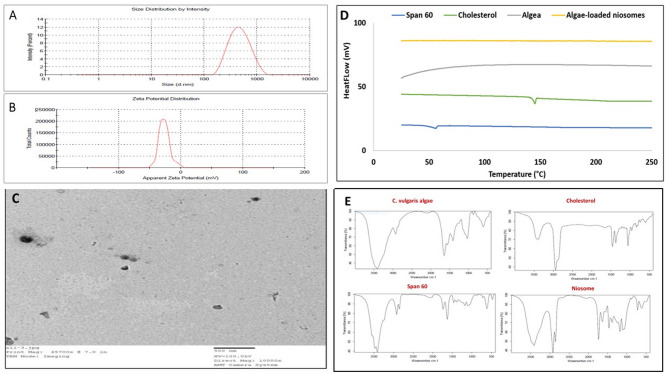 Figure 1
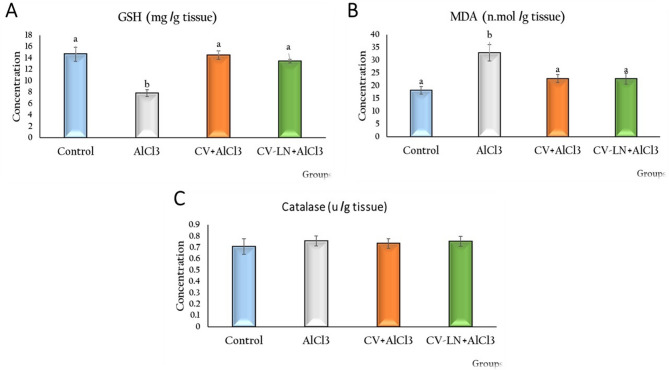 Figure 2
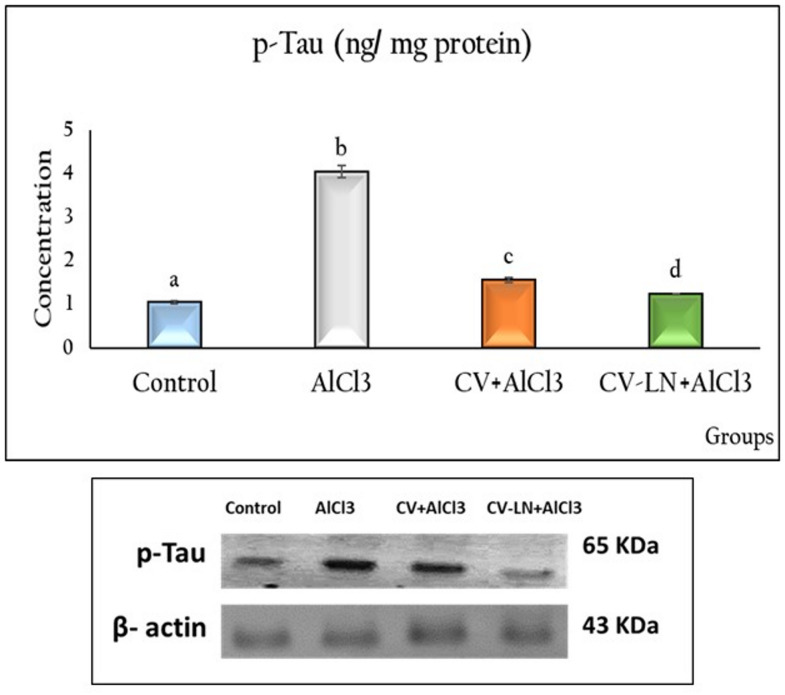 Figure 3
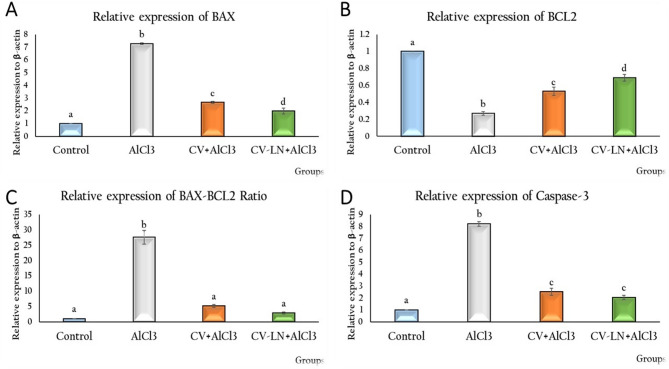 Figure 4
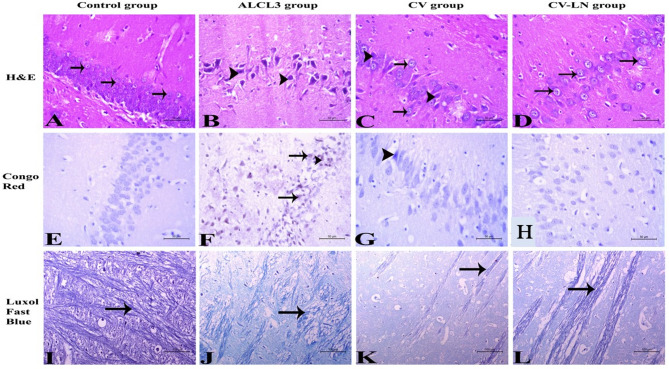 Figure 5
Peer Reviews
No public reviews on file for this paper yet. If you reviewed it on a platform where reviews are public (OpenReview, ICLR, NeurIPS, ICML), you can paste yours below so the community can read it here.
Videos
No videos yet. Explain this paper in a talk, walkthrough, or lecture? Add one.
Taxonomy
TopicsAluminum toxicity and tolerance in plants and animals · Alzheimer's disease research and treatments · Neurogenesis and neuroplasticity mechanisms