Higher PEEP reduces duration of mechanical ventilation in neonatal respiratory distress syndrome of late preterm and term newborn infants
Tao Ning, Qiong Xue, Pingli Wang, Xudong Zhang, Xiaoxue Shan, Liuqing Yang, Mei Yuan, Chang Dong, Song Liu, Suyue Zhu, Huaiyu Yan

TL;DR
Using higher PEEP in ventilating late preterm and term infants with respiratory distress reduces ventilation and hospital time without increasing complications.
Contribution
Demonstrates that higher PEEP improves outcomes in neonatal respiratory distress syndrome treatment.
Findings
Higher PEEP reduced mechanical ventilation duration (P=0.008) and oxygen inhalation (P=0.002).
Higher PEEP lowered FiO2 (P=0.001) and oxygenation index (P=0.048) at 24 hours.
Higher PEEP shortened hospitalization duration (P=0.033) without increasing complications.
Abstract
Mechanical ventilation was frequently conducted in late preterm and term newborn infants because of their severity of neonatal respiratory distress syndrome (NRDS), but the level of positive end expiratory pressure (PEEP) used was not explicit. This study aimed to investigate the efficacy and safety of higher-PEEP in the treatment of NRDS in these infants. Initially, 80 newborn late preterm and term infants diagnosed with NRDS were enrolled, a total of 26 infants were excluded because they were not within the gestational age range of 34+ 0 to 39+ 6 weeks or did not receive mechanical ventilation. Of 54 eligible infants, 6 were excluded: 3 for pre-existing pneumothorax before mechanical ventilation, 1 for hospital transfer, 1 for withdrawal of treatment, and 1 for misdiagnosis with transient tachypnea. Ultimately, 48 infants remained. Following a simple randomization procedure, 23 were…
Genes, proteins, chemicals, diseases, species, mutations and cell lines named across the full text — each resolved to its canonical identifier and authoritative record.
Click any figure to enlarge with its caption.
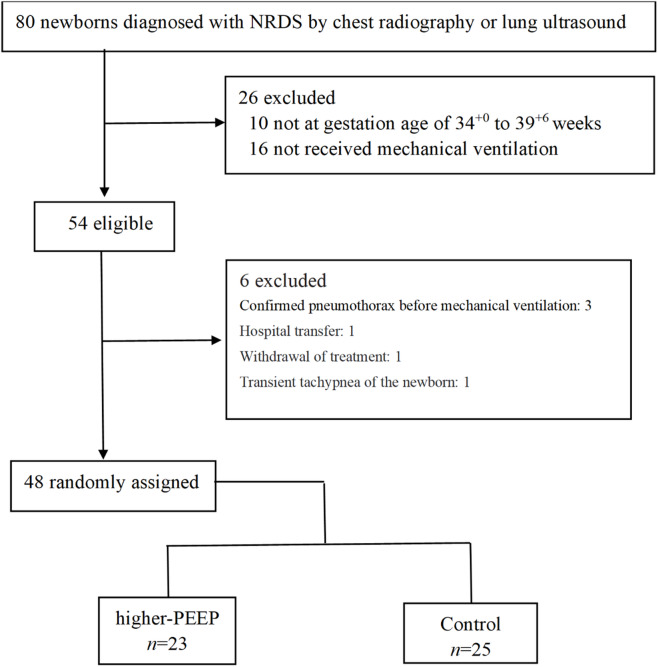 Figure 1
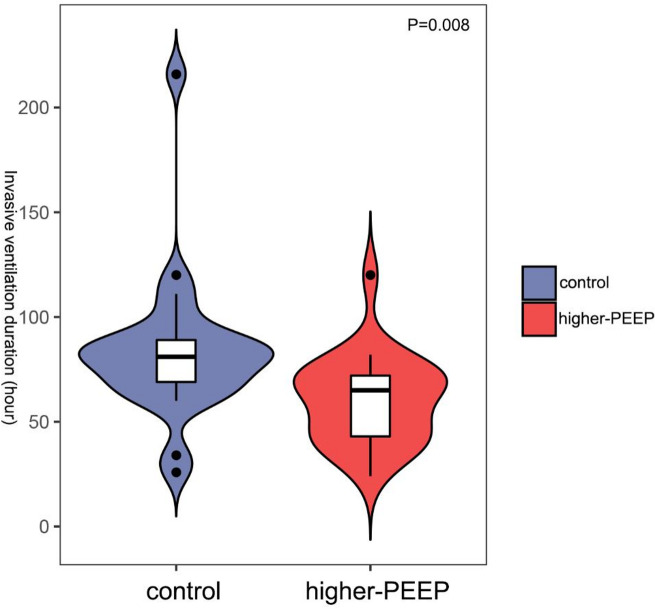 Figure 2
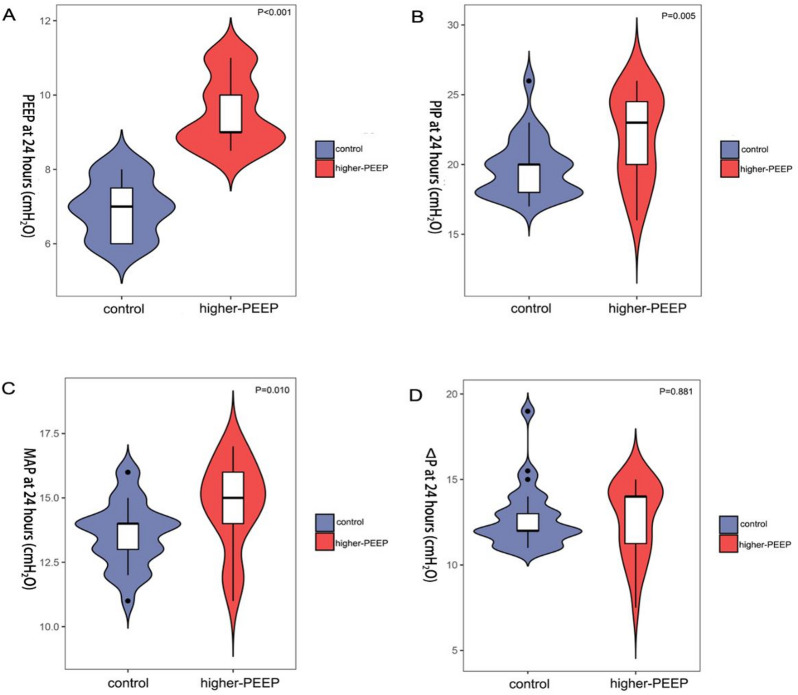 Figure 3
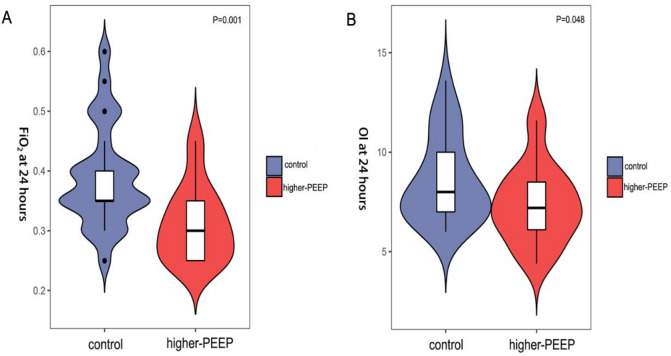 Figure 4
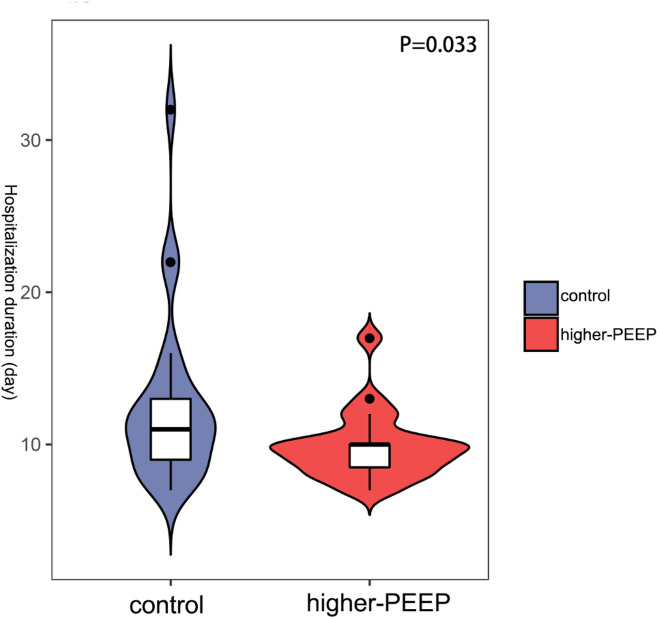 Figure 5
Peer Reviews
No public reviews on file for this paper yet. If you reviewed it on a platform where reviews are public (OpenReview, ICLR, NeurIPS, ICML), you can paste yours below so the community can read it here.
Videos
No videos yet. Explain this paper in a talk, walkthrough, or lecture? Add one.
Taxonomy
TopicsNeonatal Respiratory Health Research · Respiratory Support and Mechanisms · Cardiovascular Conditions and Treatments