Bioinformatics insights into TMPO-AS1–let-7b-5p–ESPL1/E2F8 regulatory axis in breast cancer
Rajeev Nema, Prerna Vats, Aditi Singh, Jaya Thilakan, Swagata Brahmachari, Pallavi Kulkarni, Bhavika Baweja, Chainsee Saini, Sudhir K. Goel, Neha Arya, Ashok Kumar

TL;DR
This study explores how the ESPL1 gene is overexpressed in breast cancer and how it interacts with other molecules to drive tumor growth and poor patient outcomes.
Contribution
The paper identifies a novel regulatory axis involving TMPO-AS1, let-7b-5p, and ESPL1/E2F8 in breast cancer progression.
Findings
ESPL1 is significantly overexpressed in breast cancer tumors and is linked to worse survival outcomes.
ESPL1 and E2F8 are upregulated in ER-negative and PR-negative breast cancer patients.
TMPO-AS1 sponges let-7b-5p, leading to increased ESPL1 expression and tumor progression.
Abstract
Breast cancer (BC) is the most frequently diagnosed malignancy in women, contributing to high morbidity and mortality rates. Dysregulation of Extra Spindle Pole Bodies Like 1 (ESPL1), a mitotic regulator essential for chromosomal segregation, is frequently upregulated in cancers. However, the mechanisms underlying ESPL1 overexpression and its prognostic relevance in BC remain unclear. The study performed the data mining of The Cancer Genome Atlas (TCGA) using various web-based computational tools, including TIMER 2.0, UALCAN, FIREHOSE, TISIDB, GEPIA2, OncoDB, TCGA Portal, TCGAnalyzeR v1.0, bc-GenExMiner v5.0, TNMplot, and DriverDBv4 to compare ESPL1 expression in tumor vs. normal tissues across pan-cancer and BC subtypes. The Kaplan-Meier (KM) Plotter database was used to determine the association between ESPL1 expression and the survival outcomes of BC patients. miRNet, TACCO, and…
Genes, proteins, chemicals, diseases, species, mutations and cell lines named across the full text — each resolved to its canonical identifier and authoritative record.
Click any figure to enlarge with its caption.
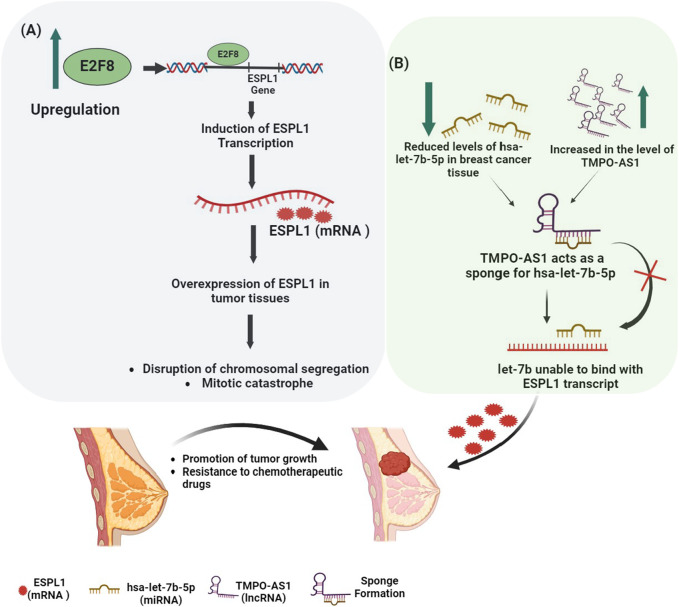 Figure 1
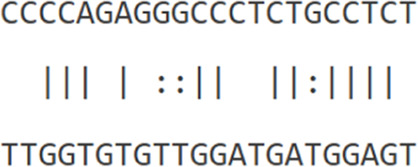 Figure 2
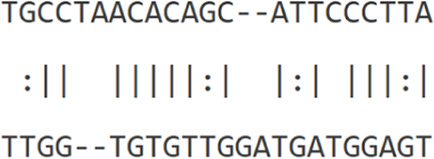 Figure 3
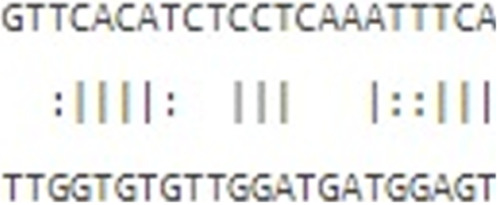 Figure 4
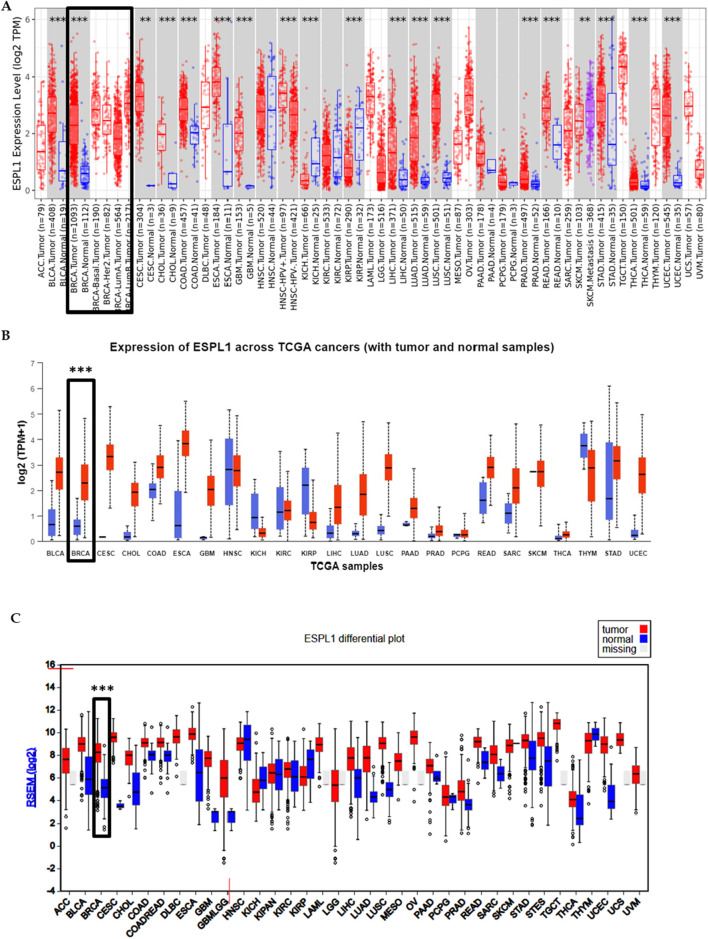 Figure 5
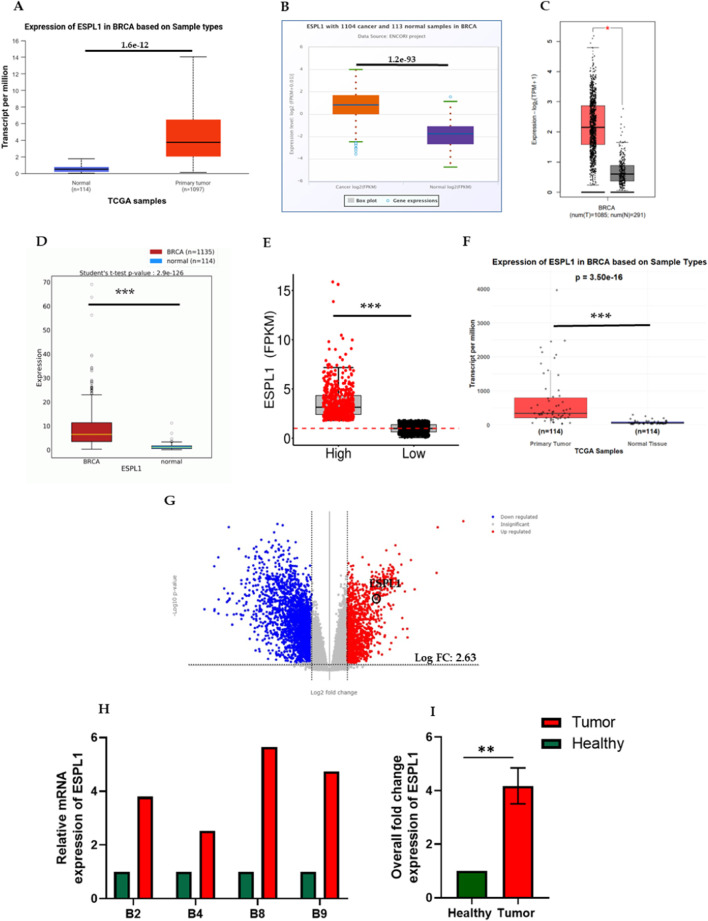 Figure 6
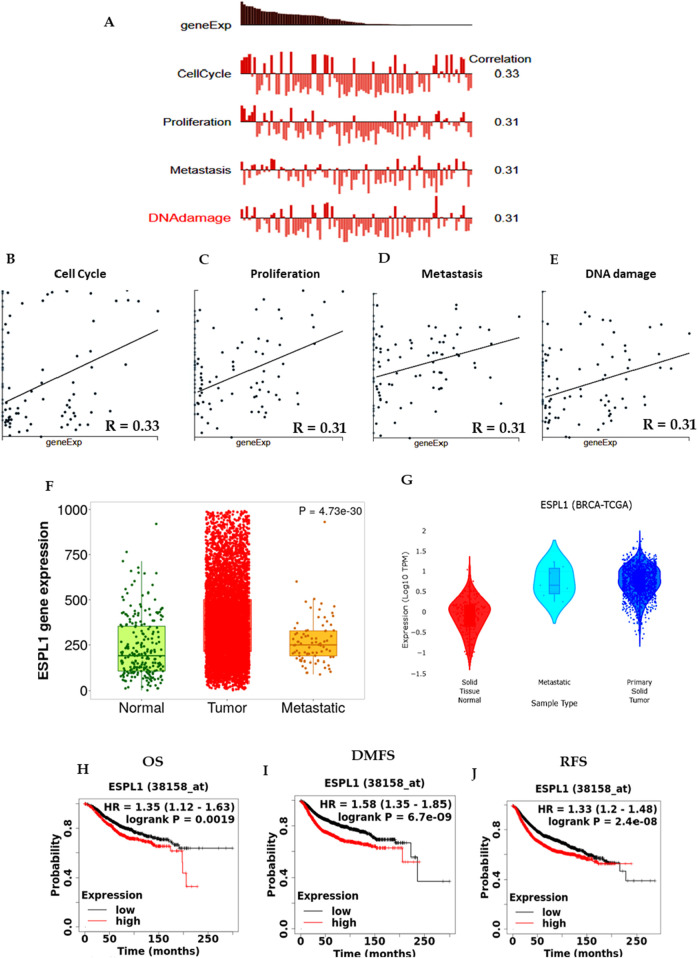 Figure 7
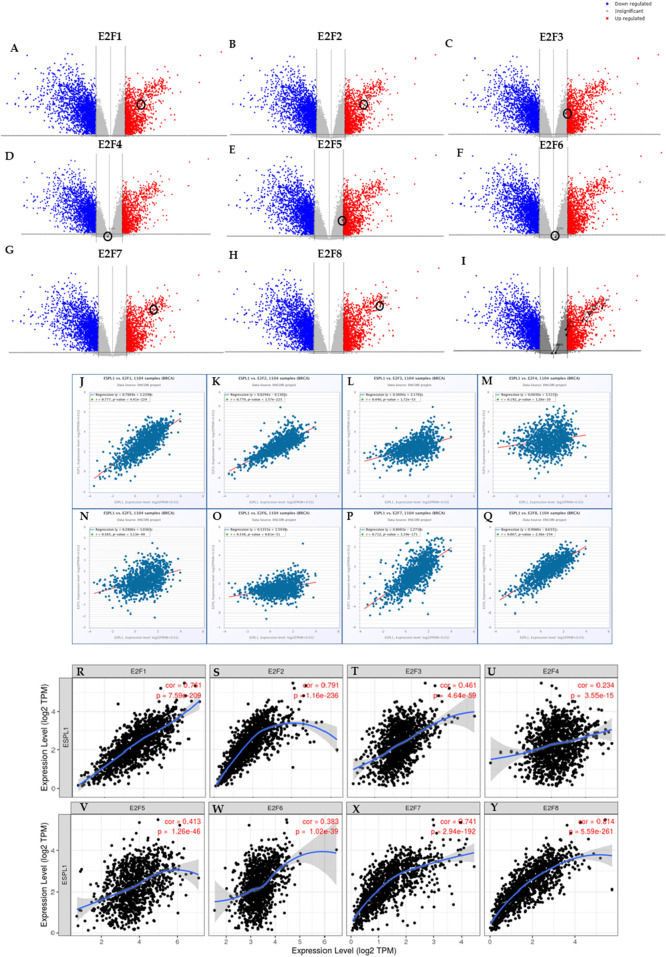 Figure 8
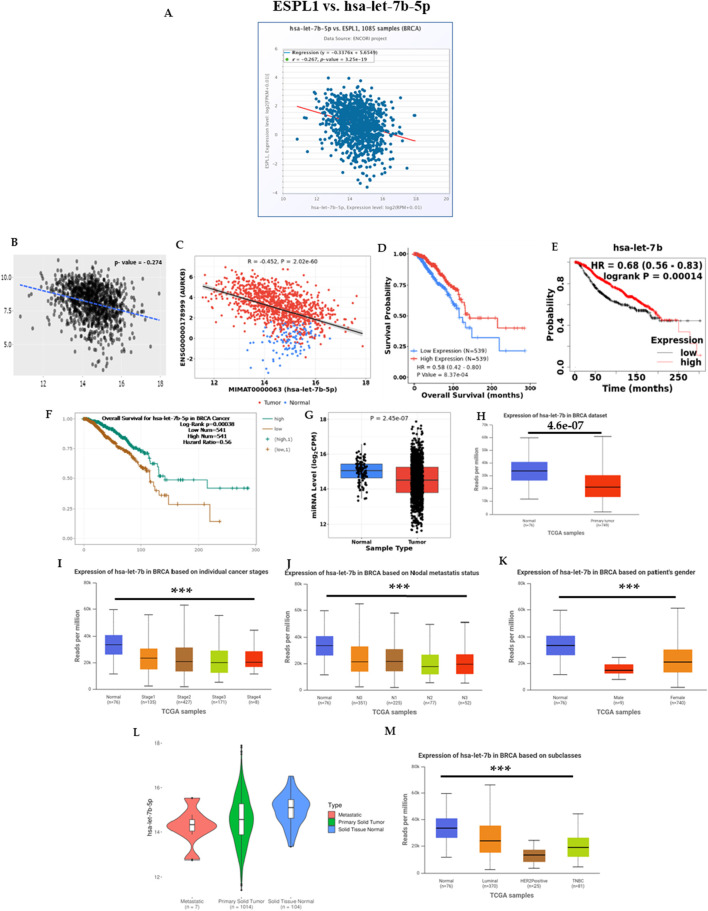 Figure 9
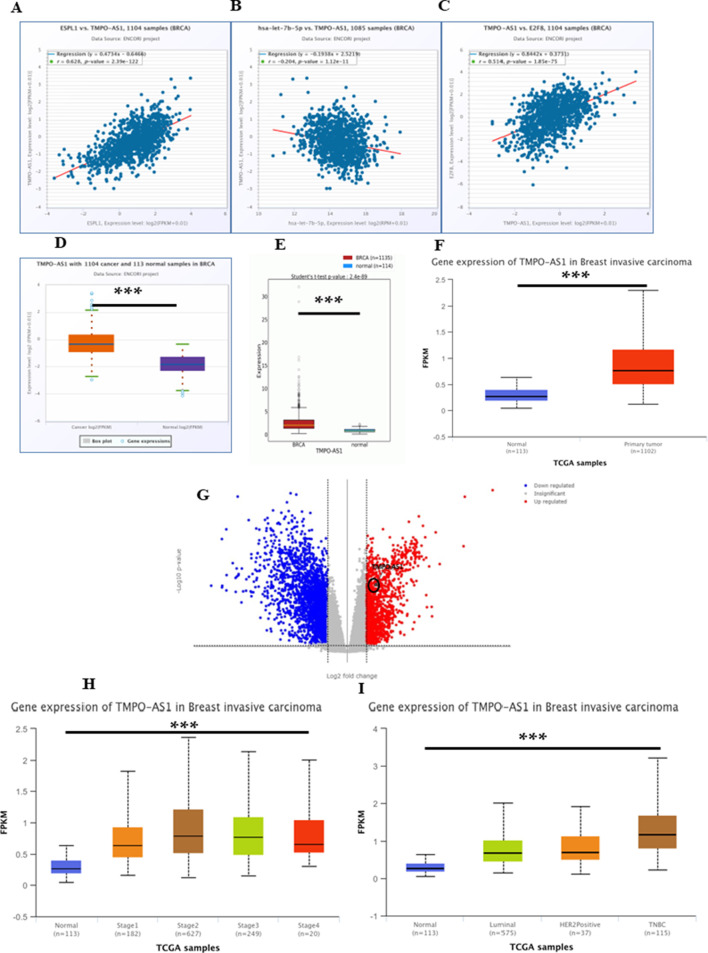 Figure 10
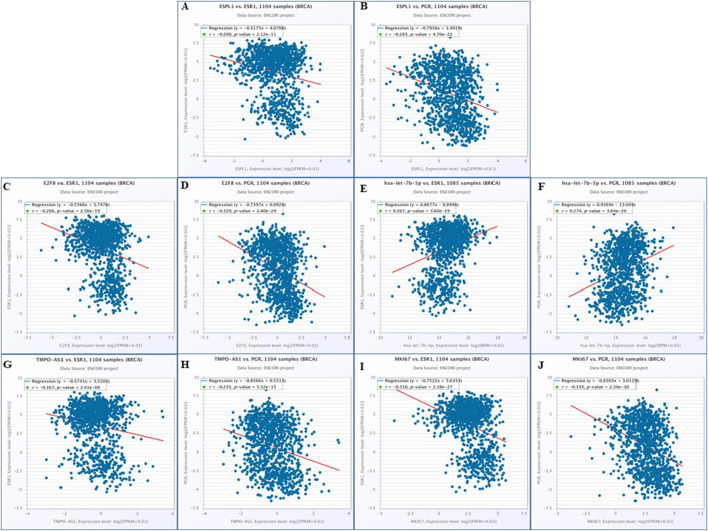 Figure 11
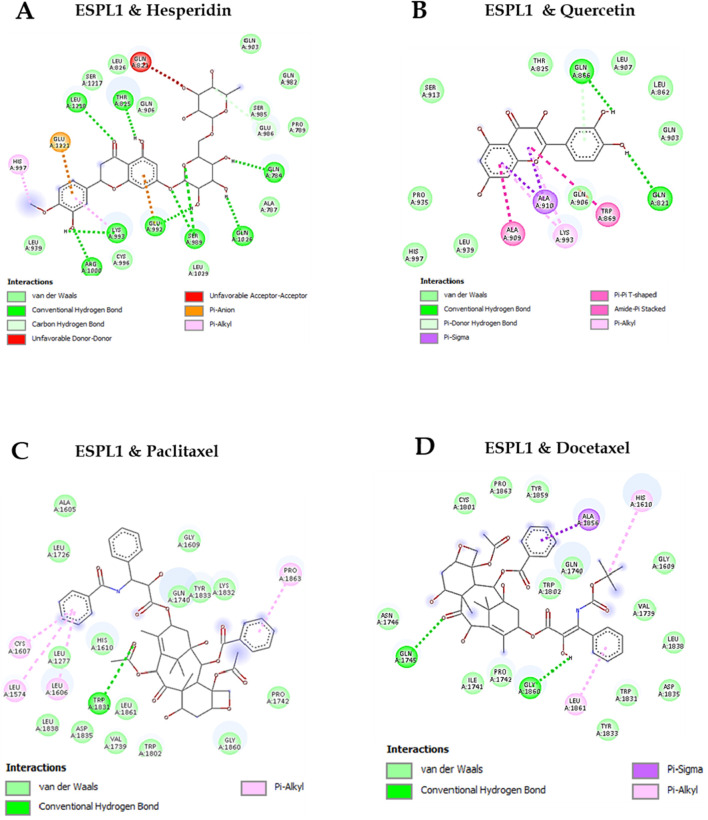 Figure 12
Peer Reviews
No public reviews on file for this paper yet. If you reviewed it on a platform where reviews are public (OpenReview, ICLR, NeurIPS, ICML), you can paste yours below so the community can read it here.
Videos
No videos yet. Explain this paper in a talk, walkthrough, or lecture? Add one.
Taxonomy
TopicsProtein Kinase Regulation and GTPase Signaling · Cancer-related molecular mechanisms research · Wnt/β-catenin signaling in development and cancer