Antibodies and cryptographic hash functions: quantifying the specificity paradox
Robert J. Petrella

TL;DR
This paper explains how antibodies can be both highly specific and multispecific, similar to cryptographic hash functions, using mathematical models.
Contribution
The paper introduces a novel analogy between antibody behavior and cryptographic hash functions to explain immune specificity and degeneracy.
Findings
Antibodies achieve high specificity and degeneracy by decoupling these properties, similar to secure hash algorithms.
Mathematical models show how new antibodies avoid cross-reactivity with self-antigens despite multispecificity.
Polyclonal binding likely enhances the overall specificity of the immune response.
Abstract
The specificity of the immune response is critical to its biological function, yet the generality of immune recognition implies that antibody binding is multispecific or degenerate. The current work explores and quantifies this paradox through a systems analysis approach that incorporates set theoretic ideas and an application of structural and statistical modeling to prior experimental immunological and biochemical data. Order-of-magnitude estimates are computed for the average degeneracies and specificities of antibodies and epitopes using a chemico-spatial model for epitope diversity and a binary model for antibody-antigen binding. The results illustrate and quantify how the humoral immune system achieves both high specificity and high degeneracy simultaneously by effectively decoupling the two properties, similarly to programs in cryptography called secure hash algorithms (SHAs),…
Genes, proteins, chemicals, diseases, species, mutations and cell lines named across the full text — each resolved to its canonical identifier and authoritative record.
Click any figure to enlarge with its caption.
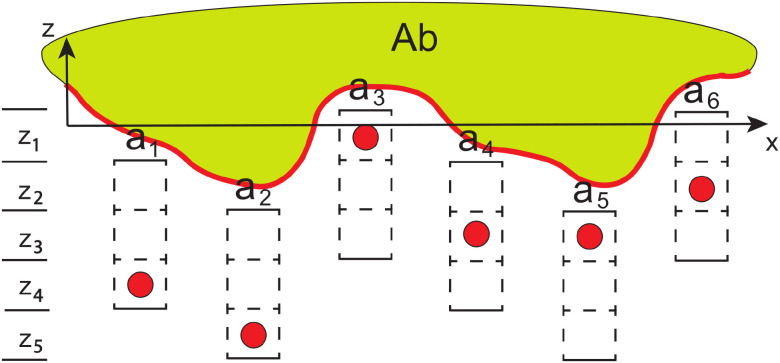 Figure 1
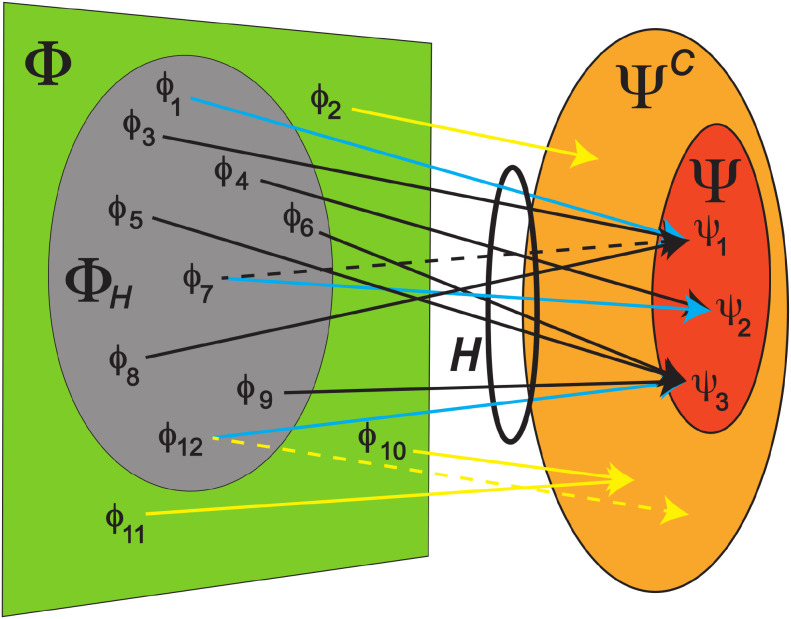 Figure 2
 Figure 3
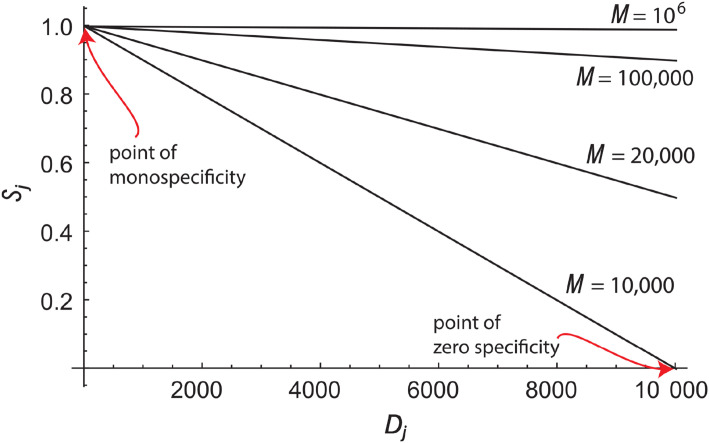 Figure 4
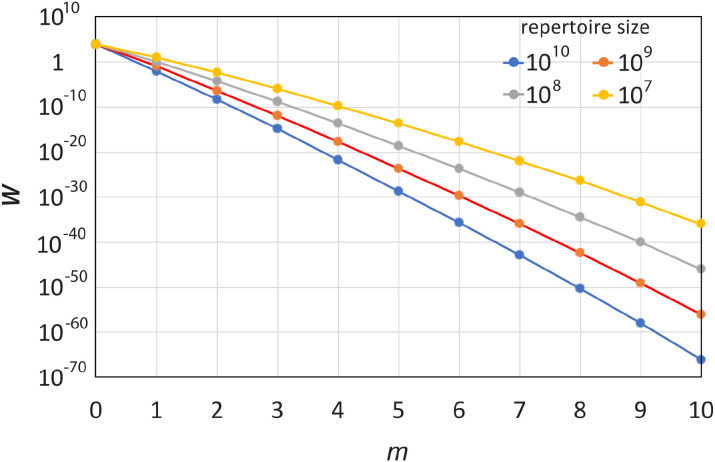 Figure 5
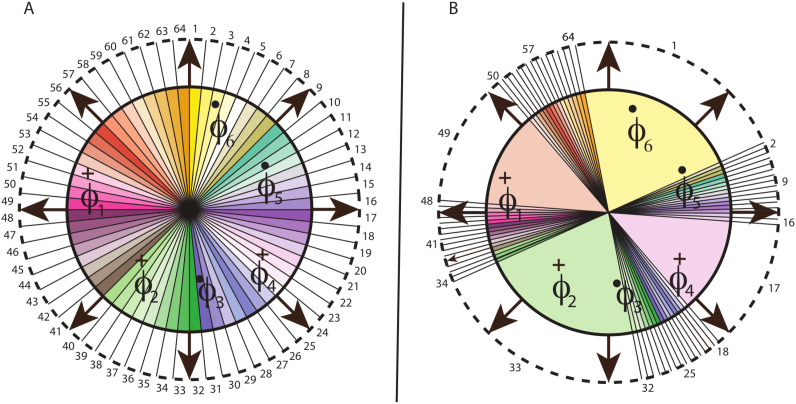 Figure 6
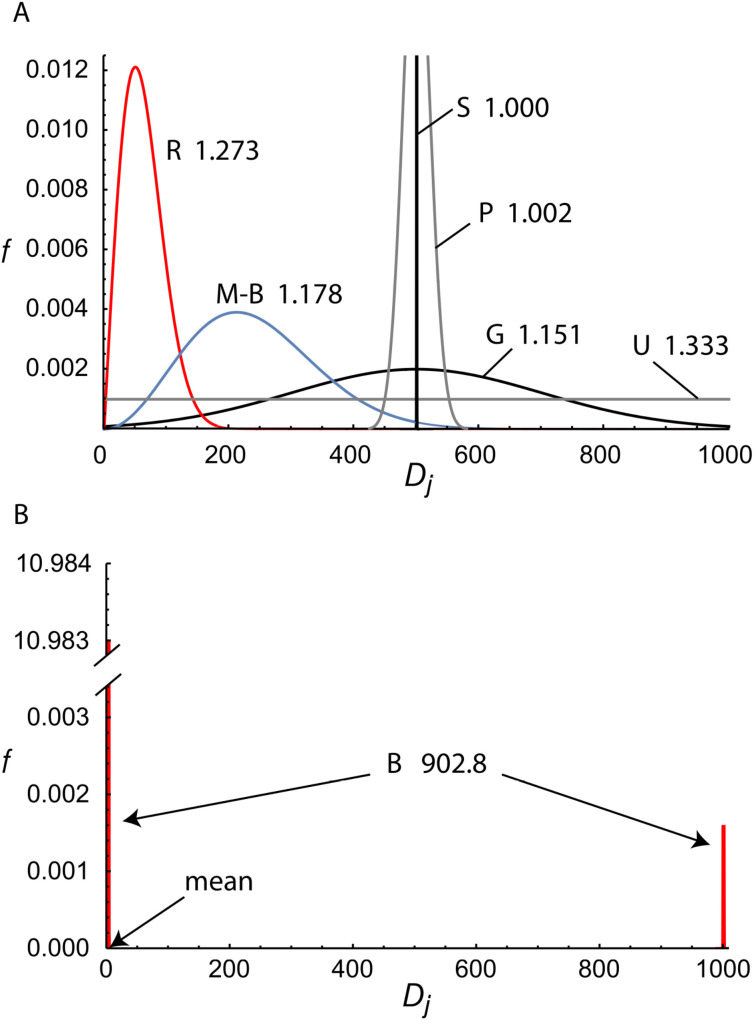 Figure 7
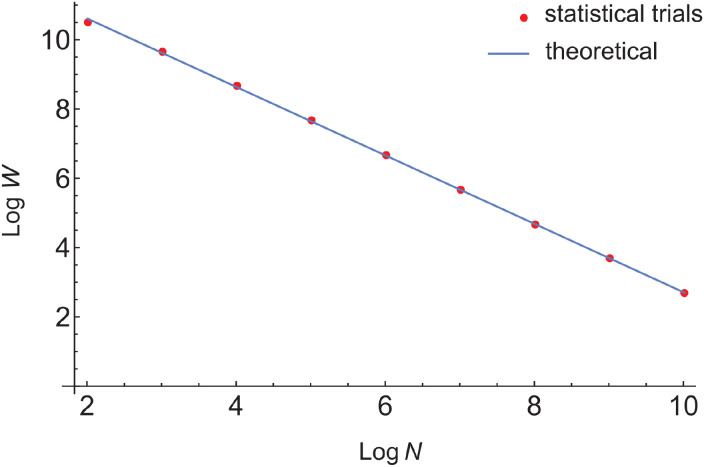 Figure 8
Peer Reviews
No public reviews on file for this paper yet. If you reviewed it on a platform where reviews are public (OpenReview, ICLR, NeurIPS, ICML), you can paste yours below so the community can read it here.
Videos
No videos yet. Explain this paper in a talk, walkthrough, or lecture? Add one.
Taxonomy
Topicsvaccines and immunoinformatics approaches · Monoclonal and Polyclonal Antibodies Research · Artificial Immune Systems Applications