Polystyrene nanoparticles reduce the Cryptococcus neoformans virulence via induction of mitochondrial dysfunction
Dongnan Zheng, Yifan Zhou, Bin Xu, Wenxia Bu, Fengxu Wang, Xinyuan Zhao, Peng Xue, Yuanyuan Ma

TL;DR
Polystyrene nanoparticles reduce the virulence of Cryptococcus neoformans by causing mitochondrial dysfunction, which weakens the fungus and boosts the immune response.
Contribution
This study is the first to show that polystyrene nanoparticles inhibit fungal virulence through mitochondrial disruption and immune modulation in a mouse model.
Findings
PS-NPs prolonged survival in C. neoformans-infected mice and reduced ARG1 mRNA expression by 30%.
PS-NPs inhibited capsule formation by 40% in mice and 70% in capsule induction medium.
Mitochondrial dysfunction was observed with increased ROS and disrupted metabolism in C. neoformans exposed to PS-NPs.
Abstract
Cryptococcus neoformans is a fungus that poses a significant threat to human health, with its polysaccharide capsule being a key virulence factor that can upregulate the expression of host gene ARG1, encoding arginase-1, which suppresses T-cell-mediated antifungal immune responses. Nanoplastics may cause oxidative and mitochondrial stress in mammalian cells, potentially impacting fungal physiology and pathogenic mechanisms as well. We utilized mouse models and fungal burden assays to investigate the effects of polystyrene nanoparticles (PS-NPs) on C. neoformans infection. Mice were subjected to oropharyngeal aspiration of 50 μl of 80 nm PS-NPs at a concentration of 5 μg/μl, administered three times a week over a specified duration. To assess the impact of PS-NPs on C. neoformans mitochondria, we measured intracellular reactive oxygen species (ROS) levels, mitochondrial superoxide,…
Genes, proteins, chemicals, diseases, species, mutations and cell lines named across the full text — each resolved to its canonical identifier and authoritative record.
Click any figure to enlarge with its caption.
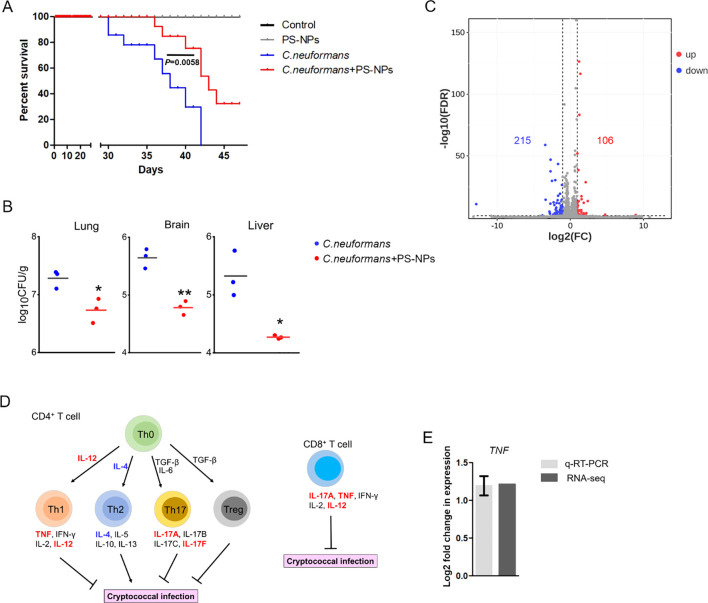 Figure 1
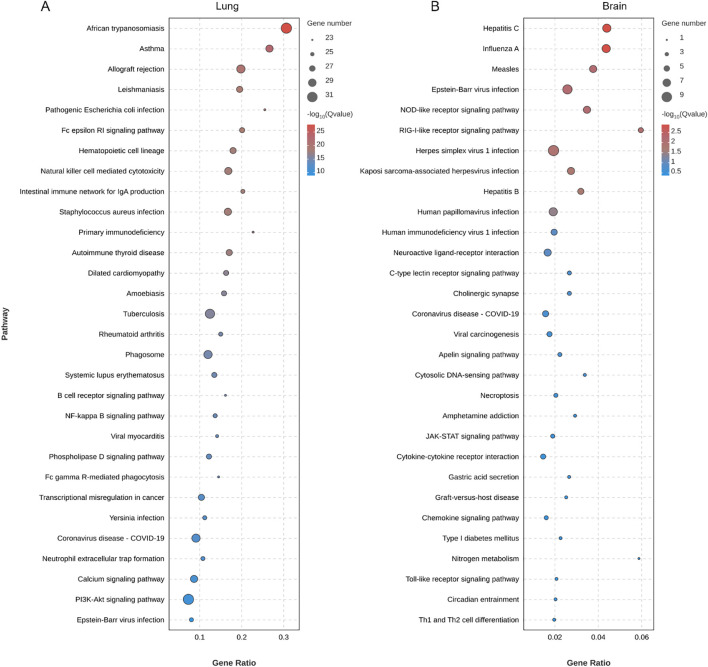 Figure 2
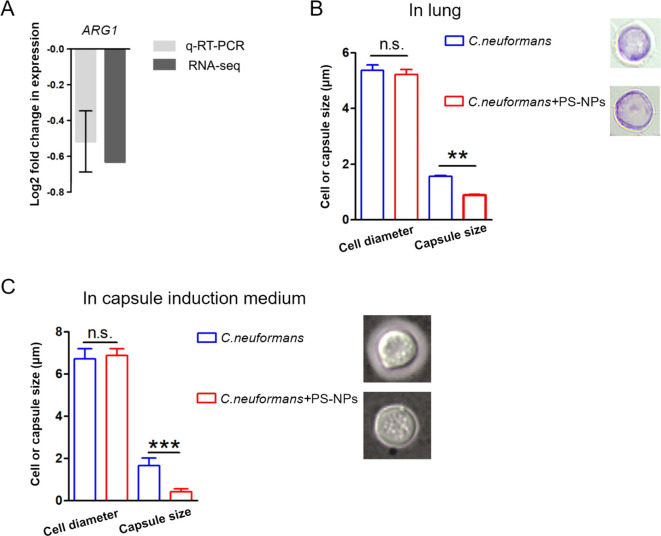 Figure 3
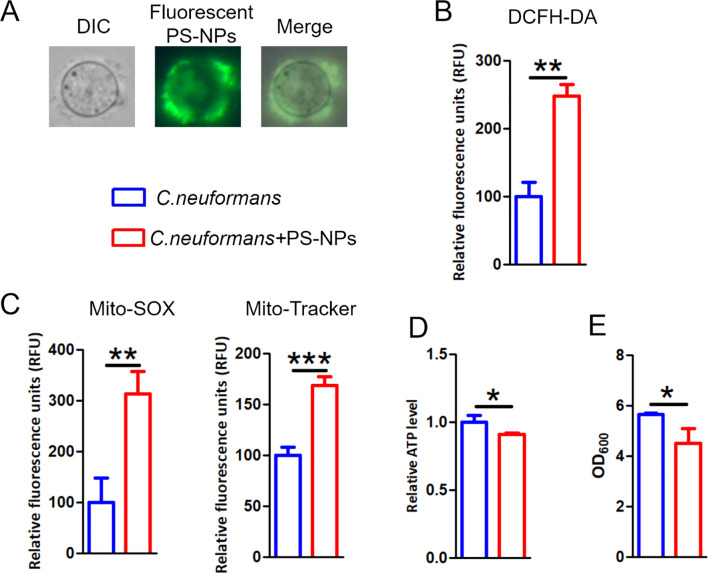 Figure 4
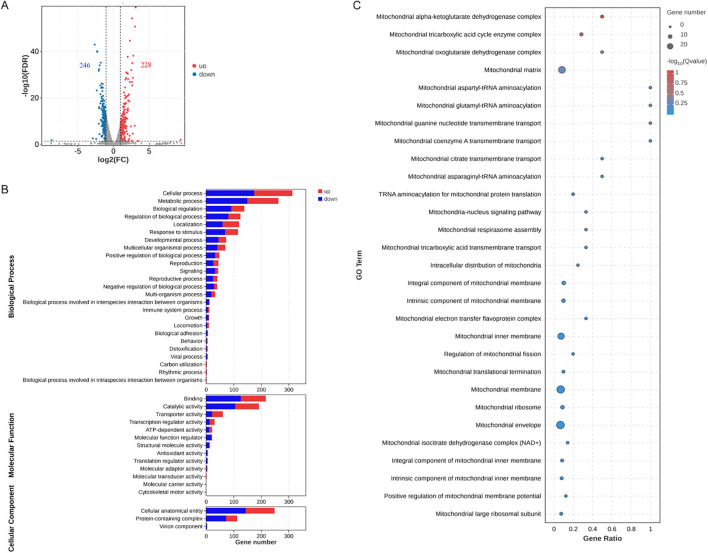 Figure 5
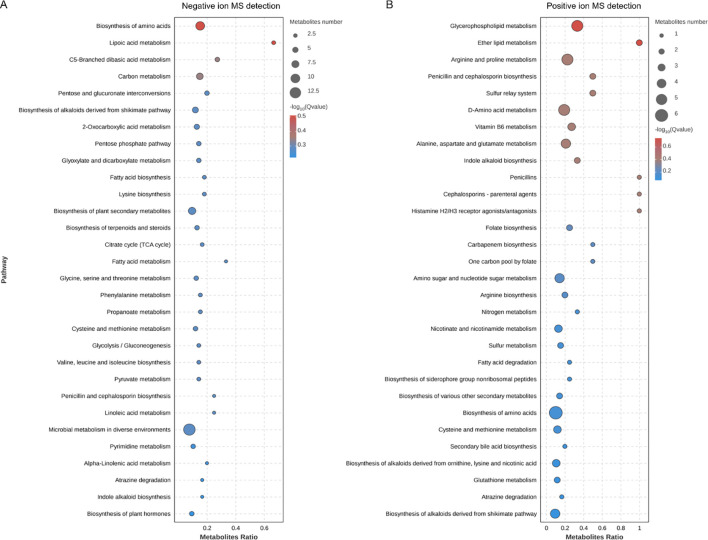 Figure 6
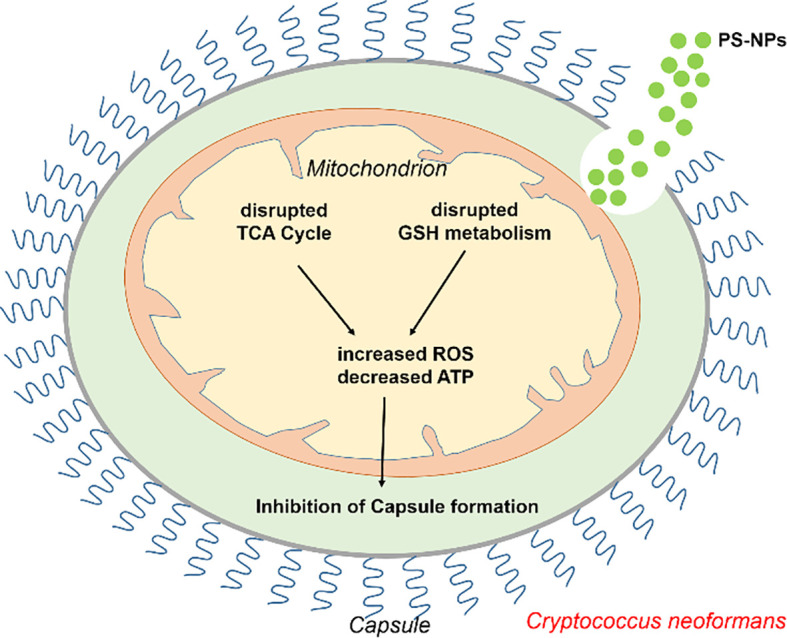 Figure 7
Peer Reviews
No public reviews on file for this paper yet. If you reviewed it on a platform where reviews are public (OpenReview, ICLR, NeurIPS, ICML), you can paste yours below so the community can read it here.
Videos
No videos yet. Explain this paper in a talk, walkthrough, or lecture? Add one.
Taxonomy
TopicsFungal Infections and Studies · Nail Diseases and Treatments · Antifungal resistance and susceptibility