Serum proteomics and machine learning identify PSMD11 as a prognostic biomarker in severe fever with thrombocytopenia syndrome
Chenxi Zhao, Ziruo Ge, Ranran Wang, Yanli Xu, Tingyu Zhang, Zhouling Jiang, Lu Liu, Ling Lin, Zhihai Chen

TL;DR
This study identifies PSMD11 as a key biomarker for predicting severe outcomes in a tick-borne viral disease called SFTS, using serum proteomics and machine learning.
Contribution
The study introduces PSMD11 as a novel prognostic biomarker for SFTS, supported by strong correlations with clinical indicators and viral load.
Findings
Non-survivors of SFTS had 642 differentially abundant proteins compared to survivors.
PSMD11 was identified as the strongest predictor of adverse outcomes with high ROC values.
PSMD11 showed strong correlations with organ injury markers and viral load.
Abstract
Severe fever with thrombocytopenia syndrome (SFTS) is an emerging tick-borne viral disease associated with high mortality. This study aimed to characterize serum proteomic signatures linked to adverse outcomes and to identify prognostic biomarkers with potential translational value for patient management. Serum samples from 55 survivors, 32 non-survivors, and 10 healthy controls were analyzed by data-independent acquisition–based proteomics. Differential abundance analysis, Gene Ontology (GO) enrichment, Kyoto Encyclopedia of Genes and Genomes (KEGG) pathway analysis, and protein–protein interaction (PPI) network analyses with Markov clustering were conducted to characterize disease-associated proteins. XGBoost and Random Forest machine learning models were applied to prioritize candidate biomarkers, and discriminative performance was evaluated by the receiver operating characteristic…
Genes, proteins, chemicals, diseases, species, mutations and cell lines named across the full text — each resolved to its canonical identifier and authoritative record.
Click any figure to enlarge with its caption.
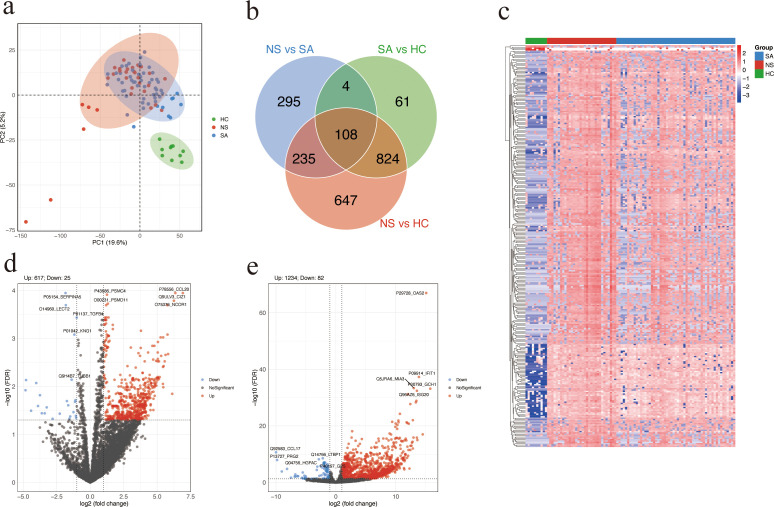 Figure 1
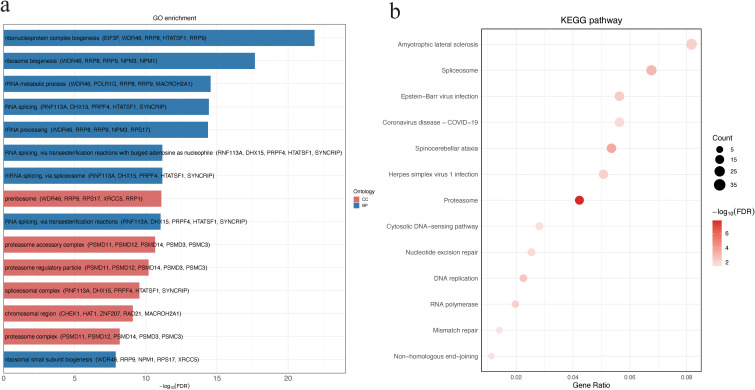 Figure 2
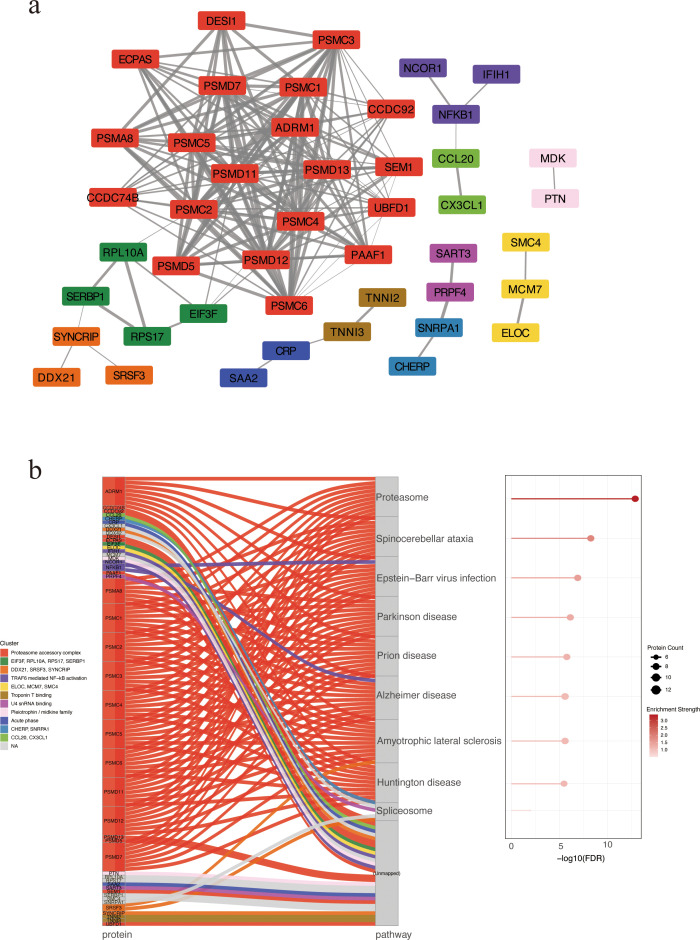 Figure 3
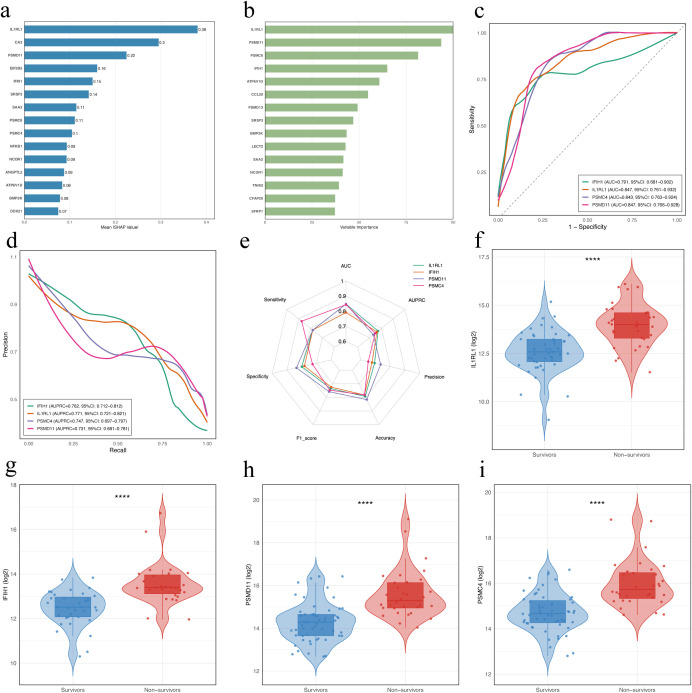 Figure 4
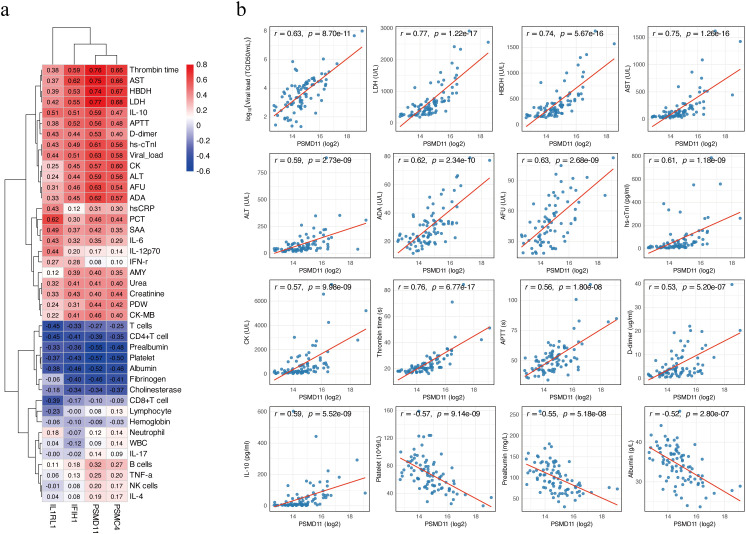 Figure 5
Peer Reviews
No public reviews on file for this paper yet. If you reviewed it on a platform where reviews are public (OpenReview, ICLR, NeurIPS, ICML), you can paste yours below so the community can read it here.
Videos
No videos yet. Explain this paper in a talk, walkthrough, or lecture? Add one.
Taxonomy
TopicsViral Infections and Vectors · Malaria Research and Control · Ubiquitin and proteasome pathways