Pex1 loss-of-function in zebrafish is viable and recapitulates hallmarks of Zellweger spectrum disorders
Ursula Heins-Marroquin, Zlatan Hodzic, Beatriz Soares Carneiro da Silva, Agnes Hendriks, Floriane Gavotto, Marc O. Warmoes, Lisa Schlicker, Samy Omri, Christian Jäger, Enrico Glaab, Nancy E. Braverman, Maria Lorena Cordero-Maldonado, Carole L. Linster

TL;DR
A zebrafish model with a Pex1 gene mutation survives into adulthood and shows key features of Zellweger spectrum disorders, offering a new tool for studying the disease.
Contribution
A zebrafish model with Pex1 loss-of-function was developed, allowing study of Zellweger spectrum disorders beyond early developmental stages.
Findings
About 10% of pex1–/– zebrafish reached adulthood despite early disease features.
pex1–/– zebrafish showed metabolic hallmarks of ZSDs, including VLCFA and methyl-branched fatty acid accumulation.
Transcriptomics revealed ER-stress responses, pexophagy, and neurophysiological dysregulation in pex1–/– larvae.
Abstract
Zellweger spectrum disorders (ZSDs) are rare autosomal recessive conditions belonging to the larger group of peroxisome biogenesis disorders. The most prevalent form of ZSD is caused by mutations in the PEX1 gene, which encodes an AAA ATPase protein. Cells lacking functional PEX1 fail to import proteins crucial for the formation of competent peroxisomes, resulting in aberrant structures called ghost peroxisomes. Peroxisome dysfunction leads to the accumulation of compounds that are normally metabolized in this compartment, including very long-chain fatty acids (VLCFAs), pristanic and phytanic acids, as well as deficiency in compounds that are normally formed in this organelle, including docosahexaenoic acid (DHA) and plasmalogen precursors. Patients with a complete lack of PEX1 function develop severe symptoms and have a poor prognosis, with death in the first year of life. In the…
Genes, proteins, chemicals, diseases, species, mutations and cell lines named across the full text — each resolved to its canonical identifier and authoritative record.
Click any figure to enlarge with its caption.
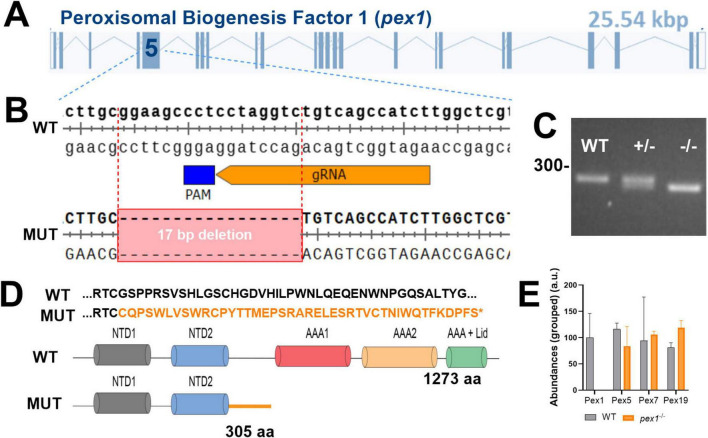 Figure 1
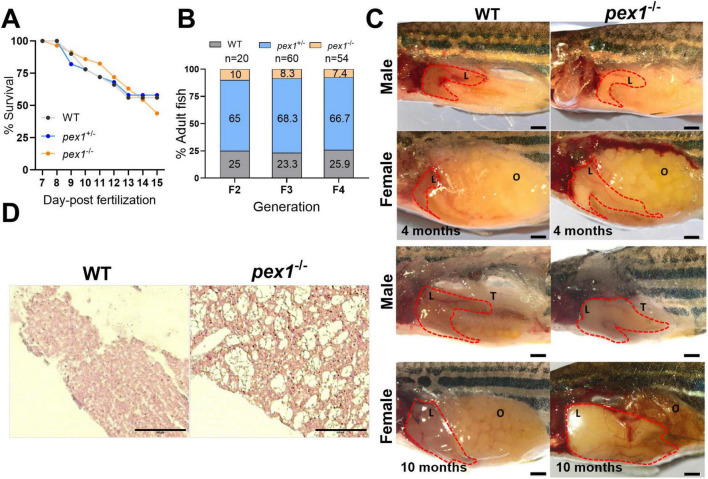 Figure 2
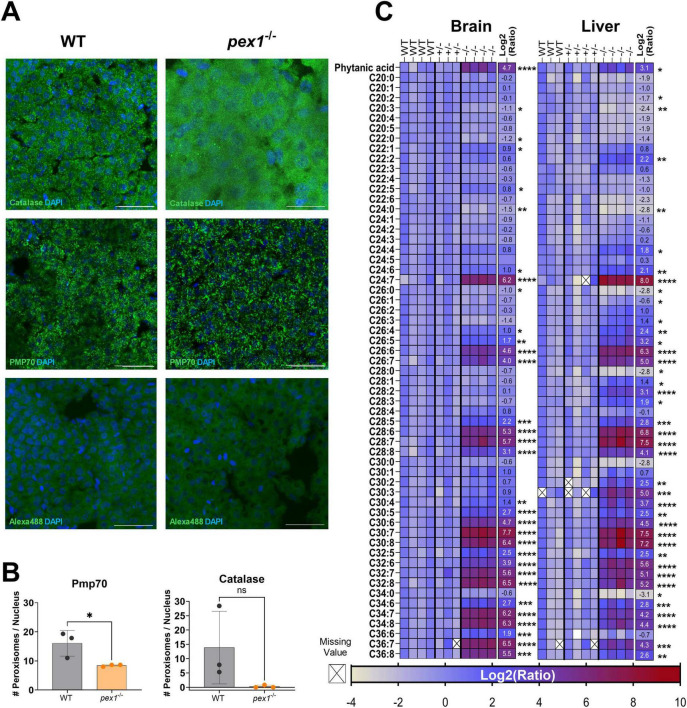 Figure 3
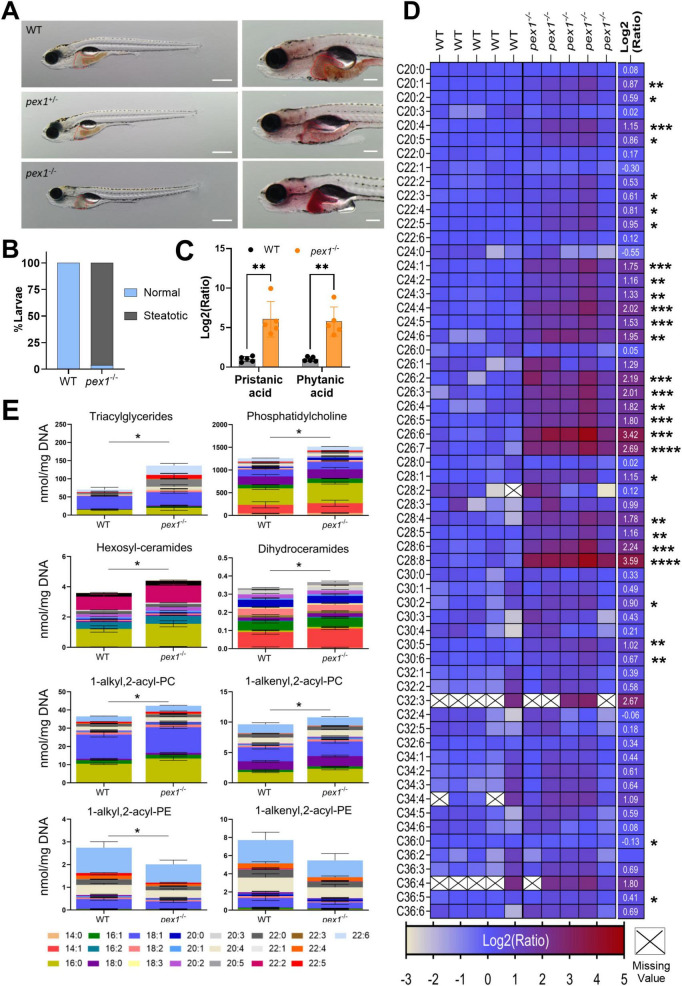 Figure 4
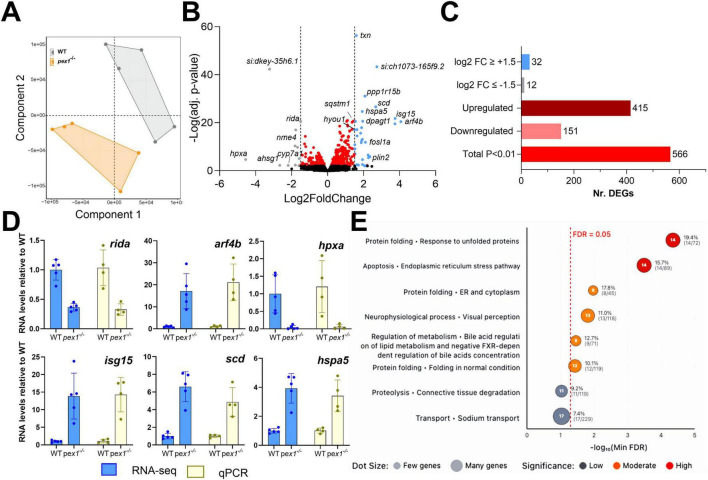 Figure 5
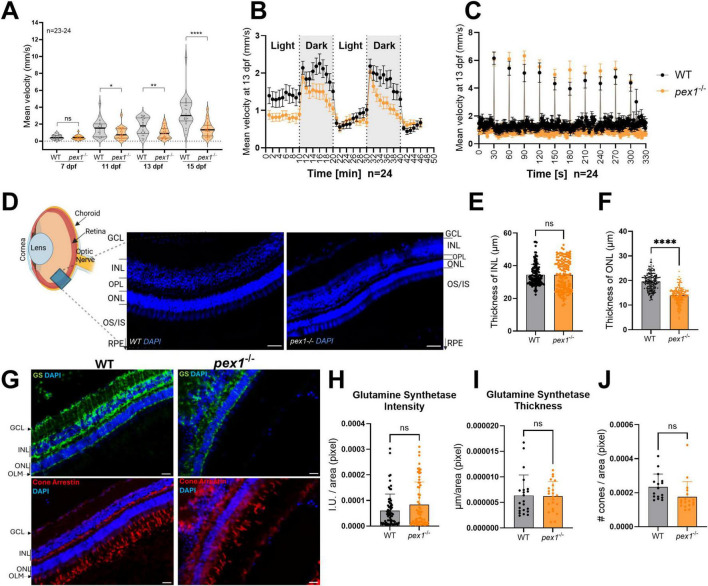 Figure 6
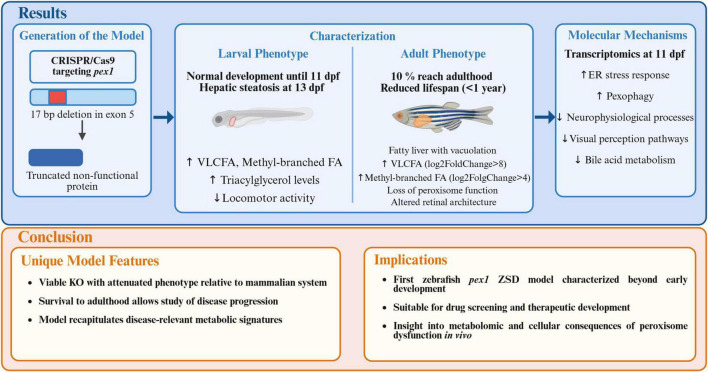 Figure 7
Peer Reviews
No public reviews on file for this paper yet. If you reviewed it on a platform where reviews are public (OpenReview, ICLR, NeurIPS, ICML), you can paste yours below so the community can read it here.
Videos
No videos yet. Explain this paper in a talk, walkthrough, or lecture? Add one.
Taxonomy
TopicsPeroxisome Proliferator-Activated Receptors · Zebrafish Biomedical Research Applications · Kruppel-like factors research