ParaDeep: sequence-based deep learning for residue-level paratope prediction using chain-aware BiLSTM-CNN models
Piyachat Udomwong, Thanathat Pamonsupornwichit, Kanchanok Kodchakorn, Chatchai Tayapiwatana

TL;DR
ParaDeep is a deep learning tool that predicts antibody paratopes from amino acid sequences, offering high accuracy and efficiency without needing 3D structures.
Contribution
Introduces ParaDeep, a chain-aware BiLSTM-CNN model for residue-level paratope prediction with improved performance over existing methods.
Findings
Heavy chain models outperformed light chain models in cross-validation (F1 = 0.856 vs. 0.774).
ParaDeep achieved a 27% MCC improvement over the baseline Parapred on heavy chains.
Heavy chains provide stronger sequence-based predictive signals compared to light chains.
Abstract
Accurate prediction of antibody paratopes is a critical challenge in structure-limited, high-throughput discovery workflows. We present ParaDeep, a lightweight and interpretable deep learning framework for residue-level paratope prediction directly from amino acid sequences. ParaDeep integrates bidirectional long short-term memory networks with one-dimensional convolutional layers to capture both long-range sequence context and local binding motifs. We systematically evaluated 30 model configurations varying in encoding schemes, convolutional kernel sizes, and antibody chain types. In five-fold cross-validation, heavy (H) chain models achieved the highest performance (F1 = 0.856 ± 0.014, MCC = 0.842 ± 0.015), outperforming light (L) chain models (F1 = 0.774 ± 0.023, MCC = 0.772 ± 0.022). On an independent blind test set, ParaDeep attained F1 = 0.723 and MCC = 0.685 for H chains, and F1…
Genes, proteins, chemicals, diseases, species, mutations and cell lines named across the full text — each resolved to its canonical identifier and authoritative record.
Click any figure to enlarge with its caption.
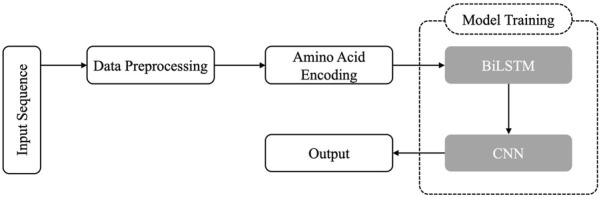 Figure 1
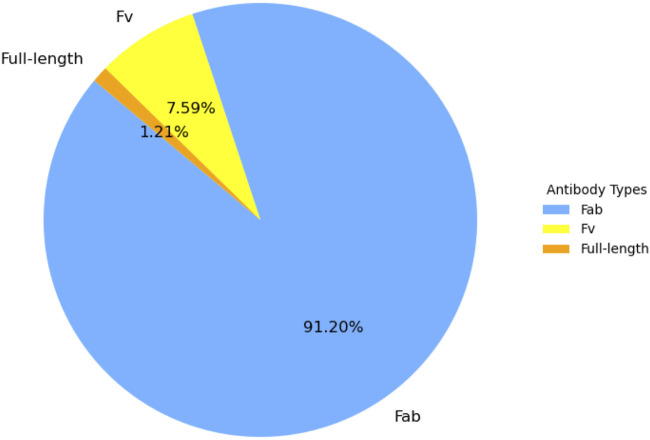 Figure 2
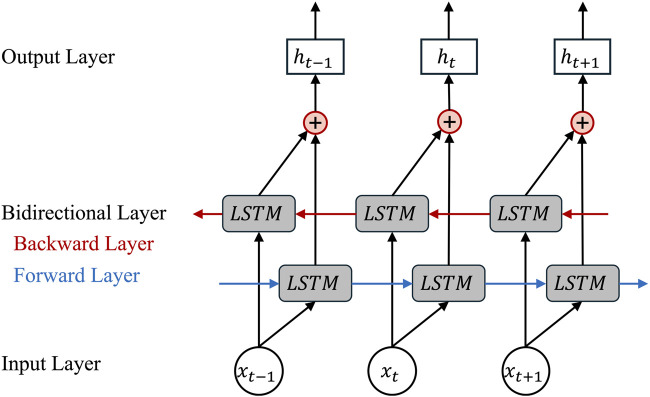 Figure 3
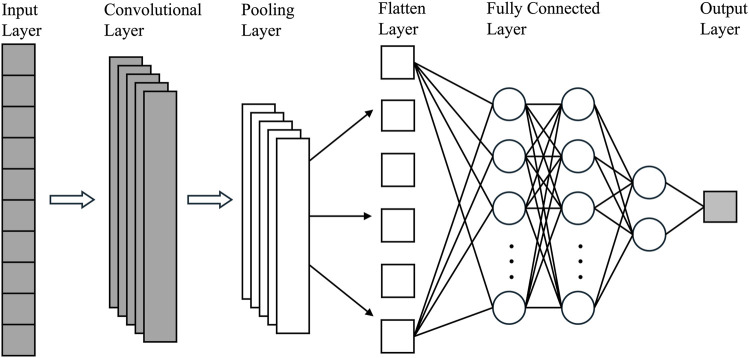 Figure 4
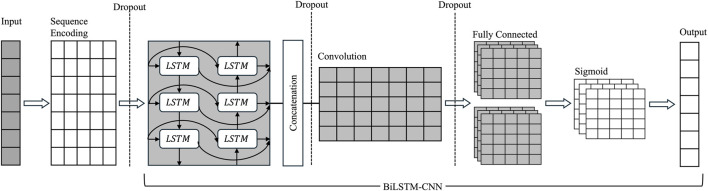 Figure 5
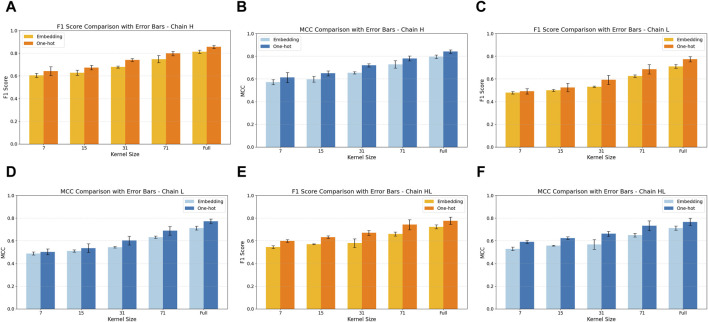 Figure 6
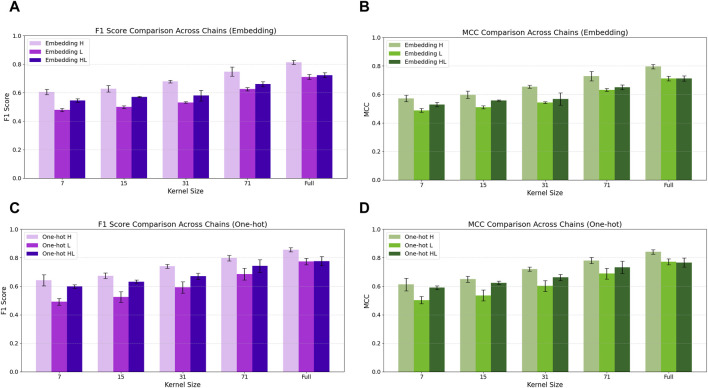 Figure 7
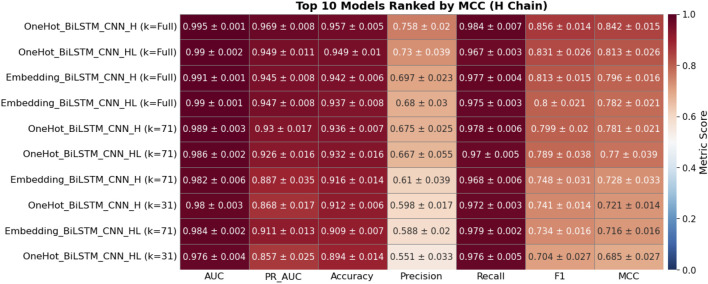 Figure 8
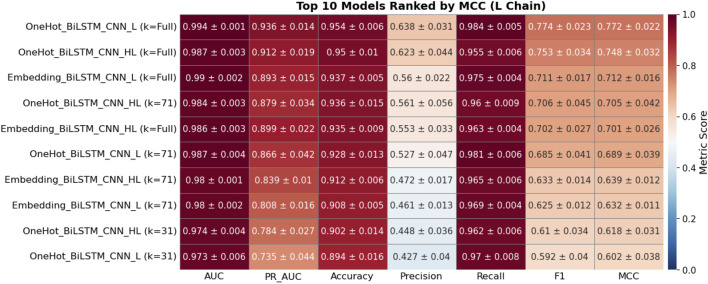 Figure 9
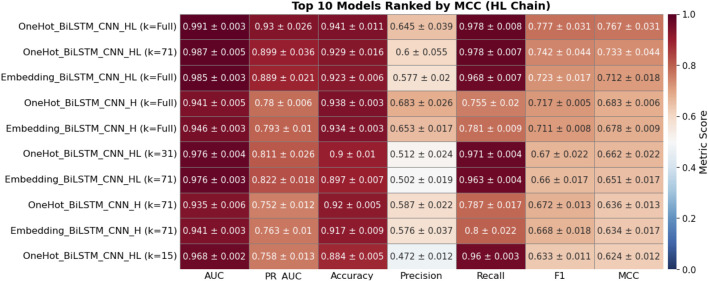 Figure 10
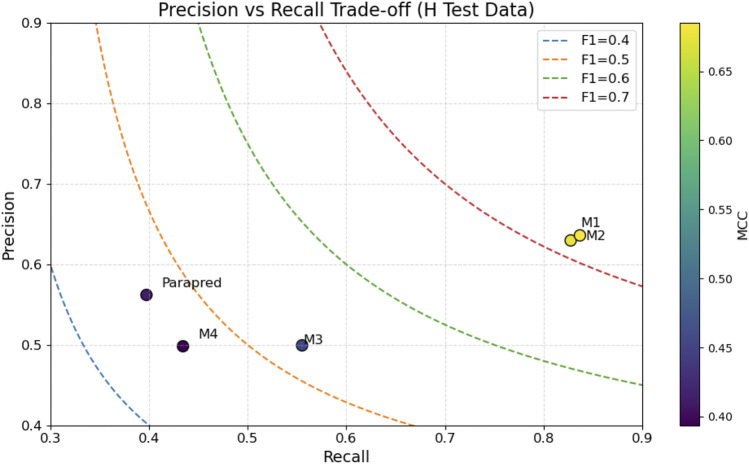 Figure 11
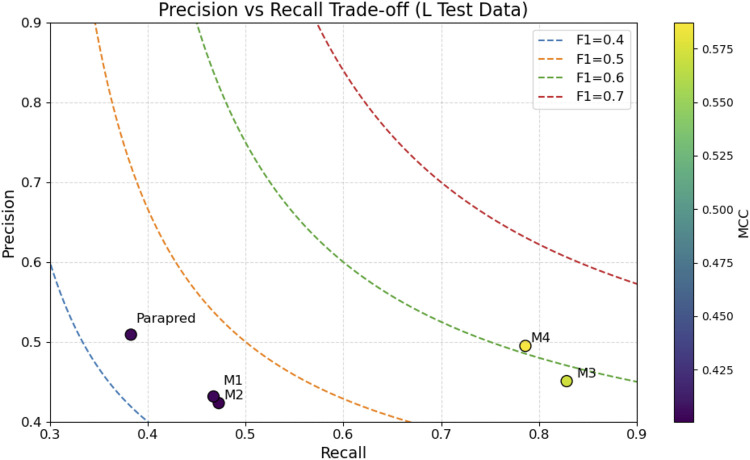 Figure 12
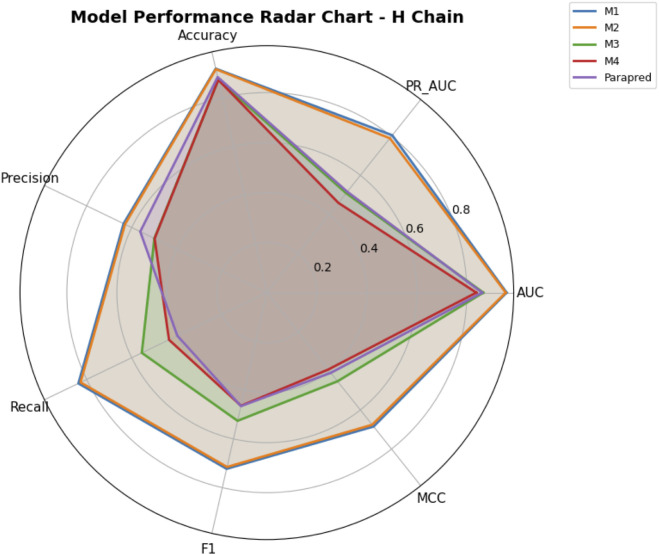 Figure 13
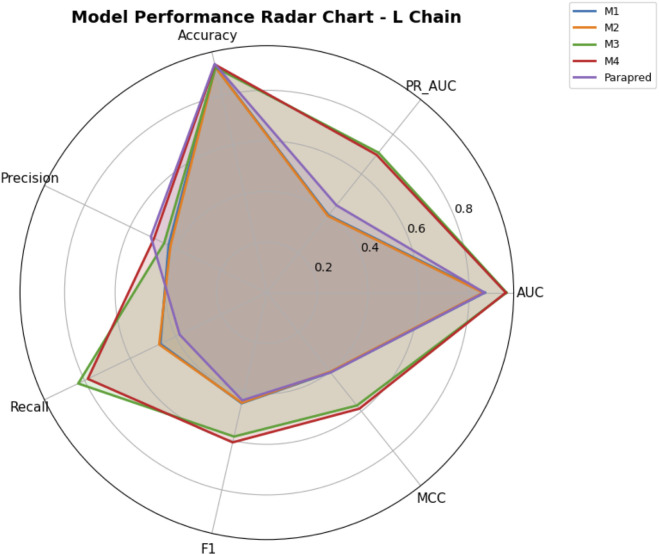 Figure 14
Peer Reviews
No public reviews on file for this paper yet. If you reviewed it on a platform where reviews are public (OpenReview, ICLR, NeurIPS, ICML), you can paste yours below so the community can read it here.
Videos
No videos yet. Explain this paper in a talk, walkthrough, or lecture? Add one.
Taxonomy
TopicsMonoclonal and Polyclonal Antibodies Research · vaccines and immunoinformatics approaches · Protein Structure and Dynamics