SUMOylation involved in malignant progression of multiple tumors and SENP5 may improve the chemotherapy sensitivity of hypoxic tumors
Chunyan Zhang, Bing Han, Yanxia Li, Yuxiang Wang, Min Liu, Zhongmin Jiang, Wenhan Wu, Xiaozhi Liu, Yafei Liu, Mingyong Liu

TL;DR
This study explores how SUMOylation affects tumor progression and finds that targeting SENP5 may improve chemotherapy effectiveness while reducing side effects.
Contribution
The study identifies SENP5 as a specific target for improving chemotherapy sensitivity in hypoxic tumors with reduced off-tumor toxicity.
Findings
SUMO signaling is activated in multiple tumors and linked to poor prognosis.
SENP5 overexpression in tumors allows selective removal of SUMO2/3 modifications.
UBC9 inhibition suppresses tumors but causes toxicity in normal tissues, unlike SENP5 targeting.
Abstract
Small ubiquitin-related modifier (SUMO), a ubiquitin-like modification protein, is implicated in the aggressive progression of various tumor types. However, a comprehensive understanding of its mechanisms and the identification of therapeutically viable targets remain challenging. We analyzed the expression and clinical relevance of SUMO pathway components using public cancer databases (e.g., TCGA). The functional role of SUMOylation was investigated under varying oxygen conditions in vitro. The core SUMOylation enzyme UBC9 was inhibited pharmacologically with Spectinomycin B1 UBC9. The tumor-specific role of SENP5 was validated through genetic knockdown and overexpression in a panel of tumor cell lines and tumor-derived organoids. To assess the potential for off-tumor toxicity, the effects of UBC9 inhibition and SENP5 targeting were further evaluated in organoids derived from fetal…
Genes, proteins, chemicals, diseases, species, mutations and cell lines named across the full text — each resolved to its canonical identifier and authoritative record.
Click any figure to enlarge with its caption.
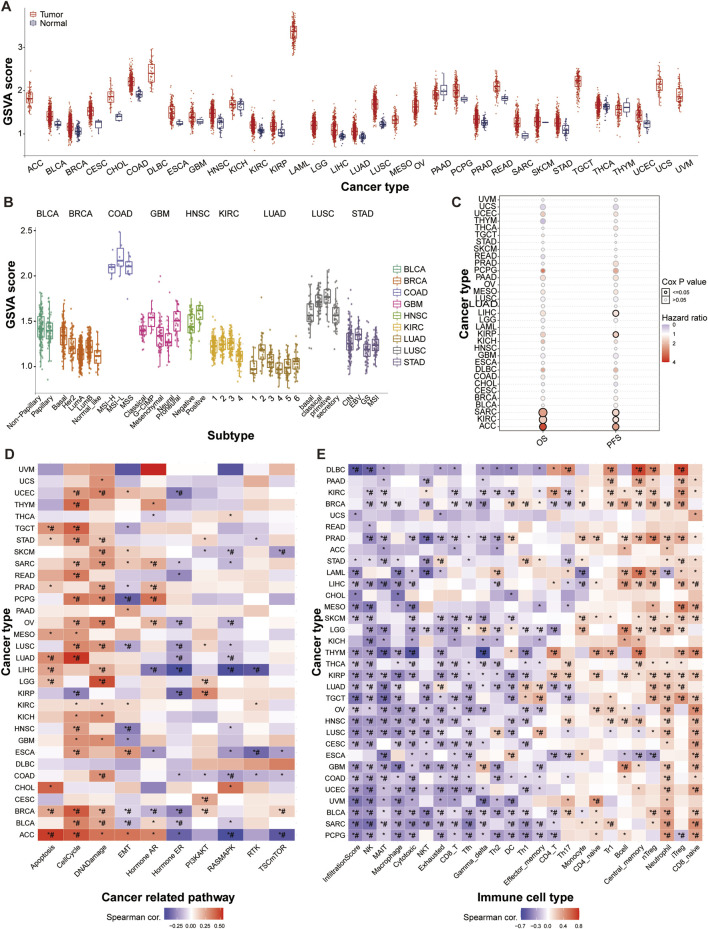 Figure 1
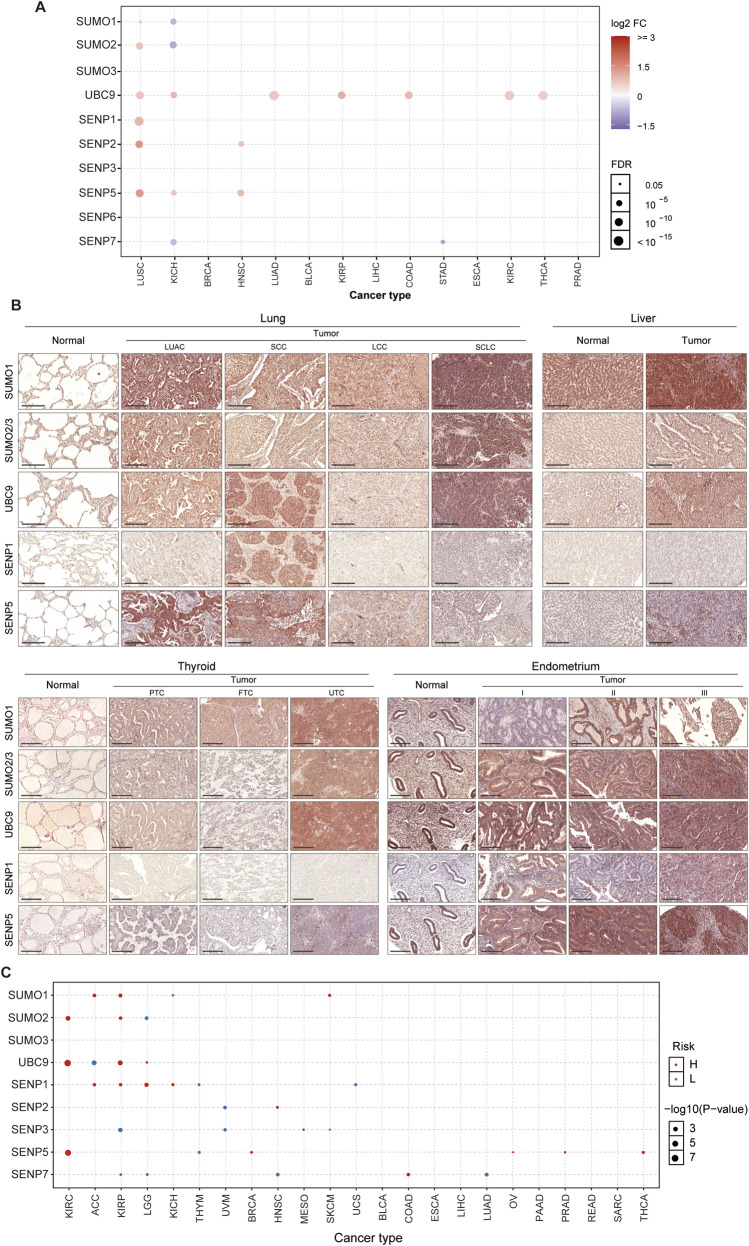 Figure 2
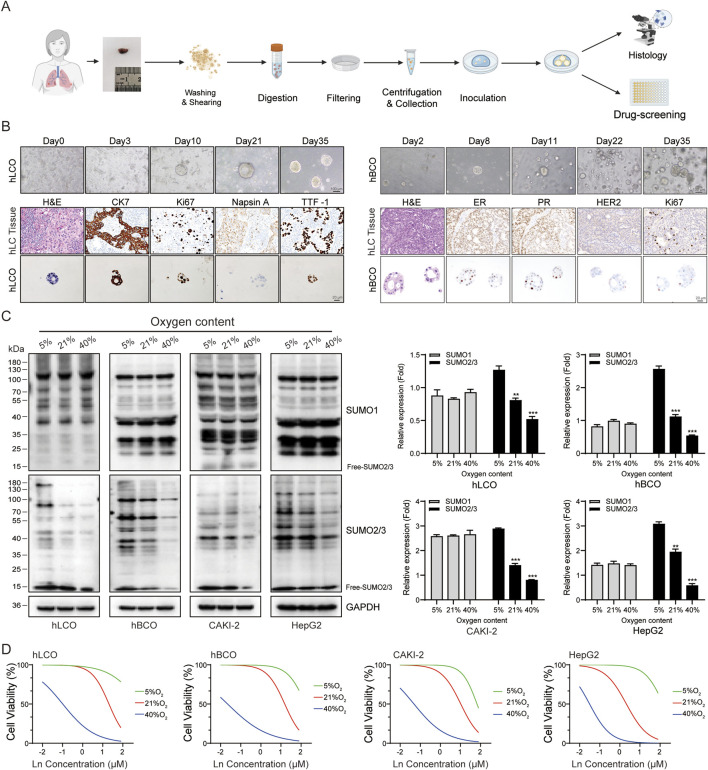 Figure 3
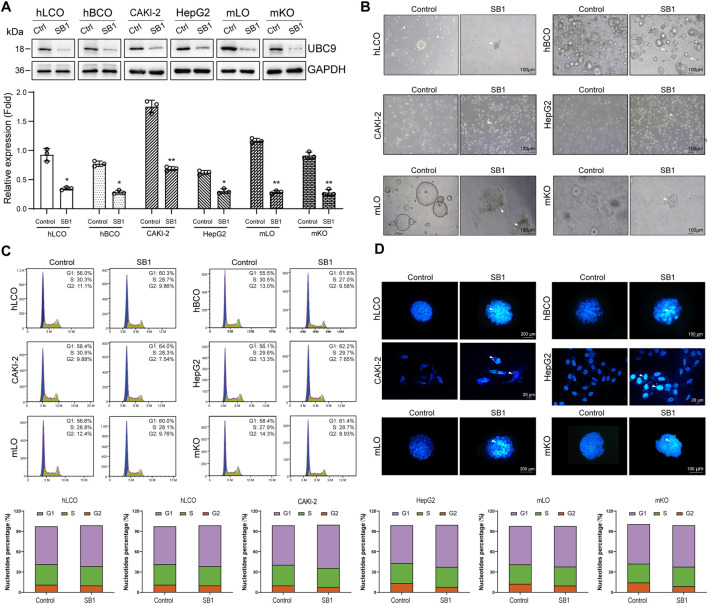 Figure 4
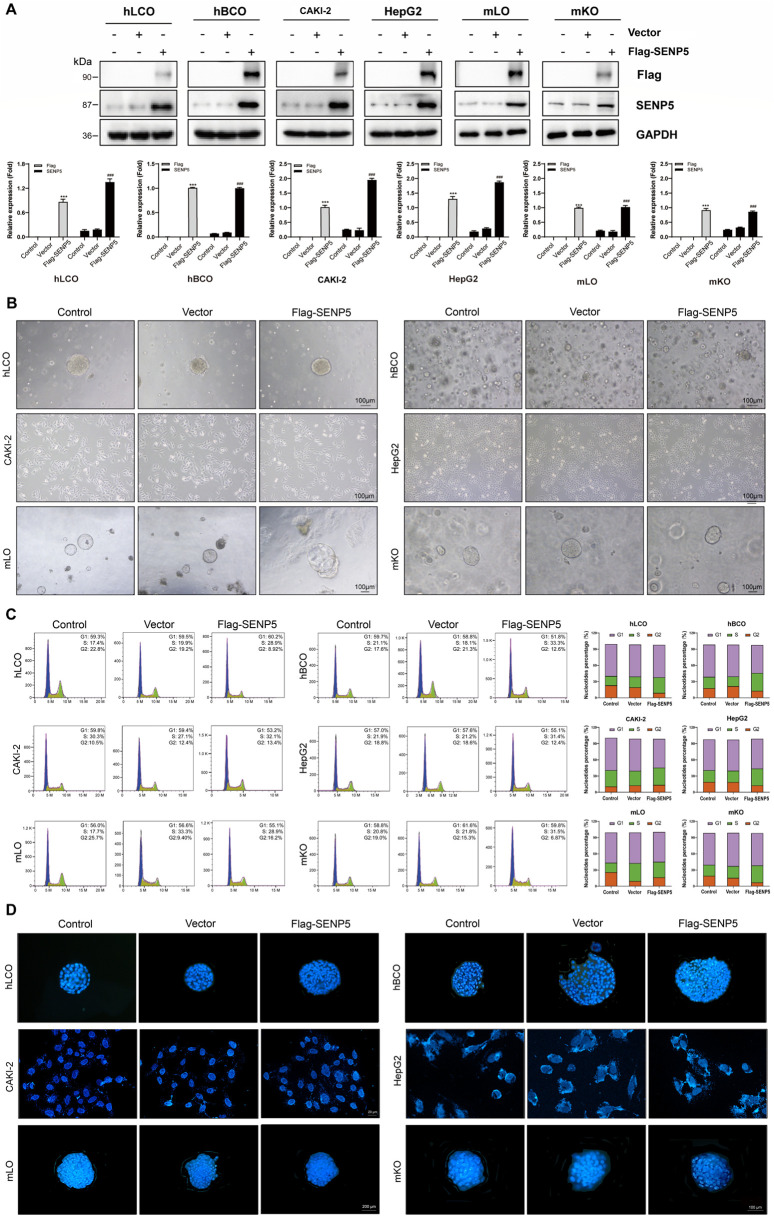 Figure 5
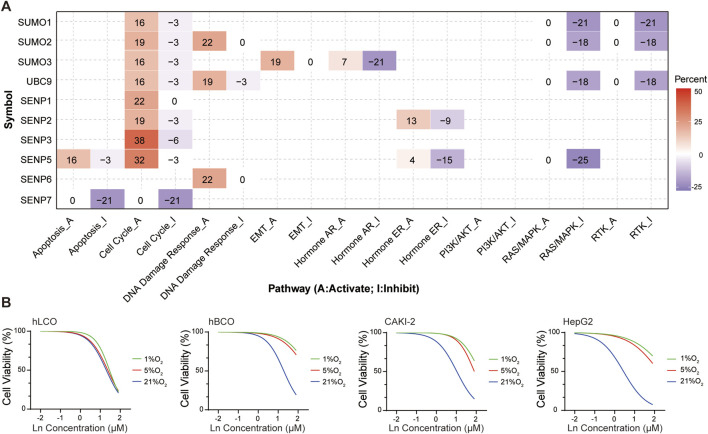 Figure 6
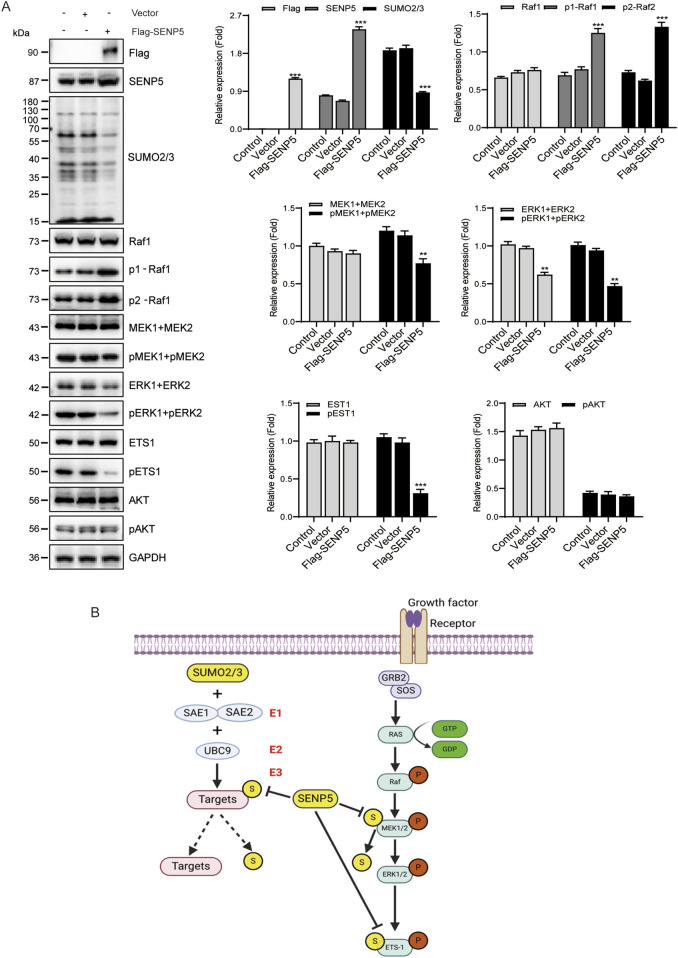 Figure 7
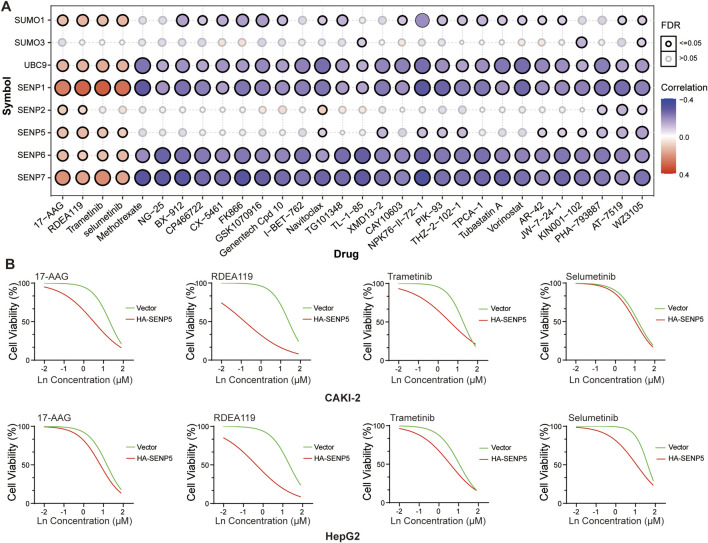 Figure 8
Peer Reviews
No public reviews on file for this paper yet. If you reviewed it on a platform where reviews are public (OpenReview, ICLR, NeurIPS, ICML), you can paste yours below so the community can read it here.
Videos
No videos yet. Explain this paper in a talk, walkthrough, or lecture? Add one.
Taxonomy
TopicsUbiquitin and proteasome pathways · Cancer, Hypoxia, and Metabolism · interferon and immune responses