A bibliometric approach to worldwide scientific production of familial hypophosphataemic rickets in Scopus (2000–2022)
Frank Hernández-García, Helena Gil-Peña, José M. López, Rocío Fuente, Patricia Oro Carbajosa, Ibraín Enrique Corrales-Reyes, Julián Rodríguez Suárez

TL;DR
This paper analyzes global research on familial hypophosphatemic rickets from 2000 to 2022, highlighting trends in scientific output, key countries, and research themes.
Contribution
The study provides a comprehensive bibliometric analysis of global research on familial hypophosphatemic rickets using Scopus data.
Findings
The U.S., Japan, and the UK lead in scientific production on familial hypophosphatemic rickets.
Research trends increasingly focus on burosumab, quality of life, and chronic complications.
Most articles are published in high-impact journals, with a growing trend in recent years.
Abstract
Familial hypophosphatemic rickets are disabling conditions that negatively impact physical functioning, activities of daily living, mental health and social life. The most common cause of hypophosphatemic rickets is genetic factors, such as X-linked hypophosphatemia. The evaluation of the scientific application of familial hypophosphataemic rickets aids in understanding the research landscape, identifying opportunities for improvement, and promoting significant advancements in the understanding and treatment of this medical condition. This study aimed to characterize the worldwide scientific production of articles on familial hypophosphatemic rickets indexed in Scopus, through the analysis of publication growth rate, leading countries and journals, international collaboration networks, and predominant research keywords. An observational, descriptive, and cross-sectional study was…
Genes, proteins, chemicals, diseases, species, mutations and cell lines named across the full text — each resolved to its canonical identifier and authoritative record.
Click any figure to enlarge with its caption.
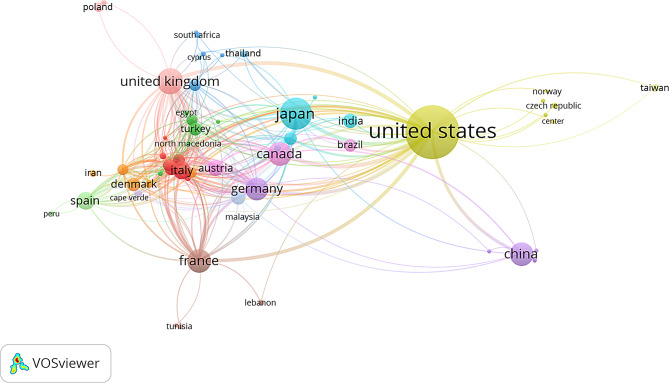 Figure 1
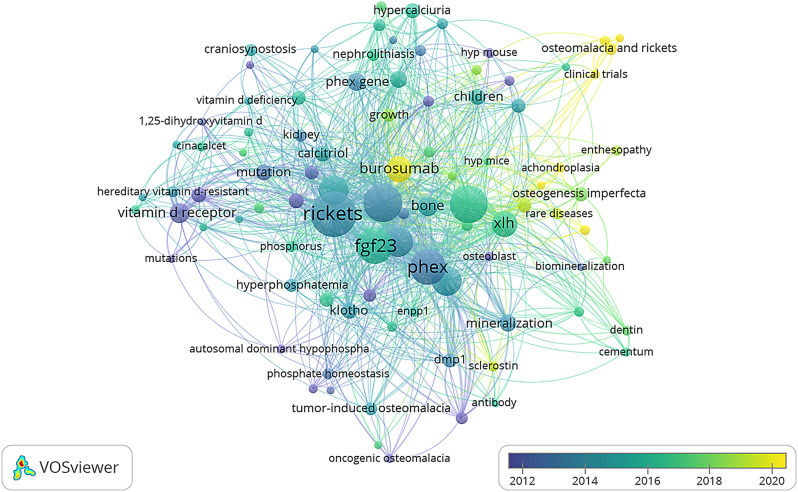 Figure 2
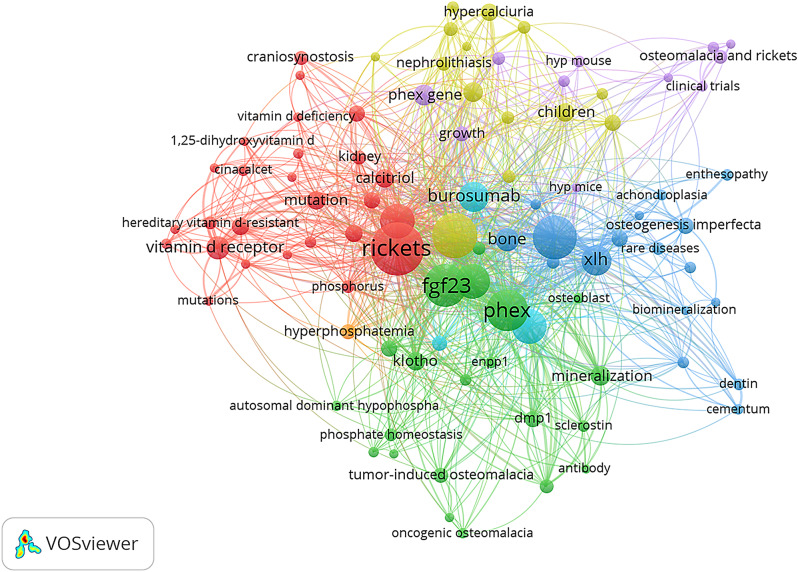 Figure 3
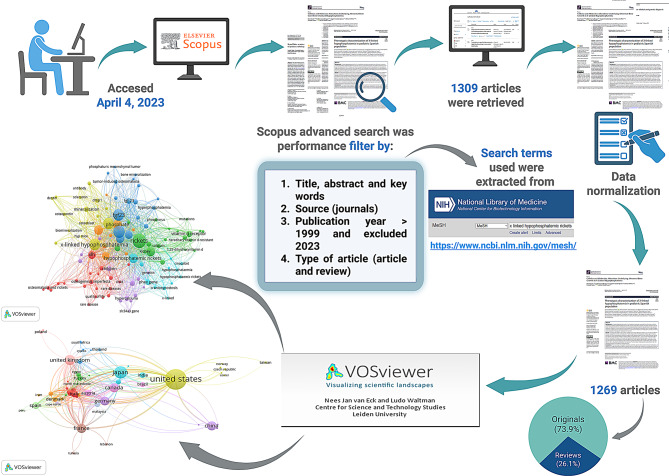 Figure 4
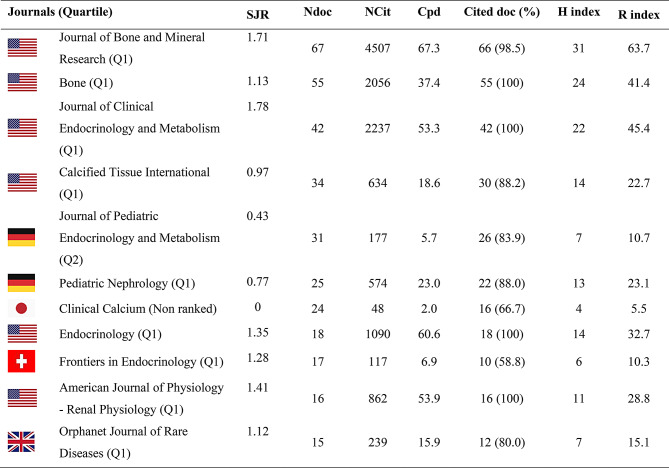 Figure 5
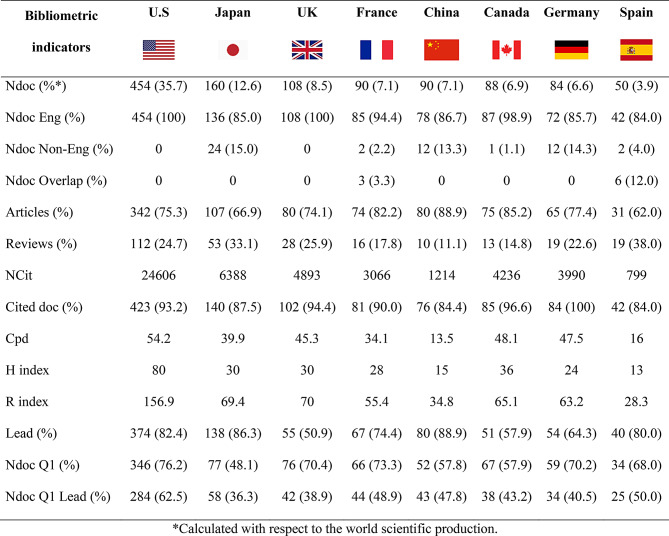 Figure 6
- —http://dx.doi.org/10.13039/501100006382Universidad de Oviedo
- —http://dx.doi.org/10.13039/501100004587Instituto de Salud Carlos III
Peer Reviews
No public reviews on file for this paper yet. If you reviewed it on a platform where reviews are public (OpenReview, ICLR, NeurIPS, ICML), you can paste yours below so the community can read it here.
Videos
No videos yet. Explain this paper in a talk, walkthrough, or lecture? Add one.
Taxonomy
TopicsParathyroid Disorders and Treatments · Coagulation, Bradykinin, Polyphosphates, and Angioedema · Alkaline Phosphatase Research Studies
Background
Familial hypophosphatemic rickets are a group of genetic disorders characterized by renal phosphate wasting, resulting in hypophosphatemia, rickets, and normal serum calcium levels. The clinical features of these patients include short stature, bone pain, and skeletal deformities. Hypophosphatemic rickets typically present in infancy or early childhood with skeletal deformities in the early stages of life [1]. The most common cause of hypophosphatemic rickets is genetic, such as X-linked hypophosphatemia (XLH) [2].
An estimated prevalence of less than 1 case per 100,000 people has been reported for autosomal dominant hypophosphatemic rickets and hypophosphatemic rickets with hypercalciuria [3, 4]. In some regions, the estimated incidence reaches 2.03 cases per 100,000 inhabitants [5]. The worldwide incidence of XLH is reported to be 1 to 9 cases per 100,000 habitants [6]. According to other studies, the estimated incidence of XLH is 14.0 (95% CI: 10.8–18.1) per million people [7].
Familial hypophosphatemic rickets have been described as disabling conditions for those affected, with a negative impact on physical functioning, activities of daily living, mental health, social life, and leisure activities. In adulthood, it is associated with a substantial disease burden and decreased quality of life, where individuals often experience severe pain and progressive disability [8–11].
Bibliometrics is the application of mathematics and statistical methods to any written source on the basis of communication facets and considers elements such as authors, publication title, document type, language, abstract, and keywords or descriptors [12, 13]. Bibliometric studies, in any branch of science, represent a valuable tool in the era of information and communications. They serve not only as instruments for evaluating the scientific production of a particular subject but also to enhance and increase the excellence of scientific research to higher levels [13].
Research in the health sciences serves as the cornerstone upon which health services develop and progress, refining medical care at various levels. Evaluating scientific production on a specific disease or health issue is strategically important for health policy decision-making at the national or regional level. This provides a general overview of the value assigned to a topic by the scientific community, based on the research conducted on it. The evaluation of the worldwide scientific production of familial hypophosphataemic rickets can aid in understanding the research landscape, identifying opportunities for improvement, and promoting significant advancements in the understanding and treatment of this medical condition.
As far as has been reviewed, no studies evaluating the worldwide scientific production of familial hypophosphatemic rickets have been found in the main databases for scientific information retrieval. This study aims to characterize the worldwide scientific production of articles on familial hypophosphatemic rickets indexed in Scopus, through the analysis of publication growth rate, leading countries and journals, international collaboration networks, and predominant research keywords.
Methods
Design
An observational, descriptive, and cross-sectional study was conducted through a bibliometric analysis of the worldwide scientific production of familial hypophosphatemic rickets published in journals indexed in Scopus between 2000 and 2022. This study period was chosen because of the notably limited number of earlier publications identified in an initial search, which precluded a thorough examination. As such, this period serves as a representative sample of the global scientific literature on familial hypophosphatemic rickets.
The analysis included only original research articles and review papers. Letters to the editor and conference proceedings were excluded, as these types of documents generally lack adequate bibliometric data and often have not been subjected to peer review.
Bibliometric indicators
The following bibliometric indicators were studied:
- Number of documents (Ndoc).
- Articles in English (Ndoc Eng). Articles published in English.
- Non-English article (Ndoc Non-Eng). Articles published in a language other than English.
- Overlap (Ndoc Overlap). Articles published in two languages.
- Citations (NCit). Total citations were obtained from articles indexed in Scopus.
- Cited articles (Cited doc). Total number of published articles that have been cited at least once according to Scopus.
- Citations per document (Cpd). Average number of received citations.
- H-index. This index considers both the number of articles and the citations they receive. An author has an h = x index if he/she has x articles that have been cited at least x times [14]. This indicator is also used to characterize groups (a group of authors, a department, or a country).
- R-index: Square root of the total number of citations received by the core articles contributing to the h-index [15].
- Growth rate (GR): percent change in the number of articles published in a domain with respect to the previous year, calculated as follows: GRn = [(Ndocn − Ndocn − 1)/Ndocn − 1] * 100, where n is the year [16].
- Quartiles (Q). According to the SCImago Journal & Country Rank (SJR), the journals indexed in Scopus are placed in quartiles, where those in the first quartile have the highest impact. There are journals that do not appear in the ranking (nonranked) because of their recent inclusion in the database.
- High-quality publications (Ndoc Q1). Percentage of publications in journals included in the quartile of maximum visibility.
- Scientific leadership (% Lead). Percentage of articles from a country in which the corresponding author belongs to a national institution. These are referred to as lead documents [17].
- % Q1 lead (Ndoc Q1 lead). The percentage of articles in journals included in the first quartile in which the corresponding author is affiliated with an institution who belongs to the same country [18].
Data collection and search strategy
To retrieve the publications, Scopus (Elsevier BV Company, Netherlands, http://www.scopus.com) was the database chosen to identify the studies because it is considered the most complete database worldwide, encompassing 100% of the publications indexed in MEDLINE. Scopus was accessed on April 4, 2023, and an advanced search was performed using a filter by title, abstract and key words, source (journals), publication year, and type of article (article and review). The search terms used were extracted from the PubMed Medical Subject Headings (MeSH) related to the disease included in the MeSH catalog. The search strategy is shown in Supplementary Material 1.
Visualization map analysis according to the authors’ keywords was performed via VOSviewer version 1.6.19 to analyze the co-occurrence of the collaborating countries and keywords via the full-counting method [19, 20]. The graphical interpretation is based on the grouping guidelines (keywords) and the distance between countries (co-occurrence networks).
Additionally, descriptive statistics were performed via Microsoft Excel 2019^®^, which calculates the absolute and relative frequencies for each variable of the study.
Ethics
The data were downloaded from public databases; therefore, no ethical approval was necessary. The final database, although derived from public domain information, was standardized and developed by the authors.
Results
General bibliometric indicators
Initially, 1309 articles were retrieved, and after normalization, 1269 were included. For the Scopus indices, 1269 articles received 39,548 citations, with an average of 31.2 citations per document (Table 1). The ratio of original articles to reviews was 2.8. The overall values of the H and R indices are 95 and 143.2, respectively. Additionally, 86% of the publications were cited (n = 1091); 1006 had 1-100 citations; 56 had 101–200 citations; 14 had 201–300 citations; four had 301–400 citations; five had 401–500 citations; and the remaining six had more than 500 citations. The most cited article has received 1284 citations and was published in Nature Genetics, which belongs to the first quartile of visibility in Scopus titled “Autosomal dominant hypophosphataemic rickets is associated with mutations in FGF23”, by Kenneth E. White and Bettina Lorenz-Depiereux et al. (Supplementary Material 2).
Table 1. General bibliometric indicators of scientific production worldwideIndicatorValueNdoc1269Ndoc Eng (%)1158 (91.3)Ndoc Non-Eng (%)96 (7.7)Ndoc Overlap (%)15 (1.2)Articles (%)938 (73.9)Reviews (%)331 (26.1)NCit39,548Cited doc (%)1091 (86.0)Cpd31.2H index95R index143.2
More than half of the articles (56.6%; n = 718) were published in high-visibility journals (Q1), all in the English language, with 70.9% of them corresponding to original articles. Among these, 675 documents were cited, with an average H-index of 91 (Table 2).
Table 2. Bibliometric indicators according to quartiles of visibilityIndicatorsQ1Q2Q3Q4Non rankedNdoc (%)718 (56.6)257 (20.3)117 (9.2)79 (6.2)98 (7.7)Ndoc Eng (%)718 (100)253 (98.4)96 (82.1)36 (45.6)55 (56.1)Ndoc Non-Eng (%)02 (0.8)11 (9.4)41 (51.9)42 (42.9)Ndoc Overlap (%)02 (0.8)10 (8.5)2 (2.5)1 (1.0)Articles (%)538 (74.9)204 (79.4)83 (70.9)59 (74.7)54 (55.1)Reviews (%)180 (25.1)53 (20.6)34 (29.1)20 (25.3)44 (44.9)NCit33,15737649492441434Cpd46.214.611.13.114.6Cited doc (%)675 (94.0)215 (83.7)93 (79.5)38 (48.1)70 (71.4)H index913417717R index140.144.824.413.234.6
Supplementary Material 3 displays scientific production over the years, along with corresponding bibliometric indicators.
Bibliometric indicators of production and impact on journals
The bibliometric indicators and impacts on journals with ≥ 15 papers are shown in Table 3. The Journal of Bone and Mineral Research is the most frequently chosen journal by researchers for publication. Its 67 articles have received 4507 citations and have an H-index of 31. In terms of impact, as evaluated through the citations received, the articles published in this journal had the highest results, reaching a high average number of citations per paper (67.3).
Table 3. Bibliometric indicators of production and impact on journals with fifteen or more articles
Table 4. Bibliometric indicators of the production, impact, and scientific leadership of countries with fifty or more articles
Scientific leadership
Table 4 shows the distribution of scientific production by country with fifty or more articles, which shows a predominance of documents from the U.S. (n = 454), representing 35.7% of the total number of published articles. In terms of impact according to the number of citations received, this figure far surpasses that of the other countries since its articles have received 24,606 citations, with a high average number of citations per document and H and R indices (Cpd = 54.2; H index = 80; R index = 156.9). Japan is the country with the second highest scientific production since its 160 articles have received 6388 citations (Cpd = 69.29; H index = 42; R index = 412.94).
A total of 82.4% of the articles from the U.S. have a corresponding author affiliated with a national institution. Among these articles, 62.5% were published in first quartile journals.
The most productive institutions were Indiana University School of Medicine (n = 64), Université McGill (n = 50), Yale School of Medicine (n = 50), AP-HP Assistance Publique - Hopitaux de Paris (n = 49), Université Paris Cité (n = 41), Inserm (n = 40) and Harvard Medical School (n = 40).
There is extensive international scientific collaboration led by researchers in the U.S., Japan and Europe (Fig. 1). The low- and middle-income countries, fundamentally in Africa and Latin America, are the least represented and productive in relation to research on familial hypophosphatemic rickets.
Fig. 1. Scientific collaboration networks among countries with ≥ 5 articles published (Scopus, 2000–2022)
Research trends
Among the 1858 authors’ keywords, 109 were selected for analysis in VOSviewer and were chosen on the basis of their occurrence in at least 6 documents (Fig. 2). The keywords most frequently used by the authors were rickets (n = 188), FGF23 (n = 123), hypophosphataemia (n = 137), PHEX (n = 117), phosphate (n = 84), vitamin D (n = 82), osteomalacia (n = 81), X-linked hypophosphatemic rickets (n = 74) and burosumab (n = 60).
Fig. 2. Author keywords and research topics. The map is based on text data from the scientific production of XLH (2000–2022)
The 109 keywords were divided into five different groups according to the following terms: (1) “genetic implications” (PHEX, mutation, Hyp mice/Hyp mouse); (2) “management and treatment” (burosumab, phosphate, cinacalcet); (3) “pathophysiology relationships and protein related” (Dmp-1, osteopontin, sclerostin, 1,25 dihydroxyvitamin D, phosphate metabolism); (4) “complication and quality of life” (nephrocalcinosis, hyperparathyroidism); and (5) “clinical and analytical manifestations relationship” (hypophosphatemia, Rickets, Osteomalacia, phosphaturia).
Figure 3 shows the evolution of keywords and research trends in familial hypophosphatemic rickets over the years. In the last 5 years, research on burosumab, quality of life and chronic complications of this disease has gained prominence, becoming a trend in the investigation of familial hypophosphatemic rickets and XLH.
Fig. 3. Annual visualization of author's keywords and research topics. The map is based on text data from the scientific production of XLH (2000–2022)
Discussion
The present research constitutes the first study analyzing the individual scientific basis of a rare disease, specifically familial hypophosphatemic rickets. The selection of Scopus was based on its comprehensive coverage, which facilitates the inclusion of journals across all quartiles (ranging from higher to lower impact), alongside publications not indexed by more restrictive databases, namely, MEDLINE or Web of Science (WoS).
The scientific landscape of rare diseases has rapidly evolved, with expectations for this change to accelerate. Individuals living with rare diseases increasingly benefit from new therapies, and related research has been conducted. By definition, rare diseases are uncommon, leading to fewer patients, physicians, and researchers dedicated to them, as is the case with familial hypophosphataemic rickets. The infrastructure required to conduct studies in this area can at times become a costly endeavor, especially when considering per-participant research expenses.
In comparison with other medical conditions, scientific production on familial hypophosphatemic rickets could be considered rare, on the basis of the finding of only 1269 indexed documents over 22 years. Given its status as a group of rare and low-prevalence diseases, scientific activity focused on this disease is reserved for specialized research groups and reference institutions in the field. The prevalence of other diseases, whose diagnosis is centered around the pediatric age, is greater than that of other diseases [21–24]; however, in some of these studies, the evaluated period was longer than that of our study. Escudero Gómez et al. [25] also reported low scientific production of rare diseases in Spain, where they retrieved only 2,978 documents when analyzing studies involving three types of rare diseases: congenital anomalies, inborn errors of metabolism, and primary immunodeficiencies. In the specific field of bone defects, other authors [26] have also focused on the slow growth of scientific production in this area, although it has maintained an increasing trend.
In our study, a high percentage of published articles (86%) were found, with an average of 31.2 citations per document and a high H-index. The high citation rate of these studies could be attributed primarily to the limited available literature on rare diseases, which results in less dispersion of the most relevant studies across the scientific literature. Furthermore, the fact that most studies are published in high-impact Q1 and Q2 journals favors this aspect, as these journals are known to have greater visibility.
The most productive publications on familial hypophosphatemic rickets are expected to be found in the SJR thematic area corresponding to Endocrinology, Diabetes, and Metabolism. Journal of Bone and Mineral Research, Bone and Journal of Clinical Endocrinology and Metabolism are the most productive journals in this field, with the highest number of documents and citations and the highest H-index. Conversely, other studies have noted Bone and Journal of Bone and Mineral Research as highly prolific in bone defect research, which contrasts with our findings where they were not the principal publications [26]. Another author also found the Journal of Clinical Endocrinology and Metabolism to be one of the most cited journals on the scientific productivity of Spanish pediatrics [27]. A study conducted by Chhapola V. et al. [28], where they analyzed citations of classic pediatric studies, revealed that the pediatric subspecialties of growth and development and endocrinology were the most cited and productive.
The growth rate of scientific production has fluctuated since 2000, with both positive and negative values. However, since 2017, it has remained consistently positive, reaching its peak value in 2022 at 11.2. Notably, before 2020, no more than 100 publications on familial hypophosphatemic rickets were indexed in the database. In recent years, this figure has surpassed 100 points. Therefore, in comparison with other thematic areas, scientific production in familial hypophosphatemic rickets is relatively limited. Importantly, these conditions have low incidence and prevalence rates and are sometimes underdiagnosed [5, 29].
Globally, in correspondence with other research areas [21–23, 28, 30], the U.S. is the most productive country in terms of familial hypophosphatemic rickets, contributing to more than a quarter of the world’s scientific production. Kong et al. [31] and Tian M et al. [32] similarly reported that the U.S. is the top producer of rare diseases. European countries were also among the primary producers, with Spain notably ranking within the top ten. These studies, however, did not restrict their scope to a single pathology, and their search encompassed WoS and the China National Knowledge Infrastructure (CNKI). This finding is consistent with our own research by Haixiong Lin et al. [26], which identified the U.S. as leading the trend in bone defect research, followed by China, Japan, and European Union countries.
This fact may be attributed, among other factors, to the presence of some of the world’s leading medical research centers and specialized hospitals for genetic diseases in the U.S. Significant investment in research and development in medical and scientific fields by government agencies, nonprofit organizations, and the private industry contributes to research leadership. These investments enable the conduct of studies, clinical trials, and the development of innovative treatments. The advanced technological infrastructure in the U.S., which includes genetic sequencing facilities, bioinformatics, and other cutting-edge technologies, allows researchers to conduct detailed studies on genetic diseases and develop more effective therapeutic approaches. The quality of education and the ability to attract and retain highly trained professionals in scientific and medical fields are crucial factors for research leadership.
International collaboration networks are crucial in medical research. Research collaboration can help increase scientific productivity [33]. The U.S. leads in terms of its broad collaboration network, followed by Japan, which is the second most productive country. Third, the European region, led by the United Kingdom, France, Germany, and Spain, could be attributed. Several of the primary research groups are in these countries. These results align with the findings of other authors, where the U.S. and Europe led scientific collaboration [21, 22]. Low-income countries, primarily in Africa and some in Latin America, have the lowest scientific production of XLH, and in some cases, it is nonexistent. Several bibliometric studies in the field of pediatrics have shown low indexed scientific production in these regions [22, 23, 30].
The International Rare Disease Research Consortium (IRDiRC) has established a promising initiative in rare disease research; nevertheless, much work still needs to be done in this field. This is especially pertinent given that less than 6% of rare diseases have approved treatments, and the majority of drug development efforts are concentrated on a limited number of diseases [19]. Precise data on the quantification and progress of XLH are not currently available. The International X-Linked Hypophosphatemia (XLH) Registry provides an approach to these data [29]. Other projects and research groups, both basic and clinical, have focused on the study of familial hypophosphatemic rickets and other rare diseases, with primary tubulopathy as the physio pathological basis [34]. There is a need to develop a common high-quality platform for registering rare bone and mineral conditions [35].
The analysis of keywords revealed several significant trends in research on X-linked hypophosphatemic rickets (XLH). The most frequent keywords provide a comprehensive view of the focus areas in the scientific literature. The generic name of the disease, “Rickets,” and “X-linked hypophosphatemic rickets” are key terms, emphasizing the importance of understanding the disease from both clinical and genetic perspectives. Terms such as “FGF23,” “PHEX,” and “phosphate” suggest a focus on understanding the underlying pathophysiological and genetic mechanisms of XLH. The presence of “osteomalacia” as a keyword indicates an emphasis on investigating complications associated with the disease, delving into long-term effects on bone tissue. With the introduction of burosumab as a new therapy for XLH, research on this topic has influenced its positioning as a keyword used by authors in both basic research and clinical trials. The inclusion of “burosumab” and “vitamin D” reflects the interest in therapeutically addressing XLH, with special attention given to the new therapy burosumab. The use of burosumab as a keyword has a significant impact on related research, both in basic studies and in clinical trials. Figure 3 shows that burosumab appears to be a central research focus in the study of XLH.
The focus on “chronic complications” suggested a shift toward understanding the long-term effects of the disease. Additionally, the study of “quality of life” reflects a growing interest in addressing broader aspects of patient well-being. The evolution of keywords reflects not only progress in the scientific and therapeutic understanding of familial hypophosphatemic rickets but also a shift toward more holistic considerations that encompass the quality of life and chronic complications of patients.
There was no apparent association between color and the research theme, which may be due to the overlap of these terms across different articles.
Some limitations of our study should be addressed in future scientometric research. Despite selecting Scopus for its recognition as the most comprehensive database, several studies published in non-indexed journals, those in the process of indexing, or preprint repositories may have been excluded from the analysis. Additionally, many studies from low-income countries tend to be published in local journals that are not indexed, potentially affecting their perceived productivity in the context of hypophosphatemic rickets. The inclusion of additional databases, such as Web of Science, MEDLINE, Dimensions, and SciELO, would have provided broader and more comprehensive coverage of the scientific literature. On a different note, a further limitation to address in subsequent research is the consideration of altmetrics, or the social impact of investigations, as a study variable, which is consistent with the rising trend of leveraging social networks for scientific communication.
Moreover, owing to constantly changing citation volumes over time, the results of our study are temporary and valid. Nevertheless, we believe that our study provides a detailed international scientometric analysis of the scientific production of familial hypophosphatemic rickets.
The results suggest the need to promote international cooperation through engagement with leading research groups and institutions.
Supplementary Information
Below is the link to the electronic supplementary material.
Supplementary Material 1
Supplementary Material 2
Supplementary Material 3
The reference list from the paper itself. Each links out to its DOI / PubMed record.
- 1Fuente R, Gil-Peña H, Claramunt-Taberner D, Hernández O, Fernández-Iglesias A, Alonso-Durán L, Rodríguez-Rubio E, Santos F. X-linked hypophosphatemia and growth. Rev Endocr Metab Disord. 2017;18(1):107–115. 10.1007/s 11154-017-9408-1. Erratum in: Rev Endocr Metab Disord. 2019;20(1):127. doi: 10.1007/s 11154-017-9435-y.10.1007/s 11154-017-9435-y 29110236 · doi ↗ · pubmed ↗
- 2Orphanet. Orphanet Portal de información de enfermedades raras y medicamentos huérfanos. 2017. Raquitismo hipofosfatemico autosomico dominante. Available in: https://www.orpha.net/es/disease/detail/89937
- 3Orphanet. Orphanet Portal de información de enfermedades raras y medicamentos huérfanos. 2017. Raquitismo hipofosfatémico hereditario con hipercalciuria. https://www.orpha.net/es/disease/detail/157215
- 4Huertas-Quintero JA, Losada-Trujillo N, Cuellar-Ortiz DA, Velasco-Parra HM. Hypophosphatemic Rickets in Colombia: A Prevalence-Estimation Model in Rare Diseases. 2018. Lancet Reg Health Am. 2021;7:100131. 10.1016/j.lana.2021.10013110.1016/j.lana.2021.100131 PMC 990404636777652 · doi ↗ · pubmed ↗
- 5Orphanet, Portal de información de enfermedades raras y medicamentos huérfanos. 2017. Hipofosfatemia ligada al X. https://www.orpha.net/es/disease/detail/89936
- 6Rodríguez-Rubio E, Gil-Peña H, Chocron S, Madariaga L, de la Cerda-Ojeda F, Fernández-Fernández M, de Lucas-Collantes C et al. Phenotypic characterization of X-linked hypophosphatemia in pediatric Spanish population. Orphanet J Rare Dis. 2021;16(1):104. 10.1186/s 13023-021-01729-0. Erratum in: Orphanet J Rare Dis. 2021;16(1):154. doi: 10.1186/s 13023-021-01786-5.10.1186/s 13023-021-01729-0PMC 791281833639975 · doi ↗ · pubmed ↗
- 7Solano L, Castellanos Quinteros S. Lopez Rodríguez del Rey, M; Hernandez Fernandez, J. La bibliometría: una herramienta eficaz para evaluar la actividad científica postgraduada. Medi Sur. 2009; 7(4): 59–62. Available in: http://scielo.sld.cu/pdf/ms/v 7n 4/v 7n 4a 745.pdf
- 8Zacca-González G. Producción científica latinoamericana en Salud Pública: Cuba en el contexto regional, Scopus 2003–2011 (thesis). 2015. Available in: http://hdl.handle.net/10481/40902