Regulation of de novo lipogenesis and lipophagy by SP1 gene variants
Soo Yeon Kim, Hyo-Jeong Ban, Siwoo Lee, Hee-Jeong Jin

Abstract
Genes, proteins, chemicals, diseases, species, mutations and cell lines named across the full text — each resolved to its canonical identifier and authoritative record.
Click any figure to enlarge with its caption.
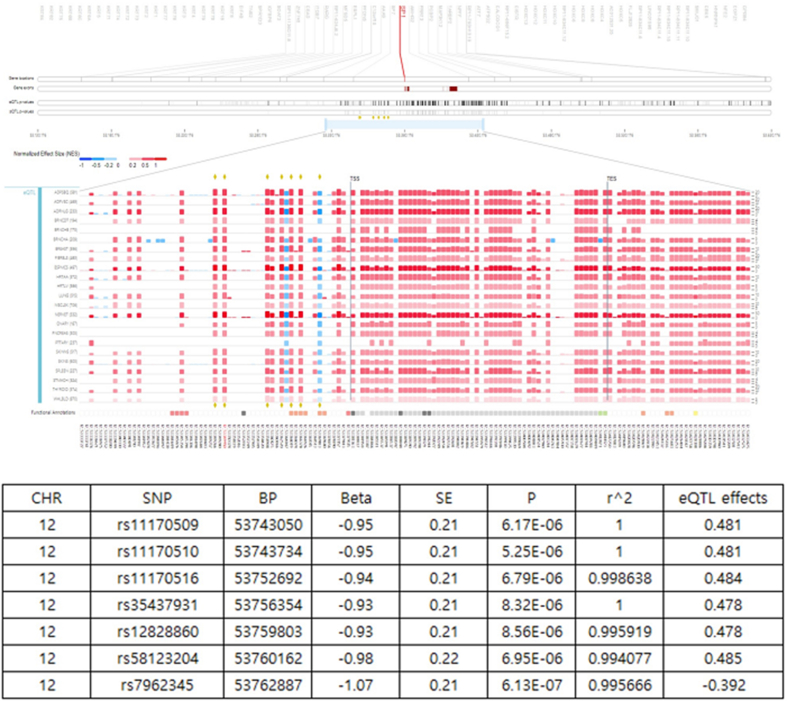 Figure 1
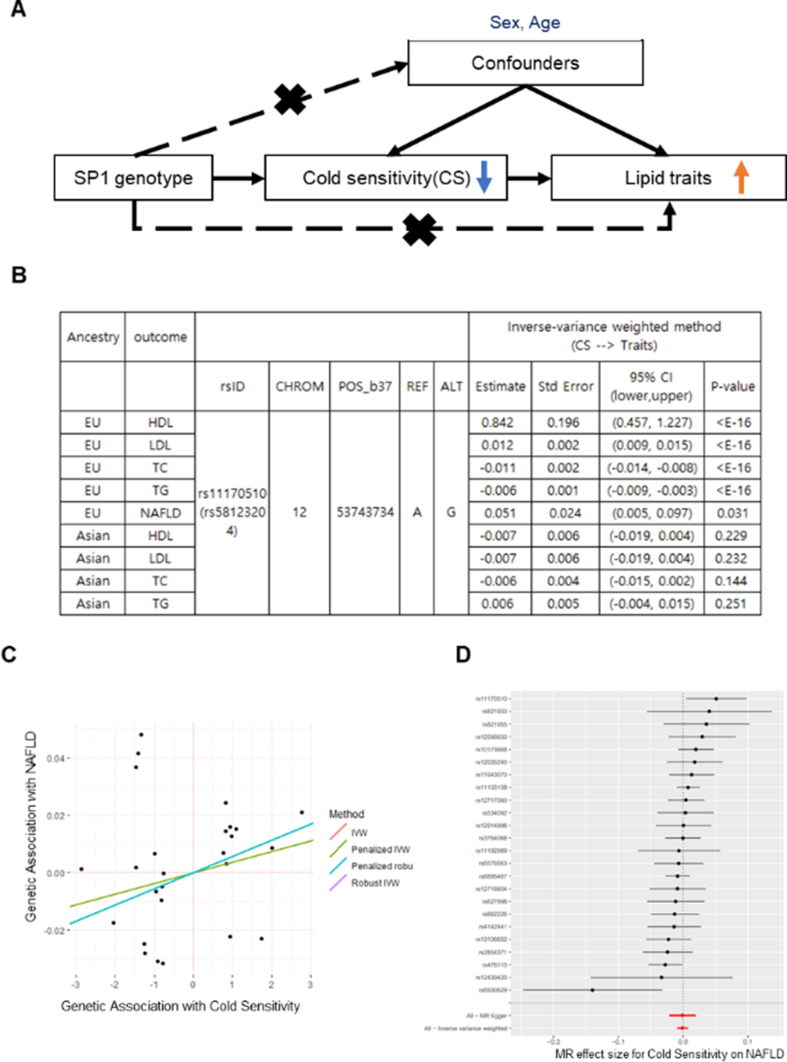 Figure 2
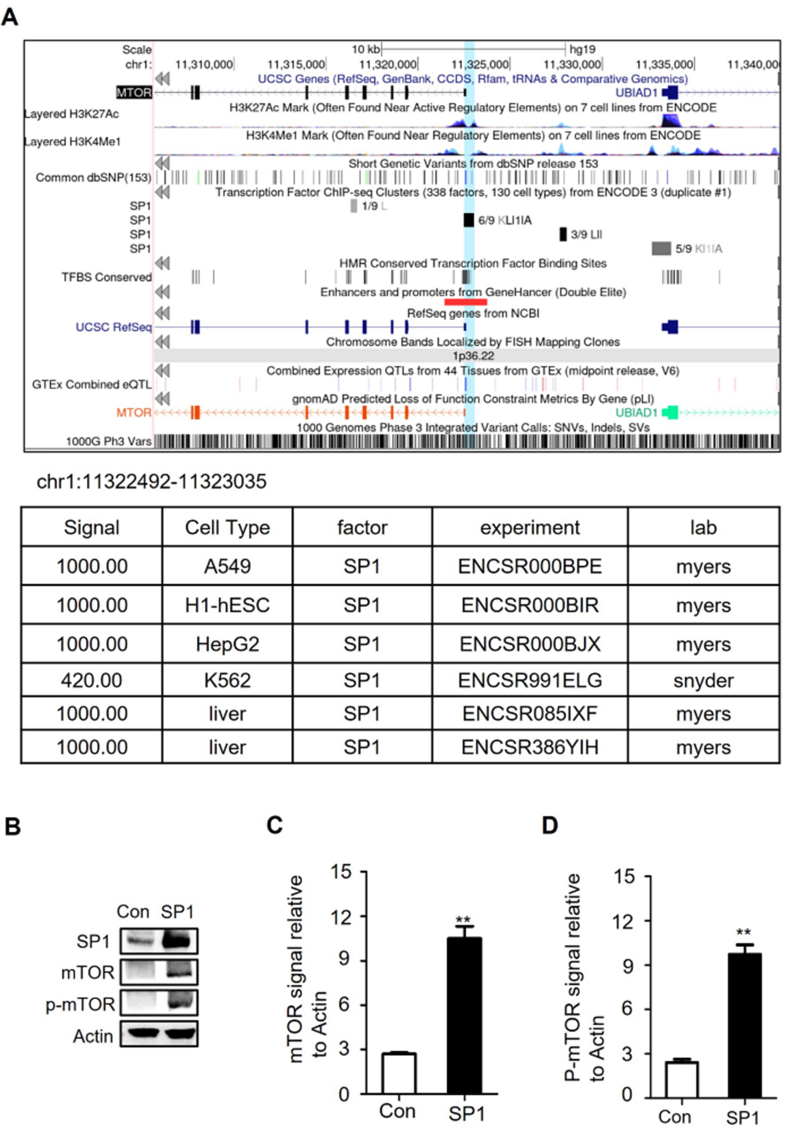 Figure 3
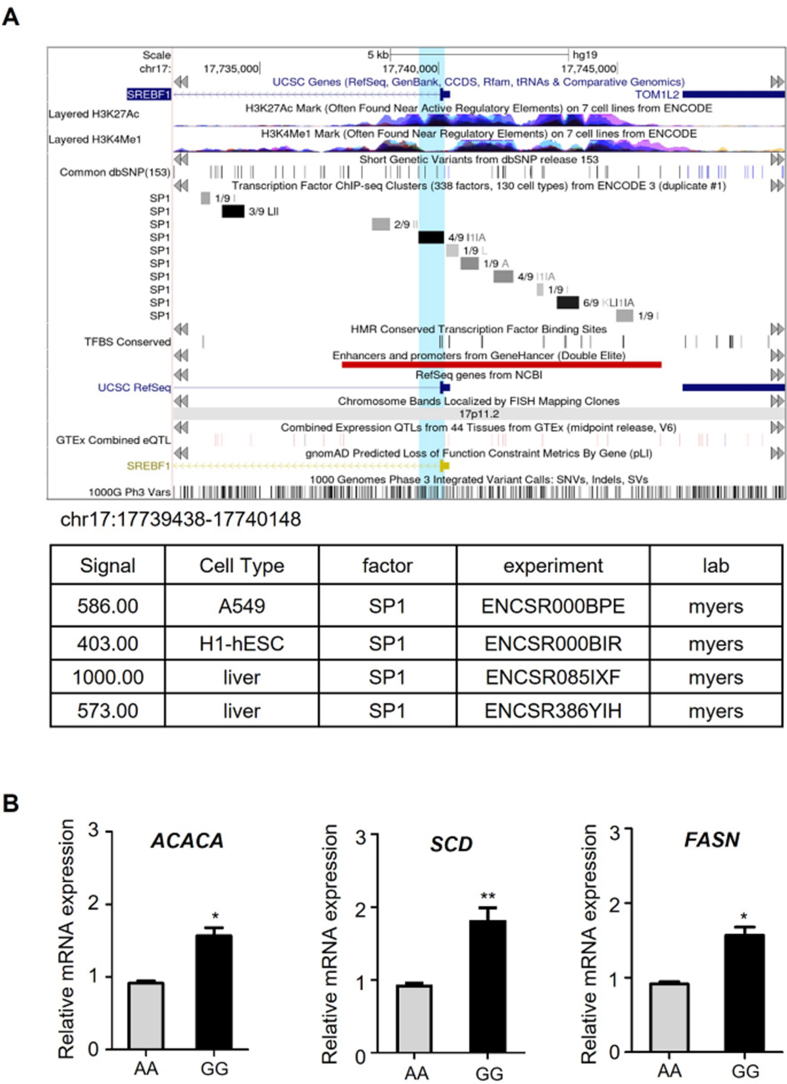 Figure 4
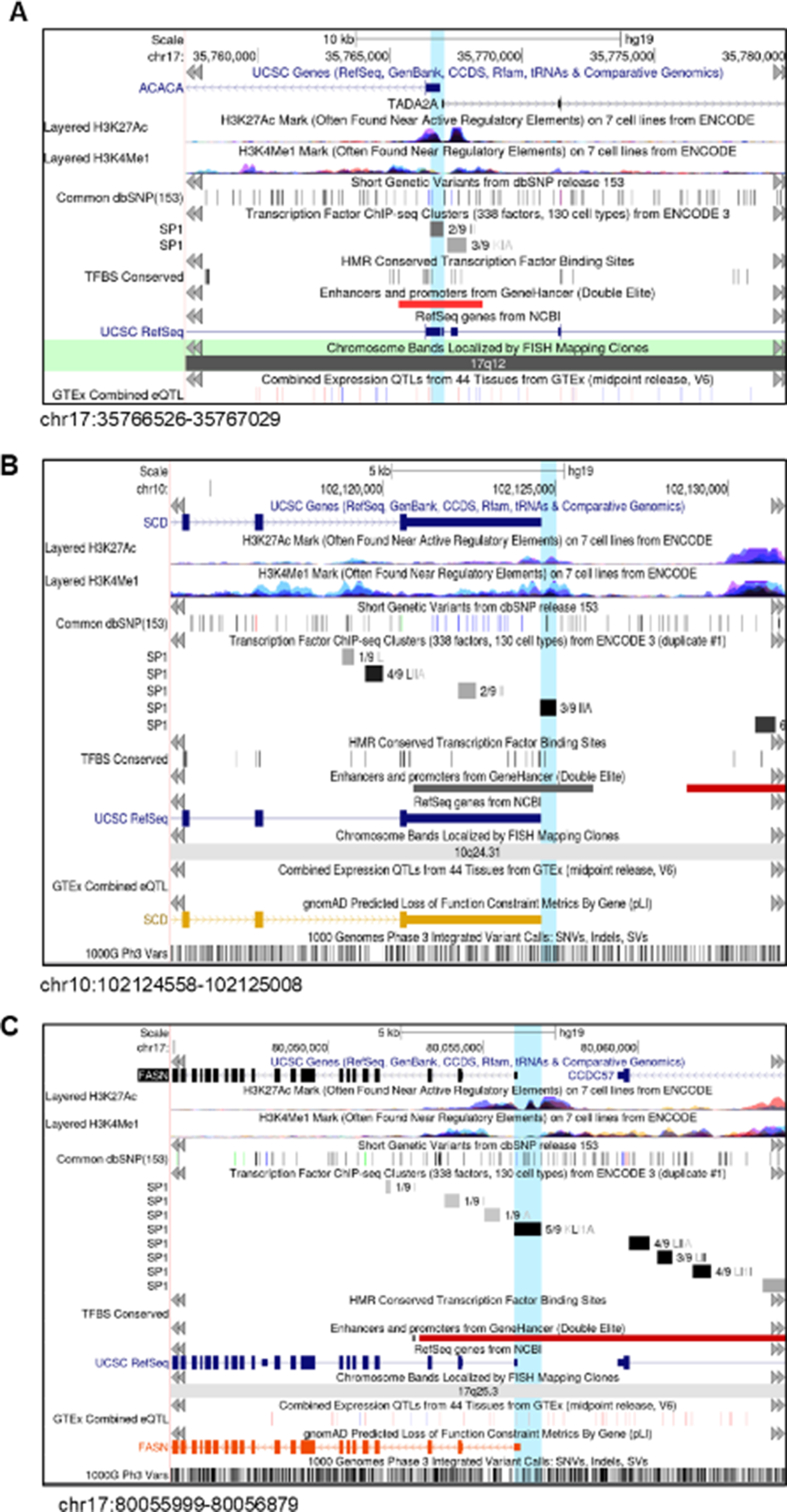 Figure 5
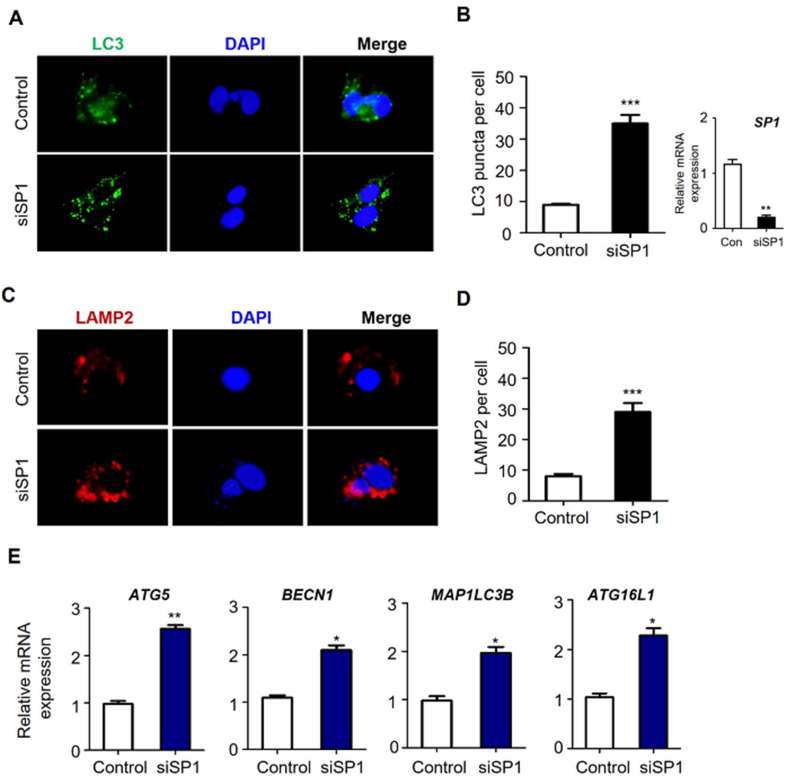 Figure 6
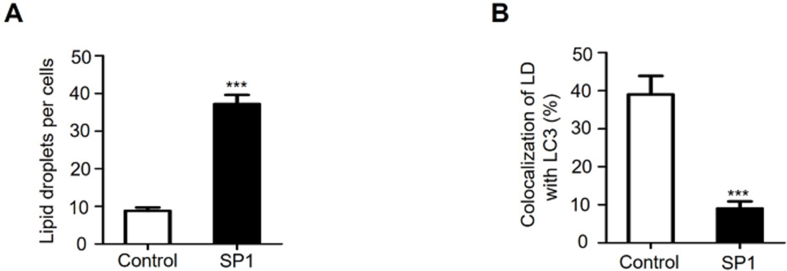 Figure 7
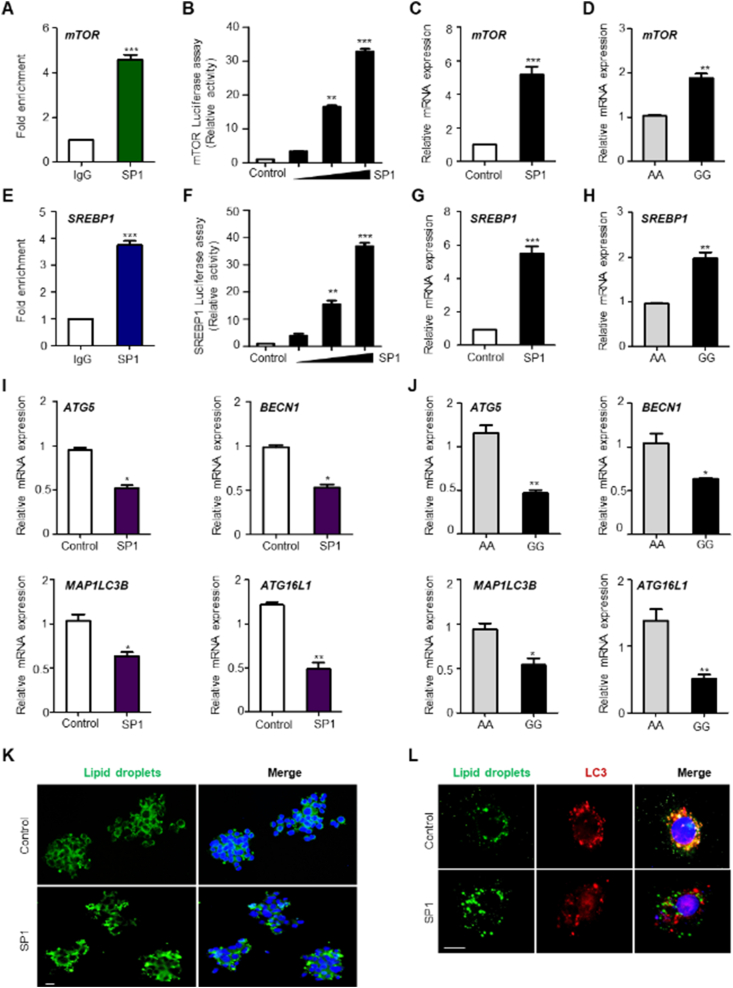 Figure 8
Peer Reviews
No public reviews on file for this paper yet. If you reviewed it on a platform where reviews are public (OpenReview, ICLR, NeurIPS, ICML), you can paste yours below so the community can read it here.
Videos
No videos yet. Explain this paper in a talk, walkthrough, or lecture? Add one.
Taxonomy
TopicsCancer, Lipids, and Metabolism · Lipid metabolism and biosynthesis · RNA Research and Splicing
Lipid metabolism abnormalities are influenced by external and internal factors. Cold hypersensitivity refers to experiencing a cold sensation when the environment is not considered cold, and is clinically closely related to dyslipidemia (see supplementary background).1 Specificity protein 1 (SP1) is a key transcriptional activator and genetic factor associated with cold sensitivity (CS),2 and it contributes to lipogenic pathways3 and regulates the autophagy process4; nonetheless, its role in lipid metabolism in CS is currently unclear. Herein, we aimed to explore the roles of SP1 gene variants associated with CS in lipid metabolism. Using Mendelian randomization, we confirmed significant genetic causality between SP1 and lipid metabolism parameters, including increased total cholesterol, low-density lipoprotein-C, and triglyceride levels, and reduced high-density lipoprotein-C levels. Variant alleles at SP1 functional polymorphisms resulted in up-regulated transcriptional activation of mechanistic target of rapamycin (mTOR) and sterol regulatory element-binding transcription factor 1 (SREBP1) and down-regulated lipophagy. We thus revealed that de novo lipogenesis and lipophagy are regulated by gene variants of SP1. These results provide insights into the diagnosis and prediction of treatment response in patients with abnormal lipid metabolism.
Using single-nucleotide polymorphisms associated with CS (Fig. S1) as instrumental variables in Mendelian randomization analysis, we investigated the potential causal relationship between CS and lipid traits (Fig. S2A). We examined the influence of the regulating tagSNP (rs11170510) of SP1 on lipid metabolism traits (see supplementary materials and methods). Our analysis revealed a significant causal relationship between lipid metabolism (nonalcoholic fatty liver disease, NAFLD) and variations in SP1. We then used Mendelian randomization to analyze the effect of CS on NAFLD as an instrumental variable; results revealed that CS positively affected NAFLD (Estimate = 0.051; standard error = 0.024; 95% confidence interval, 0.005 to 0.097; P = 0.031) (Fig. S2C, D). These findings suggest a causal relationship between genetic inhibition of CS and altered lipid levels. It was confirmed, via ENCODE tools, that mTOR and SREBP1 were among the lipid metabolism genes regulated by SP1 (Fig. S3A, S4A). A chromatin immunoprecipitation assay revealed that SP1 was significantly enriched in the promoter region of mTOR (Fig. 1A). mTOR promoter activity was enhanced by SP1 binding in HepG2 cells (Fig. 1B). Real-time reverse-transcription PCR in HepG2 cells showed that mTOR mRNA levels were significantly increased by SP1 (Fig. 1C). mTOR expression was up-regulated in the peripheral blood mononuclear cells (PBMCs) of the Korean Medicine Daejeon Citizen Cohort (KDCC) cohort with variant alleles, which increased SP1 mRNA levels compared with those in PBMCs with reference alleles (Fig. 1D). Furthermore, we investigated whether SREBP1 was concurrently regulated by SP1 in the mTOR-SREBP1 signaling pathway during de novo lipogenesis. SP1 occupied the promoter region of SREBP1 and up-regulated the transcriptional activity of SREBP1 in HepG2 cells (Fig. 1E, F). SREBP1 mRNA levels substantially increased following SP1 overexpression in HepG2 cells (Fig. 1G). SREBP1 mRNA levels were enhanced more in PBMCs harboring variant alleles of SP1 than in those harboring the reference alleles (Fig. 1H). Acetyl-CoA carboxylase alpha (ACACA), stearoyl-CoA desaturase (SCD), and fatty acid synthase (FASN) mRNA levels were enriched in PBMCs harboring SP1 variant alleles (Fig. S4B). Furthermore, the ENCODE ChIP-seq dataset confirmed significant SP1 occupancy in the promoter regions of ACACA, SCD, and FASN (Figs. S5A, S5B, S5C). These results suggest that the lipogenic pathway genes are regulated by SP1 gene variants. Our results show that SP1 regulated mTOR expression. We then investigated whether SP1 affected autophagy. SP1 knockdown considerably increased the number of autophagic vesicles (LC3A/B puncta) compared with that under control conditions in HepG2 cells (Fig. S6A, S6B). siSP1 caused a significant enhancement in the levels of the lysosomal marker lysosomal-associated membrane protein 2 (LAMP2) in HepG2 cells compared with those in control cells (Fig. S6C, S6D). SP1 was overexpressed in HepG2 cells, and mRNA expression of autophagy-related 5 (ATG5), beclin 1 (BECN1), autophagy-related 16-like 1 (ATG16L1), and microtubule-associated protein 1 light chain 3 beta (MAP1LC3B) was down-regulated (Fig. 1I). ATG5, BECN1, ATG16L1, and MAP1LC3B mRNA levels in PBMCs with the variant allele were down-regulated compared with those in PBMCs with the reference allele (Fig. 1J). These results suggest that SP1 is associated with down-regulated autophagy activation and transcriptional activity of autophagy-related genes according to the variant alleles. We confirmed that SP1 overexpression regulated mTOR and SREBP1 expression. We thus investigated whether SP1 overexpression induced lipid accumulation in cells. SP1 overexpression in HepG2 cells significantly increased the number of lipid droplets (Fig. 1K; Fig. S7A). siSP1 up-regulated the levels of light chain 3 (LC3) puncta and LAMP2 protein (Fig. S6A, S6C), and that the expression of autophagy genes was reduced by increased expression of SP1 associated with the SP1 variant alleles (Fig. 1J). We confirmed that, in HepG2 cells harboring the SP1-overexpression plasmid, co-localization of lipid droplets and autophagosomes was significantly decreased compared with that in cells harboring the control plasmid, and droplets increased by SP1 overexpression demonstrated a low rate of removal by autophagy (Fig. 1L; Fig. S7B). Our clinical results also showed that TG levels increased in cases with the increased expression-associated SP1 variant allele (Table S1). These findings suggest that variant alleles of SP1 induce lipid accumulation and inhibit lipophagy in lipid metabolism.Figure 1SP1, mediated by gene variants, affects lipogenesis and lipophagy. (A) HepG2 cells were transfected with control vector or SP1 constructs and subjected to chromatin immunoprecipitation assays using an IgG antibody or anti-SP1 antibody, followed by RT-PCR to determine mTOR expression. (B) HepG2 cells were transfected with an mTOR reporter plasmid (1 μg) or the SP1 plasmid (0.1, 0.5, and 1 μg). HepG2 cells were used for luciferase activity assays. (C) HepG2 cells were transfected with the SP1 construct (1 μg), and RT-PCR was performed to determine mTOR mRNA expression. (D) PBMCs bearing the reference alleles or variant alleles of rs11170510 or rs58123204 (n = 10, reference alleles AA; n = 10, variant alleles GG) were subjected to RT-PCR using a primer for mTOR. (E) HepG2 cells were transfected with the control vector or SP1 construct (1 μg) and subjected to chromatin immunoprecipitation assays using an IgG antibody or anti-SP1 antibody, and RT-PCR with primers for SREBP1. (F) HepG2 cells were transfected with an SREBP1 reporter or the SP1 construct (0.1, 0.5, and 1 μg) and subjected to luciferase activity assays. (G) HepG2 cells were transfected with the SP1 construct (1 μg), and RT-PCR was performed to detect SREBP1 mRNA. (H) PBMCs were used for RT-PCR for SREBP1 mRNA (n = 10, reference alleles AA; n = 10, variant alleles GG). (I) HepG2 cells were transfected with SP1 construct (1 μg), and RT-PCR was performed using primers for ATG5, BECN1, ATG16L1, and MAP1LC3B. (J) PBMCs were used for RT-PCR of ATG5, BECN1, ATG16L1, and MAP1LC3B (n = 10, reference alleles AA; n = 10, variant alleles GG). (K, L) HepG2 cells were transfected with the control vector or SP1 construct (1 μg). (K) HepG2 cells were stained for BODIPY 493/503. Scale bar: 10 mm. (L) Immunofluorescence microscopy analysis of a merge of lipid droplet and LC3 staining. Scale bar: 10 mm. Experiments were repeated at least three times. Data represent mean ± standard deviation. ∗P < 0.05, ∗∗P < 0.01, and ∗∗∗P < 0.001. PBMC, peripheral blood mononuclear cell; SP1, specificity protein 1; RT-PCR, quantitative real-time reverse-transcription; mTOR, mechanistic target of rapamycin; SREBP1, sterol regulatory element-binding transcription factor 1; ATG5, autophagy-related 5; BECN1, beclin 1; ATG16L1, autophagy-related 16-like 1; LC3, light chain 3.Figure 1
Excessive hepatic de novo lipogenesis functions as a pathological factor in lipid metabolism and contributes to the development of NAFLD and type 2 diabetes.5 In this study, which explored the impact of internal factors on de novo lipid metabolism, the SP1 gene variants up-regulated the transcriptional activity of mTOR and SREBP1 in HepG2 cells. The expression of key enzymes of lipid synthesis, ACACA, SCD, and FASN, was up-regulated in the presence of the variant SP1 alleles, which increased SP1 mRNA levels. We revealed a previously unknown role for SP1 gene variants in contributing to de novo lipogenesis in liver cells. The increase in SP1 resulted in a decrease in autophagosomes and autophagolysosomes, and the increased lipid droplets produced by SP1 overexpression were less likely to be removed by lipophagy. These results suggest that an increase in SP1 levels by genetic factors disrupts the homeostasis of lipid droplets. Lipophagy is associated with metabolic diseases, and studies have reported that abnormal control of lipophagy causes obesity, diabetes, alcoholic fatty liver disease, NAFLD, and liver fibrosis. Therefore, investigating the role of genetic factors in lipophagy is important for the prevention and treatment of metabolic diseases. In conclusion, our findings illustrate a previously unrecognized role of genetic variants in SP1 associated with CS and describe the mechanisms by which it regulates de novo lipogenesis through up-regulated transcriptional activation of mTOR and SREBP1 and lipophagy through down-regulated autophagy activation and transcriptional activity of autophagy-related genes in lipid metabolism. This confirms the biological mechanism underlying the clinically known relationship between CS and lipid metabolism through Mendelian randomization analysis of SP1 genetic variations and experimental validation.
Our study has a few limitations. First, we evaluated whether SP1 functional polymorphisms induce transcriptional activation of mTOR, SREBP1, and autophagy genes; however, we did not examine other genes regulated by SP1. Further, future research is required to identify other genes regulated by SP1 variants. Second, for the same reason, we did not perform Mendelian randomization analysis for all gene variants related to CS. In the future, we aim to confirm the genetic causality linking CS to lipid metabolism parameters. Finally, follow-up data were not available for the KDCC cohort; therefore, we could not detect lipid metabolism-related diseases associated with SP1 variants by analyzing follow-up data in a cohort study. Nevertheless, approaches based on targeting SP1 genetic variants could provide insights into the diagnosis and prediction of treatment response for diseases associated with abnormal lipid metabolism.
CRediT authorship contribution statement
Soo Yeon Kim: Conceptualization, Formal analysis, Methodology, Writing – original draft, Writing – review & editing, Data curation, Validation, Visualization. Hyo-Jeong Ban: Conceptualization, Data curation, Formal analysis, Methodology, Software, Visualization, Writing – original draft, Writing – review & editing, Investigation. Siwoo Lee: Data curation, Funding acquisition, Resources. Hee-Jeong Jin: Conceptualization, Formal analysis, Investigation, Methodology, Project administration, Resources, Supervision, Visualization, Writing – original draft, Writing – review & editing.
Ethics declaration
Informed consent was obtained from all participants in the study. The Institutional Review Board at the KIOM and Dunsan Korean Medicine Hospital of Daejeon University reviewed and approved this study (IRB No. DJDSKH-17-BM-12).
Funding
This study was supported by the “Development of Korean Medicine Original Technology for Preventive Treatment based on Integrative Big Data” grant from the 10.13039/501100003718Korea Institute of Oriental Medicine (No. KSN1739121).
Conflict of interests
The authors declared no competing interests.
The reference list from the paper itself. Each links out to its DOI / PubMed record.
- 1Bae K.H.Go H.Y.Park K.H.Ahn I.Yoon Y.Lee S.The association between cold hypersensitivity in the hands and feet and chronic disease: results of a multicentre study BMC Compl Alternative Med 18120184010.1186/s 12906-018-2082-3PMC 579334129385996 · doi ↗ · pubmed ↗
- 2Kim S.Y.Ban H.J.Lee S.Jin H.J.Regulation of CIRP by genetic factors of SP 1 related to cold sensitivity Front Immunol 13202299469910.3389/fimmu.2022.994699 PMC 952428836189232 · doi ↗ · pubmed ↗
- 3Cheng Y.Huang L.Ping J.Chen T.Chen J.Micro RNA-199a-3p attenuates hepatic lipogenesis by targeting Sp 1Am J Transl Res 9420171905191328469795 PMC 5411938 · pubmed ↗
- 4Xu X.W.Pan C.W.Yang X.M.Zhou L.Zheng Z.Q.Li D.C.SP 1 reduces autophagic flux through activating p 62 in gastric cancer cells Mol Med Rep 1732018463346382932844410.3892/mmr.2018.8400 · doi ↗ · pubmed ↗
- 5Sanders F.W.B.Griffin J.L.De novo lipogenesis in the liver in health and disease: more than just a shunting yard for glucose Biol Rev Camb Phil Soc 912201645246810.1111/brv.12178 PMC 483239525740151 · doi ↗ · pubmed ↗