Assessment of chitosan-based edible coatings containing bioactive compounds derived from agricultural residue for improving postharvest quality characteristics of tomato (Solanum lycopersicum L.)
Sujeeta Yadav, Kamla Malik, Kashish Sharma, Pushpa Dhillon, Dandu Harikarthik

TL;DR
This study shows that edible coatings made from rice and wheat straw can extend the shelf life of tomatoes while preserving their quality and reducing disease.
Contribution
The novel use of bioactive compounds from agricultural residues in chitosan-based coatings to improve tomato postharvest quality is presented.
Findings
Tomatoes coated with wheat straw extract had the lowest weight loss and disease incidence after 30 days.
Wheat straw extract coatings preserved lycopene and beta-carotene levels better than rice straw extract coatings.
Edible coatings enriched with straw extracts offer a sustainable alternative to conventional packaging.
Abstract
This study aimed to evaluate the impact of bioactive-based edible coatings on the shelf life of tomatoes. Bioactive compounds were extracted from rice and wheat straw. Different concentrations of phenolic extracts (0.2–1.0 g/mL) were blended with 1% chitosan and applied to fresh tomatoes stored at 28 °C and 74%−84% relative humidity (RH) for 30 days. Periodic evaluations revealed that tomatoes coated with 1.0 g/mL extract of rice and wheat straw coatings were highly effective in maintaining tomato quality as compared to controls. Tomatoes coated with 1.0 g/mL extract of wheat straw exhibited the most favorable results, including delayed weight loss (1.29%), slowed ripening, reduced pH levels, and lower lycopene (2.79 mg/100 g) and beta-carotene (0.62 mg/100 g) contents as compared to those coated with coatings containing rice straw extracts. Additionally, wheat straw extract-coated…
Genes, proteins, chemicals, diseases, species, mutations and cell lines named across the full text — each resolved to its canonical identifier and authoritative record.
Click any figure to enlarge with its caption.
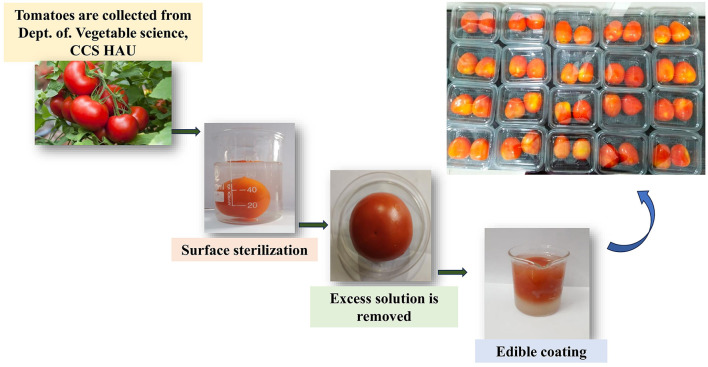 Figure 1
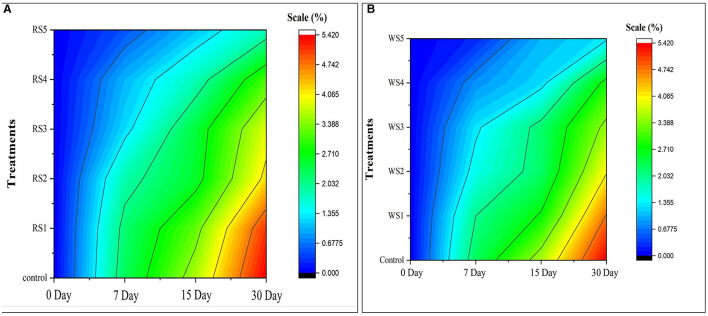 Figure 2
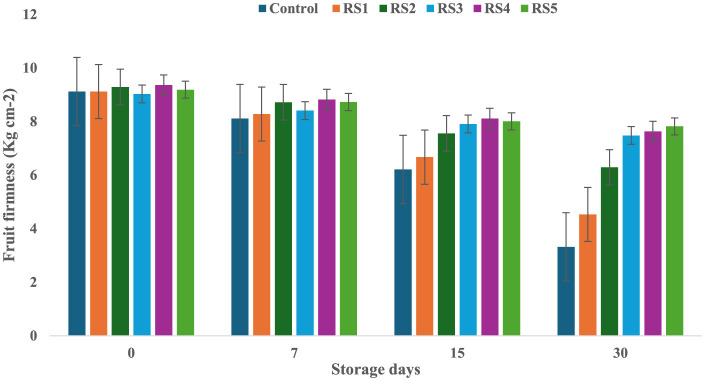 Figure 3
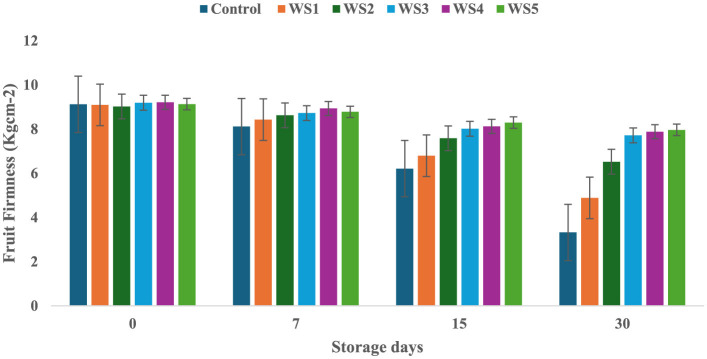 Figure 4
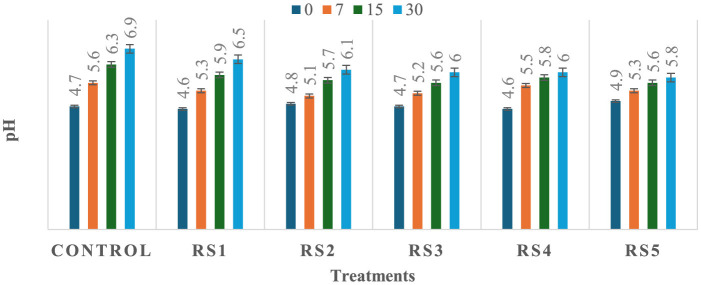 Figure 5
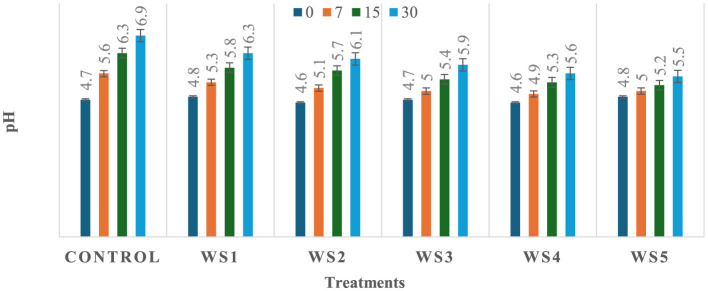 Figure 6
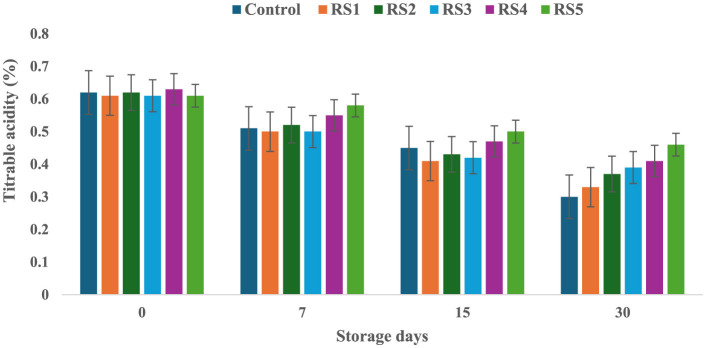 Figure 7
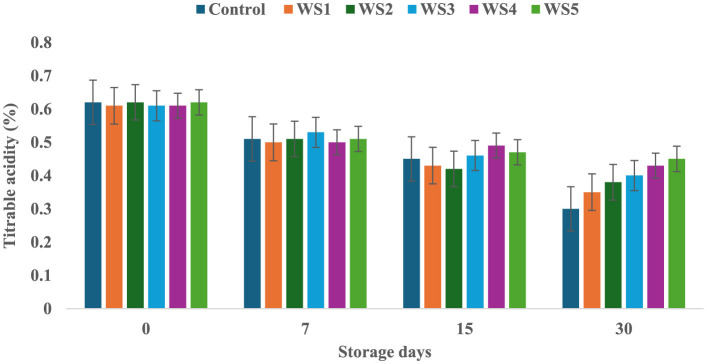 Figure 8
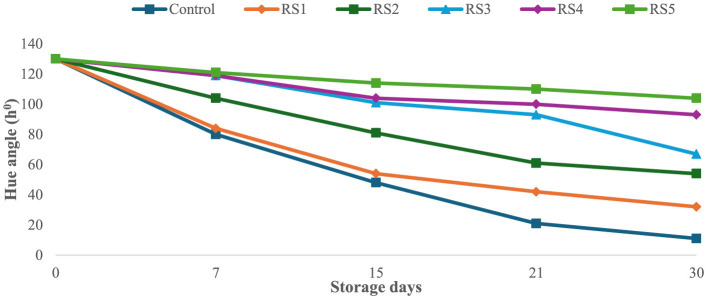 Figure 9
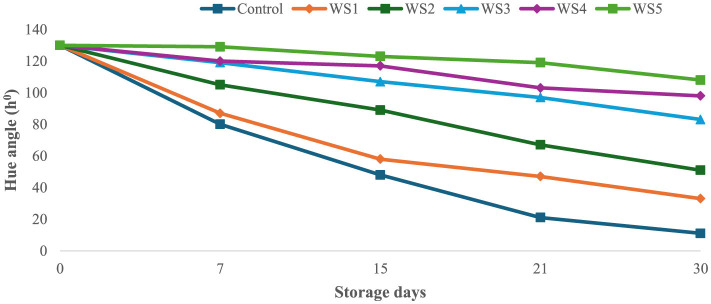 Figure 10
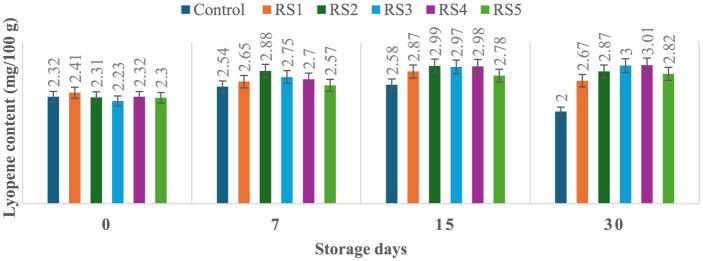 Figure 11
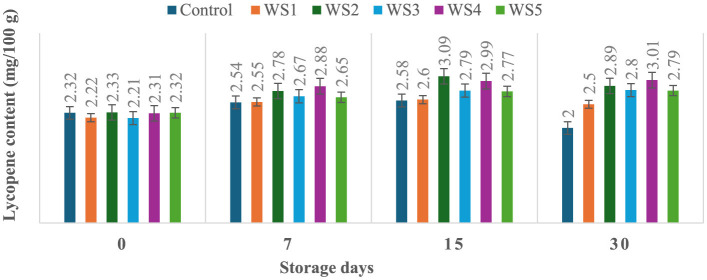 Figure 12
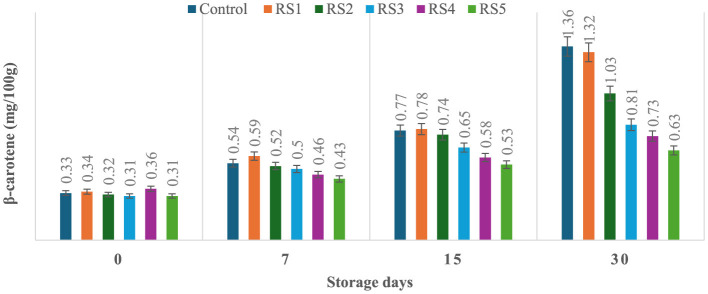 Figure 13
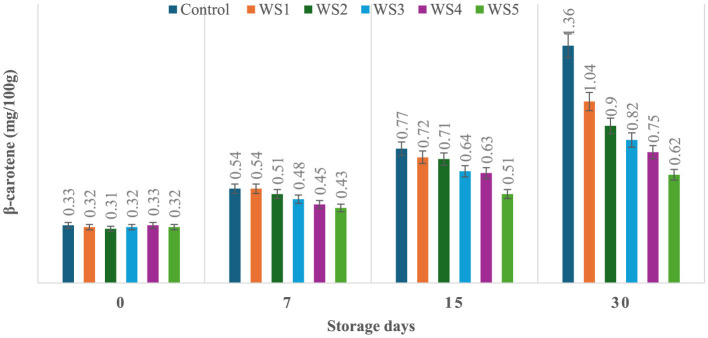 Figure 14
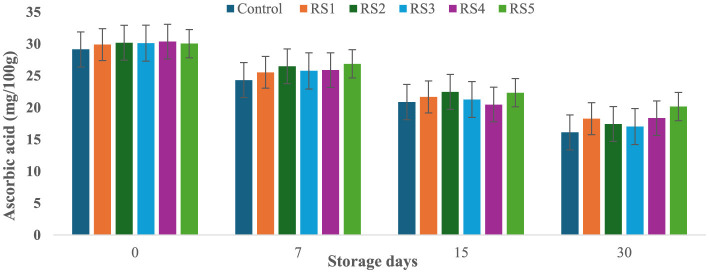 Figure 15
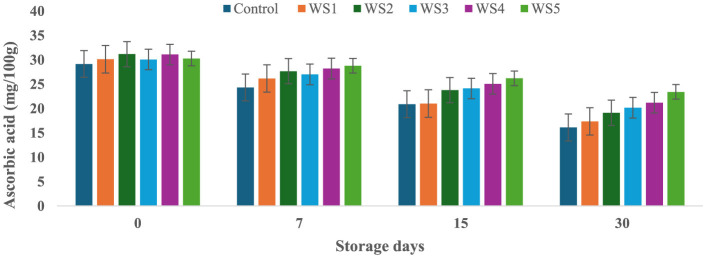 Figure 16
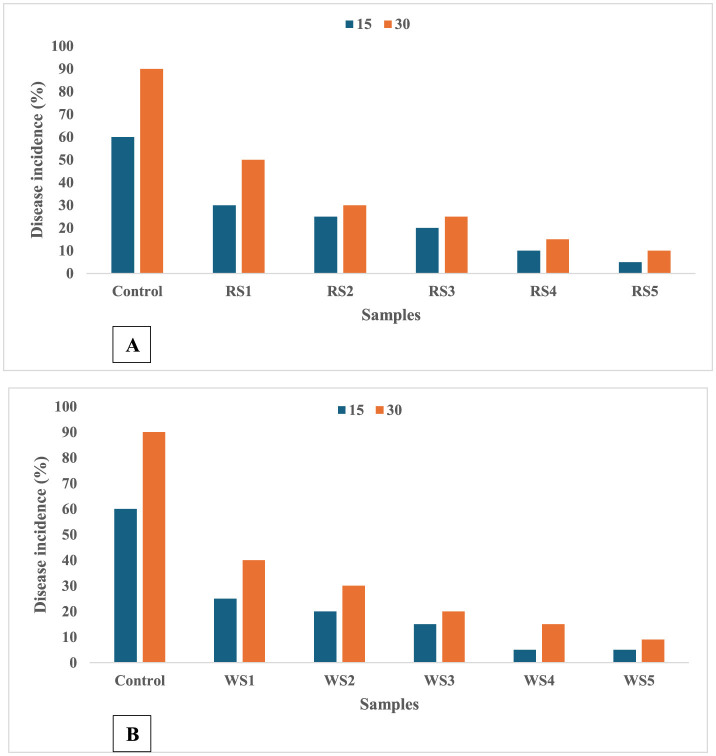 Figure 17
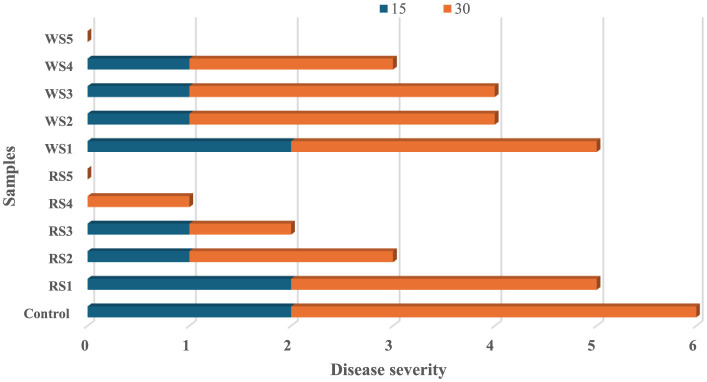 Figure 18
|
|
|
|
|---|---|---|
| Control | 0 | 0 |
| RS1 | 95 | 0.2 g/mL |
| RS2 | 95 | 0.4 g/mL |
| RS3 | 95 | 0.6 g/mL |
| RS4 | 95 | 0.8 g/mL |
| RS5 | 95 | 1.0 g/mL |
| WS1 | 95 | 0.2 g/mL |
| WS2 | 95 | 0.4 g/mL |
| WS3 | 95 | 0.6 g/mL |
| WS4 | 95 | 0.8 g/mL |
| WS5 | 95 | 1.0 g/mL |
|
|
| ||
|---|---|---|---|
|
| |||
|
|
|
| |
| Control | 2.31 ± 0.102d | 3.62 ± 0.116e | 5.42 ± 0.035f |
| RS1 | 2.19 ± 0.055d | 3.23 ± 0.045d | 5.11 ± 0.065e |
| RS2 | 1.86 ± 0.050c | 2.53 ± 0.061cd | 4.19 ± 0.047de |
| RS3 | 1.23 ± 0.075b | 2.46 ± 0.051c | 3.87 ± 0.031c |
| RS4 | 1.02 ± 0.032b | 1.79 ± 0.026b | 3.11 ± 0.025b |
| RS5 | 0.43 ± 0.099a | 1.09 ± 0.041a | 1.79 ± 0.038a |
| C.D @5% | 0.24 | 0.20 | 0.15 |
|
|
| ||
|---|---|---|---|
|
| |||
|
|
|
| |
| Control | 2.31 ± 0.11f | 3.62 ± 0.12e | 5.42 ± 0.03ef |
| WS1 | 2.03 ± 0.04e | 2.76 ± 0.14d | 4.76 ± 0.08e |
| WS2 | 1.52 ± 0.06de | 2.23 ± 0.04bc | 4.03 ± 0.08d |
| WS3 | 1.18 ± 0.02c | 2.19 ± 0.05b | 3.52 ± 0.06cd |
| WS4 | 0.83 ± 0.09b | 1.22 ± 0.07ab | 2.86 ± 0.03b |
| WS5 | 0.26 ± 0.03a | 1.02 ± 0.03a | 1.29 ± 0.09a |
| C.D @5% | 0.21 | 0.29 | 0.17 |
Peer Reviews
No public reviews on file for this paper yet. If you reviewed it on a platform where reviews are public (OpenReview, ICLR, NeurIPS, ICML), you can paste yours below so the community can read it here.
Videos
No videos yet. Explain this paper in a talk, walkthrough, or lecture? Add one.
Taxonomy
TopicsNanocomposite Films for Food Packaging · Postharvest Quality and Shelf Life Management · Essential Oils and Antimicrobial Activity
Highlights
Wheat straw extract (1.0 g/mL) coating reduced weight loss to 1.29 % and minimized ripening in tomatoes during 30 days of storage.Coated tomatoes retained lower lycopene (2.79 mg/100 g) and beta-carotene (0.62 mg/100 g), indicating better nutritional preservation.Edible coatings enriched with bioactive compounds from rice and wheat straw extracts were successfully developed, offering an eco-friendly solution for extending the shelf life of tomatoes.Tomatoes coated with a higher concentration of bioactive extracts showed significantly lower disease occurrence and severity compared to control samples.
1 Introduction
Currently, agriculture faces the dual challenge of meeting the increasing global demand for food production while adopting sustainable practices to minimize waste generated from agricultural activities. Over the past 50 years, the global population has increased from 3.7 billion to 7.9 billion and is projected to reach 8.6 billion by 2030, 9.8 billion by 2050, and 11.2 billion by 2100, according to a United Nations report (1). This rapid population growth has driven the need for increased agricultural output, which, in turn, has resulted in the generation of sustainable amounts of agricultural waste (2). Such waste contains valuable polyphenolic compounds, including flavonoids, tannins, phenolic acids, and anthocyanins, which offer potential for reuse in sustainable technologies such as edible coatings and films. Utilizing these compounds presents a promising solution for extending the shelf life and maintaining the quality of fruits and vegetables during postharvest storage. In recent times, consumers have become more worried about their food habits, rejecting products with additives and giving preference to fresh ones. Therefore, there is a dire need to develop a biodegradable edible coating for prolonging the shelf life of fruits and vegetables and preserving the nutritional quality of the fruit by minimizing the degradation of vitamins and antioxidants, potentially making them a sustainable alternative to traditional packaging methods.
Tomato (Solanum lycopersicum L.) is one of the most widely cultivated and significant crops, ranking second only to potatoes in annual global production (3). Despite being a rich source of vitamins and antioxidants, tomatoes are highly perishable, with a typical shelf life of 4 to 8 days at room temperature. Their rapid spoilage is primarily due to pathogenic infections, leading to significant postharvest losses (4, 5). Traditional packaging materials, such as polyethylene and polyvinyl chloride, have been widely used to mitigate these losses (6). However, these non-biodegradable materials pose significant environmental challenges, prompting increased interest in sustainable alternatives (7). Recently, biodegradable packaging materials have gained attention for their eco-friendly characteristics (8, 9). Edible coatings, composed of materials classified as Generally Recognized as Safe (GRAS), offer a promising solution for extending the shelf life of perishable produce (10). Among these, edible films, primarily composed of proteins or polysaccharides, have emerged as a promising solution, with polysaccharide-based packaging materials receiving particular focus (11–13). Among polysaccharide-based coatings, chitosan stands out for its favorable properties, including film-forming ability, biodegradability, antimicrobial activity, and antioxidant capacity (14, 15). However, its limitations, such as water sensitivity and poor mechanical strength, necessitate the incorporation of bioactive compounds such as polyphenols and compatible plasticizers to overcome this limitation by increasing the free volume and molecular mobility within the amorphous polymer matrix, thereby reducing intermolecular hydrogen bonding interactions and improving film flexibility (16, 17).
Agricultural wastes such as rice straw and wheat straw are rich in phenolic compounds with antioxidant and antimicrobial properties. Utilizing these extracts in chitosan-based films can reduce respiration rates, limit oxidative damage, and inhibit microbial growth, making them highly effective for extending the shelf life of tomatoes (18). Considering the present issue of the short shelf life of tomato fruits, this study aimed to develop and evaluate chitosan-based edible coatings enriched with phenolic extracts from agricultural waste to improve the postharvest quality and shelf life of Hisar Arun tomatoes, providing a sustainable alternative to conventional preservation methods. The objective of this study was to analyze the physiochemical (physiological loss, color, firmness, pH, and titrable acidity) and nutritional (ascorbic acid, lycopene, and β-carotene content) parameters of tomato during different intervals of storage.
2 Material and methods
2.1 Materials
Agricultural waste, such as rice straw and wheat straw, was collected from fields of CCS Haryana Agricultural University, Hisar, Haryana, India. All chemicals used in the study were of analytical grade and purchased from Thermo Scientific (Rockford, IL, USA). Fresh fruits of tomato (Hisar Arun) at the light red stage of ripening were procured from the farm of the Department of Vegetable Sciences, CCS Haryana Agricultural University, Hisar (Haryana) at 11:00 a.m. and transported in perforated plastic crates under ambient field temperature conditions (~30 °C).
2.2 Methods
Dried powder of rice and wheat straw was pretreated with NaOH (1.5%) and 5% H_2_SO_4_ at 90 °C with continuous stirring for 2 h as described by Kim and Han (78). Ultrasound-assisted extraction (UAE) (Vibra Cell^TM^ VCX750, Sonics & Materials, Inc., Newtown, CT, USA) was used for extraction of bioactive compounds from pretreated rice and wheat straw using 80% methanol as a solvent under ultrasonic field conditions at 40 °C for 55 min (maintaining the sample in an ice bath to prevent heating), using 750 W power, 20 kHz frequency, and 50% sonication amplitude. The solvent was further removed using a rotary evaporator (86, 89). The extracted bioactive compounds were dehydrated using anhydrous sodium sulfate and stored at 4 °C until further use.
2.2.1 Preparation bioactive compound-based coating solution
To prepare the chitosan solution, 1% chitosan was dissolved in a 0.5% aqueous citric acid solution to enhance solubility. The solution was homogenized at 10,000 rpm for 10 min and stirred continuously for 60 min at room temperature (25 ± 2 °C) using a magnetic stirrer (Accumax, Neuation, iStir HP 10M). Next, 5 mL of rice straw (RS) and wheat straw (WS) extracts, with concentrations of 0.2 g/mL, 0.4 g/mL, 0.6 g/mL, 0.8 g/mL, and 1.0 g/mL (Table 1), along with 1 % glycerol as a plasticizer, were added to the prepared chitosan solution. This mixture was stirred for another 60 min at room temperature (25 ± 2 °C). The resulting solution was then used to prepare an edible coating.
2.2.2 Coating of bioactive-based film on Hisar Arun tomatoes
Uniform-sized tomatoes were selected for coating. Initially, tomatoes were rinsed with sodium hypochlorite solution (50 ppm) for 1 min; excess sodium hypochlorite was removed by rinsing with distilled water. The fruits were coated using the immersion method as described by Mhd Haniffa et al. (19). A total of 10 formulations were prepared using rice and wheat straw extracts at concentrations of 0.2, 0.4, 0.6, 0.8, and 1.0 g/mL, along with an uncoated control (C), all maintained at room temperature (25 ± 2 °C). Three tomatoes per sample were used, and each treatment was conducted in three replications during the experiment. Fresh tomatoes were dipped into the coating solution for 1 min, allowed to drain, and air-dried at room temperature to remove excess coating. This process was repeated three times. The tomatoes were then allowed to dry at 25 °C, forming a thin-film coating (Figure 1). After drying, they were placed in polypropylene plastic covers and stored at room temperature. The coated tomatoes were weighed and stored at 25 ± 2 °C and 75 ± 5% relative humidity (RH) for 30 days.
Schematic representation of bioactive compound-based coating on tomato.
2.3 Effect of coating on physicochemical parameters of tomatoes during the storage period
Various physicochemical parameters were analyzed during storage at 25 ± 2 °C and 75 ± 5% RH. Fruit weight loss, color, firmness, pH, and titrable acidity were analyzed at intervals, specifically on days 0, 7, 15, and 30. In addition, the incidence and severity of diseases were assessed on days 15 and 30 of storage to monitor the development of postharvest diseases.
2.3.1 Weight loss
Tomato samples (three fruit per replication) were weighed at day 0 and the end of days 7, 15, and 30 of storage. The difference between the initial and final weight of the fruit was considered as total weight loss during the storage interval and calculated as percentages on a fresh weight basis by the standard (74) method. The results were reported as a weight loss percentage using the following formula:
2.3.2 Change in fruit firmness
The firmness of Hisar Arun tomatoes was evaluated using a handheld fruit pressure tester penetrometer (model BGS - 25 Make Biogen Scientific), equipped with a cylindrical plunger of 8 mm diameter and a firmness scale of 13 kg cm^−2^. To ensure accurate measurements, firmness was assessed on both sides of the equatorial region of each fruit. A total of three tomatoes were tested, with four random measurements taken on each tomato. The firmness of two tomatoes per treatment was measured, and it was expressed in kg cm^−2^. The average of these measurements was recorded and expressed in units of kg cm?^2^.
2.3.3 Change in color and hue angle
The change in color of treated and untreated tomato samples was evaluated using a high-quality colorimeter (BCM-200). The L^^, a^^, b^^ color spaces were employed to evaluate the impact of coatings on color change. The following parameters were recorded: L^^ value (lightness), ranging from 0 (black) to 100 (white); an a^^ value ranging from negative (green) to positive (red); and b^^ value ranging from negative (blue) to positive (yellow). The color of tomatoes on day 0 was used as the reference point, and subsequent color changes were compared to this baseline. To ensure accurate and representative color measurements, multiple surface readings were taken from each sample by randomly repositioning the tomato fruits (20). To obtain the real color change during storage, a^^ and b^^ values were evaluated to calculate the hue angle value using the following equation (21):
where Hue^0^ = 0 represents purple red, 90^0^ represents yellow, 180^0^ represents green–blue, 270^0^ represents blue.
2.3.4 Change in pH
Initially, the fresh tomatoes were juiced using an electric juicer, and then the resulting liquid was filtered through filter paper to remove any solids. The pH of the filtered tomato juice was then measured using a digital pH meter (Eutech, pH 700, Thermo Fisher Scientific) at storage intervals of 0, 7, 15, and 30 days to monitor changes over time. Each sample was analyzed in triplicate.
2.3.5 Change in titrable acidity
The change in total acidity of tomato pulp during storage was determined using titration with 0.1 N NaOH, according to the method described by Ranganna (22). A total of 5 g of fruit pulp was macerated in 5 mL of distilled water, and the mixture was diluted to 100 mL with distilled water. The solution was thoroughly shaken and filtered through Whatman No. 1 filter paper to remove any solids. An aliquot of 20 mL filtrate was titrated with 0.1 N NaOH using 1% phenolphthalein as the indicator, and the endpoint was noted by the appearance of a stable pink color. The acidity of the sample was calculated based on the volume of NaOH used and expressed as a percentage (%).
2.4 Effect of coating on the composition of bioactive compounds of tomatoes during storage
2.4.1 Change in lycopene content
One gram of fresh tomato fruit was extracted twice with 10 mL of an acetone:n-hexane mixture (4:6 ratio). To facilitate extraction, the mixture was allowed to stand in an ice bath for 10 min, followed by centrifugation at 1,370 × g for 10 min. The supernatant was then separated using a separating funnel. The absorbance of the hydrophobic fraction was measured spectrophotometrically at wavelengths of 663, 645, 505, and 453 nm using a UV Vis spectrophotometer (Thermo Scientific™ GENESYS™ series, 180), with acetone as a blank (72). Three replicates were performed for each fruit sample. The lycopene concentration was quantified using the equation proposed by Nagata and Yamashita (23):
2.4.2 Change in β-carotene contents
The concentration of beta-carotene was determined using a colorimetric assay developed by Biswas et al. (24). A total of 500 mg of dried fresh tomato fruits was extracted twice with 5 mL of chilled acetone. The mixture was allowed to stand in an ice bath for 15 min with shaking and then mixed vigorously for 10 min. Subsequently, the mixture was centrifuged at 1,370 × g for 10 min. The resulting supernatants were collected and filtered using Whatman No. 1 filter paper, and their absorbance was measured at wavelengths 663, 645, 505, and 453 nm using a UV-Vis spectrophotometer (Thermo Scientific™ GENESYS™ series, 180). Each sample was analyzed in triplicate. The beta-carotene content was calculated using the following equation:
2.4.3 Change in ascorbic acid
The ascorbic acid content was determined using the method of Mukherjee and Choudhuri (25), which was based on the reduction of 2,4-dinitrophenyl hydrazine. A 0.1 mL aliquot of the sample was properly diluted and then mixed with 1.9 mL distilled water, 1 mL 2,4-dinitrophenyl hydrazine (2%), and a drop of 10% thiourea. The mixture was thoroughly mixed and kept in a boiling water bath for 15 min. After boiling, the mixture was cooled at room temperature, and the absorbance was measured at 530 nm using a UV-Vis spectrophotometer (Thermo Scientific™ GENESYS™ series, 180). The quantity of ascorbic acid was determined by comparing the absorbance reading to a standard curve of ascorbic acid, using concentrations ranging from 10 to 100 μg.
2.5 Disease incidence (DI)
The proportion of tomatoes affected by diseases is referred to as disease incidence. DI was determined as a percentage of fruit having symptoms of diseases such as dots and rots in each batch of storage (5). The percentage of disease incidence of tomatoes was calculated by using the following formula
2.6 Disease severity
Tomato disease severity (DS) was assessed following the method described by Mohamed et al. (26). The severity scale is used as follows: 0 = 0% (no visible symptoms); 1 = 1%−25% (fruit surface slightly necrotic spots and fungal mycelia); 2 = 26%−50% (fruit covered by necrotic spots and fungal mycelia); 3 = 51%−75% (presence of spore mass); and 4 = >75% (fruit appears soft and decayed).
2.7 Statistical analysis
The experimental data were statistically analyzed using analysis of variance techniques (ANOVA), using Duncan's multiple range test following the completely randomized design (CRD) method with the OPSTAT software available on the CCS HAU homepage (http://www.opstat.somee.com/). To visualize the results, heatmap and contour maps of representative data were constructed using R 2019 [3.3.2 (64-bit)] and Origin 2018 (64-bit) software. These analytical tools facilitated a more precise presentation and interpretation of the data by elucidating underlying patterns and variations within the results (82).
3 Results and discussion
3.1 Effect of coating on physiological weight loss of tomatoes
The percentage of weight loss during storage was affected by the maturity stage and biological variances of fruits (5). The different concentrations of extract used in coating treatments significantly affect the loss of weight of tomatoes over the 30 days of storage. Tables 2, 3 show the average weight loss of control and treated tomatoes with different concentrations of rice straw extract and wheat straw extract. After 30 days of storage, the percentage of weight loss was maximum in the control as compared to the treated samples. The minimum weight loss was observed in tomatoes treated with WS5. The RS5-treated sample exhibited physiological losses of 0.43%, 1.09%, and 1.79% at 7, 15, and 30 days of storage, respectively, while the WS5-treated sample showed losses of 0.26%, 1.02%, and 1.29% over the same period. Jiang and Li (27) reported that 2% chitosan coating resulted in minimal weight loss in longan fruit. A notable difference was observed with the coating of rice and wheat straw extract. Das et al. (28) recorded a 3.53% reduction in weight loss in tomatoes coated with rice starch and coconut oil-based edible coating enriched with tea leaf extract compared to the uncoated fruits during storage at 24 °C for 20 days, demonstrating the moisture barrier properties of lipid-based edible coatings.
Similarly, the color change in the contour map of tomatoes (Figure 2) depicts the change in physiological loss in weight (%) of treated and control samples of tomatoes during the storage period. Initially, on day 0, there was no change in physiological weight as indicated by the dark blue. As the storage period increased, a change in color was observed from blue to red. The red color indicates the maximum reduction in weight.
Contour map on physiological loss of weight (%) of control and treated tomatoes with different concentrations of rice straw (A) and wheat straw (B) extract.
The incorporation of chitosan with different concentrations of phenolic extract affects the structural integrity of the coating, potentially increasing the number of pores through which moisture may be more readily lost (29, 30). Weight loss in fresh produce is a critical indicator of postharvest life, as it directly reflects the extent of water loss, respiration, and overall quality degradation. In this study, the storage environment and concentration of extract significantly influenced the transpiration and respiration rates of Hisar Arun tomato fruits, directly impacting their overall quality.
Similar results were observed in previous studies that indicated coatings of biopolymers on pepper (31), beeswax on carrot (80), carvacrol on tomatoes (85), cassava starch and citrus pectin on mango (75), tara gum and lipid on strawberry (83), and whey protein with oregano extract on guava (77) reduce the rate of respiration, delay senescence, and reduce the loss of texture and overall extend the shelf life of fruits and vegetables.
3.2 Effect of coating on firmness of tomatoes
On day 0 of storage, control and treated tomatoes exhibited similar firmness values, which gradually decreased over 7, 15, and 30 days, as shown in Figures 3, 4. Tomatoes treated with varying concentrations of RS and WS extract coating solution consistently showed significantly (p ≤ 0.05) higher firmness values as compared to the control samples. Out of all the treated tomatoes, WS5-coated tomatoes showed higher firmness values as compared to those coated with RS5. During storage, the fruit firmness gradually decreases due to metabolic and physiological processes, including the activity of the polygalacturonase enzyme, which contributes to cell wall softening (32).
Change in fruit firmness of tomatoes during storage with coating of rice straw (RS) extract in different concentrations and uncoated tomatoes [values are mean ± standard deviation (n = 3)].
Change in fruit firmness of tomatoes during storage with coating of wheat straw (WS) extract in different concentrations and uncoated tomatoes [values are mean ± standard deviation (n = 3)].
A similar mechanism for firmness retention was reported by Donjio et al. (88) in tomatoes coated with pineapple peel extract and Arabic gum, which was attributed to the antioxidants present in the pineapple peel extract. In addition, coating materials act as semipermeable barriers that modify the internal atmosphere by reducing oxygen levels and increasing carbon dioxide levels, thereby slowing biochemical reactions and contributing to the preservation of fruit firmness during storage (33). The findings of the present study are consistent with those of Kumar et al. (34), who observed that tomatoes coated with a chitosan–pullulan composite edible coating enriched with pomegranate peel extract maintained higher firmness than the uncoated control during storage at 23 °C for 15 days. The coatings were effective in regulating the respiration rate of the products during postharvest storage, which, in turn, slowed down the ripening process and helped maintain fruit firmness (35). The firmness of fruits is primarily influenced by two key factors: the structural integrity of the cell wall and the turgor pressure within the fruit cells (36). Similarly, the coating of extract of aloe vera and sodium alginate increases the fruit firmness of strawberry during storage (76). A similar study by Tilahun (37) showed that mature green fruits have higher firmness values than those at the fully ripe stage. Fruit firmness typically declines when cell wall integrity is compromised or turgor pressure decreases. In contrast, the minimum water loss was observed in tomatoes treated with RS and WS extracts, i.e., this helped to preserve the cell wall integrity and maintain higher turgor pressure, ultimately leading to improved firmness of fruits (33). By minimizing water loss, the bioactive edible coating played a crucial role in maintaining the structural integrity of the fruit, resulting in a more stable and firmer texture.
3.3 Effect of coating on pH of tomatoes
The observed variation in pH among the treated and untreated samples of tomatoes could be attributed to differences in metabolic processes and their interactions with the applied coating materials, which may influence the rate of respiration and biochemical activities in the fruit, leading to a change in pH. As shown in Figures 5, 6, a significant (p ≤ 0.05) difference in pH values was observed among the stored tomato samples. The lowest pH values, 5.5 and 5.8, were recorded in WS5- and RS5-treated samples after 30 days of storage, whereas the highest pH value, 6.9, was obtained in the control sample of tomatoes. This suggests that the coating materials had a significant impact on the pH levels of the tomatoes, with the WS5 and RS5 treatments resulting in a more acidic environment.
Change in pH of tomatoes during storage with coating of rice straw (RS) extract in different concentrations and uncoated tomatoes [values are mean ± standard deviation (n = 3)].
Change in pH of tomatoes during storage with coating of wheat straw (WS) extract in different concentrations and uncoated tomatoes [values are mean ± standard deviation (n = 3)].
A decrease in pH values may be associated with an increase in the titrable acidity of the tomato fruits, potentially resulting from a lowered respiration rate that slows down the breakdown and consumption of organic acids during storage (27). As a result, the organic acids accumulate, leading to a decrease in pH values and an increase in titrable acidity. Several studies have reported that as tomato fruits transition from the mature-green stage to full ripeness, their pH tends to increase due to the degradation of organic acids during the ripening process (38, 39, 79). Ribeiro-Santos et al. (40) reported a slight increase in pH (from 4.62 to 5.77) in tomatoes coated with cassava starch–chitosan coatings enriched with Lippia sidoides essential oils and pomegranate peel extract during storage at 25 °C for 12 days, compared to the uncoated control. The pH results of the present study are also consistent with those of Firdous et al. (41), who observed a slight increase from 4.98 to 5.00 in tomatoes coated with 80% aloe vera gel and 2% calcium chloride after 30 days of storage. Fruits coated with chitosan have exhibited lower acidity loss, and similar observations were also found in previous studies conducted on strawberry (42, 84), guava and litchi (43), and capsicum (73).
3.4 Change in titrable acidity (TA) of tomatoes during storage
The titrable acidity of tomatoes was significantly affected by the different concentrations of extract during the storage for 30 days. The titrable acidity of the untreated or control sample of tomatoes was significantly (p < 0.05) decreased from 0.62 to 0.30 during the 30 days of storage, but in the treated samples, the titrable acidity was consistently decreased during the storage days. The RS5-treated samples showed a minimum (0.46) decrease in titrable acidity, followed by RS4 (0.41) and RS3 (0.39) (Figure 7). Similarly, the WS5-treated sample showed a minimum (0.45) decrease in titrable acidity, followed by WS4 (0.43) and WS3 (0.40) (Figure 8).
Change in titrable acidity of tomatoes as a function of storage time for coated tomatoes with rice straw (RS) extract in different concentrations (RS1: 0.2, RS2: 0.4, RS3: 0.6, RS4: 0.8, and RS5-1%) and uncoated tomatoes (control) [values are mean ± standard deviation (n = 3)].
Change in titrable acidity of tomatoes as a function of storage time for coated tomatoes with wheat straw (WS) extract in different concentrations (WS1: 0.2, WS2: 0.4, WS3: 0.6, WS4: 0.8, and WS5: 1%) and uncoated tomatoes (control) [values are mean ± standard deviation (n = 3)].
A higher loss of titrable acidity in tomatoes is often associated with increased respiration and ripening rates, as organic acids are utilized as substrates in the respiration process (44). Adjouman et al. (45) reported a significant delay in titrable acidity (TA) changes in tomatoes coated with cassava starch-based composite edible coatings compared to both uncoated fruits and those coated with commercial Semperfresh™. Moreover, another study by Saliba-Colombani et al. (46) had shown that total sugars were positively correlated to pH and titrable acidity. Additionally, studies have found a positive correlation between total sugars and pH/titrable acidity, indicating that fruits with higher sugar content tend to have more free organic acids and lower hydrogen ion concentrations. This suggests that fruits with higher sugar content may have a more acidic pH. Furthermore, it has been observed that titrable acidity content generally decreases during ripening and storage (47). However, maintaining higher fruit acidity is beneficial, as it can reduce the incidence of fungal infection (48). Similar results were also reported by Tigist et al. (87), who observed a general trend of increasing ascorbic acid content during the early ripening stages, followed by a decline at full ripeness of tomatoes. Likewise, Ali et al. (90) found that papaya fruits coated with chitosan exhibited a slower initial increase in ascorbic acid compared to uncoated fruits.
3.5 Effect of coating on color of tomatoes
The bioactive coating formed a thin, homogeneous, semipermeable membrane on the surface of the tomato skin, facilitating controlled gas exchange. Throughout the experimental storage period, noticeable changes were observed in the L^^, a^^, and b^^ values of all the tomato samples. The L^^ values remained stable until the ripening stage, indicating that brightness remained constant, while the tomatoes were green. The L^*^ gradually decreased progressively with increasing storage time of untreated and treated tomato samples. However, this decrease was slower for tomatoes treated with 1.0 g/mL phenolic extract of rice straw and wheat straw as compared to untreated samples. After 15 days of storage, tomatoes treated with RS5 and WS5 maintained significantly higher chroma values compared to other treated and control tomatoes, indicating better color retention. However, the color was significantly (p < 0.05) changed in uncoated samples as compared to the treated samples of tomatoes. The values were sharply decreased in the control after the 7th day of storage, as compared to the treated samples of tomatoes. The hue angle remained stable in RS2-, RS3-, RS4-, and RS5-treated samples up to 15 days (Figure 9), followed by a slight decrease thereafter. A similar pattern was observed in tomatoes treated with wheat straw extract (Figure 10). This reduction was attributed to the formation of a thick, continuous coating that covered the epidermal openings and modified the internal atmosphere, leading to elevated carbon dioxide and reduced oxygen levels (49).
Effect of coating of rice straw (RS) extract on the hue angle of tomatoes during storage.
Effect of coating of wheat straw (WS) extract on the hue angle of tomato fruit during storage.
According to Paul et al. (49), tomatoes coated with 2.15% chitosan and 0.05% glycerol exhibited a reduced respiration rate of 21.21 ± 0.06 mg CO_2_ kg^−1^ h^−1^ and a DE of 2.31 ± 0.01 during storage. This reduction was attributed to the formation of a thick and continuous coating that covered the epidermal openings, thereby modifying the internal atmosphere by increasing carbon dioxide levels and reducing oxygen availability.
3.6 Effect of coating on lycopene content of tomatoes during storage
The lycopene content of tomatoes varied with the ripening stages, and similar variations were observed in the experimental setup. Ripeness is characterized by a decline in chlorophyll concentration and a rapid production of red pigment lycopene. On day 30 of storage, the lycopene content of control tomato samples during their ripening stage was 2 mg/100 g. In contrast, the lycopene content of rice straw-coated samples (RS1, RS2, RS3, RS4, and RS5) was 2.67, 2.87, 3.00, 3.01, and 2.81 mg/100 g, respectively. For wheat straw extract-coated samples (WS1, WS2, WS3, WS4, and WS5, the lycopene content was 2.50, 2.89, 2.80, 3.01, and 2.79 mg/100 g, respectively. Both treated and control tomatoes showed a consistent rise in lycopene content until the 15 days of storage, followed by a gradual decline. However, tomatoes treated with wheat straw extract exhibited a steady increase in lycopene content throughout the entire 30-day storage period. The earlier increase in lycopene content in tomato fruits may be due to the faster ripening, which facilitates the accumulation of lycopene. During this process, lycopene integrates into the internal cell membranes, and the conversion of chloroplasts into chromoplasts occurs (81). Figures 11 and 12 illustrate the changes in lycopene content for tomatoes treated with varying concentrations of rice straw and wheat straw extracts over the 30-day storage period.
Effect of coating of rice straw extract on lycopene content of tomatoes during storage (RS1: 0.2, RS2: 0.4, RS3: 0.6, RS4: 0.8, and RS5: 1%) [values are mean ± standard deviation (n = 3)].
Effect of coating of wheat straw extract on lycopene content of tomatoes during storage (WS1: 0.2, WS2: 0.4, WS3: 0.6, WS4: 0.8, and WS5-1%) [values are mean ± standard deviation (n = 3)].
Javanmardi and Kubota (50) reported that temperature range and respiration rate are the major factors influencing lycopene synthesis in tomatoes during storage. Ali et al. (51) reported that lycopene content generally increased with the storage time in both treated and control fruits. However, tomatoes treated with high concentrations of gum arabic (15% and 20 %) exhibited the lowest lycopene levels, even after 20 days of storage. Furthermore, it has been noted that the rate of transpiration during storage significantly influences lycopene synthesis (50). Coatings reduce respiration by limiting oxygen exposure. After 15 days, lycopene content in red-ripe fruits was 0.95, 0.59, and 0.62 mg/100 g, for control, chitosan, and pectin-coated samples, respectively (52). Ripening-related pigment changes are characterized by the conversion of chloroplasts into chromoplasts, leading to a rapid accumulation of carotenoids, particularly lycopene, and a concurrent decline in chlorophyll content (53). These transformations underline the dynamic changes in tomato pigmentation during ripening and storage.
3.7 Effect of coating on β-carotene content of tomatoes during storage
The production of β-carotene was significantly (p ≤ 0.05) higher in the untreated or control sample of tomatoes as compared to the treated tomato samples stored for 30 days. Control, RS1-, RS2-, RS3-, RS4-, and RS5-treated samples showed 0.33, 0.34, 0.32, 0.31, 0.36, and 0.31 mg/100 g beta-carotene content on day 0 after coating. For untreated samples of tomatoes, the content was increased to 1.36 mg/100g after 30 days of storage, whereas in treated samples, it consistently was increased to 1.32, 1.03, 0.81, 0.73, and 0.63 for RS1, RS2, RS3, RS4, and RS5, respectively (Figure 13). Similarly, in the WS5-treated tomatoes, minimum beta-carotene content (0.62 mg/100 g) was observed at 30 days of storage, followed by WS4- and WS3-treated tomatoes (Figure 14).
Effect of coating of rice straw extract on β-carotene content of tomatoes during storage (RS1: 0.2, RS2: 0.4, RS3: 0.6, RS4: 0.8, and RS5: 1%) [values are mean ± standard deviation (n = 3)].
Effect of coating of wheat straw extract on β-carotene content of tomatoes during storage (WS1: 0.2, WS2: 0.4, WS3: 0.6, WS4: 0.8, and WS5: 1%) [values are mean ± standard deviation (n = 3)].
The ripening process in tomatoes is primarily characterized by the production and accumulation of pigments, particularly carotenoids such as lycopene (54, 55). This study proposed that a higher concentration of bioactive compounds in the coating can act as a barrier to ethylene gas and slow down the ripening process. As a result, the control samples might exhibit higher beta-carotene levels than the treated tomato samples.
3.8 Effect of coating on ascorbic acid content of tomatoes during storage
At the start of the experiment, the ascorbic acid content in the control tomato samples was 29.14 mg/100 g, which rapidly decreased to 16.11 mg/100 g after 30 days of storage. In contrast, tomatoes treated with varying concentrations of rice straw and wheat straw extracts exhibited a more gradual reduction in ascorbic acid content over the same period. Figures 15 and 16 illustrate the effect of these bioactive coatings on the ascorbic acid levels of tomatoes during storage. Among the treated samples, the minimum reduction in ascorbic acid content was observed in RS4- and RS5-treated tomatoes, followed by RS3 and RS2. A similar trend was noted in tomatoes treated with wheat straw extract, with higher concentration treatments (WS4 and WS5) showing the most significant retention of ascorbic acid content.
Effect of coating of rice straw extract on ascorbic acid content of tomatoes during storage (RS1: 0.2, RS2: 0.4, RS3: 0.6, RS4: 0.8, and RS5-1%) [values are mean ± standard deviation (n = 3)].
Effect of coating of wheat straw extract on ascorbic acid content of tomatoes during storage (WS1: 0.2, WS2: 0.4, WS3: 0.6, WS4: 0.8, and WS5-1%) [values are mean ± standard deviation (n = 3)].
This demonstrates that the bioactive coatings from rice and wheat straw extracts effectively slow the degradation of ascorbic acid, preserving the nutritional quality of the tomatoes during storage. Bioactive coatings from rice and wheat straw extracts help preserve ascorbic acid in tomatoes by forming semipermeable barriers that reduce oxygen diffusion and respiration, thereby slowing oxidative degradation (52). The phenolic compounds present in these extracts further scavenge reactive oxygen species and inhibit oxidative enzymes, stabilizing the ascorbate pool (33, 71). In addition, reduced transpiration maintains tissue integrity, which contributes to slower vitamin C loss during storage (56, 57). The observed pattern aligns with general trends, where fruits and vegetables experience ascorbic acid depletion with prolonged storage and higher temperatures (58, 59). Similar reductions in ascorbic acid content during storage have been reported in bananas (60), tomatoes (61), and kiwifruit (62).
3.9 Diseases incidence in tomatoes during the storage period
A significant difference was observed in the frequency of disease occurrence in tomato fruits throughout the storage period. The coating application postponed the rate of firmness loss by preserving the integrity of the cell wall. Moreover, the coating could lower the rate of ethylene synthesis and the metabolic pathway of respiration (63). When these circumstances come together, cell walls may be better able to withstand fungal invasion (64). Figures 17A, B illustrate that disease incidence in tomato fruits was significantly influenced by the different coating treatments of rice and wheat straw extract. Coated tomatoes exhibited a marked reduction in disease occurrence compared to untreated control fruits. The control sample of tomatoes showed a 90% incidence of disease after 30 days of storage, while the RS5- and WS5-treated samples showed lowest disease incidence. This demonstrates the effectiveness of the coatings in mitigating disease progression during storage.
Effect of coating of rice straw (A) and wheat straw (B) extract on disease incidence of tomatoes during storage of 15 and 30 days (RS, rice straw; WS, wheat straw).
3.10 Disease severity in tomatoes during storage
The impact of different coatings on the disease severity of tomatoes during storage of 15 and 30 days is shown in Figure 18. No diseases were observed in the treated tomato sample on the 7th day of storage, whereas the untreated or control samples exhibited rot on the 7th day. On 15 days of storage, control samples showed a disease severity of 2, while tomatoes treated with rice straw extract coatings—RS1, RS2, RS3, RS4, and RS5—exhibited disease severity levels of 2, 1, 1, 1, and 0, respectively. On day 30, tomatoes treated with RS4 and RS3 had disease severity levels of 1 and 0, respectively. Similarly, tomatoes treated with wheat straw extract (WS)—WS1, WS2, WS3, WS4, and WS5—displayed disease severity levels of 3, 3, 3, 2, and 0, respectively.
Effect of coating on disease severity of tomatoes during storage of 15 and 30 days (RS, rice straw; WS, wheat straw).
The bioactive coatings significantly enhanced the cellular and tissue integrity of fresh tomatoes, reducing their susceptibility to pathogenic infections (64). This protective effect was particularly evident as the tomatoes approached senescence, a process that the coatings helped to delay.
3.11 Shelf life of tomatoes
After harvesting, the time taken by fruits to begin deteriorating is considered their shelf life (65). The lowest shelf life of 10 days recorded for uncoated fruits was likely due to accelerated physiological changes and metabolic activities, including increased respiration and ethylene biosynthesis during storage, which led to fruit senescence (66, 67). At the senescence stage, fruits become more susceptible to microbial infections because of the loss of cellular and tissue integrity, resulting in rapid deterioration (68). In contrast, fruits coated with formulations of 1.0% extracts of rice and wheat straw exhibited a marked extension of shelf life by 17 and 15 days, respectively, at 25 ± 2 °C and 75 ± 5% RH. This extension can be attributed to the coatings' ability to reduce respiration rate, ethylene production, physiological changes, microbial decay, and senescence. Extending the shelf life of tomatoes offers significant economic benefits by reducing postharvest losses, enabling wider market access, improving retail efficiency, increasing revenue, enhancing consumer satisfaction, and promoting sustainability. Collectively, these advantages contribute to a stronger and more efficient supply chain, benefiting all stakeholders involved (52, 69, 70).
4 Conclusion
This study demonstrated that bioactive coatings enriched with rice and wheat straw extracts significantly influenced the postharvest quality and shelf life of tomatoes. The coatings formed a thin, semipermeable membrane on the tomato surface, effectively reducing weight loss, preserving firmness, and delaying color changes during storage. Tomatoes treated with higher concentrations of RS and WS extracts, particularly RS4, RS5, WS4, and WS5, exhibited improved preservation of physicochemical properties, including ascorbic acid and lycopene content. These bioactive compounds contributed to the antioxidant and antimicrobial properties of the coatings, which enhanced the cellular and tissue integrity of the fruits and reduced disease incidence and severity during storage. The results also indicated that while the coatings slowed down ripening processes, overconcentration of bioactive compounds could decrease film flexibility, potentially reducing coating efficacy. Despite this, RS5- and WS5-treated tomatoes maintained superior quality compared to control samples, exhibiting reduced disease severity and better retention of chroma and firmness over 30 days of storage. These findings suggest that the application of bioactive coatings derived from agricultural waste extracts (rice straw and wheat straw) offers a sustainable and effective solution for extending the shelf life and maintaining the postharvest quality of fresh tomatoes. This approach not only adds value to agricultural byproducts but also provides an eco-friendly alternative for reducing postharvest losses in fruits. Transforming waste from straw into food packaging can offer two significant advantages: (i) decreased environmental impact and lower disposal costs associated with both plastic packaging and agricultural waste and (ii) extended shelf life for food and reduced food waste. Additional research is needed to evaluate the effectiveness of bioactive packaging in preserving the quality of various food product categories under different storage conditions.
The reference list from the paper itself. Each links out to its DOI / PubMed record.
- 1Kaza S Yao LC Bhada-Tata P Van Woerden F. What a Waste 2.0: A Global Snapshot of Solid Waste Management to 2050. Urban Development. Washington, DC: World Bank (2018). 10.1596/978-1-4648-1329-0 · doi ↗
- 2Yadav S Malik K Moore JM Kamboj BR Malik S Malik VK. Valorisation of agri-food waste for bioactive compounds: recent trends and future sustainable challenges. Molecules. (2024) 29:2055. 10.3390/molecules 2909205538731546 PMC 11085133 · doi ↗ · pubmed ↗
- 3FAOSTATF. Food and agriculture organization of the United Nations. Statistical database (2020). Available online at: https://www.fao.org/faostat/en/
- 4Obeng FA Gyasi PB Olu-Taiwo M Ayeh-Kumi FP. Microbial assessment of tomatoes (Lycopersicon esculentum) sold at some central markets in Ghana. Biomed Res Int. (2018) 2018:6743826. 10.1155/2018/674382630627565 PMC 6304604 · doi ↗ · pubmed ↗
- 5Islam MN Wang A Pedersen JSSørensen JNKörner O Edelenbos M. Online measurement of temperature and relative humidity as marker tools for quality changes in onion bulbs during storage. P Lo S ONE. (2019) 14:e 0210577. 10.1371/journal.pone.021057730653555 PMC 6336314 · doi ↗ · pubmed ↗
- 6Teasdale A Jahn M Bailey S Feilden A Taylor G Corcoran ML. Controlled extraction studies applied to polyvinyl chloride and polyethylene materials: conclusions from the ELSIE controlled extraction pilot study. AAPS Pharm Sci Tech. (2015) 16:664–74. 10.1208/s 12249-014-0249-x 25511807 PMC 4444625 · doi ↗ · pubmed ↗
- 7Zhang W Ahari H Zhang Z Jafari SM. Role of silica (Si O 2) nano/micro-particles in the functionality of degradable packaging films/coatings and their application in food preservation. Trends Food Sci Technol. (2023) 133:75–86. 10.1016/j.tifs.2023.01.009 · doi ↗
- 8Zhou Y Xu T Zhang Y Zhang C Lu Z Lu F. Effect of tea polyphenols on curdlan/chitosan blending film properties and its application to chilled meat preservation. Coatings. (2019) 9:262. 10.3390/coatings 9040262 · doi ↗