LSTR Technique With CTZ Antibiotic Paste in Primary Molar: 5-Year Follow-Up Case Report
María del Carmen Sánchez Pumeda, Olga Henríquez

TL;DR
A 5-year follow-up case shows that the LSTR technique with CTZ antibiotic paste can successfully preserve a primary molar instead of conventional pulpectomy.
Contribution
This case expands the potential use of LSTR in primary molars with furcation involvement, typically treated with pulpectomy.
Findings
The LSTR technique preserved a primary molar with furcation involvement for 5 years.
The treated tooth remained functional and symptom-free with radiographic healing.
LSTR proved to be a less invasive and effective alternative to pulpectomy in this case.
Abstract
Reports describing long-term outcomes of the lesion sterilization and tissue repair (LSTR) technique in primary molars are limited. This paper presents a distinctive case in which a primary molar with complete root development and furcation involvement—usually an indication for conventional pulpectomy—was instead treated with LSTR, a technique generally recommended in advanced root resorption. The case adds evidence on the potential indications and clinical versatility of this approach in pediatric dentistry. A pediatric patient with uncooperative behavior presented with discomfort in a primary molar. Clinical and radiographic examination revealed pulp necrosis, complete root formation, and a furcation lesion. Although pulpectomy was the conventional indication for such findings, LSTR was chosen as a conservative alternative. Treatment consisted of the placement of an antibiotic mixture…
Genes, proteins, chemicals, diseases, species, mutations and cell lines named across the full text — each resolved to its canonical identifier and authoritative record.
Click any figure to enlarge with its caption.
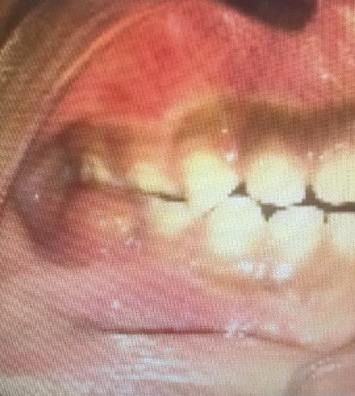 Figure 1
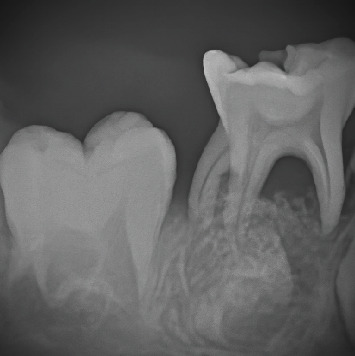 Figure 2
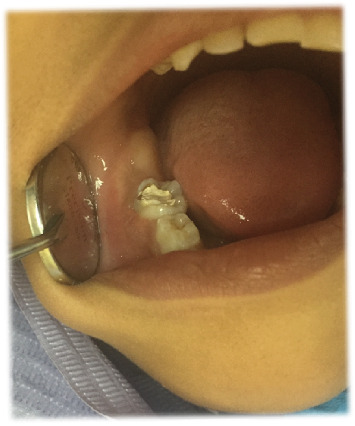 Figure 3
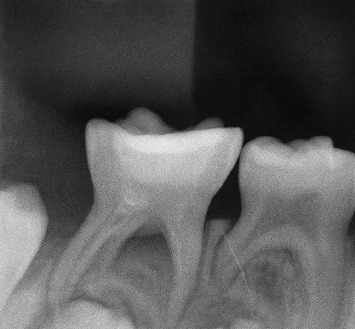 Figure 4
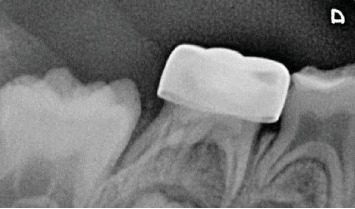 Figure 5
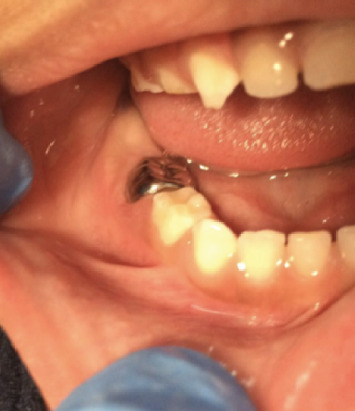 Figure 6
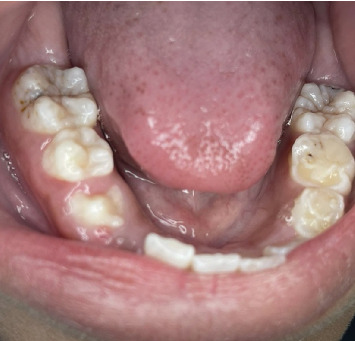 Figure 7
Peer Reviews
No public reviews on file for this paper yet. If you reviewed it on a platform where reviews are public (OpenReview, ICLR, NeurIPS, ICML), you can paste yours below so the community can read it here.
Videos
No videos yet. Explain this paper in a talk, walkthrough, or lecture? Add one.
Taxonomy
TopicsEndodontics and Root Canal Treatments · Dental Trauma and Treatments · Dental materials and restorations
1. Introduction
Despite advances in preventive strategies, dental caries remains a major public health problem in developing countries, significantly affecting the quality of life of pediatric patients [1]. Once the disease progresses to the pulp tissue in primary teeth, treatment becomes complex. Pulpectomy, although recommended by the American Academy of Pediatric Dentistry (AAPD), is often challenging due to the peculiar morphology of primary roots—tortuous canals, multiple accessory canals, atypical resorption—and the frequent difficulties in behavior management during treatment [2, 3]. In 2020, the AAPD incorporated for the first time the lesion sterilization and tissue repair (LSTR) technique as an alternative for cases where pulpectomy is not feasible due to advanced root resorption [4]. Unlike pulpectomy, LSTR does not require canal instrumentation; only the coronal pulp tissue is removed, and an antibiotic mixture is placed to disinfect and sterilize the root canal system [4]. One of the most widely studied combinations is the CTZ paste, composed of chloramphenicol, tetracycline, and zinc oxide–eugenol, which has demonstrated antimicrobial activity against Streptococcus aureus, Enterococcus faecalis, Pseudomonas aeruginosa, Bacillus subtilis, and Candida albicans [5]. Studies have shown favorable clinical and radiographic outcomes [6, 7], biocompatibility comparable to calcium hydroxide [8], absence of alterations in alveolar blood cells [9], and no evidence of damage to the permanent successor tooth [10].
What makes this case unique is that a primary molar with complete root formation and furcation involvement—classically indicated for conventional pulpectomy—was treated with the LSTR technique using CTZ paste. In addition, the case was followed longitudinally for 5 years, providing rare evidence on the long-term effectiveness of this conservative treatment, as well as the absence of alterations in the enamel of the permanent successor.
The aim of this article is to report the clinical and radiographic outcomes of this 5-year follow-up, highlighting the potential of LSTR with CTZ paste as a less invasive and effective alternative for pulp therapy in pediatric dentistry.
2. Case Presentation
A 5-year-old female patient presented in March 2017 to the pediatric dentistry department with discomfort in the lower mandibular region and localized edema in the buccal area of Tooth 85, indicative of an intraoral abscess (Figure 1). The patient exhibited uncooperative behavior according to the Frankl Behavior Scale (–), characterized by fear and lack of cooperation during the dental visit. The patient had no relevant medical history. No significant family history related to oral or systemic diseases was reported. No relevant psychosocial factors were identified, and no genetic conditions associated with dental anomalies were noted. The patient had no history of previous dental or medical interventions relevant to the present condition. Intraoral examination revealed an active and deep carious lesion on the occlusal surface of Tooth 85, with localized swelling in the buccal region. Radiographic evaluation demonstrated an extremely deep carious lesion in direct contact with the pulp tissue, roots without resorption, and a large radiolucency in the furcation region (Figure 2). No laboratory tests were required for this case. The main diagnostic challenge was related to the patient's negative behavior, which complicated the clinical examination and radiographic procedures. Despite these difficulties, sufficient diagnostic information was obtained to establish an accurate diagnosis. Based on the clinical and radiographic findings, a diagnosis of pulp necrosis in Tooth 85 was established. Differential diagnoses considered included irreversible pulpitis and acute dentoalveolar abscess, but these were excluded due to the extent of the necrotic tissue and radiographic presentation. The prognosis was considered favorable for maintaining the tooth in function until its natural exfoliation, provided that infection control was achieved and regular follow-up was maintained. Treatment consisted of the LSTR technique using CTZ paste. The procedure included a pulpotomy without removal of the radicular pulp. Topical anesthesia (benzocaine 20%) was applied for 2 min, followed by the truncal technique with 2% lidocaine, also left to act for 2 min. Absolute isolation was achieved, and the access opening was performed. A 2% sodium hypochlorite solution was applied for 1 min. On a sterile tile, a mixture of tetracycline 500 mg, chloramphenicol 500 mg, and zinc oxide–eugenol cement was prepared and placed in the pulp chamber, followed by provisional restoration with IRM cement. No modifications to the planned therapeutic intervention were required during treatment or follow-up. At the 2-week recall, the abscess had disappeared (Figure 3), and radiographs showed a reduction in furcation radiolucency (Figure 4). A stainless steel crown was placed. Clinical and radiographic follow-ups at 2 months (Figures 5 and 6), 6 months, and 1 year confirmed continued healing. At the 5-year evaluation, the tooth exfoliated naturally without complications, and no alterations were observed in the permanent successor (Figure 7). The patient attended all scheduled follow-up visits, and the intervention was well tolerated without any signs of discomfort or rejection. No adverse or unanticipated events occurred during or after the intervention.
3. Discussion
This case report documents the successful use of the LSTR technique with CTZ antibiotic paste in a primary molar, with a 5-year follow-up. The intervention proved to be effective for the resolution of the abscess, with preservation of the affected tooth and absence of clinical signs and symptoms until exfoliation. This case also reflects the clinical applicability of the LSTR technique in resource-limited settings and highlights the importance of integrating conservative alternatives such as LSTR into pediatric dentistry training and practice in developing countries.
The LSTR technique, based on disinfection of the lesion and tissue repair, has been proposed as an alternative in cases where the primary molar cannot undergo a conventional pulpectomy due to advanced root resorption [4]. In this case, the primary molar exhibited clear indications for a conventional pulpectomy, as the roots were fully developed and a furcation lesion was present. Under standard guidelines, these findings would justify pulpectomy as the treatment of choice. Nevertheless, an alternative approach was taken with the use of LSTR. According to the AAPD, LSTR is generally reserved for advanced cases of root resorption, where pulpectomy may no longer be feasible due to insufficient remaining root structure [4]. Interestingly, despite the fact that this tooth did not meet the typical criteria for LSTR, the treatment achieved satisfactory clinical and radiographic outcomes. This contrast between the expected indications outlined by the AAPD and the successful results obtained underscores the potential flexibility of LSTR as a therapeutic option.
A randomized clinical study with a 36-month follow-up demonstrated no statistically significant differences in clinical and radiographic outcomes between pulpectomy and LSTR, recommending that the Academy reviews its guidelines in order to provide greater comfort and reduce treatment time for pediatric patients [11].
With respect to the components of antibiotic pastes, the AAPD recommends avoiding tetracycline derivatives [4], due to possible adverse effects in children. Traditionally, tetracyclines have been associated with tooth discoloration and defects in enamel formation when administered systemically during the period of odontogenesis [12, 13]. However, within the framework of the LSTR technique, tetracycline is applied topically and locally, in very small amounts and strictly confined to the pulp chamber, which markedly reduces the likelihood of systemic absorption. Available clinical evidence and several reviews have not documented any changes in the pigmentation or structure of the permanent successor tooth following the use of CTZ paste in primary molars [7, 9, 14]. According to Moura et al., current warnings regarding the use of tetracyclines in this context are mainly extrapolated from the risks associated with systemic administration, rather than derived from specific clinical data indicating actual adverse effects [14].
From a risk–benefit perspective, it is essential to consider that the conventional alternative, pulpectomy, typically involves longer procedures and greater patient cooperation. These factors pose particular challenges in young or uncooperative pediatric patients, in whom the likelihood of clinical failure and the need for general anesthesia increase. In contrast, the controlled and localized use of tetracycline in the LSTR technique offers relevant clinical advantages: effective infection control, preservation of the tooth in the arch, and reduced procedural complexity, with no reports to date of adverse effects on permanent teeth or systemic health [7, 9, 11–14]. Nevertheless, it is emphasized that this technique should be indicated with sound clinical judgment, adhering to appropriate proportions and avoiding indiscriminate use.
Another factor contributing to the success of the technique is that antibiotic mixtures should be prepared on the same day of the procedure and in the correct proportions to ensure fresh antimicrobial potential [15]. In this case, the antibiotics were crushed and prepared at the time of the appointment. In addition, the hermetic sealing of the molar with a stainless steel crown may have enhanced the success of treatment, since this type of restoration has proven superior to conventional restorations by offering better marginal adaptation and preventing leakage [14].
The main strength of this case is the 5-year longitudinal follow-up, which provides rare evidence of the long-term effectiveness of LSTR with CTZ paste in a primary molar. Another strength is that the patient exhibited uncooperative behavior, highlighting the value of LSTR in clinical scenarios where pulpectomy may be challenging. The use of a stainless steel crown and the fresh preparation of the paste further contributed to the favorable outcome. However, this case report also has limitations. Being a single case, the results cannot be generalized to all pediatric patients. The absence of a direct comparison with pulpectomy in the same clinical context limits the ability to establish equivalence between both treatments. Finally, the use of tetracycline remains controversial, as international guidelines express caution regarding its use, despite the absence of strong evidence of adverse effects in pediatric patients.
4. Conclusion
The LSTR technique with CTZ paste proved to be a conservative and effective treatment option for a primary molar with pulp necrosis, achieving 5 years of asymptomatic function, radiographic healing, and natural exfoliation without affecting the permanent successor. This case highlights that LSTR can be considered a practical alternative to conventional pulpectomy, particularly in children with difficult behavior or in settings with limited resources, and underscores the need to re-examine current guidelines on its indications.
The reference list from the paper itself. Each links out to its DOI / PubMed record.
- 1Pakkhesal M. Bakhshandeh A. Amin M. Torabzadeh H. Asgary S. Impact of Dental Caries on Oral Health-Related Quality of Life Among Preschool Children: Perceptions of Parents BMC Oral Health 2021211 p. 6810.1186/s 12903-021-01396-433588827 PMC 7885600 · doi ↗ · pubmed ↗
- 2Buldur B. Kapdan A. Comparison of the Antimicrobial Efficacy of the Endo Vac System and Conventional Needle Irrigation in Primary Molar Root Canals The Journal of Clinical Pediatric Dentistry 201741428428810.17796/1053-4628-41.4.2842-s 2.0-8502966805328650788 · doi ↗ · pubmed ↗
- 3Ozcan G. Sekerci A. E. Cantekin K. Aydinbelge M. Dogan S. Evaluation of Root Canal Morphology of Human Primary Molars by Using CBCT and Comprehensive Review of the Literature Acta Odontologica Scandinavica 201674425025810.3109/00016357.2015.11047212-s 2.0-8495937654826523502 · doi ↗ · pubmed ↗
- 4American Academy of Pediatric Dentistry Pulp Therapy for Primary and Immature Permanent Teeth The Reference Manual of Pediatric Dentistry 2022 American Academy of Pediatric Dentistry 415423 Available from: https://www.aapd.org/media/Policies_Guidelines/BP_Pulp Therapy.pdf
- 5Amorim L. D. F. G. Toledo O. A. Estrela C. R. D. A. Decurcio D. D. A. Estrela C. Antimicrobial Analysis of Different Root Canal Filling Pastes Used in Pediatric Dentistry by Two Experimental Methods Brazilian Dental Journal 200617431732210.1590/S 0103-6440200600040001017262146 · doi ↗ · pubmed ↗
- 6Luengo-Fereira J. Ayala-Jiménez S. Carlos-Medrano L. E. Toscano-García I. Anaya-Álvarez M. Clinical and Radiographic Evaluation of Formocresol and Chloramphenicol, Tetracycline and Zinc Oxide-Eugenol Antibiotic Paste in Primary Teeth Pulpotomies: 24 Month Follow Up The Journal of Clinical Pediatric Dentistry 2019431162110.17796/1053-4625-43.1.42-s 2.0-8506028043530289365 · doi ↗ · pubmed ↗
- 7Lima C. C. Conde Júnior A. M. Rizzo M. S. Biocompatibility of Root Filling Pastes Used in Primary Teeth International Endodontic Journal 201548540541610.1111/iej.123282-s 2.0-8492640897324889680 · doi ↗ · pubmed ↗
- 8Moura L. F. A. D. Lima M. D. M. Lima C. C. B. Cellular Profile of Primary Molars With Pulp Necrosis After Treatment With Antibiotic Paste International Journal of Experimental Pathology 201899526426810.1111/iep.122922-s 2.0-8505501931530324690 PMC 6302786 · doi ↗ · pubmed ↗