A versatile cohesion manipulation system probes female reproductive age-related egg aneuploidy
Jiyeon Leem, Tom Lemonnier, Ani Khutsaidze, Lei Tian, Xiaojun Xing, Suxia Bai, Timothy Nottoli, Binyam Mogessie

TL;DR
This study creates a system to manipulate chromosome cohesion in mouse eggs, revealing how aging causes chromosome errors and how other factors worsen these errors.
Contribution
A tunable system for cohesion manipulation in live oocytes reveals a threshold for aneuploidy and how age-related defects amplify it.
Findings
Premature sister chromatid separation increases sharply when REC8 levels drop below a critical threshold.
Cytoskeletal and centromere defects worsen aneuploidy in the context of weakened cohesion.
The system enables direct observation of cohesion protein behavior during meiosis.
Abstract
Female reproductive aging is accompanied by a sharp increase in egg aneuploidy rates. Premature loss of chromosome cohesion proteins and early separation of chromosomes are thought to cause high aneuploidy rates during maternal aging. However, because cohesion loss occurs gradually throughout a woman’s reproductive lifespan, and because cytoskeletal defects alone can lead to chromosomal abnormalities, the main causes of the rapid rise in aneuploidy at older reproductive ages are still unclear. In this study, we created a versatile and tunable cohesion manipulation system that enables rapid, dose-dependent degradation of the meiotic cohesin REC8 in live mouse oocytes. By coupling this system with quantitative high-resolution live imaging, we directly observed cohesion protein behavior during meiosis and tested the longstanding threshold model of aneuploidy development. Our results show…
Genes, proteins, chemicals, diseases, species, mutations and cell lines named across the full text — each resolved to its canonical identifier and authoritative record.
Click any figure to enlarge with its caption.
 Figure 10
 Figure 11
 Figure 12
 Figure 1
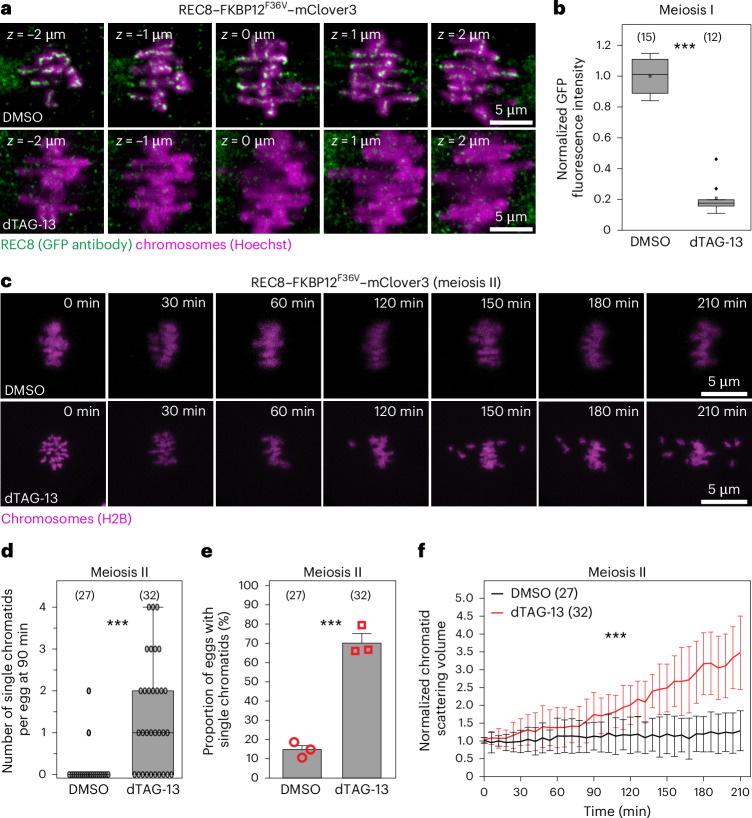 Figure 2
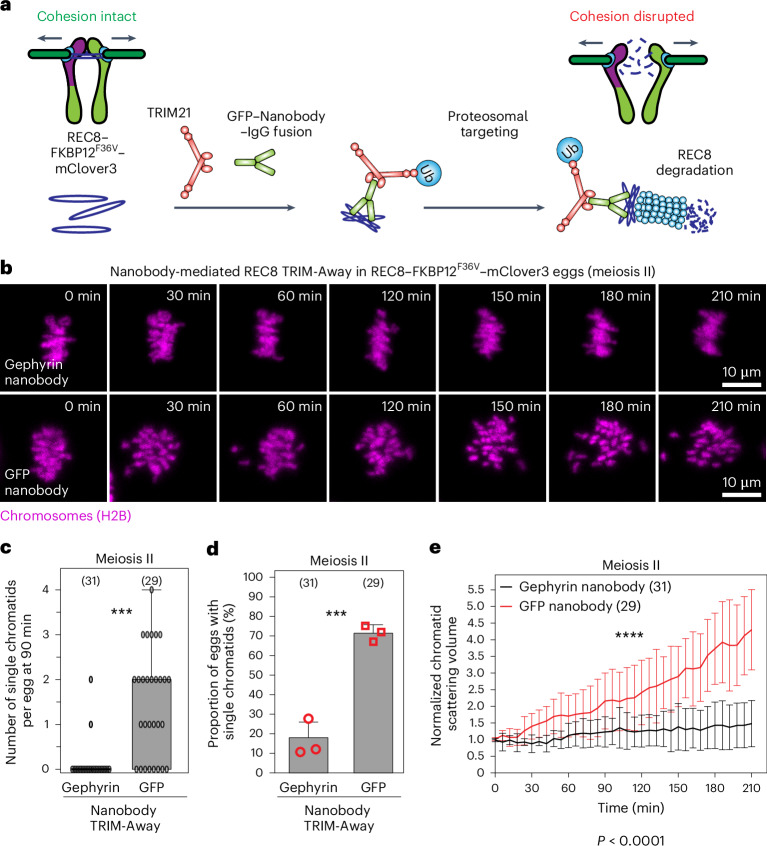 Figure 3
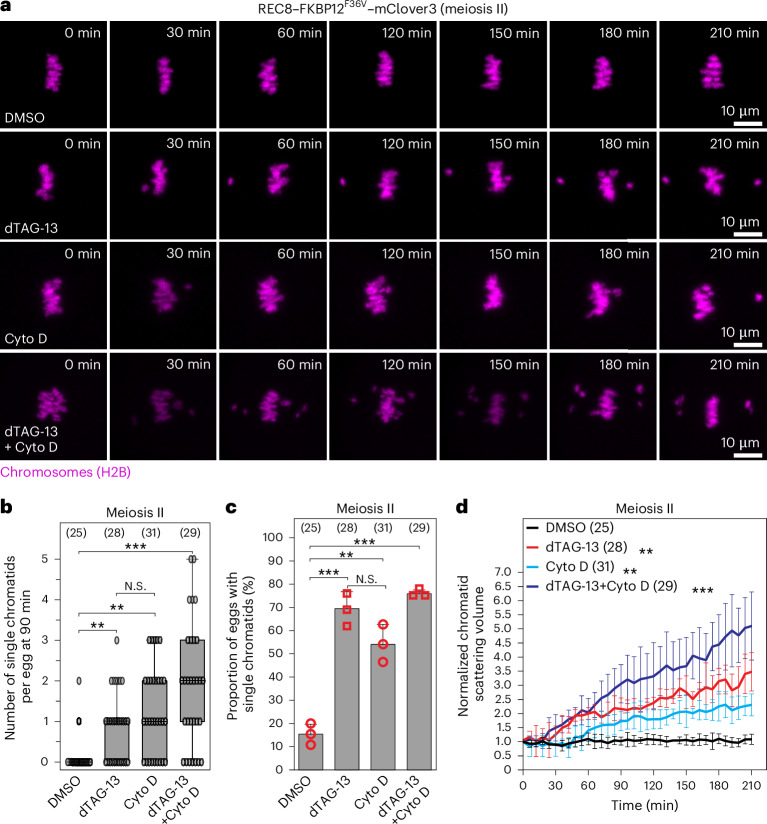 Figure 4
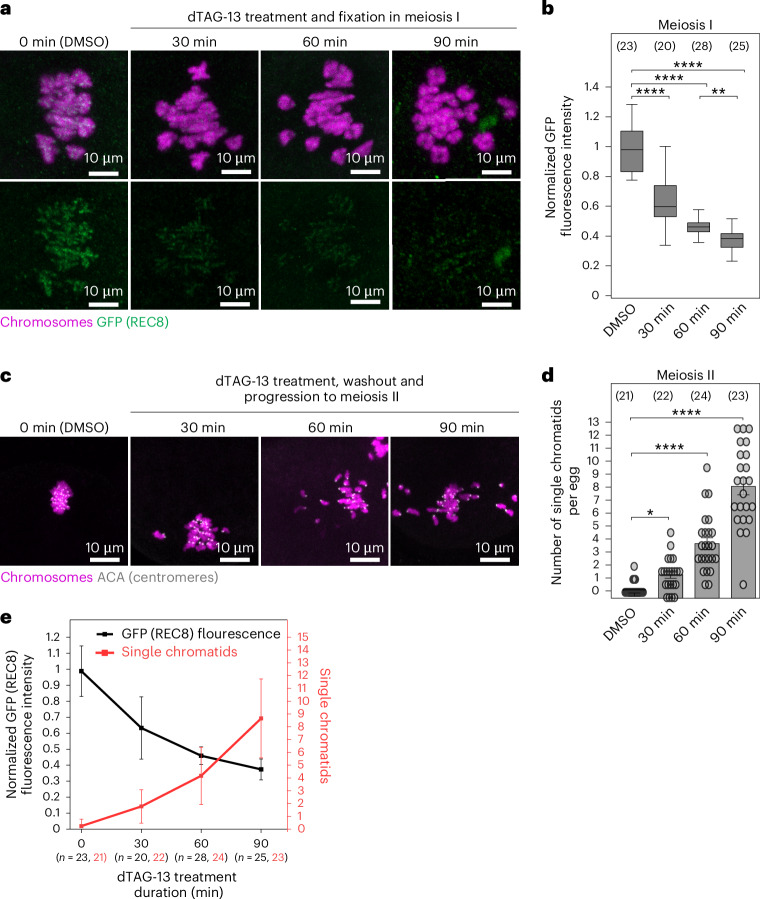 Figure 5
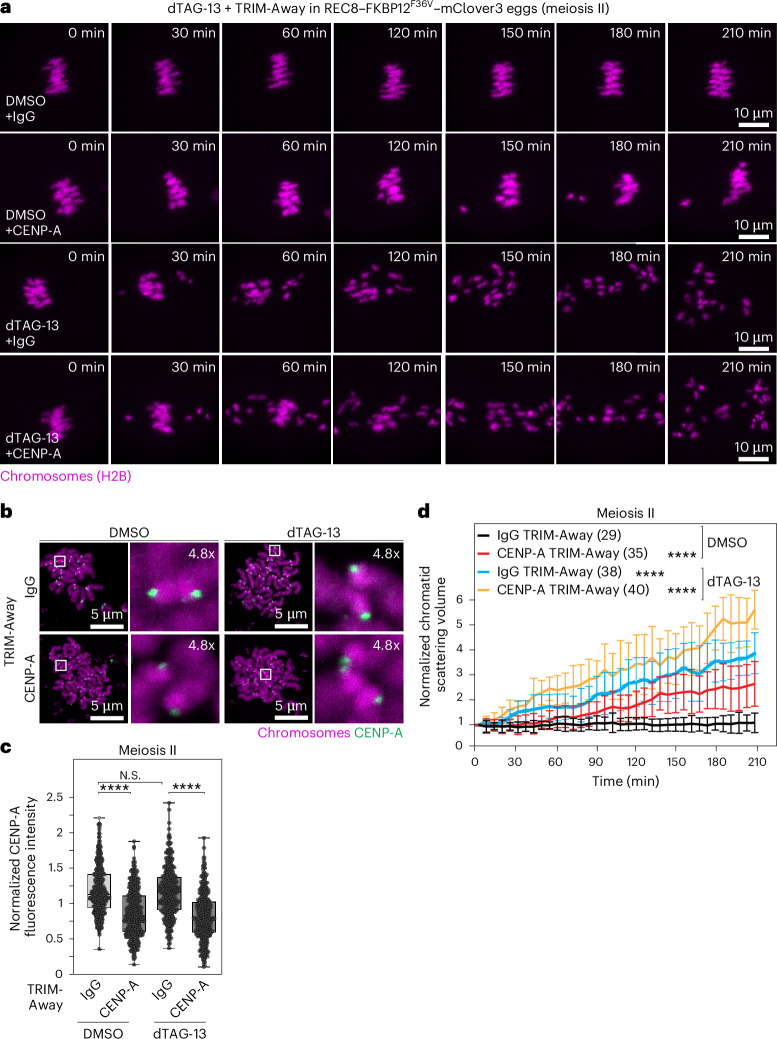 Figure 6
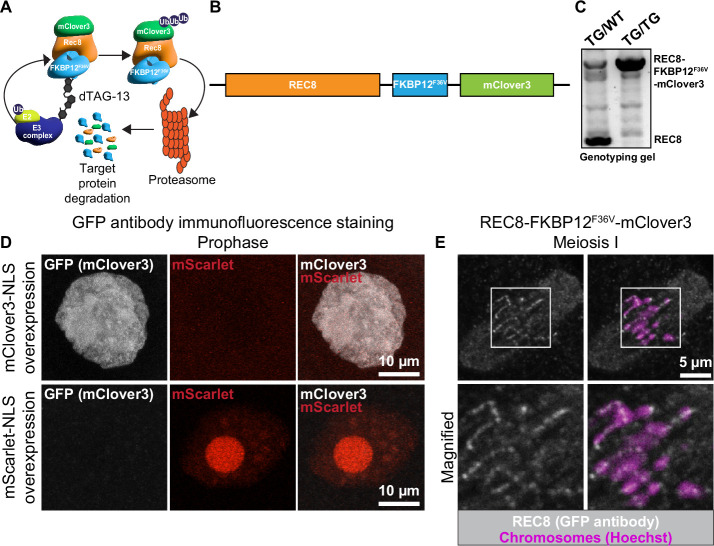 Figure 7
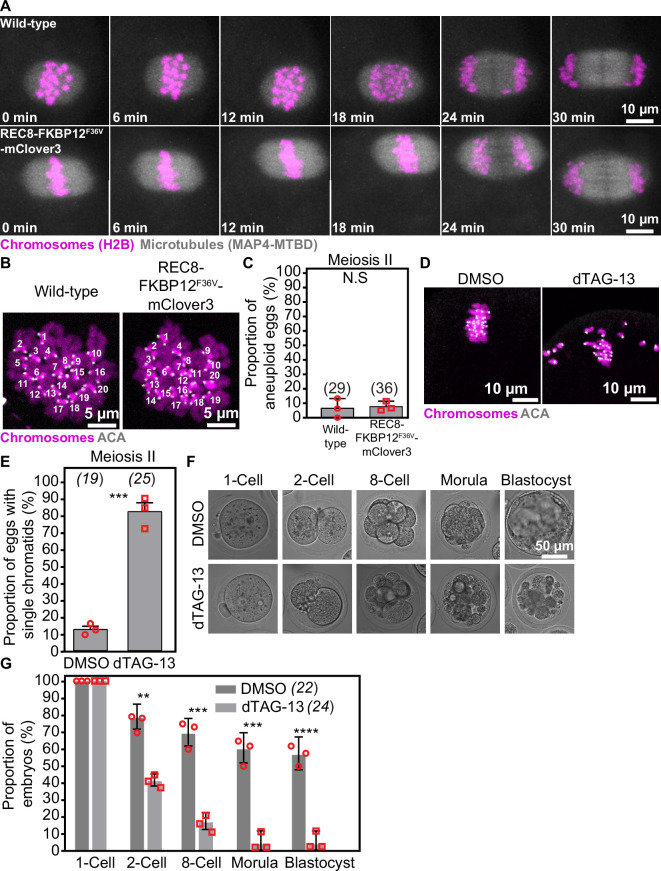 Figure 8
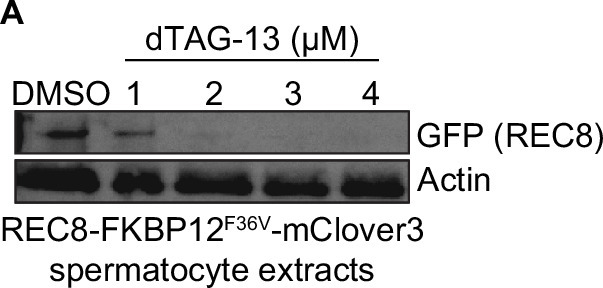 Figure 9
Peer Reviews
No public reviews on file for this paper yet. If you reviewed it on a platform where reviews are public (OpenReview, ICLR, NeurIPS, ICML), you can paste yours below so the community can read it here.
Videos
No videos yet. Explain this paper in a talk, walkthrough, or lecture? Add one.
Taxonomy
TopicsMicrotubule and mitosis dynamics · Reproductive Biology and Fertility · Genomics and Chromatin Dynamics