Nicotinamide nucleotide transhydrogenase deficiency and genetic susceptibility to high glucose‐mediated peritoneal injury in mice
Margarete C. Ohse, Song Rong, Sonja Schmidt, Michael S. Balzer, Christoph Nikolin, Sibylle von Vietinghoff, Hermann Haller, Kai M. Schmidt‐Ott, Yulia Kiyan, Nelli Shushakova

TL;DR
This study shows that a genetic deficiency in the NNT enzyme protects mice from peritoneal damage caused by high-glucose dialysis fluids.
Contribution
The study identifies NNT as a key regulator of mitochondrial redox balance and a potential therapeutic target for peritoneal dialysis injury.
Findings
Nnt-deficient C57BL/6J mice showed reduced peritoneal injury, inflammation, and fibrosis compared to Nnt-competent C57BL/6N mice.
NNT silencing in vitro reduced ROS generation, M1 polarization, and profibrotic signaling in response to high glucose.
NNT can switch to a pro-oxidative 'reverse mode' under high-glucose conditions, contributing to peritoneal injury.
Abstract
The genetic predisposition to high glucose‐induced peritoneal membrane (PM) injury during peritoneal dialysis (PD) and its mechanisms are of substantial clinical interest. We compared PD‐induced peritoneal injury between two closely related mouse substrains, C57BL/6J and C57BL/6N, which differ in the function of the mitochondrial enzyme nicotinamide nucleotide transhydrogenase (NNT). Nnt(+/+) C57BL/6N mice exhibited significantly greater susceptibility, as indicated by mesothelial cell loss, fibrosis, neoangiogenesis, inflammation, M1 macrophage infiltration, and reduced ultrafiltration. To further investigate NNT's role, we silenced NNT in vitro. Knockdown prevented mitochondrial ROS accumulation, reduced pro‐inflammatory mediator release in mesothelial cells, inhibited M1 polarization in macrophages, and impaired fibroblast proliferation under high glucose. We also observed a reverse…
Genes, proteins, chemicals, diseases, species, mutations and cell lines named across the full text — each resolved to its canonical identifier and authoritative record.
Click any figure to enlarge with its caption.
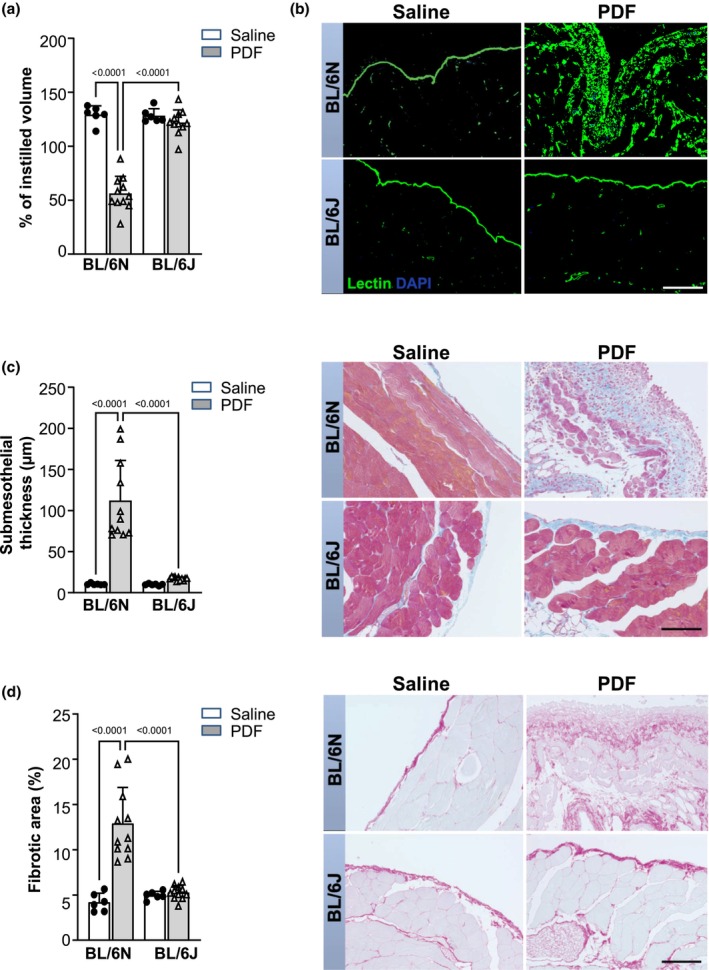 Figure 1
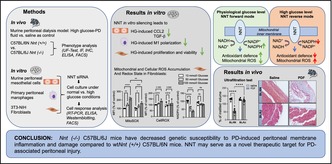 Figure 2
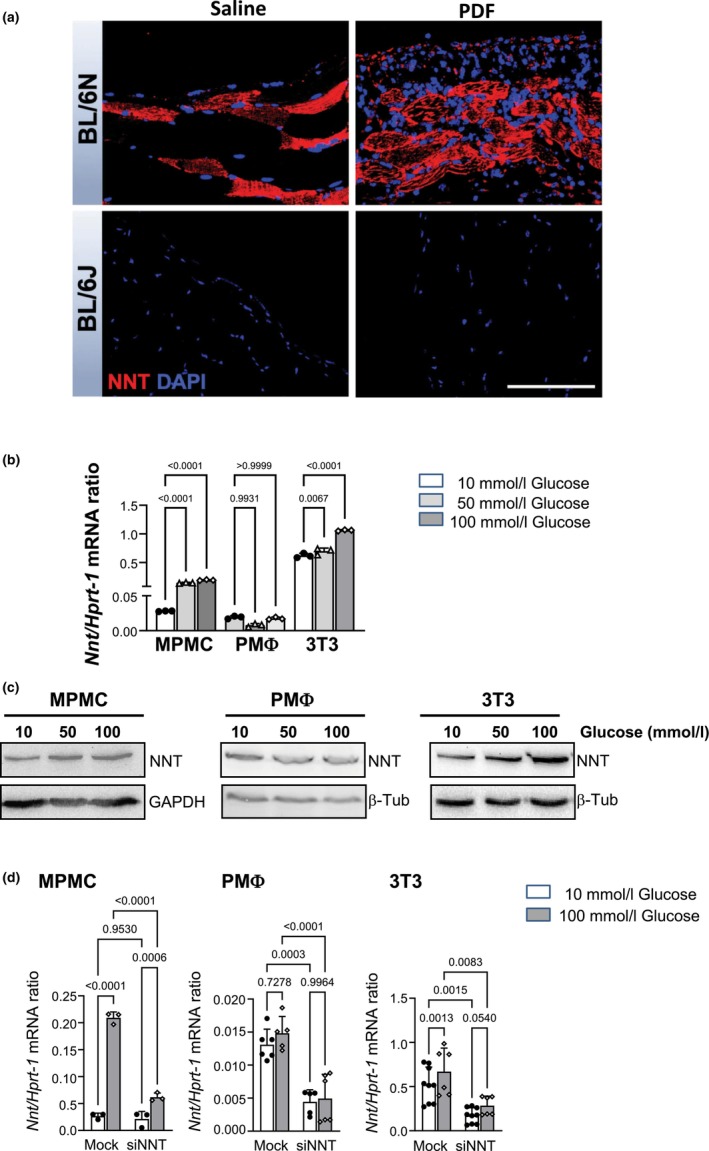 Figure 3
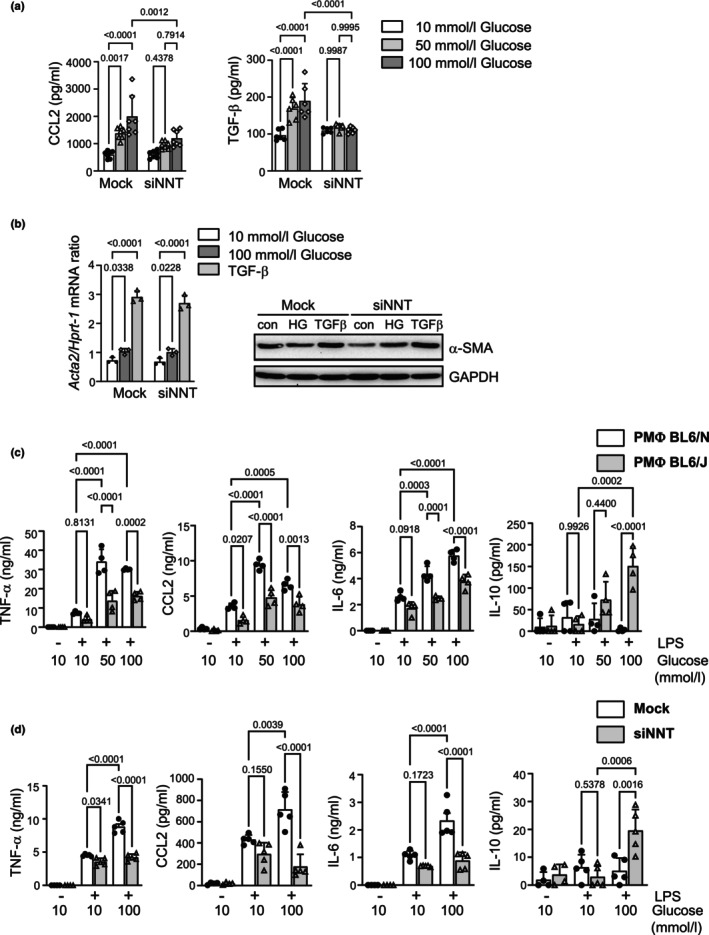 Figure 4
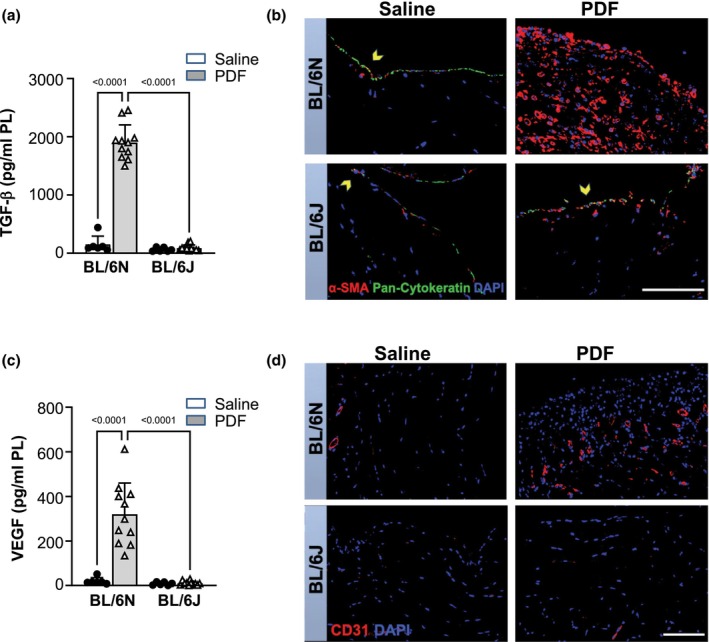 Figure 5
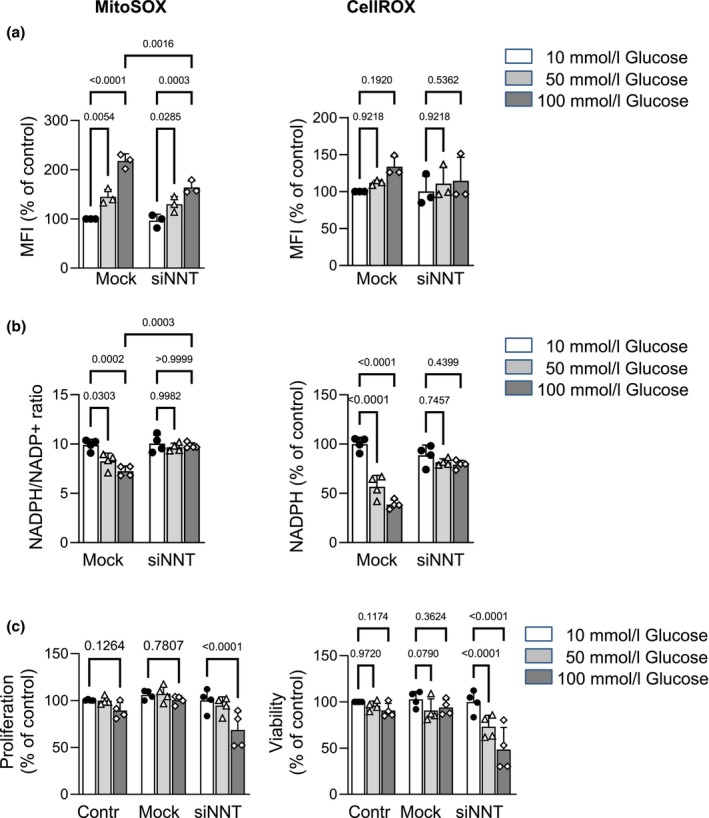 Figure 6
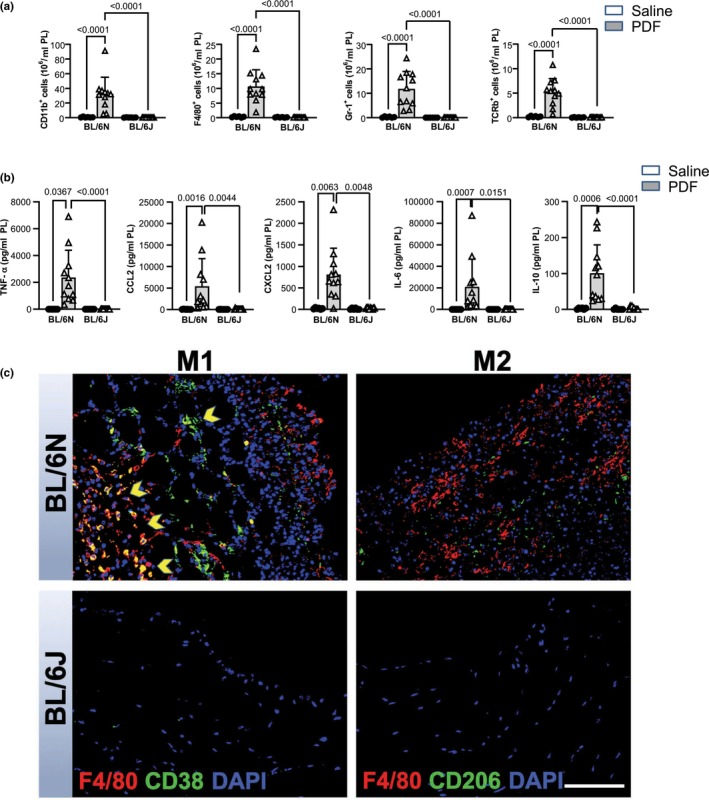 Figure 7
Peer Reviews
No public reviews on file for this paper yet. If you reviewed it on a platform where reviews are public (OpenReview, ICLR, NeurIPS, ICML), you can paste yours below so the community can read it here.
Videos
No videos yet. Explain this paper in a talk, walkthrough, or lecture? Add one.
Taxonomy
TopicsATP Synthase and ATPases Research · Dialysis and Renal Disease Management · Mitochondrial Function and Pathology