Comparison of exposure of the feline radial diaphysis by the craniomedial and craniolateral surgical approaches for repair of antebrachial fractures
William Bower, Shane Guerin, Sorrel J. Langley‐Hobbs

TL;DR
This study compares two surgical approaches for accessing the feline radial diaphysis and finds they offer similar exposure for repairing antebrachial fractures.
Contribution
The study provides a comparative analysis of two surgical approaches for feline radial diaphysis exposure, validating the craniolateral approach.
Findings
The craniolateral approach provided a mean surface area of 4.13 cm² when including the supinator muscle.
The craniomedial approach provided a mean surface area of 3.84 cm² when including the supinator muscle.
The difference in exposure between the two approaches was not statistically significant.
Abstract
To report and compare two surgical approaches to the feline radial diaphysis and outline optimal techniques to maximize surgical exposure. Ex vivo experimental comparative study. Left and right antebrachia of three feline cadavers. Six feline antebrachia were collected from cadavers submitted for research purposes. Each limb was sequentially dissected for both craniomedial and craniolateral surgical approaches totalling 12 surgical approaches, or 24 when including and excluding the supinator muscle. Following each approach, photographs were taken and inserted into an image measuring software, to obtain the area of surgical exposure. The datum was then analyzed to ascertain which approach afforded the greatest exposure and whether the difference was statistically significant. The mean surface area for the craniolateral approach, including and excluding the supinator muscle, was 4.13…
Genes, proteins, chemicals, diseases, species, mutations and cell lines named across the full text — each resolved to its canonical identifier and authoritative record.
Click any figure to enlarge with its caption.
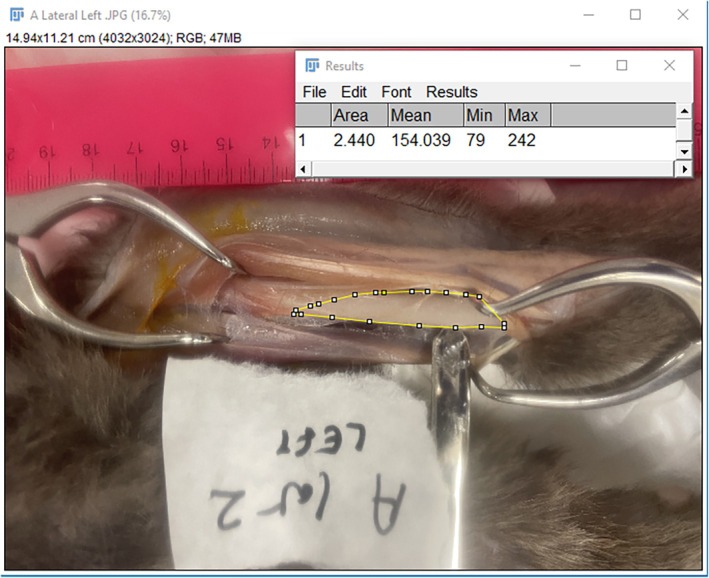 Figure 1
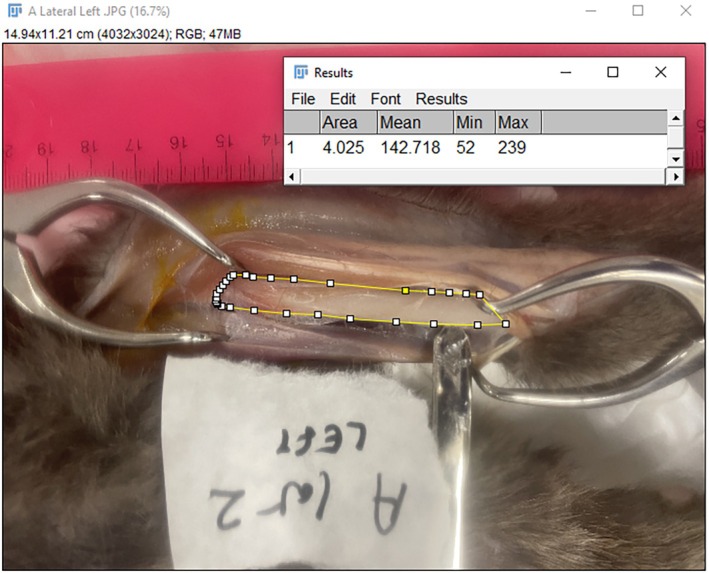 Figure 2
Peer Reviews
No public reviews on file for this paper yet. If you reviewed it on a platform where reviews are public (OpenReview, ICLR, NeurIPS, ICML), you can paste yours below so the community can read it here.
Videos
No videos yet. Explain this paper in a talk, walkthrough, or lecture? Add one.
Taxonomy
TopicsPelvic and Acetabular Injuries · Bone fractures and treatments · Spinal Fractures and Fixation Techniques