High-Density Glasses in Blepharospasm: Influence of Migraine and Early Morning Effects
Masato Wakakura, Akiko Yamagami

TL;DR
High-density glasses reduced symptoms in blepharospasm patients, especially those with early morning effects and a history of migraines.
Contribution
Demonstrates the effectiveness of high-density glasses in managing blepharospasm symptoms linked to light sensitivity and migraines.
Findings
More than half of patients reported improvement after using high-density glasses for two months.
Patients with early morning effects showed significantly higher improvement rates.
Migraine history was reported in nearly half of the patients, suggesting a possible link to blepharospasm.
Abstract
Photophobia and somatosensory disorders in patients with benign essential blepharospasm (BEB) are caused by the accumulation of light input to the brain, resulting in persistent eye-opening difficulties. Consecutive patients with photophobia and photosensitivity due to BEB were recruited. The patients were asked to participate in a trial using high-density glasses, with only 1.5% visible light transmittance, produced by Tokai Optical Co. Ltd. (HD glass®) (Aichi, Japan). Patients were instructed to wear glasses 2-3 times per day for 20 min or more in a dimly lit room every day for at least two months. Patients answered a questionnaire on the effects of wearing glasses whilst wearing them (during), approximately 30 min after removing the glasses (after), and two months after the self-trial (two-month). A total of 61 patients (52 women and 9 men) aged 21-81 (51.5±17.4) years were…
Genes, proteins, chemicals, diseases, species, mutations and cell lines named across the full text — each resolved to its canonical identifier and authoritative record.
Click any figure to enlarge with its caption.
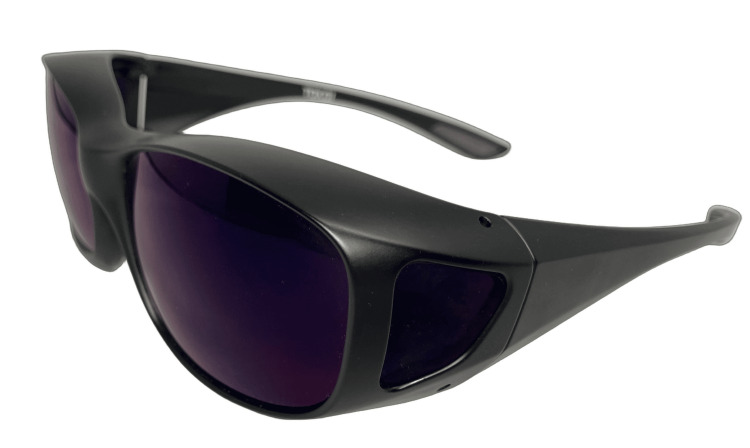 Figure 1
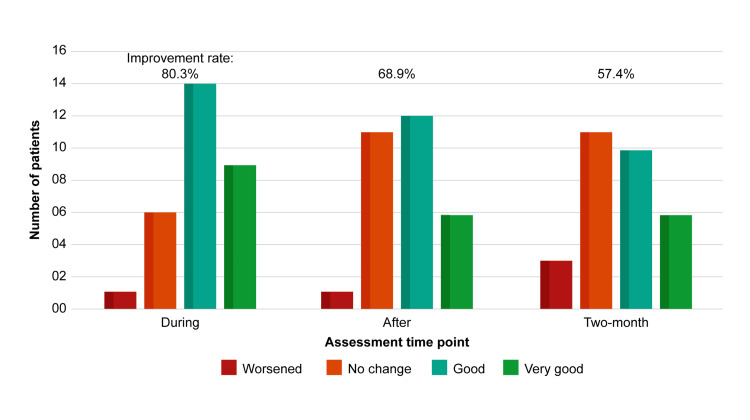 Figure 2
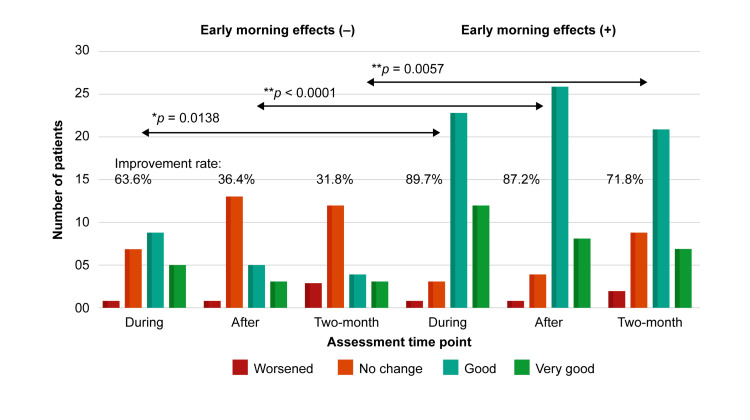 Figure 3
 Figure 4
Peer Reviews
No public reviews on file for this paper yet. If you reviewed it on a platform where reviews are public (OpenReview, ICLR, NeurIPS, ICML), you can paste yours below so the community can read it here.
Videos
No videos yet. Explain this paper in a talk, walkthrough, or lecture? Add one.
Taxonomy
TopicsMigraine and Headache Studies · Botulinum Toxin and Related Neurological Disorders · Ophthalmology and Eye Disorders