Impact of Endophytic and Rhizospheric Fungi on The Growth and Specialized Metabolite Production of Phyllanthus niruri L
Winda Nawfetrias, Yuda Purwana Roswanjaya, Nur Alfi Saryanah, Sulastri Sulastri, Lukita Devy, Rizkita Rachmi Esyanti, Ahmad Faizal

TL;DR
This study explores how fungi in and around Phyllanthus niruri plants affect the plant's growth and production of a key compound called phyllanthin.
Contribution
The study identifies specific fungi that can enhance phyllanthin production in Phyllanthus niruri, a plant rich in specialized metabolites.
Findings
106 out of 131 isolated fungi can produce indole-3-acetic acid (IAA), which may promote plant growth.
Fusarium sp., Colletotrichum species, and others showed potential to increase phyllanthin levels in Phyllanthus niruri.
Aspergillus aculeatus was the only fungus capable of phosphate solubilisation, which may improve nutrient availability.
Abstract
Medicinal plants are rich sources of specialised metabolites, crucial for various fields like agriculture, forestry, food processing, biofuels and environmental remediation. Microbes, particularly endophytic and rhizospheric fungi, play a significant role in optimising the production and regulation of these compounds. Several research showed these fungi in various plants, but they have not been thoroughly studied in Phyllanthus niruri, especially to promote growth and elicit lignan compounds like phyllanthin in P. niruri. A total of 131 fungi, consist of 57 rhizospheric fungi and 74 endophytic fungi, were successfully isolated from P. niruri in six different lowland areas in West Java. The potency assay results indicated that 106 fungi could produce indole-3-acetic acid (IAA). Six fungi could synthesise cellulase, and one fungus had the capability to solubilise phosphate. Our results…
Genes, proteins, chemicals, diseases, species, mutations and cell lines named across the full text — each resolved to its canonical identifier and authoritative record.
Click any figure to enlarge with its caption.
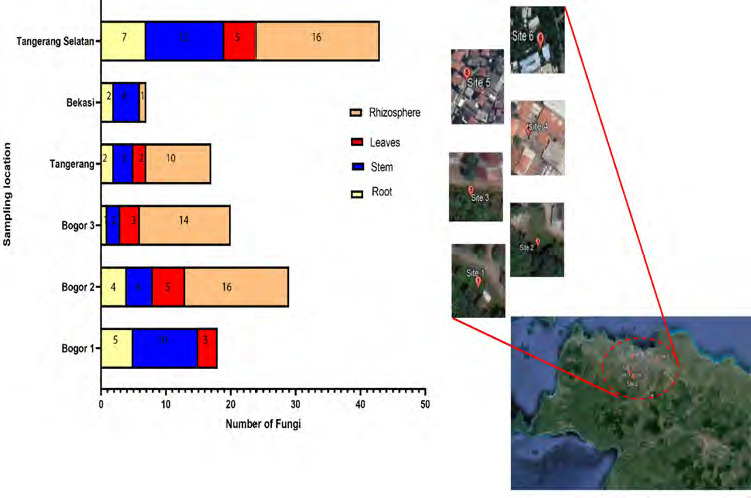 Figure 1
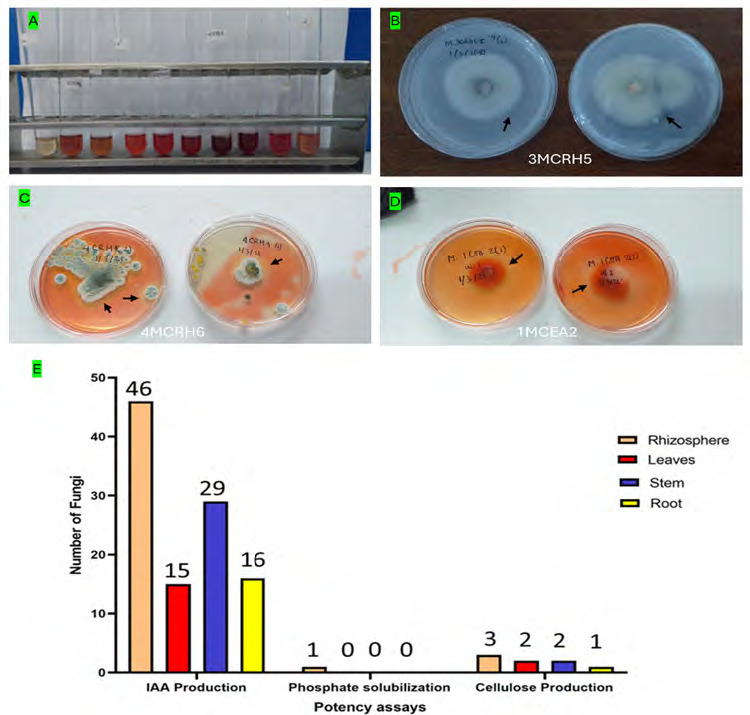 Figure 2
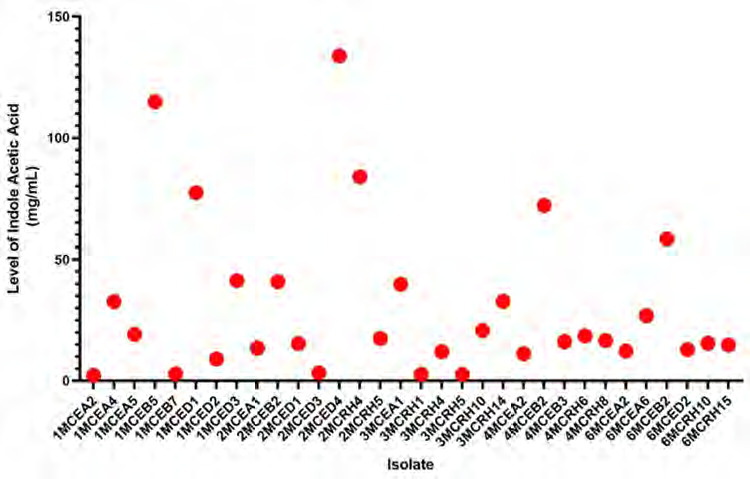 Figure 3
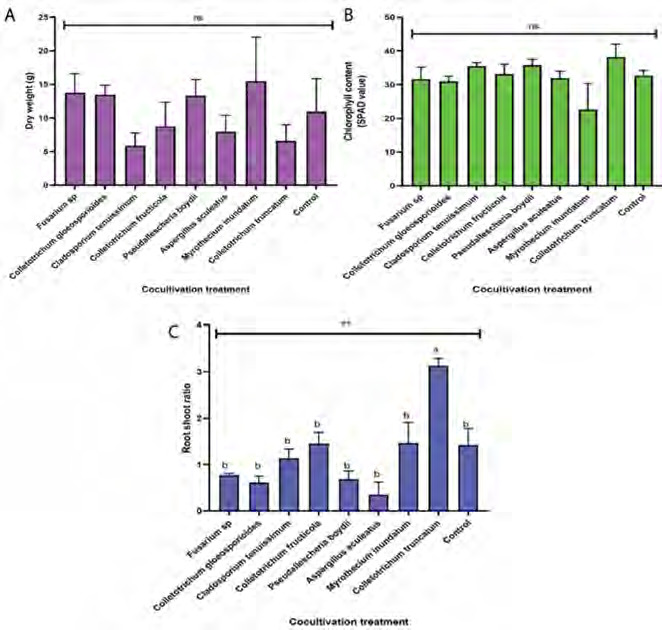 Figure 4
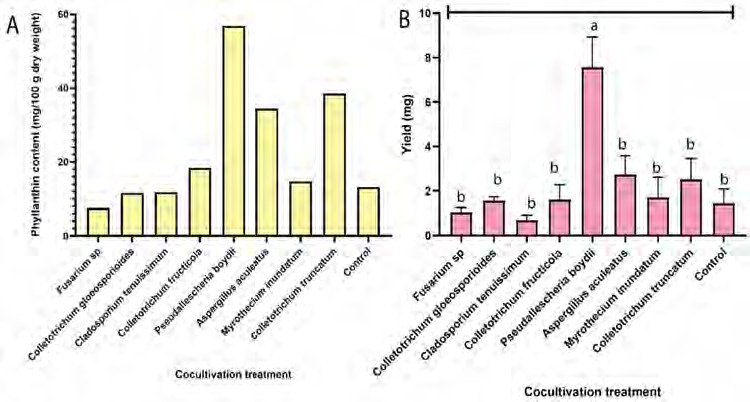 Figure 5
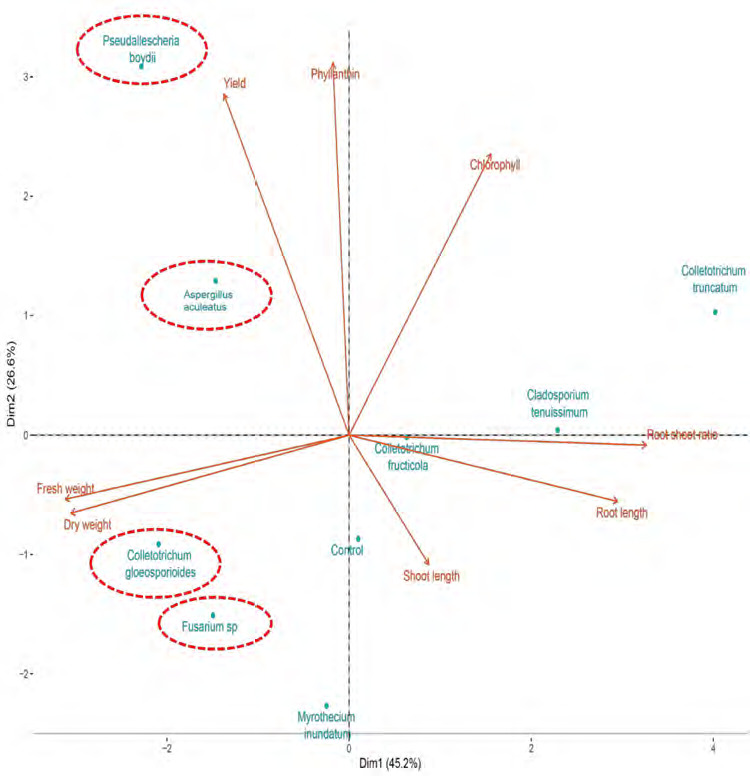 Figure 6
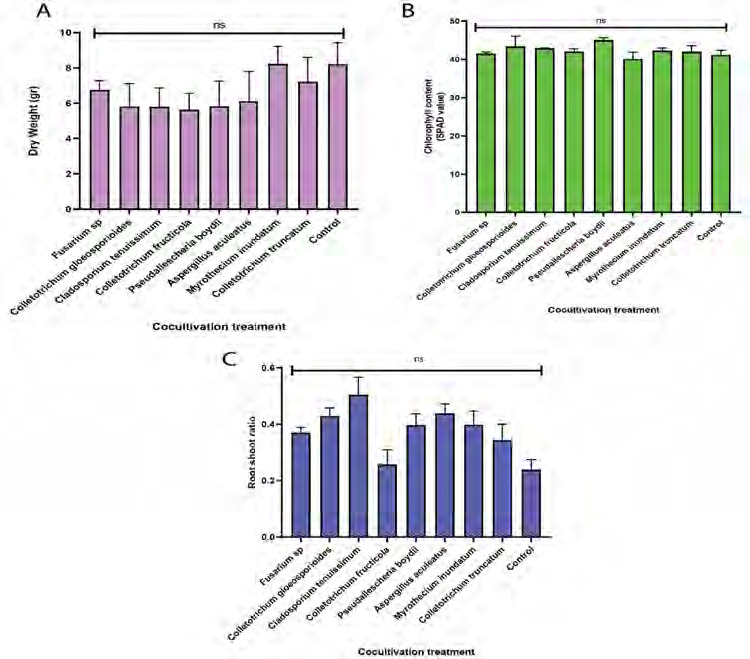 Figure 7
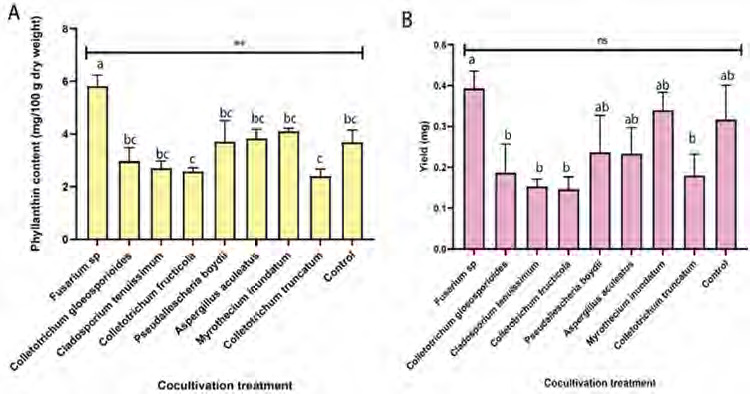 Figure 8
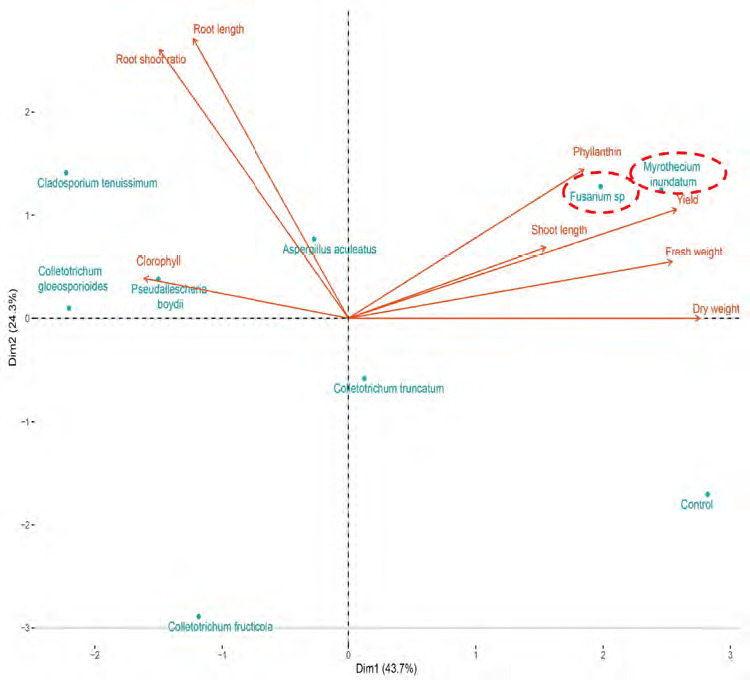 Figure 9
 Figure 10
 Figure 11
 Figure 12
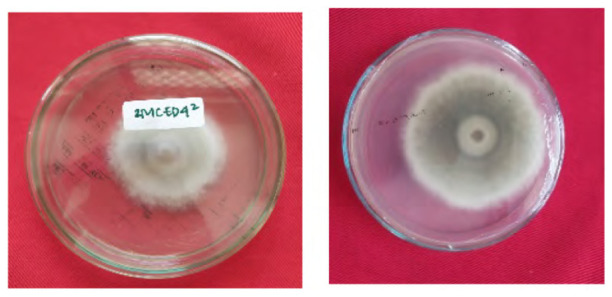 Figure 13
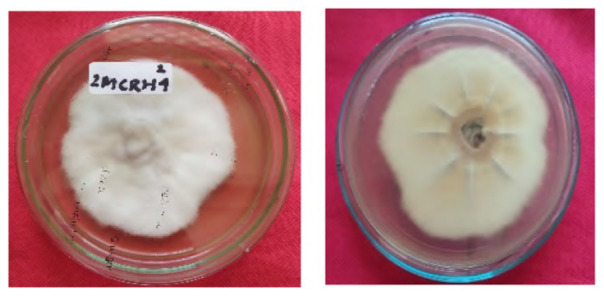 Figure 14
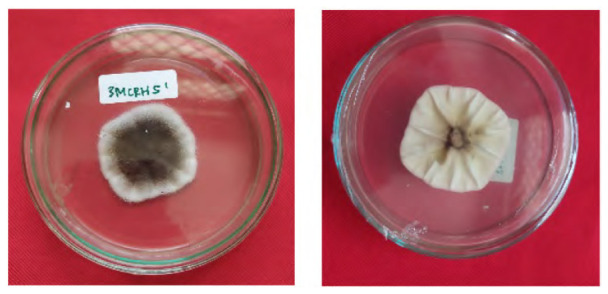 Figure 15
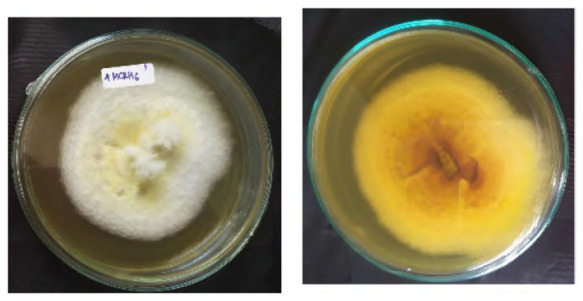 Figure 16
 Figure 17
Peer Reviews
No public reviews on file for this paper yet. If you reviewed it on a platform where reviews are public (OpenReview, ICLR, NeurIPS, ICML), you can paste yours below so the community can read it here.
Videos
No videos yet. Explain this paper in a talk, walkthrough, or lecture? Add one.
Taxonomy
TopicsPhytochemistry and Bioactivity Studies · Plant Parasitism and Resistance · Medicinal Plant Research