Taxonomic Significance of Leaf Anatomical Characteristics of Selected Globba L. (Zingiberaceae) Species in Peninsular Malaysia
Noraini Talip, Syazwani Basir, Che Nurul Aini Che Amri, Mohd. Norfaizal Ghazalli, Ahmad Fitri Zohari, Muhammad Amirul Aiman Ahmad Juhari, Mohamad Ruzi Abdul Rahman, Hamidun Bunawan

TL;DR
This study examines leaf anatomy in selected Globba species from Malaysia to identify characteristics useful for species differentiation.
Contribution
The study identifies specific leaf anatomical traits that can be used for taxonomic identification of Globba species.
Findings
Leaf margin outlines, vascular bundle numbers, and trichome presence show taxonomic significance in Globba species.
Diagnostic characters like tufted trichomes in G. patens and papilose cells in G. variabilis var. pusilla were identified.
Anatomical features such as hypodermal layers and vascular bundle arcs help distinguish closely related species.
Abstract
A comparative leaf anatomy study was carried out on 10 taxa of Globba L. (Zingiberaceae) in Peninsular Malaysia to ascertain their systematic significance, especially for species differentiation and identification. Methods used include leaf clearing, leaf sectioning using a sliding microtome and observation under a scanning electron microscope. Results showed that a combination of the following characters have taxonomic significance in Globba spp. Studied, i.e., outlines of leaf margin, midribs, petioles and their relative sizes; number of vascular bundles in arc I, II, III and IV in the midribs and petioles; absence or presence and type of trichomes; presence of fibre caps and girders in vascular bundles in the leaf lamina, as well as the presence of hypodermal layers below adaxial epidermis. Anatomical characteristics such as tufted trichomes in G. patens, papilose adaxial epidermal…
Genes, proteins, chemicals, diseases, species, mutations and cell lines named across the full text — each resolved to its canonical identifier and authoritative record.
Click any figure to enlarge with its caption.
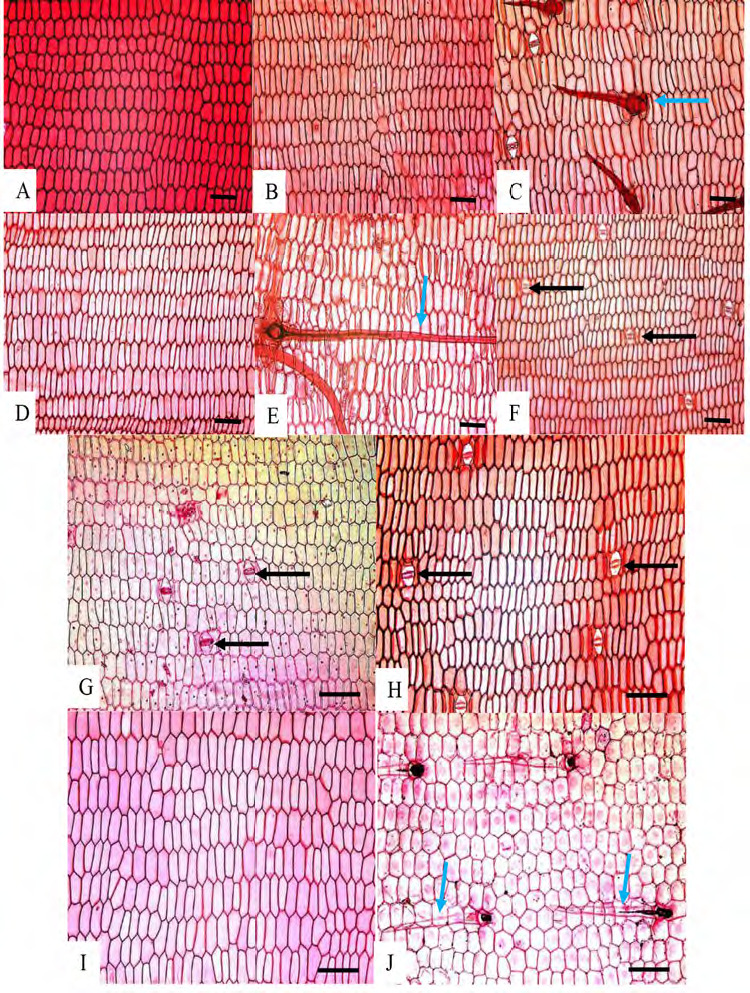 Figure 1
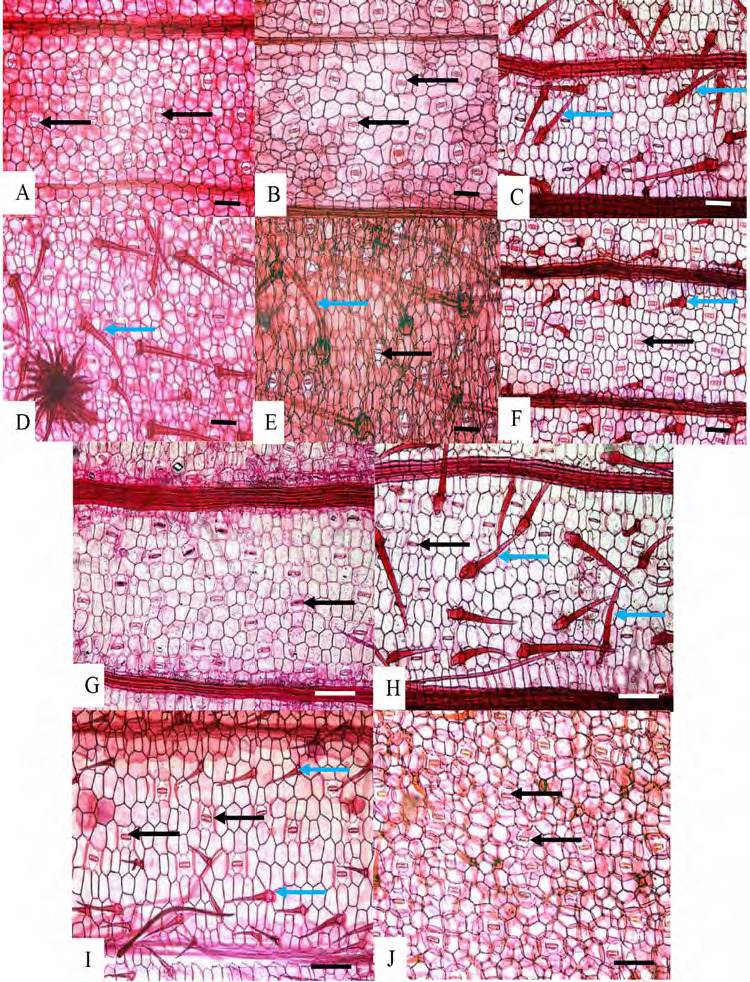 Figure 2
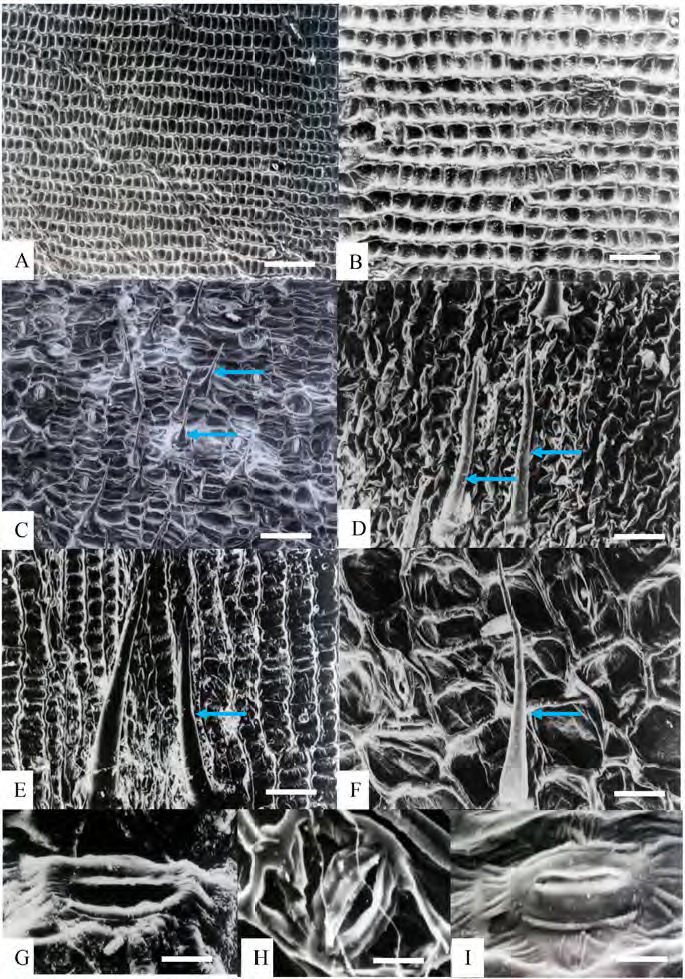 Figure 3
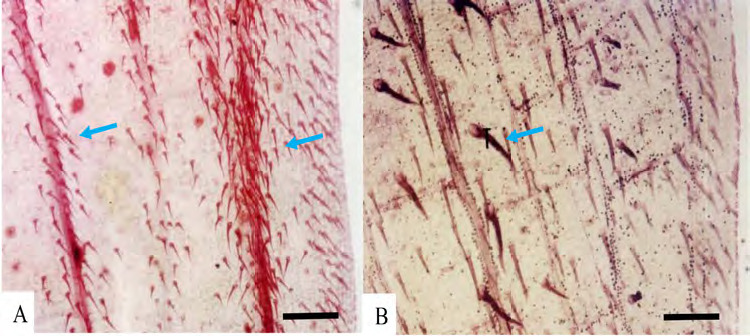 Figure 4
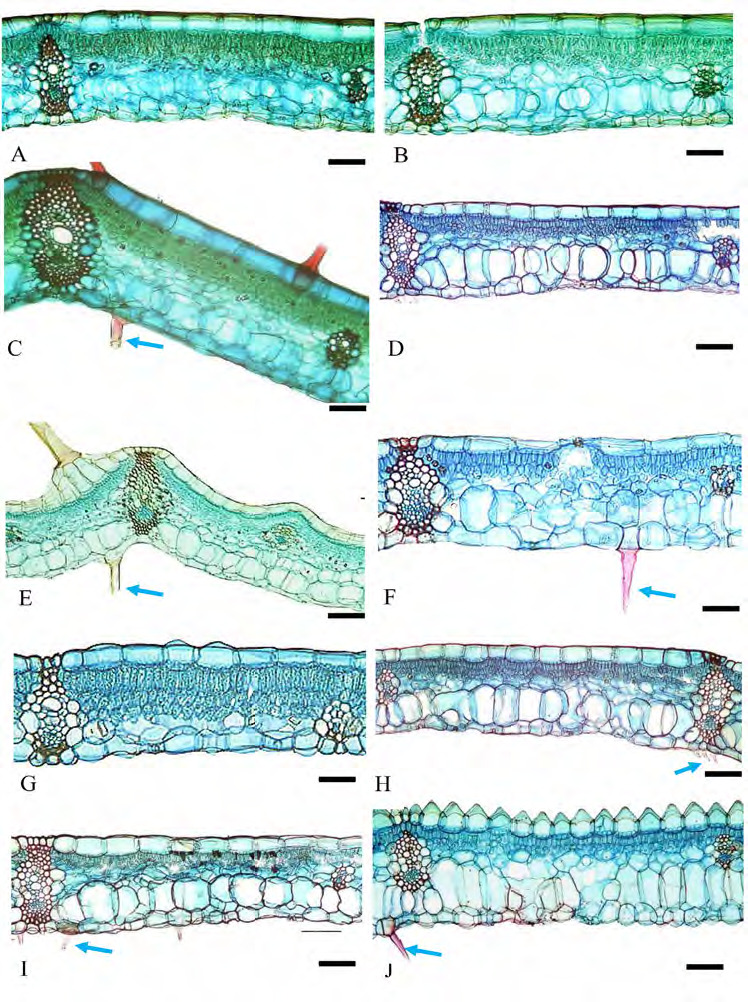 Figure 5
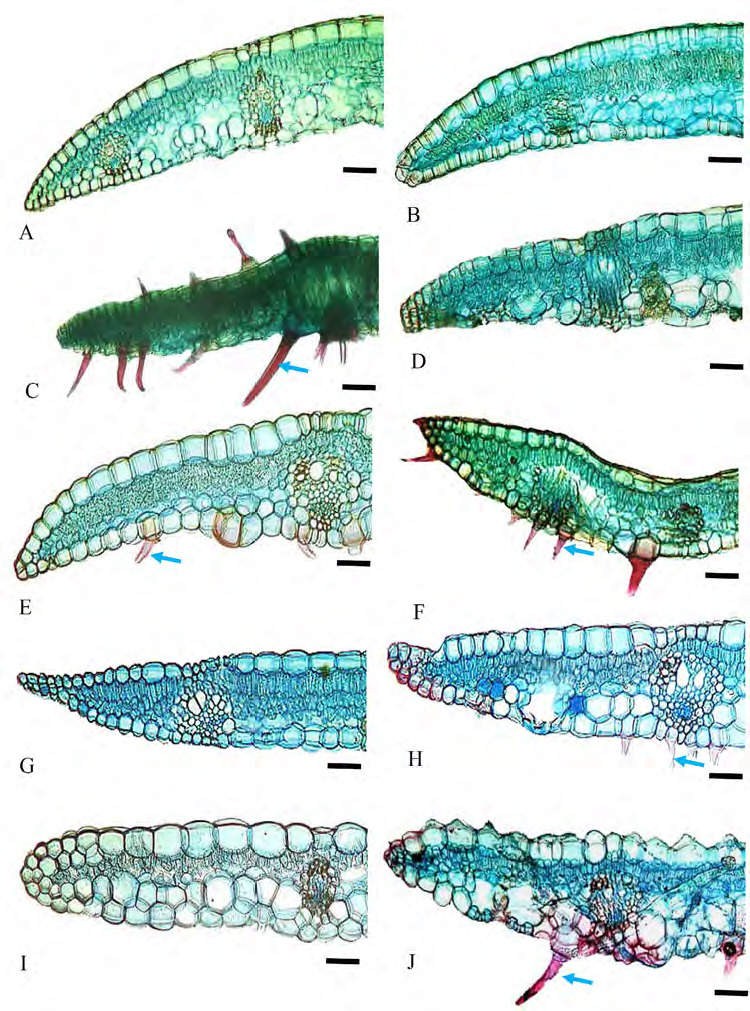 Figure 6
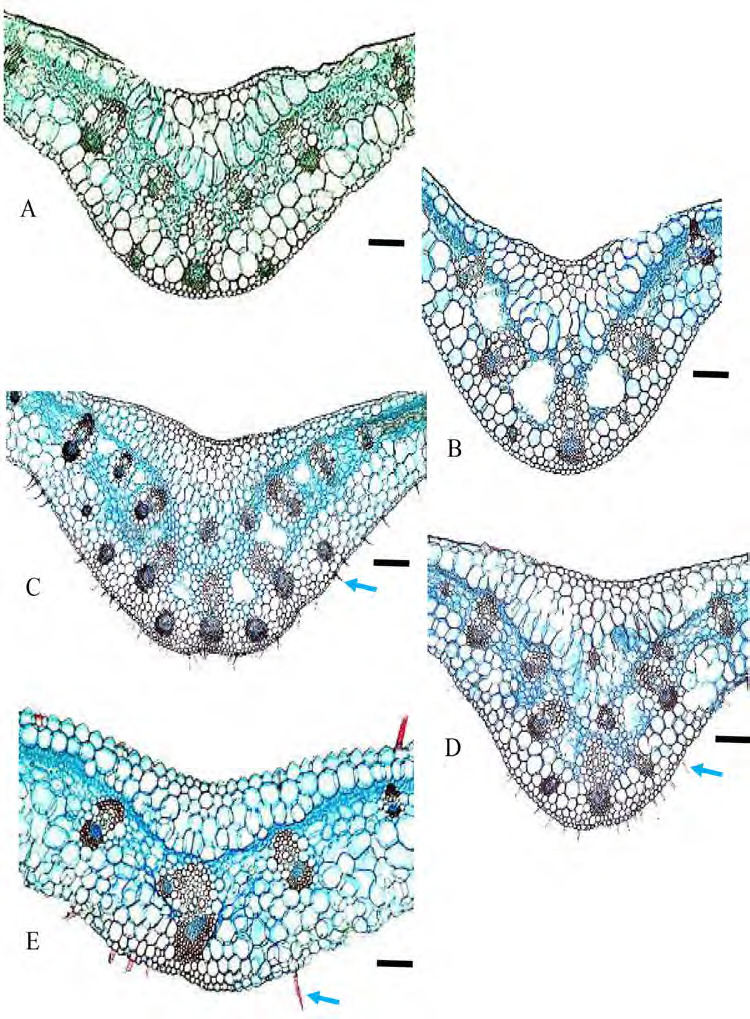 Figure 7
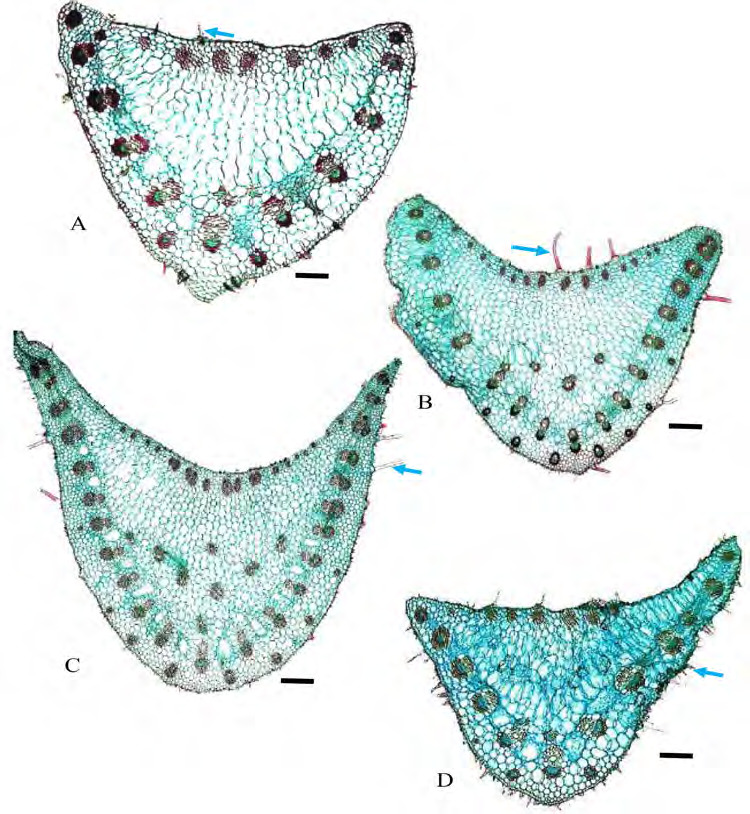 Figure 8
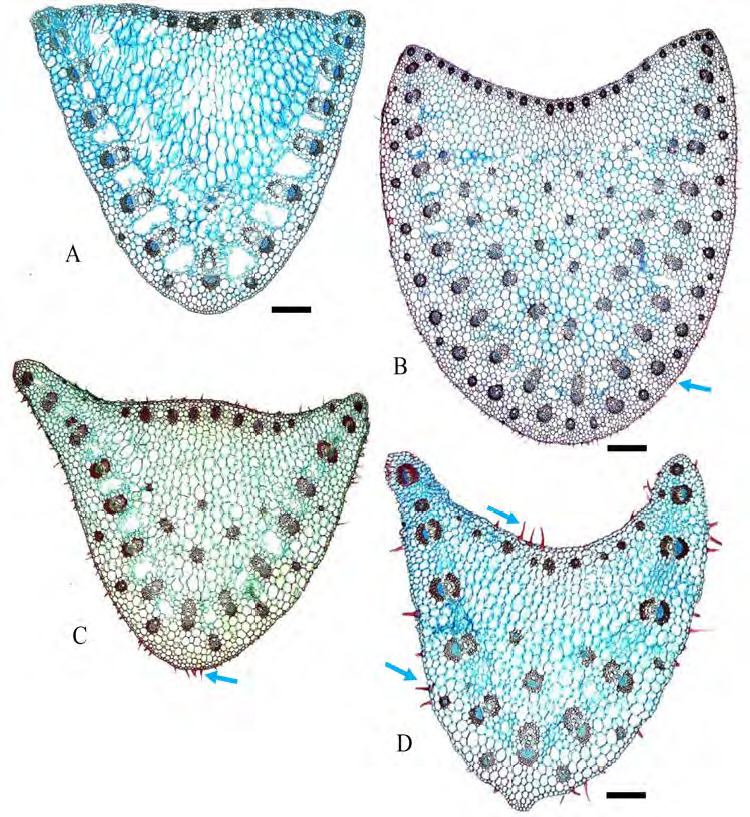 Figure 9
Peer Reviews
No public reviews on file for this paper yet. If you reviewed it on a platform where reviews are public (OpenReview, ICLR, NeurIPS, ICML), you can paste yours below so the community can read it here.
Videos
No videos yet. Explain this paper in a talk, walkthrough, or lecture? Add one.
Taxonomy
TopicsGinger and Zingiberaceae research · African Botany and Ecology Studies · Plant and Fungal Species Descriptions