Large genomic, functional, and phenotypical diversity of Janthinobacterium associated with Atlantic salmon fry
Eirik Degré Lorentsen, Eva C Sonnenschein, Alexander W Fiedler, Ingrid Bakke

TL;DR
This study reveals that Janthinobacterium strains from Atlantic salmon fry show large genomic and phenotypic diversity despite similar 16S rRNA sequences.
Contribution
The paper presents new insights into the genetic and functional diversity of Janthinobacterium strains associated with salmon fry.
Findings
Five Janthinobacterium strains had nearly identical 16S rRNA but distinct genomes and phenotypes.
Only one strain was closely related to a known species, Janthinobacterium tructaeT.
All strains could colonize salmon fry and had genes for chemotaxis, motility, and carbon fixation.
Abstract
Members of the genus Janthinobacterium are widespread and found in soil and freshwater ecosystems, but also in the skin of humans, fish, and amphibians. They are known for producing violacein, and they typically have antifungal properties. In amphibians, Janthinobacterium spp. protect their hosts against fungal infections. We examined the diversity of five Janthinobacterium strains isolated from the skin and rearing water of Atlantic salmon fry by phenotypic characterization and comparative genomics. Although their 16S rRNA gene sequences were almost identical, their phenotypes were highly dissimilar, and only two of the species consistently produced violacein. Genomic analyses revealed that they represented five species, and phylogenetic analysis suggested that only one was closely related to a previously described species (Janthinobacterium tructaeT). All strains possessed the…
Genes, proteins, chemicals, diseases, species, mutations and cell lines named across the full text — each resolved to its canonical identifier and authoritative record.
Click any figure to enlarge with its caption.
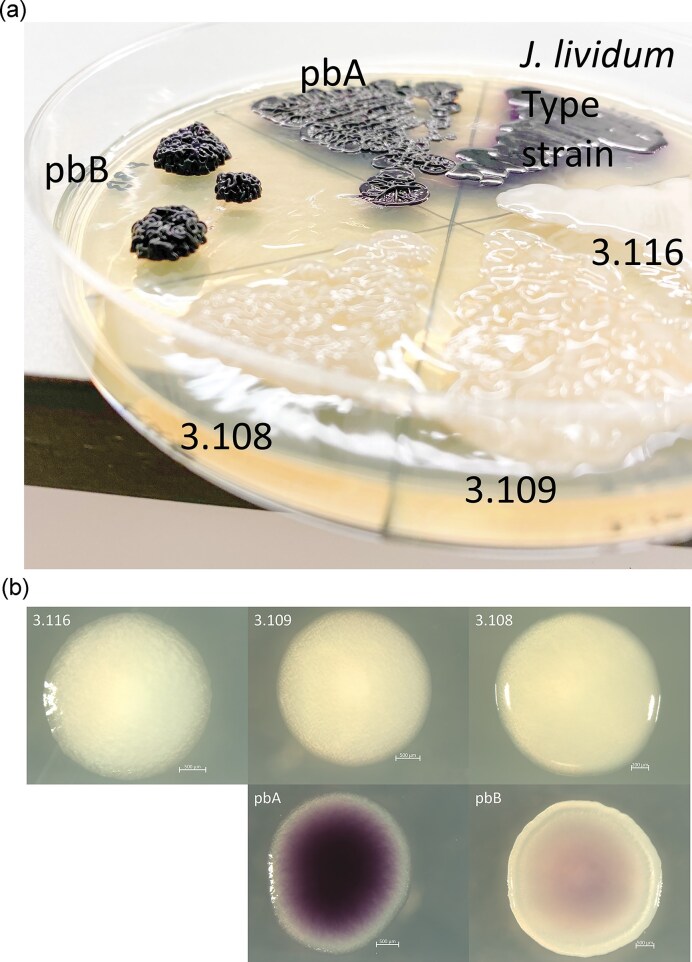 Figure 1
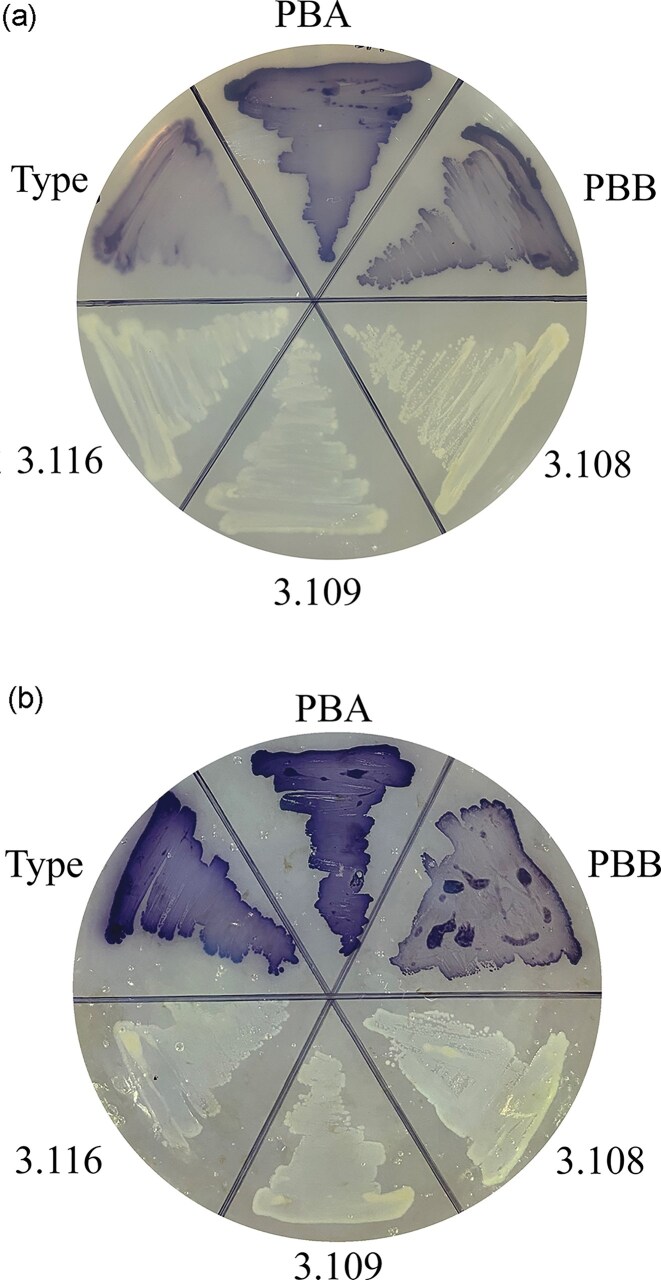 Figure 2
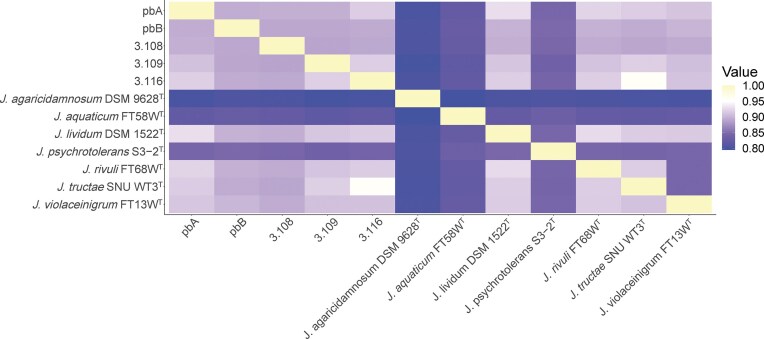 Figure 3
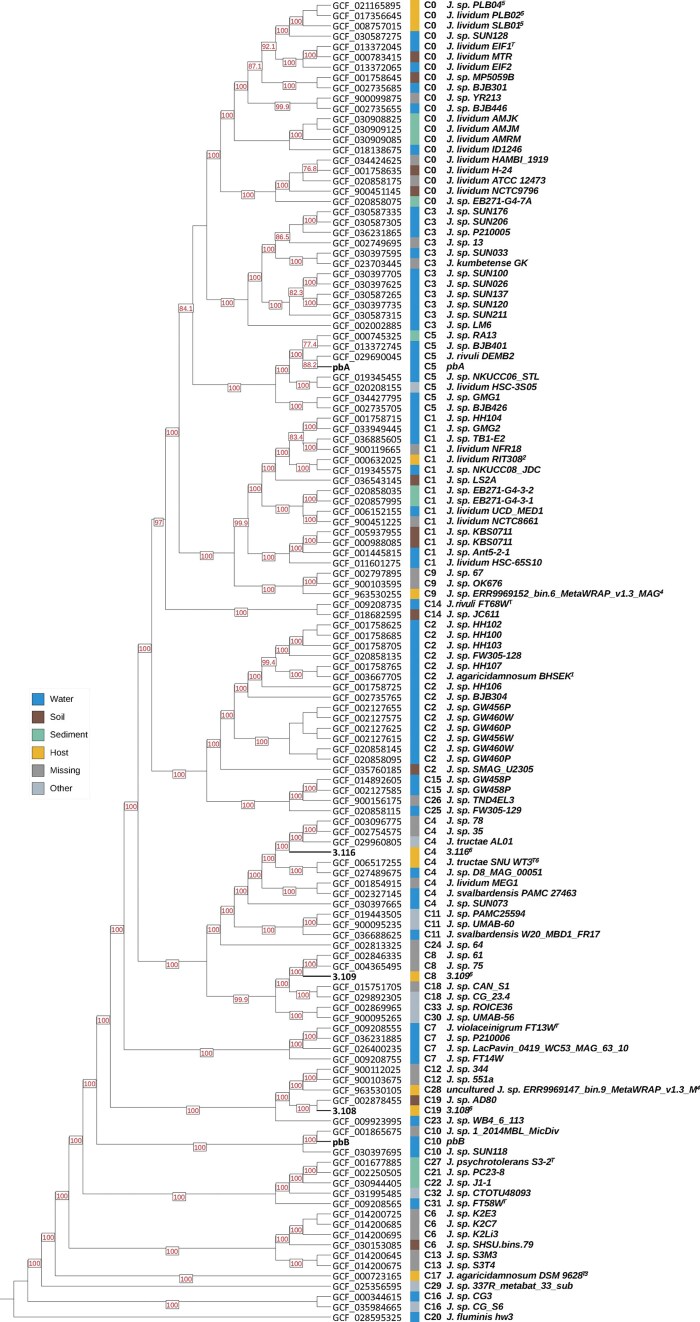 Figure 4
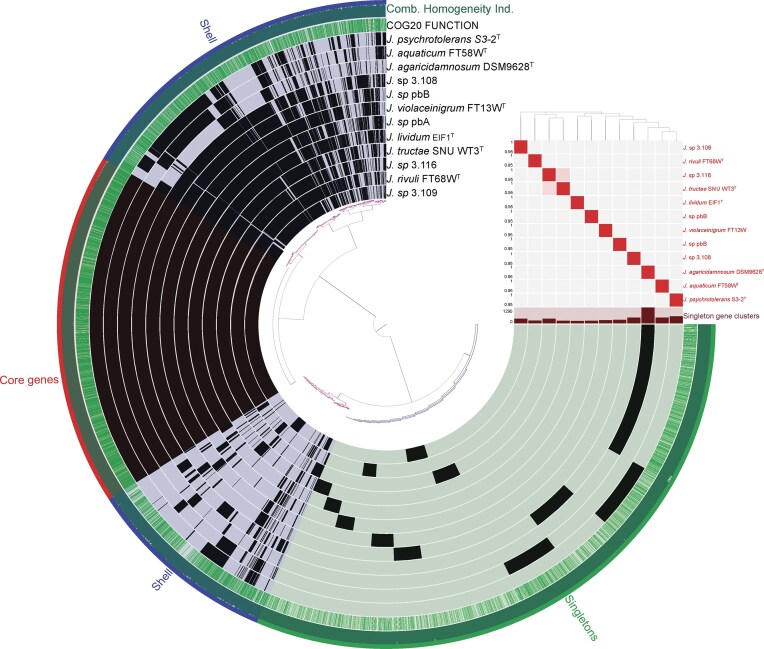 Figure 5
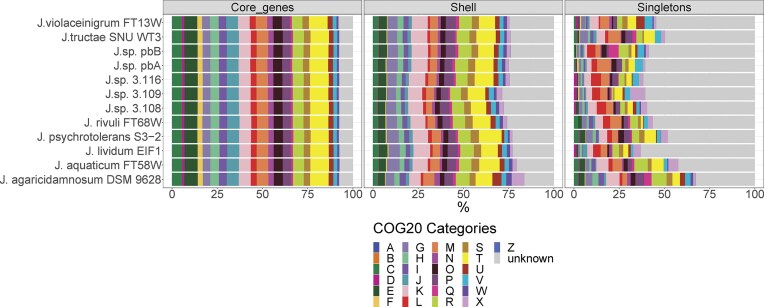 Figure 6
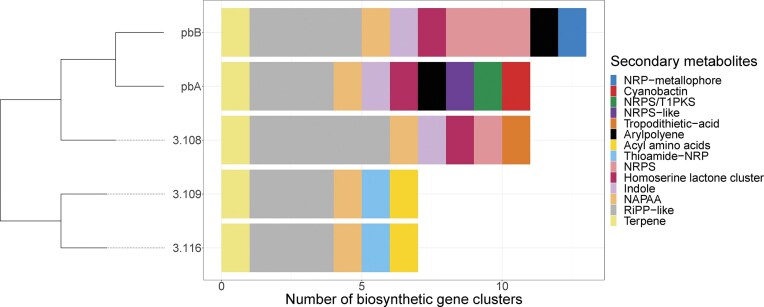 Figure 7
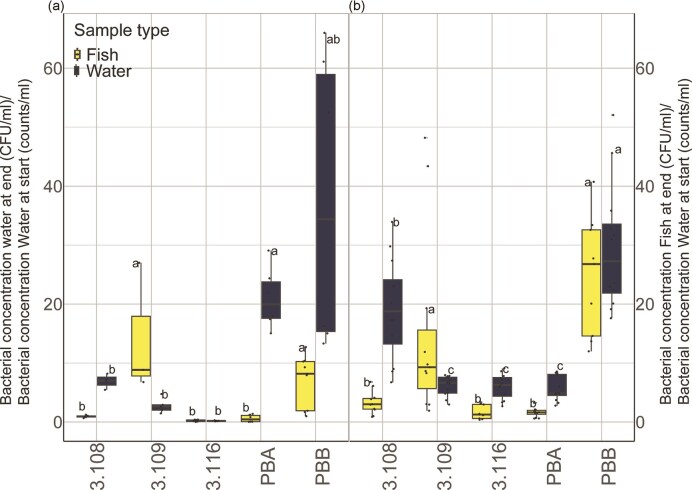 Figure 8
Peer Reviews
No public reviews on file for this paper yet. If you reviewed it on a platform where reviews are public (OpenReview, ICLR, NeurIPS, ICML), you can paste yours below so the community can read it here.
Videos
No videos yet. Explain this paper in a talk, walkthrough, or lecture? Add one.
Taxonomy
TopicsMicrobial Metabolism and Applications · Microbial Natural Products and Biosynthesis · Cancer Research and Treatments