Continuous Glucose Monitoring under standardised conditions regarding diet, exercise and stress in Healthy Young People (CGM-HYPE study): An exploratory clinical trial
Florian Kinny, Stephanie Läer, Emina Obarcanin

TL;DR
This study explores how diet, exercise, and stress affect glucose levels in healthy young adults using continuous glucose monitoring, revealing how lifestyle choices impact metabolic health.
Contribution
The study introduces the Glucose Recovery Time to Baseline (GRTB) metric to quantify individual glucose responses to lifestyle factors in healthy adults.
Findings
Anaerobic exercise caused significantly greater glucose excursions compared to aerobic exercise.
Carbohydrate-rich foods triggered the highest glucose increases in healthy participants.
Psychological stress induced significant glucose changes, highlighting its metabolic impact.
Abstract
Continuous glucose monitoring (CGM) in healthy adults is becoming part of healthy lifestyle activities for preventing cardio-vascular and metabolic diseases. However, there is a lack in describing individual glucose responses to everyday situations, with appropriate metrics. The aim of this study was to provide metrics which describe individual glucose responses to lifestyle factors including diet, exercise, and stress in healthy, young adults. Ten participants wore a CGM device (FreeStyle Libre3®) for 14 consecutive days while completing nine standardized interventions (challenges) consisting of food, anaerobic and aerobic sport, and the Trier Social Stress Test (TSST) in an exploratory, clinical trial. Individual glucose responses after each challenge were assessed over four hours, using the following metrics: AUC0–4, max glucose, time to max glucose, glucose excursion, and time…
Genes, proteins, chemicals, diseases, species, mutations and cell lines named across the full text — each resolved to its canonical identifier and authoritative record.
Click any figure to enlarge with its caption.
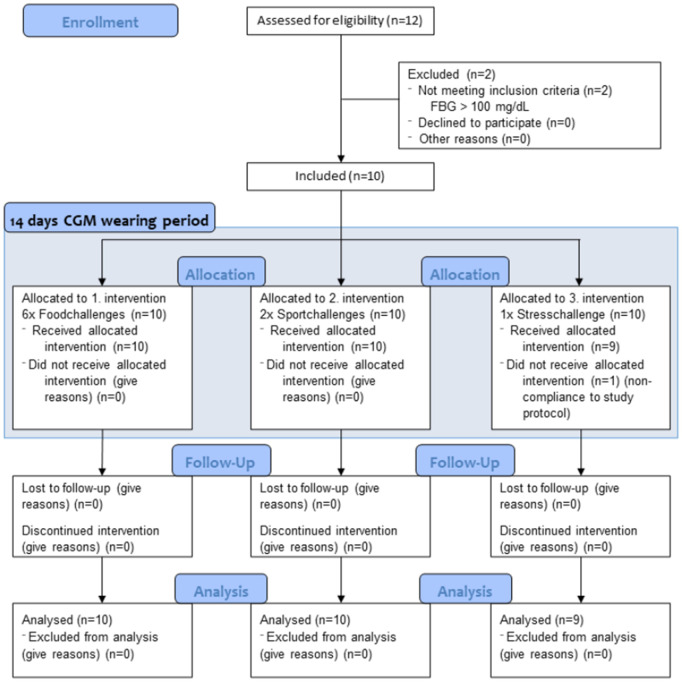 Figure 1
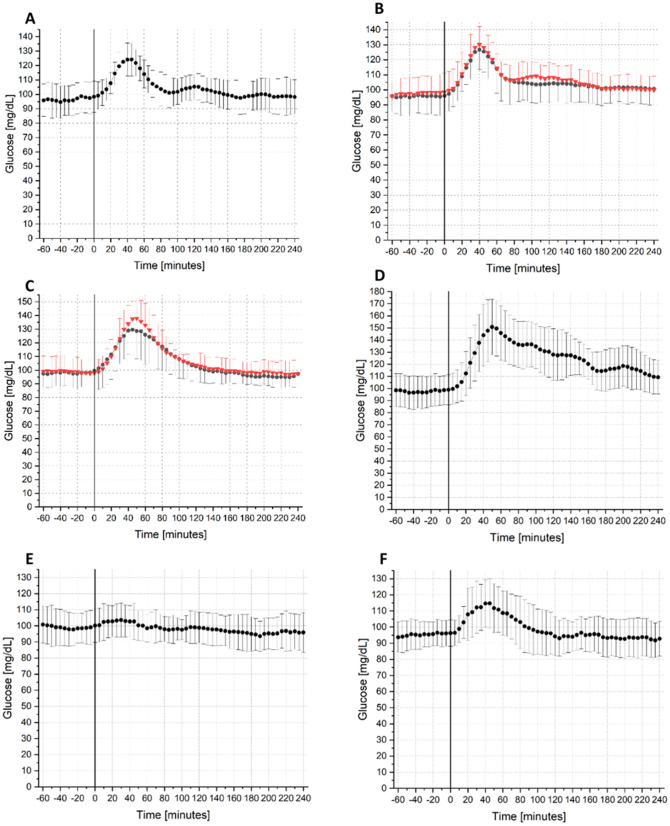 Figure 2
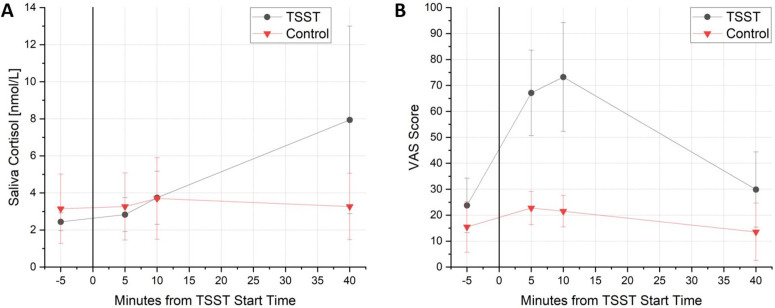 Figure 3
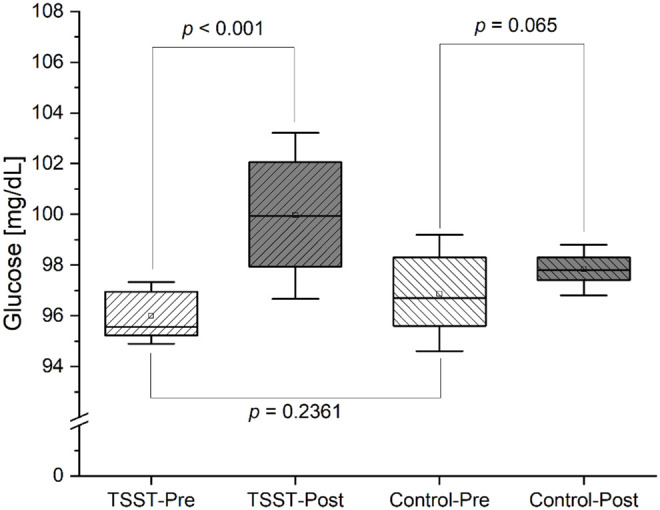 Figure 4
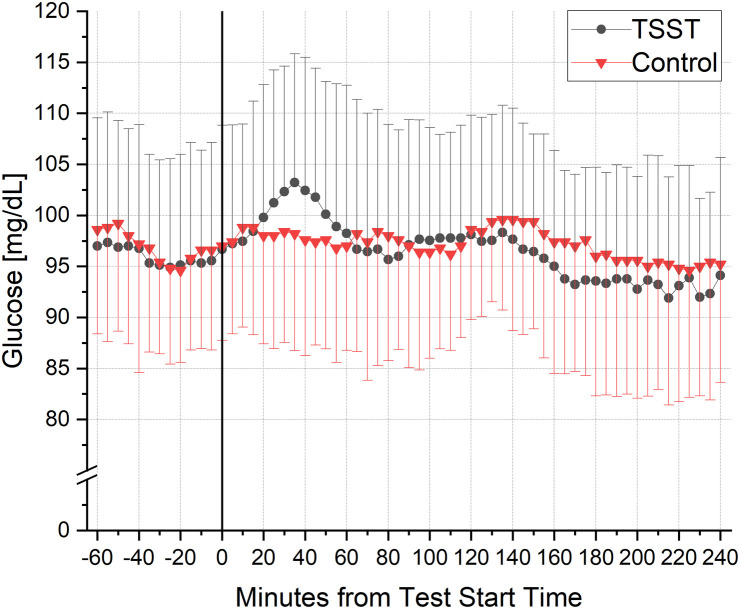 Figure 5
 Figure 6
 Figure 7
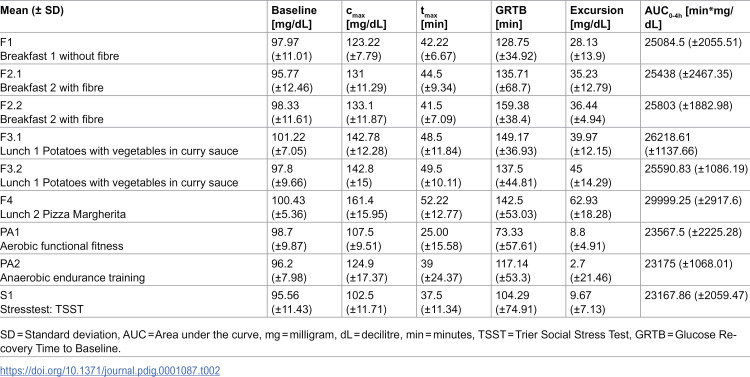 Figure 8
Peer Reviews
No public reviews on file for this paper yet. If you reviewed it on a platform where reviews are public (OpenReview, ICLR, NeurIPS, ICML), you can paste yours below so the community can read it here.
Videos
No videos yet. Explain this paper in a talk, walkthrough, or lecture? Add one.
Taxonomy
TopicsDiabetes Management and Research · Diabetes, Cardiovascular Risks, and Lipoproteins · Hyperglycemia and glycemic control in critically ill and hospitalized patients