Disruption of the mRNA m6A writer complex triggers autoimmunity in Arabidopsis
Carey L. Metheringham, Anjil K. Srivastava, Peter Thorpe, Ankita Maji, Matthew T. Parker, Geoffrey J. Barton, Gordon G. Simpson, Chunxiao Song, Chunxiao Song

TL;DR
Disrupting the mRNA m6A writer complex in Arabidopsis causes autoimmunity, with defense genes activated and temperature affecting the response.
Contribution
This study reveals autoimmunity as a major consequence of mRNA m6A writer complex disruption in plants.
Findings
Disruption of the mRNA m6A writer complex in Arabidopsis triggers autoimmunity and defense gene activation.
Autoimmune responses in m6A writer complex mutants are temperature-sensitive, with stronger effects at 17°C.
Changes in mRNA poly(A) tail length correlate with autoimmune phenotypes in these mutants.
Abstract
Distinguishing self from non-self is crucial to direct immune responses against pathogens. Unmodified RNAs stimulate human innate immunity, but RNA modifications suppress this response. mRNA m6A modification is essential for Arabidopsis thaliana viability. However, the molecular basis of the impact of mRNA m6A depletion is poorly understood. Here, we show that disruption of the Arabidopsis mRNA m6A writer complex triggers autoimmunity. Most gene expression changes in m6A writer complex vir-1 mutants grown at 17°C are explained by defence gene activation and are suppressed at 27°C, consistent with the frequent temperature sensitivity of Arabidopsis immunity. Accordingly, we found enhanced pathogen resistance and increased premature cell death in vir-1 mutants at 17°C but not 27°C. Global temperature-sensitive mRNA poly(A) tail length changes accompany these phenotypes. Our results…
Genes, proteins, chemicals, diseases, species, mutations and cell lines named across the full text — each resolved to its canonical identifier and authoritative record.
Click any figure to enlarge with its caption.
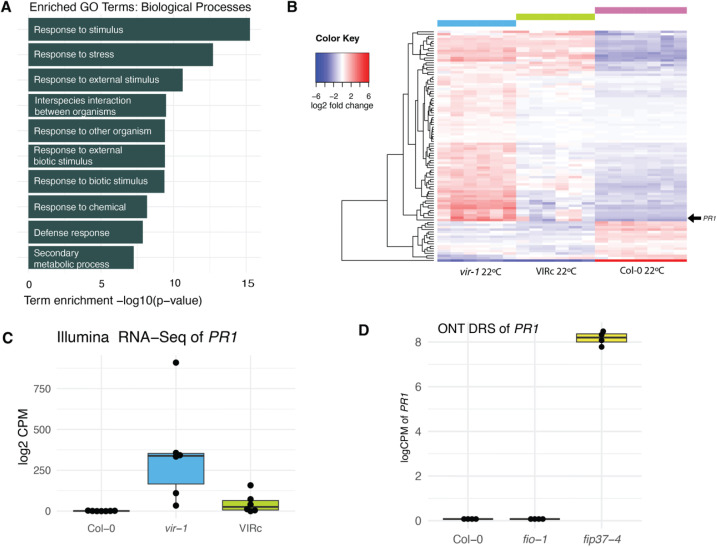 Figure 1
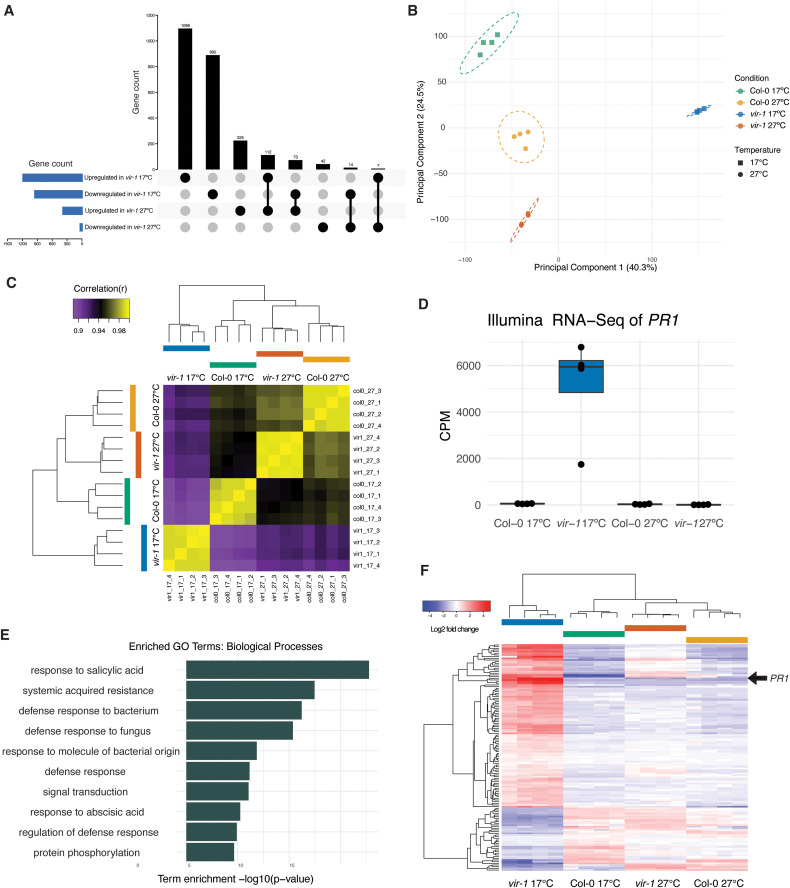 Figure 2
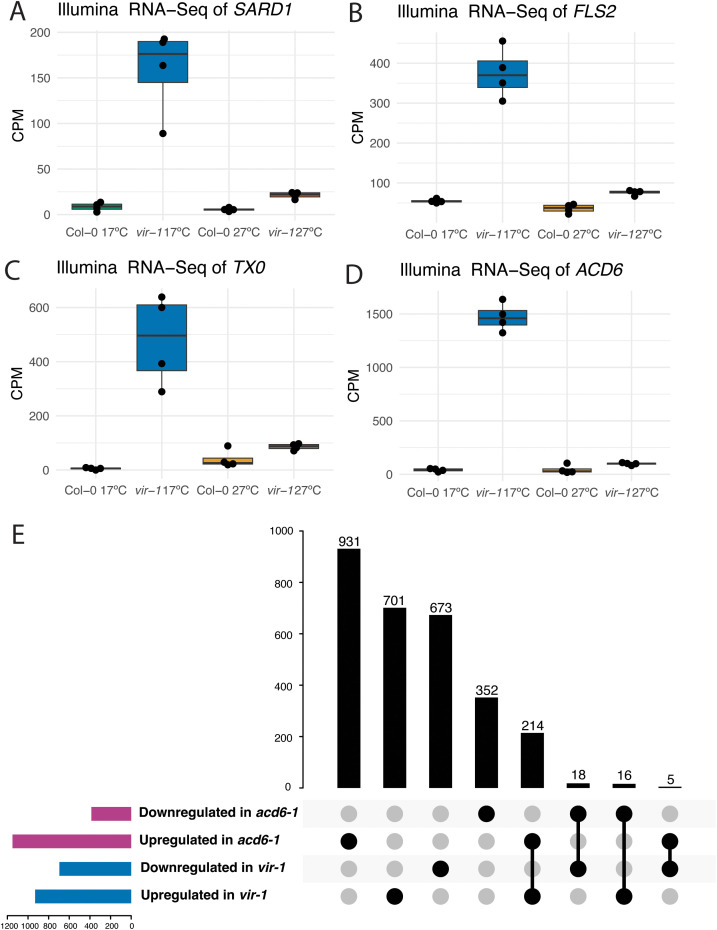 Figure 3
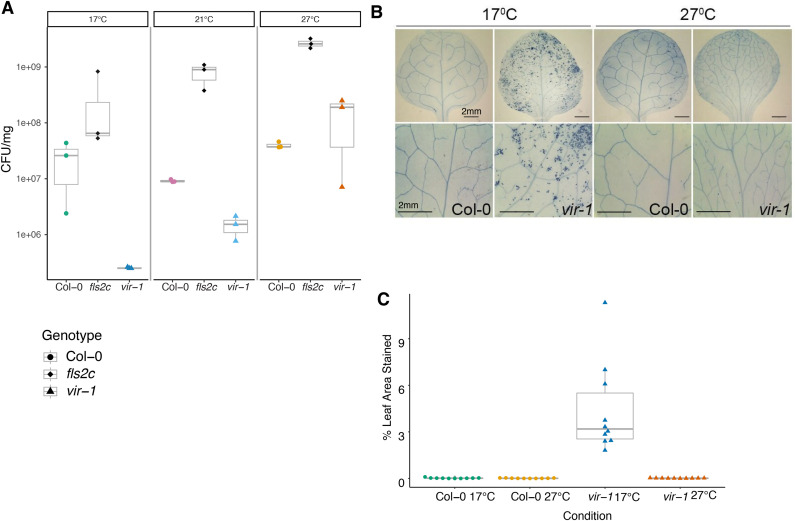 Figure 4
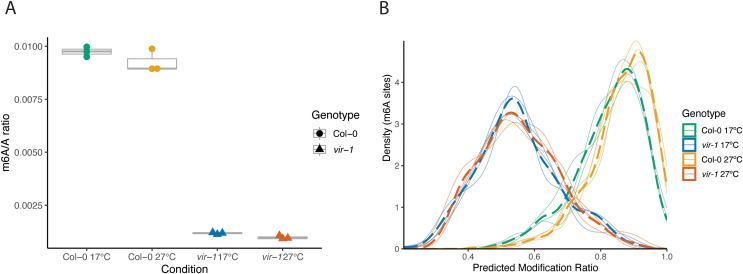 Figure 5
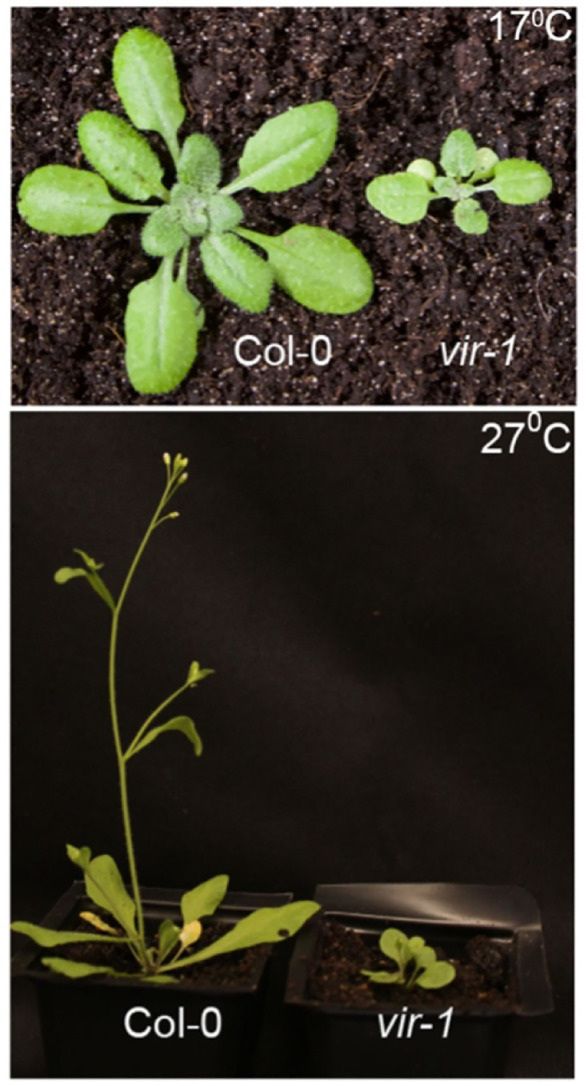 Figure 6
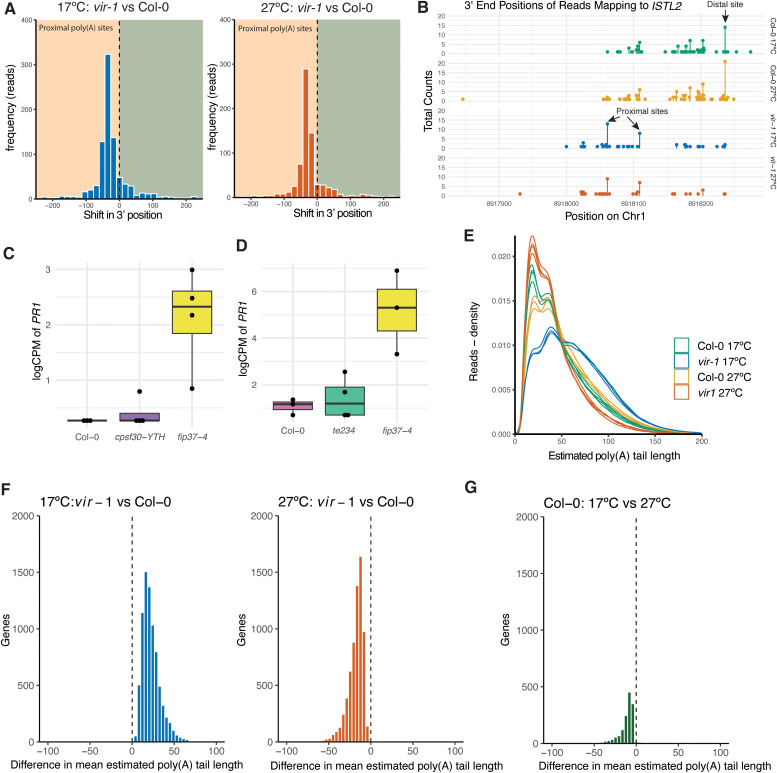 Figure 7
Peer Reviews
No public reviews on file for this paper yet. If you reviewed it on a platform where reviews are public (OpenReview, ICLR, NeurIPS, ICML), you can paste yours below so the community can read it here.
Videos
No videos yet. Explain this paper in a talk, walkthrough, or lecture? Add one.
Taxonomy
TopicsRNA modifications and cancer · RNA Research and Splicing · interferon and immune responses