Impact of processing and analysis methodology on thalamic susceptibility assessment in multiple sclerosis
Fahad Salman, Niels Bergsland, Michael G. Dwyer, Jack A. Reeves, Abhisri Ramesh, Dejan Jakimovski, Bianca Weinstock-Guttman, Robert Zivadinov, Ferdinand Schweser

TL;DR
This study shows that thalamic susceptibility differences in multiple sclerosis are consistent across various processing methods, making inconsistent results unlikely due to methodology.
Contribution
The study systematically evaluates the impact of different QSM processing pipelines on thalamic susceptibility in MS.
Findings
Thalamic susceptibility was consistently lower in MS patients compared to controls across all methods.
Methodological differences had minimal impact on the overall findings, with BFR algorithms and parameters being the main drivers of effect size variation.
Dipole inversion algorithms had little influence on the results.
Abstract
Studies using quantitative susceptibility mapping (QSM) to investigate thalamic iron levels in people with multiple sclerosis (pwMS) have yielded inconsistent results. It has been speculated that cohort differences are responsible for these inconsistencies, leading to the phenomenological “early-rise late-decline” hypothesis, which posits that cohort age differences explain conflicting thalamic susceptibility findings. In a recent replication study, the authors failed to reproduce elevated thalamic susceptibility in pwMS previously reported by one of the only two QSM-based studies, despite matching cohort characteristics and processing, weakening the support for the phenomenological hypothesis. To investigate if the outcome of the recent replication study is robust with respect to different QSM algorithms and analysis methodologies. Using the same MRI dataset as the previous…
Genes, proteins, chemicals, diseases, species, mutations and cell lines named across the full text — each resolved to its canonical identifier and authoritative record.
Click any figure to enlarge with its caption.
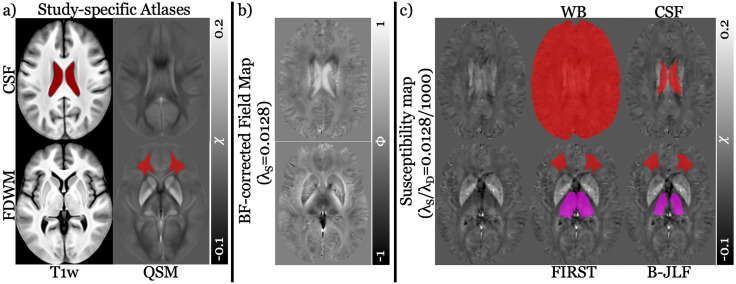 Figure 1
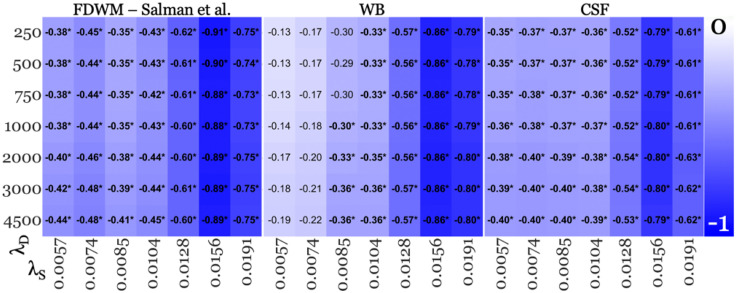 Figure 2
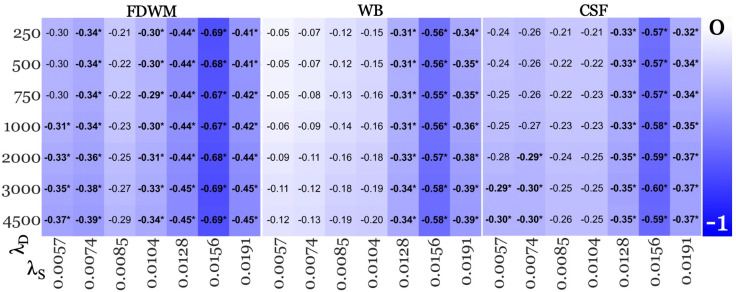 Figure 3
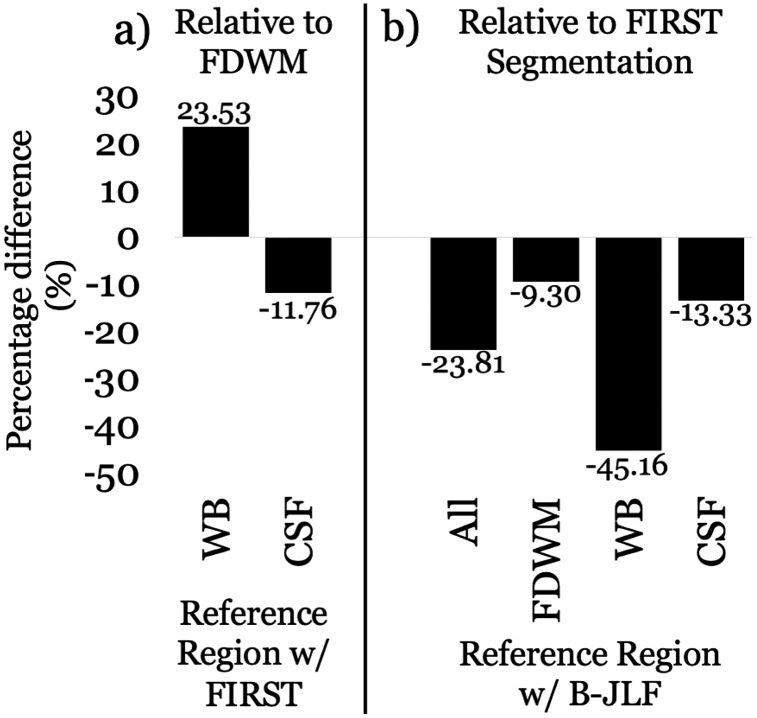 Figure 4
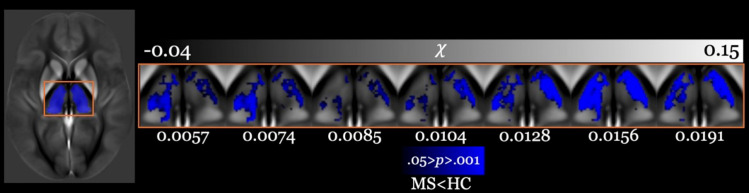 Figure 5
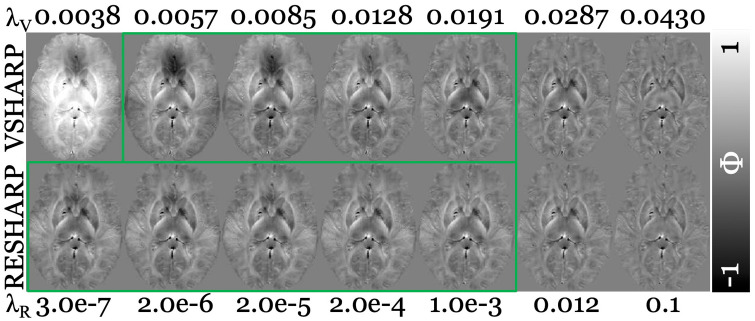 Figure 6
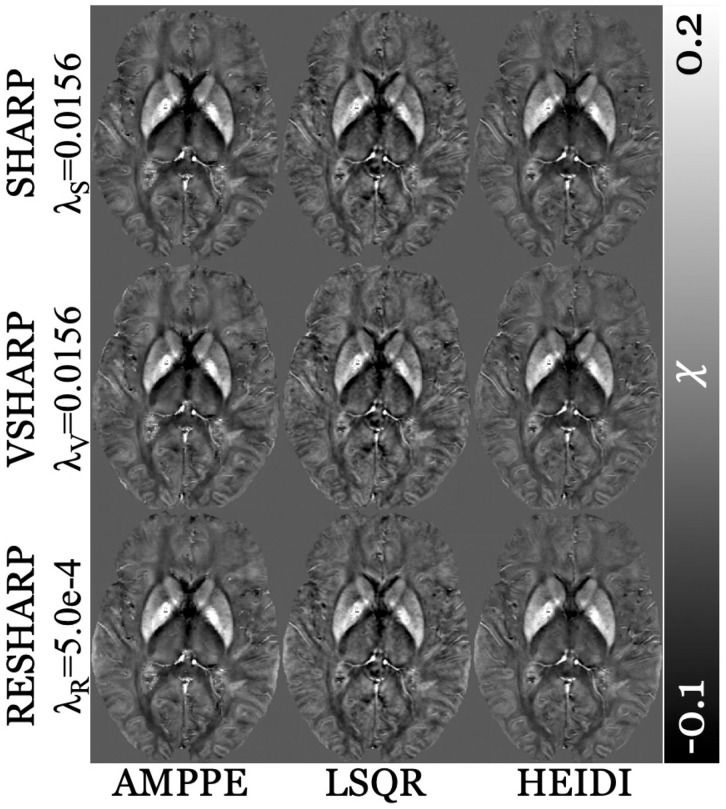 Figure 7
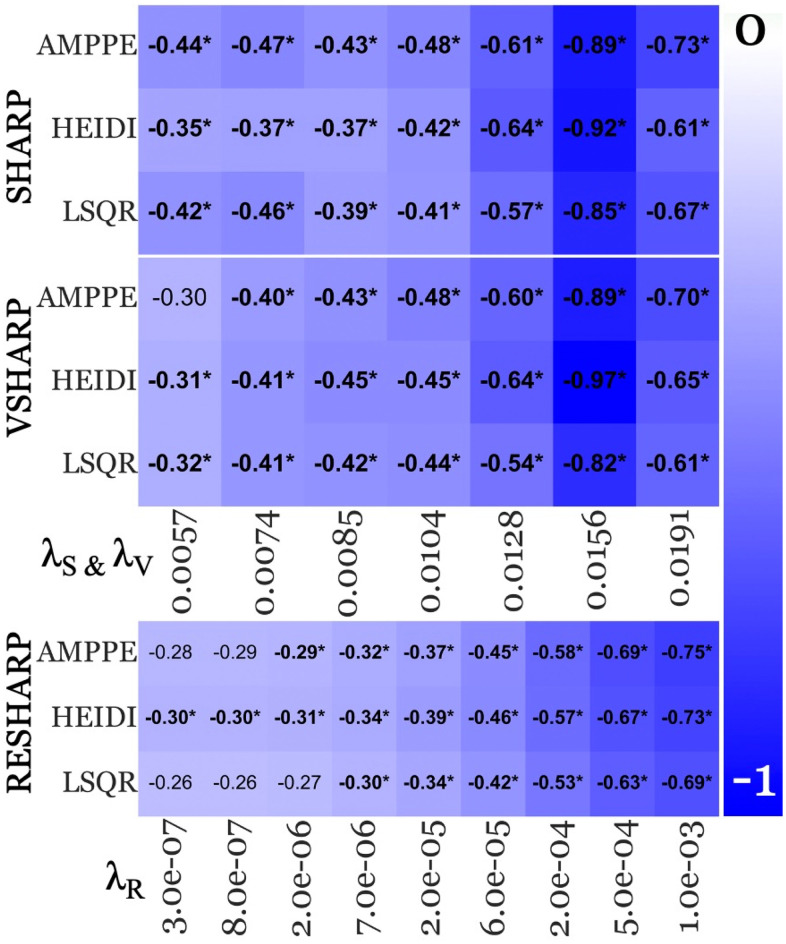 Figure 8
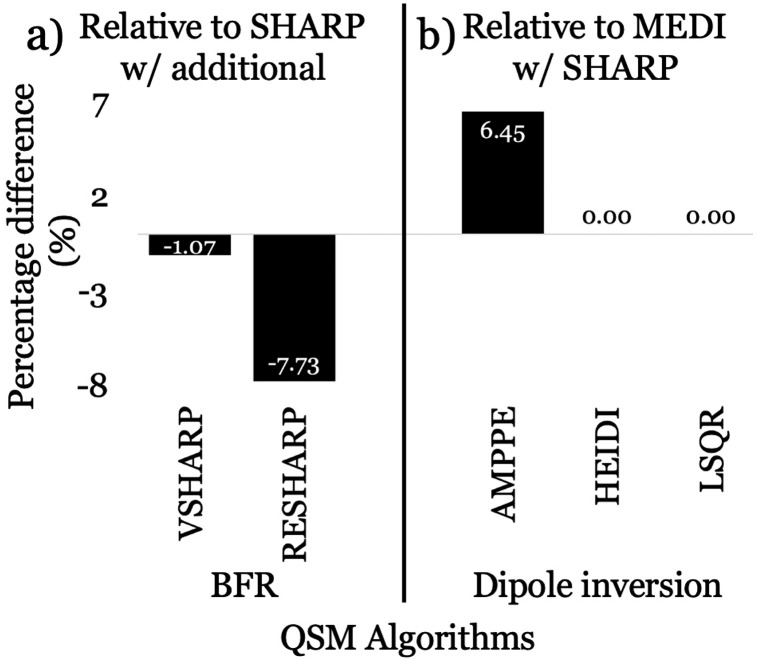 Figure 9
 Figure 10
 Figure 11
Peer Reviews
No public reviews on file for this paper yet. If you reviewed it on a platform where reviews are public (OpenReview, ICLR, NeurIPS, ICML), you can paste yours below so the community can read it here.
Videos
No videos yet. Explain this paper in a talk, walkthrough, or lecture? Add one.
Taxonomy
TopicsMultiple Sclerosis Research Studies · Epilepsy research and treatment · Heart Rate Variability and Autonomic Control