Environmentally friendly polymers are used to enhance the water retention capacity of waste residue and the potential for vegetation growth
Jun Kang Zhao, Qun Chen, Lu Li, Cheng Zhou, Ting Quan He, Muammar Qadafi, Muammar Qadafi, Muammar Qadafi

TL;DR
A water-retaining polymer improves the ability of waste residue to hold water, promoting better plant growth in previously inhospitable conditions.
Contribution
Modified hydrophilic polyurethane (W-OH) is introduced as an effective, eco-friendly solution to enhance water retention and plant growth in waste residue.
Findings
3% W-OH treatment significantly increased volumetric water content and prolonged drying time compared to untreated waste residue.
W-OH forms a dense membrane around residue particles, reducing large pores and enhancing capillary water storage.
Plant growth tests showed improved growth parameters for Amorpha fruticosa in 3% W-OH-treated residue.
Abstract
The large pores and lack of water storage capacity limit the ecological rehabilitation of the waste residue. Modified hydrophilic polyurethane (W-OH) was used to improve the water retention of the residue. The water retention capacity of residues with different mass concentrations (1%, 3%, and 5%) of W-OH solution based on water mass was evaluated for several drying-wetting (D-W) cycles at 30°C and 50°C. The plant growth experiment investigated the plant growth status of waste residue before and after adding W-OH, to demonstrate the excellent water retention of W-OH under the same waste residue. Infiltration tests showed that W-OH effectively increased the volumetric water content (VWC) of waste residue and reduced its drying time. Untreated residue had 11.62% saturated initial VWC and 152 h drying time; 3% and 5% W-OH groups showed similar results (17.63%−18.09% VWC, 288–304 h drying…
Genes, proteins, chemicals, diseases, species, mutations and cell lines named across the full text — each resolved to its canonical identifier and authoritative record.
Click any figure to enlarge with its caption.
 Figure 1
 Figure 2
 Figure 3
 Figure 4
 Figure 5
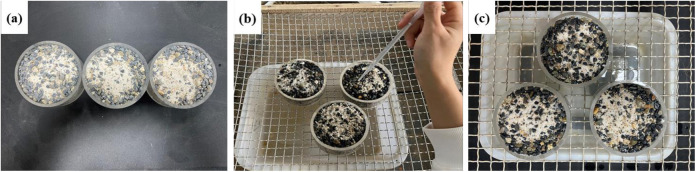 Figure 6
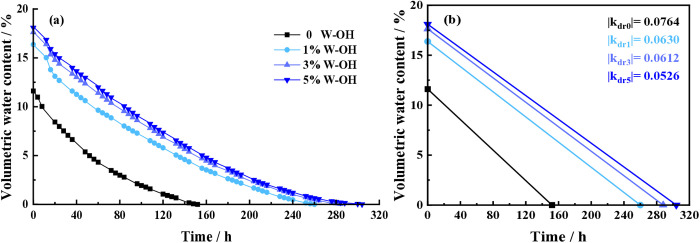 Figure 7
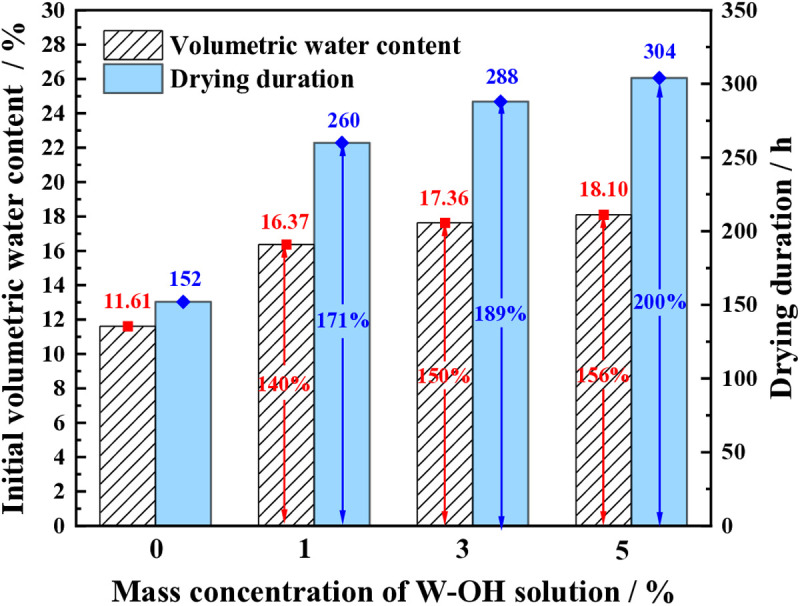 Figure 8
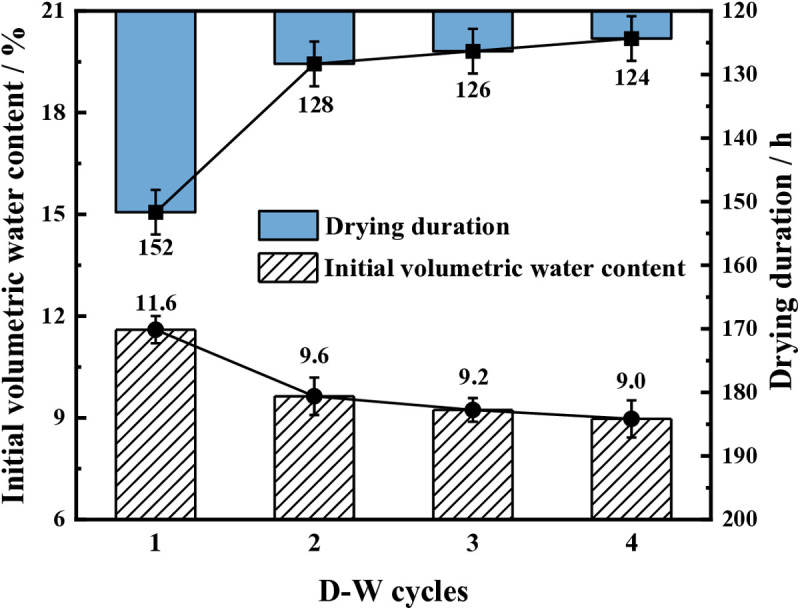 Figure 9
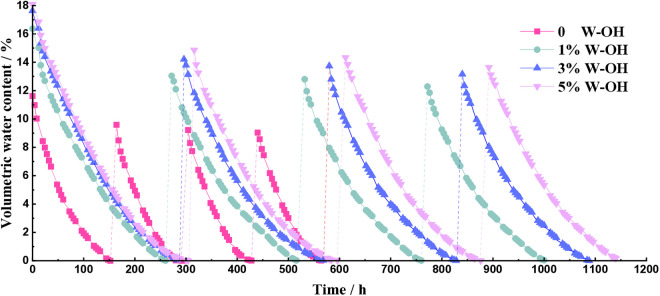 Figure 10
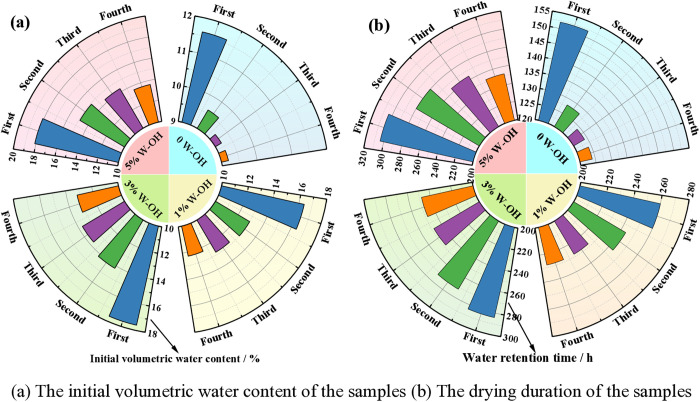 Figure 11
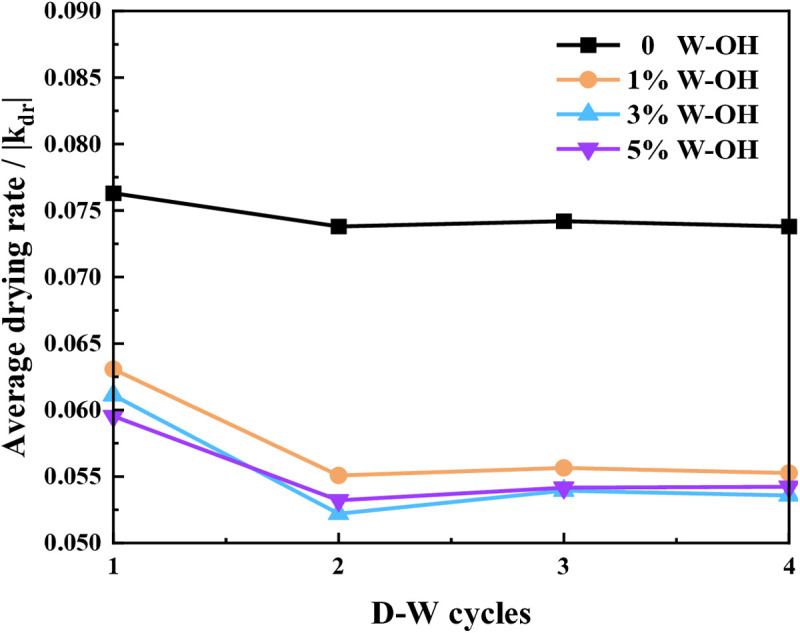 Figure 12
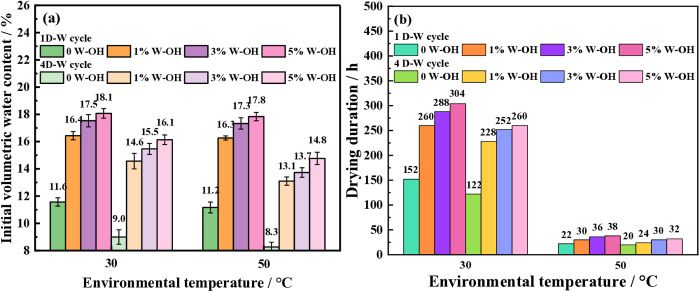 Figure 13
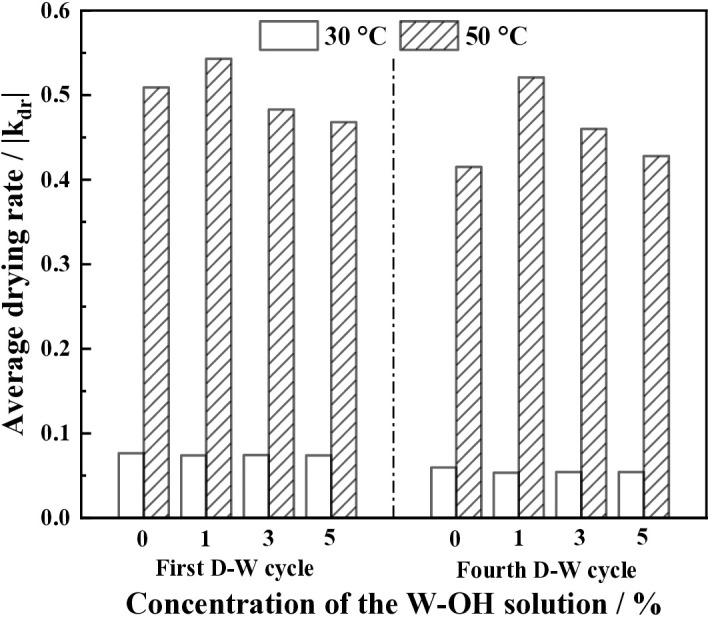 Figure 14
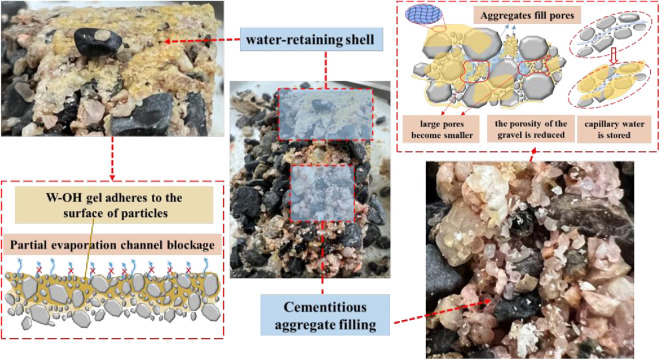 Figure 15
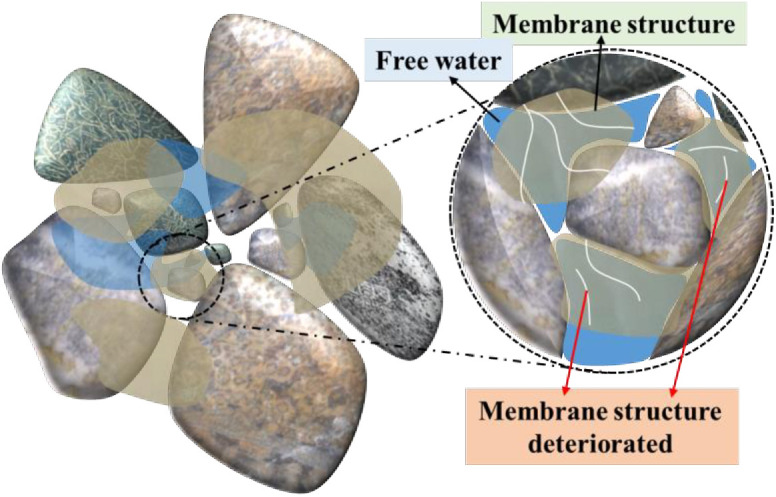 Figure 16
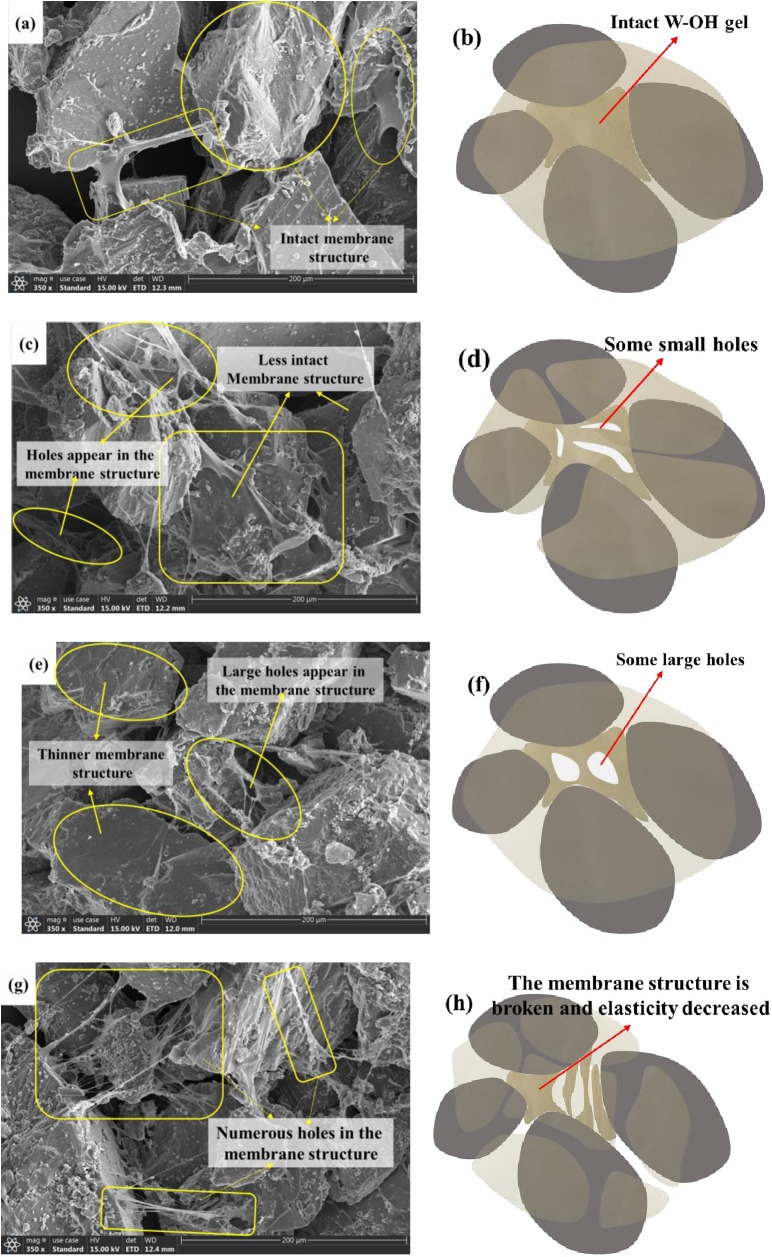 Figure 17
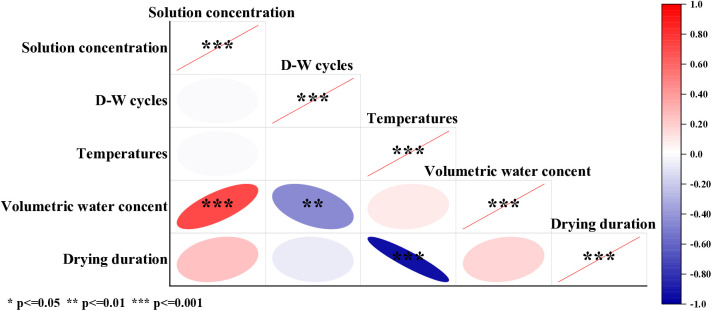 Figure 18
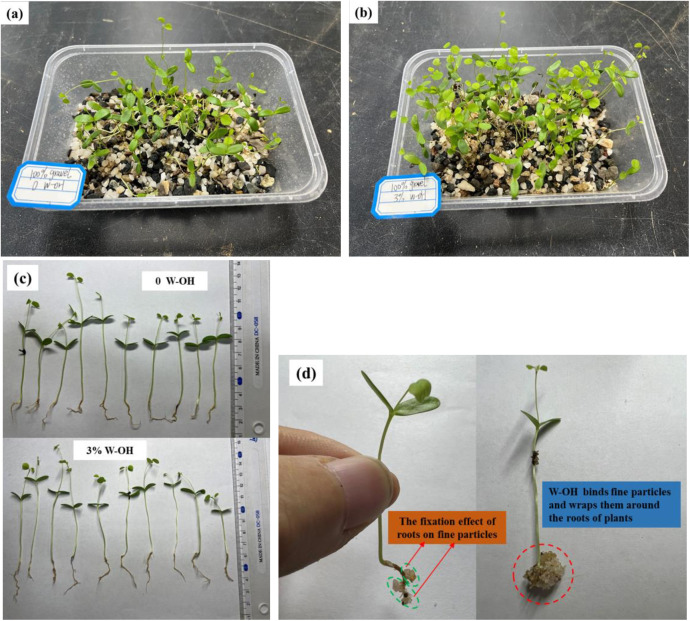 Figure 19
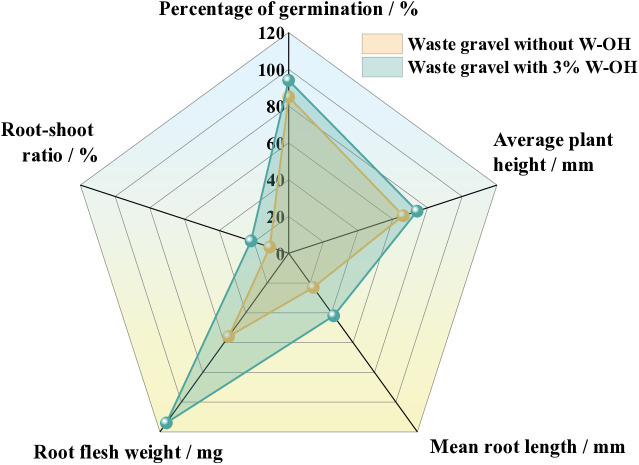 Figure 20
 Figure 21
 Figure 22
Peer Reviews
No public reviews on file for this paper yet. If you reviewed it on a platform where reviews are public (OpenReview, ICLR, NeurIPS, ICML), you can paste yours below so the community can read it here.
Videos
No videos yet. Explain this paper in a talk, walkthrough, or lecture? Add one.
Taxonomy
TopicsPolymer-Based Agricultural Enhancements · Composting and Vermicomposting Techniques · Surface Modification and Superhydrophobicity