The application of intelligent optimization algorithms in reducing energy consumption in slipform construction
Wenqin Wang, Lijun Li

TL;DR
This paper introduces a new algorithm that reduces energy use in slipform construction by combining two optimization techniques.
Contribution
A novel Hybrid PSO-Whale Optimization algorithm is proposed for energy-efficient slipform construction.
Findings
The HPWO algorithm reduces energy consumption by an average of 18.5%.
It outperforms traditional optimization methods in energy management.
The algorithm improves interactions between construction systems like hydraulic and vibration.
Abstract
In this work, a new Hybrid PSO-Whale Optimization (HPWO) algorithm is introduced to optimize energy consumption in slipform construction. By combining the global exploration power of Particle Swarm Optimization (PSO) with the local exploitation strengths of Whale Optimization Algorithm (WOA), the HPWO algorithm enhances energy management through dynamic adjustment mechanisms. A comprehensive multi-objective optimization model is developed, addressing the interactions between hydraulic, climbing, and vibration systems. Experimental results demonstrate that the HPWO algorithm reduces energy consumption by an average of 18.5%, outperforming traditional optimization methods and offering a practical solution for improving construction efficiency.
Genes, proteins, chemicals, diseases, species, mutations and cell lines named across the full text — each resolved to its canonical identifier and authoritative record.
Click any figure to enlarge with its caption.
 Figure 1
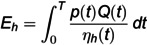 Figure 2
 Figure 3
 Figure 4
 Figure 5
 Figure 6
 Figure 7
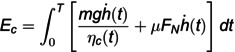 Figure 8
 Figure 9
 Figure 10
 Figure 11
 Figure 12
 Figure 13
 Figure 14
 Figure 15
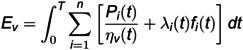 Figure 16
 Figure 17
 Figure 18
 Figure 19
 Figure 20
 Figure 21
 Figure 22
 Figure 23
 Figure 24
 Figure 25
 Figure 26
 Figure 27
 Figure 28
 Figure 29
 Figure 30
 Figure 31
 Figure 32
 Figure 33
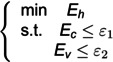 Figure 34
 Figure 35
 Figure 36
 Figure 37
 Figure 38
 Figure 39
 Figure 40
 Figure 41
 Figure 42
 Figure 43
 Figure 44
 Figure 45
 Figure 46
 Figure 47
 Figure 48
 Figure 49
 Figure 50
Peer Reviews
No public reviews on file for this paper yet. If you reviewed it on a platform where reviews are public (OpenReview, ICLR, NeurIPS, ICML), you can paste yours below so the community can read it here.
Videos
No videos yet. Explain this paper in a talk, walkthrough, or lecture? Add one.
Taxonomy
TopicsBIM and Construction Integration · Resource-Constrained Project Scheduling · Hydraulic and Pneumatic Systems