PathoRM: Computational inference of pathogenic RNA methylation sites by incorporating multi-view features
Hui Liu, Jiani Ma, Xianjun Ma, Lin Zhang, Aya Narunsky, Aya Narunsky, Aya Narunsky, Aya Narunsky

TL;DR
PathoRM is a deep learning model that identifies RNA methylation sites linked to diseases by combining biological data and advanced machine learning techniques.
Contribution
PathoRM introduces a novel deep learning framework integrating multi-view features and biological insights for accurate inference of pathogenic RNA methylation sites.
Findings
PathoRM achieves robust performance in predicting pathogenic RNA methylation sites across multiple datasets.
The model identifies conserved motifs in RNA methylation host sequences, providing biological interpretability.
PathoRM captures intrinsic pathogenic regions without explicit annotations, enhancing genome research.
Abstract
Identifying pathogenic RNA methylation sites with a reasonable biological explanation has important implications for the treatment of diseases. Due to the limitations of in vitro experiments in identifying pathogenic RNA methylation sites, there is a growing need for computational workflows to enable accurate inference. Here, motivated by this profound meaning, we developed PathoRM, a biologically informed deep learning model, to infer associations between RNA methylation sites and diseases. PathoRM could provide convincing pathogenic RNA methylation sites and unravel the enigma of pathology in the epi-transcriptomic layer. PathoRM fuses RNA methylation host sequences and pathogenic descriptions as inputs, and subsequently employs large language models, multi-view learning algorithm, graph neural networks, an adversarial training approach, and “guilty-by-association”-derived negative…
Genes, proteins, chemicals, diseases, species, mutations and cell lines named across the full text — each resolved to its canonical identifier and authoritative record.
Click any figure to enlarge with its caption.
 Figure 1
 Figure 2
 Figure 3
 Figure 4
 Figure 5
 Figure 6
 Figure 7
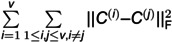 Figure 8
 Figure 9
 Figure 10
 Figure 11
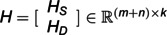 Figure 12
 Figure 13
 Figure 14
 Figure 15
 Figure 16
 Figure 17
 Figure 18
 Figure 19
 Figure 20
 Figure 21
 Figure 22
 Figure 23
 Figure 24
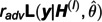 Figure 25
 Figure 26
 Figure 27
 Figure 28
 Figure 29
 Figure 30
 Figure 31
 Figure 32
 Figure 33
 Figure 34
 Figure 35
 Figure 36
 Figure 37
 Figure 38
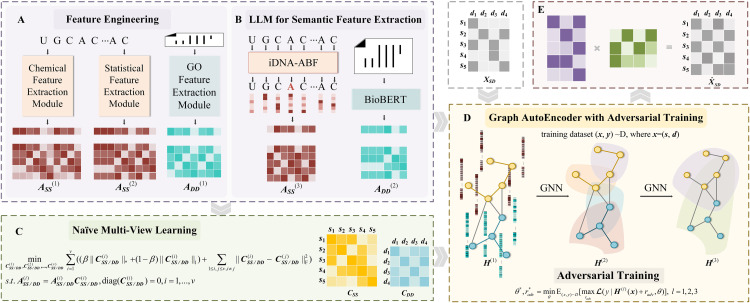 Figure 39
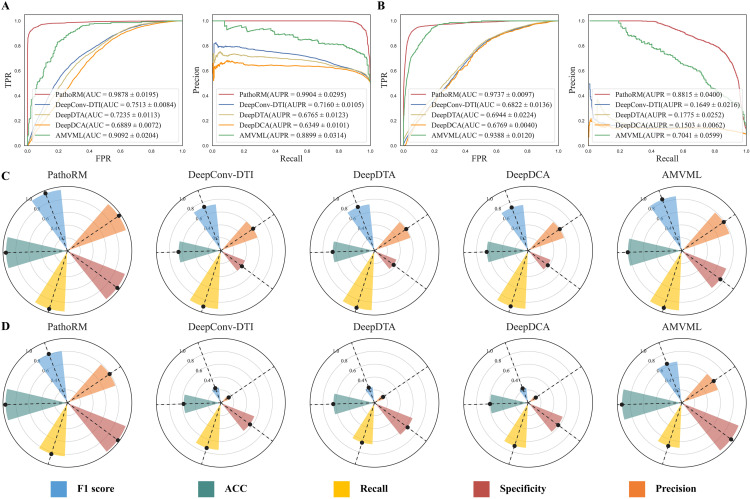 Figure 40
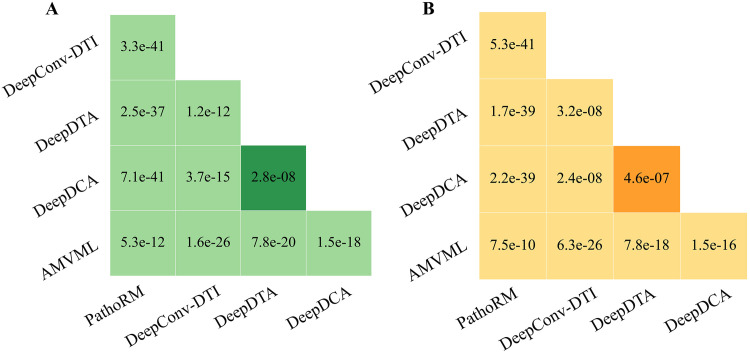 Figure 41
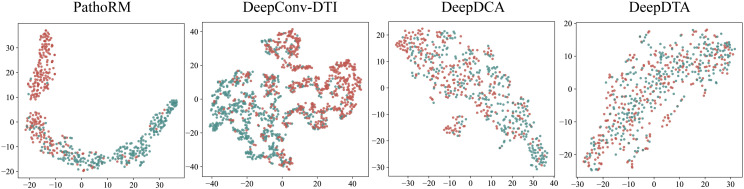 Figure 42
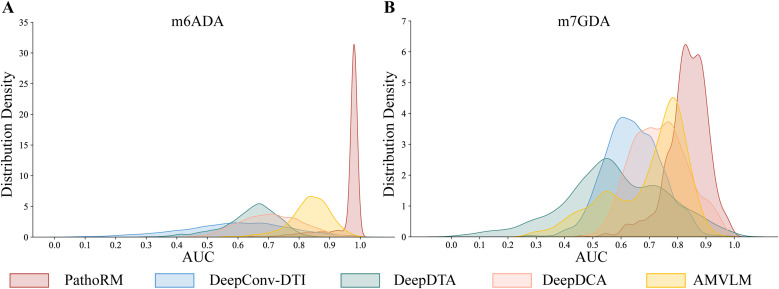 Figure 43
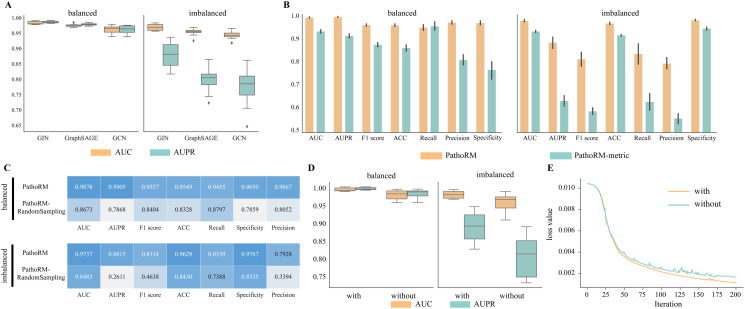 Figure 44
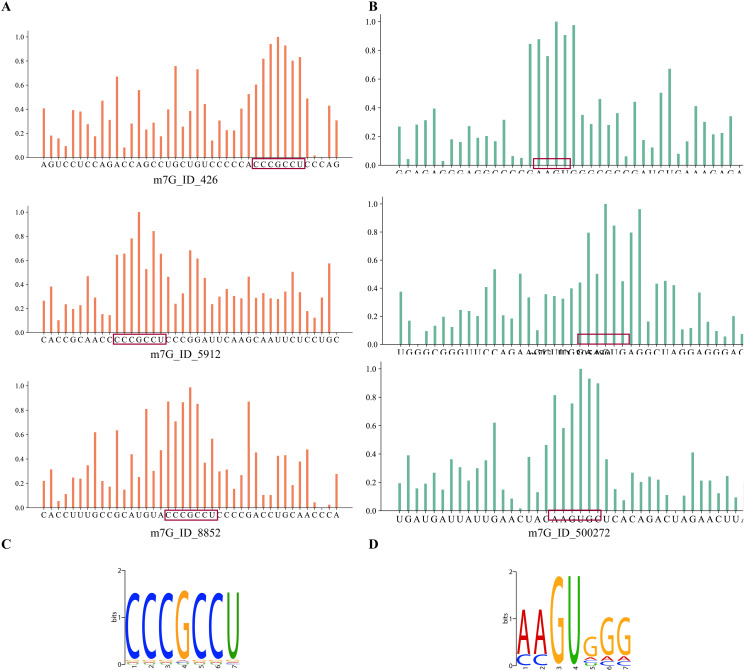 Figure 45
Peer Reviews
No public reviews on file for this paper yet. If you reviewed it on a platform where reviews are public (OpenReview, ICLR, NeurIPS, ICML), you can paste yours below so the community can read it here.
Videos
No videos yet. Explain this paper in a talk, walkthrough, or lecture? Add one.
Taxonomy
TopicsRNA modifications and cancer · Machine Learning in Bioinformatics · Domain Adaptation and Few-Shot Learning