The RNA-binding protein RBM39 scaffolds an m⁶A-dependent RNA decay complex that destabilizes Tat transcripts and restricts HIV-1 reactivation
Xiaohui Deng, Siyi Xie, Mo Zhou, Quyu Yuan, Shuangxin Wu, Peiming Huang, Minghua Chen, Jianteng Zeng, Pengle Guo, Jie Qin, Cancan Chen, Jiaye Liu, Bingfeng Liu, Xin He, Liqin Sun, Hui Zhang, Linghua Li, Ting Pan

TL;DR
The study identifies RBM39 as a protein that helps keep HIV-1 in a dormant state by breaking down specific viral RNA, offering a new target for therapies.
Contribution
The study reveals RBM39 as a scaffold for an m⁶A-dependent RNA decay complex that silences HIV-1 through Tat transcript destabilization.
Findings
RBM39 recruits YTHDC1 and DDX5 to form a complex that accelerates Tat RNA decay.
Degradation of RBM39 reactivates latent HIV-1 in cell models and primary CD4⁺ T cells.
RBM39 degradation synergizes with existing latency-reversing agents to activate proviral reservoirs.
Abstract
The persistence of latent HIV-1 reservoirs remains a critical barrier to functional curing AIDS, as current latency-reversing agents (LRAs) exhibit limited clinical efficacy. While RNA modifications like N⁶-methyladenosine (m⁶A) regulate viral replication, their role in maintaining HIV-1 latency is poorly defined. Here, we identify the RNA-binding protein RBM39 as a scaffold organizing an m⁶A-dependent silencing complex that enforces viral latency. Through proteomic and functional analyses, we demonstrate that RBM39 recruits the m⁶A reader YTHDC1 and the RNA helicase DDX5, forming a tripartite complex that accelerates Tat RNA decay and enforces viral quiescence. Genetic or pharmacological degradation of RBM39 (using the clinically explored molecular glue indisulam) potently reactivates latent HIV-1 in J-Lat cell models, primary CD4⁺ T cells from people living with HIV-1 (PLWH), and…
Genes, proteins, chemicals, diseases, species, mutations and cell lines named across the full text — each resolved to its canonical identifier and authoritative record.
Click any figure to enlarge with its caption.
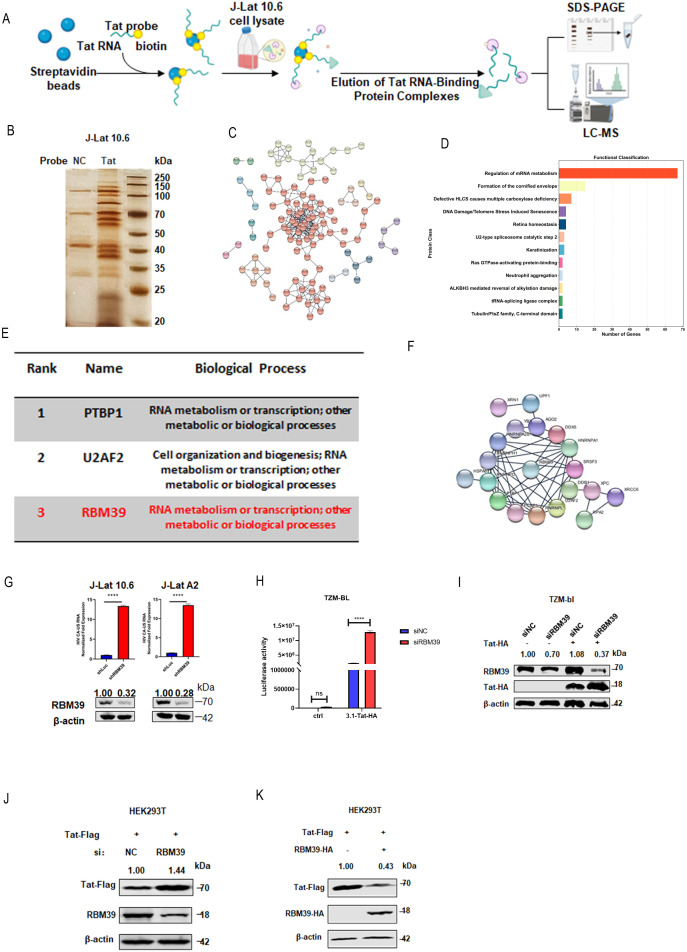 Figure 1
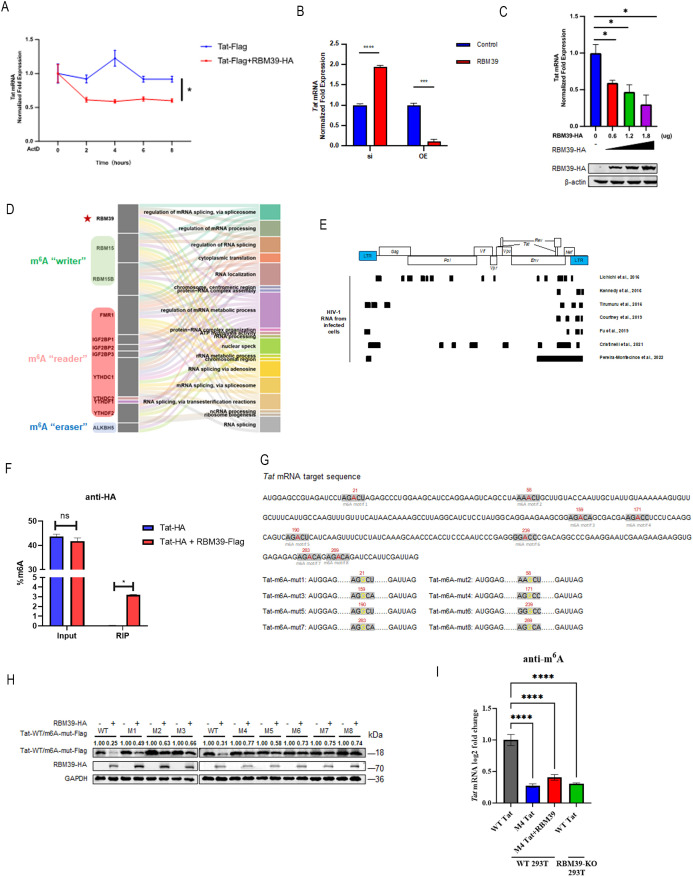 Figure 2
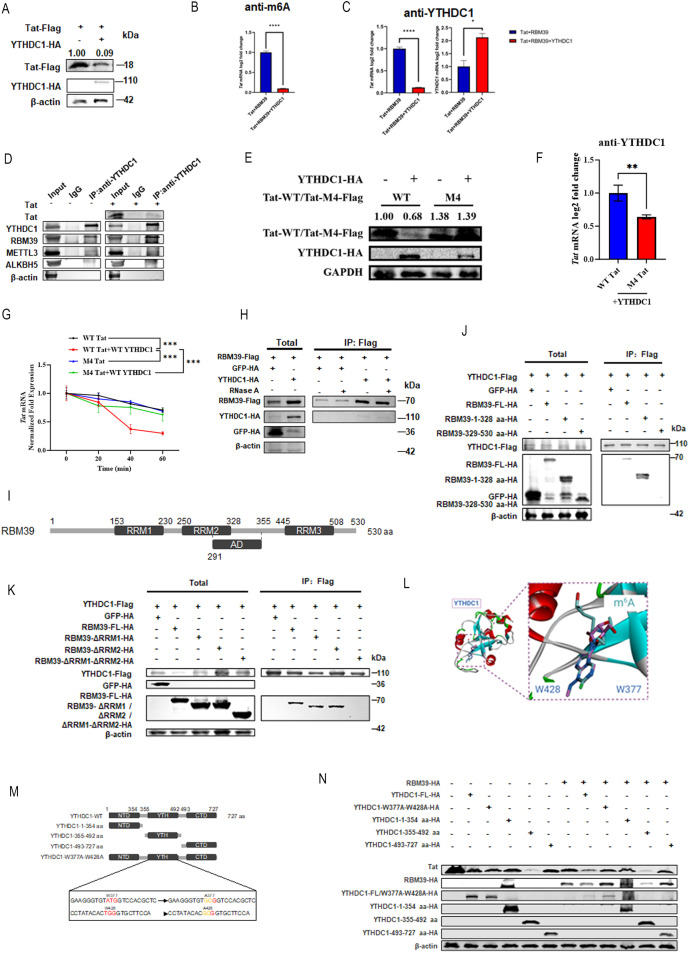 Figure 3
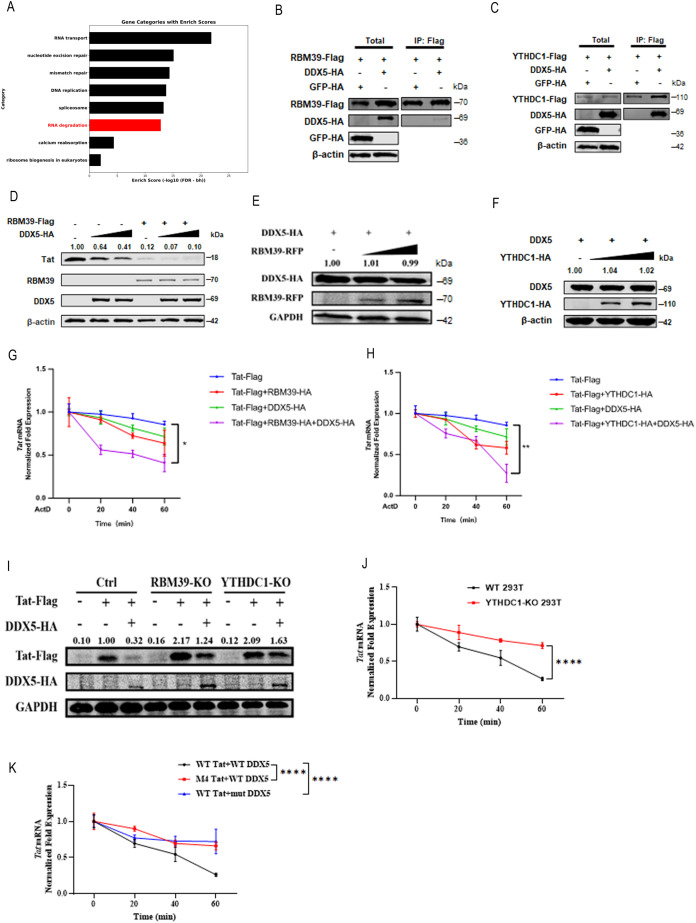 Figure 4
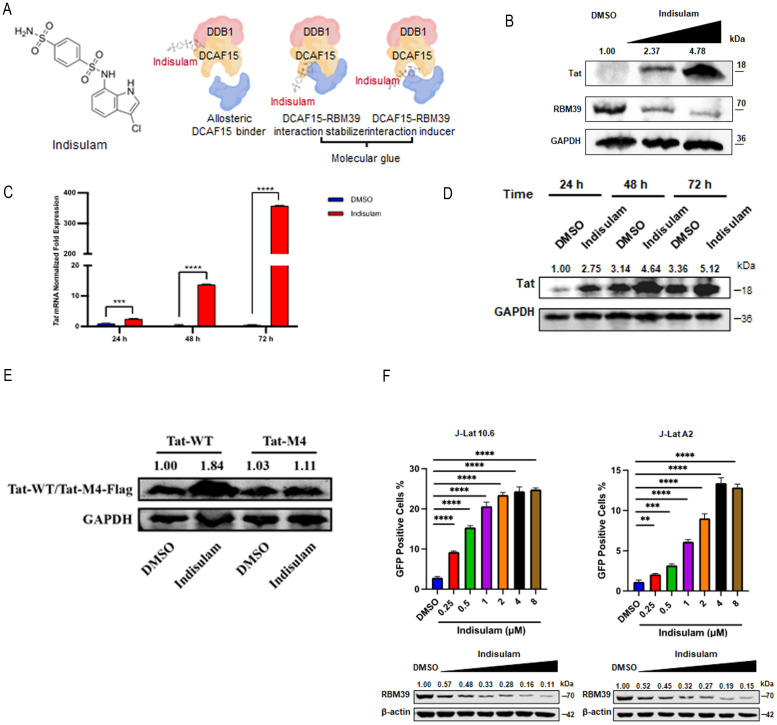 Figure 5
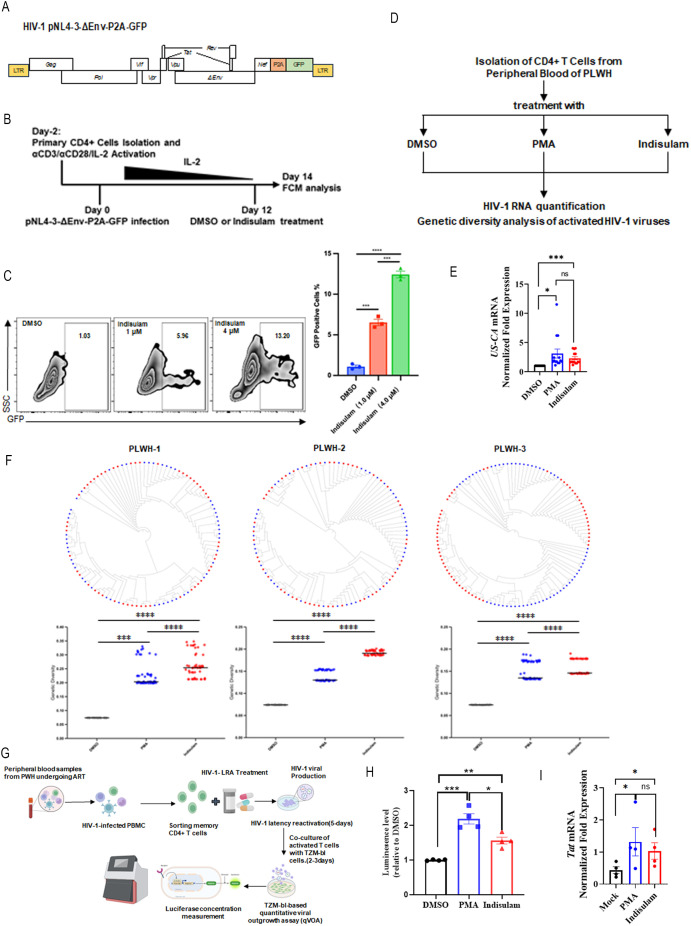 Figure 6
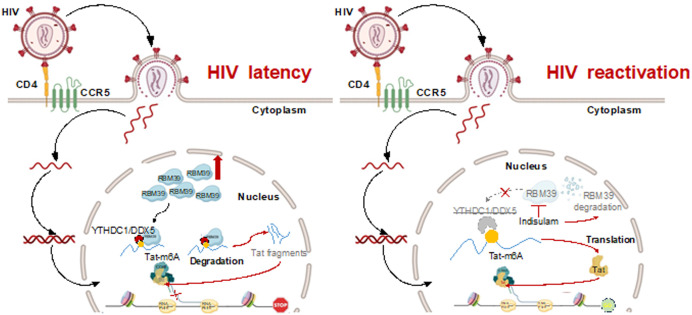 Figure 7
Peer Reviews
No public reviews on file for this paper yet. If you reviewed it on a platform where reviews are public (OpenReview, ICLR, NeurIPS, ICML), you can paste yours below so the community can read it here.
Videos
No videos yet. Explain this paper in a talk, walkthrough, or lecture? Add one.
Taxonomy
TopicsHIV Research and Treatment · RNA Research and Splicing · interferon and immune responses