Assessing changes in the availability and readiness of health facilities to provide modern family planning services in Bangladesh: Insights from Bangladesh Health Facility Surveys, 2014 and 2017
Rajon Banik, Syed Toukir Ahmed Noor, Abu Bakkar Siddique, Md. Sabbir Ahmed Mayen, Anindita Saha, Ashiquzzaman, Lubna Hossain, Abu Sayeed, Nondo Saha, Md. Akib Al- Zubayer, Md. Lutful Kader, Ema Akter, Md. Abu Bakkar Siddique, Anisuddin Ahmed, Sahar Raza

TL;DR
This study examines how well health facilities in Bangladesh provided modern family planning services between 2014 and 2017, finding improved availability but slightly reduced readiness.
Contribution
The study provides new insights into changes in health facility readiness and availability for modern family planning services in Bangladesh over a three-year period.
Findings
Facility availability for modern family planning services increased from 81% in 2014 to 89% in 2017.
Overall mean readiness scores declined slightly from 54 in 2014 to 51 in 2017.
Rural facilities and Dhaka division had lower readiness compared to urban areas and Rangpur division.
Abstract
Modern family planning plays a vital role in reducing unintended pregnancies, a major reproductive health issue worldwide. Access to modern family planning services is essential for empowering women to have greater control over their reproductive health and rights. In Bangladesh, there remains an unmet need for modern family planning services among reproductive-aged women. Assessing the capacity of health facilities to address these unmet needs for modern family planning is crucial. The objective of this study was to assess the changes in the availability and readiness of health facilities to provide modern family planning services in Bangladesh between 2014 and 2017, and identify factors associated with facility readiness. We performed a secondary analysis of cross-sectional data from Bangladesh Health Facility Surveys (BHFS) conducted in 2014 and 2017. Availability was determined…
Genes, proteins, chemicals, diseases, species, mutations and cell lines named across the full text — each resolved to its canonical identifier and authoritative record.
Click any figure to enlarge with its caption.
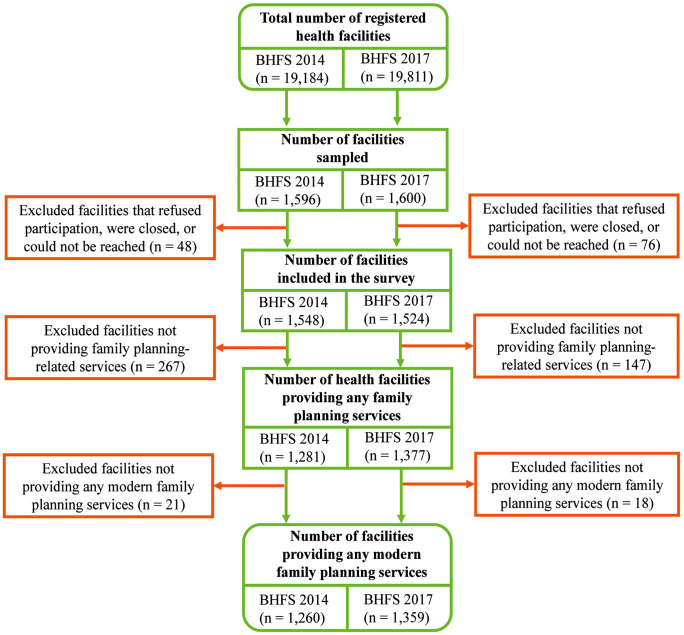 Figure 1
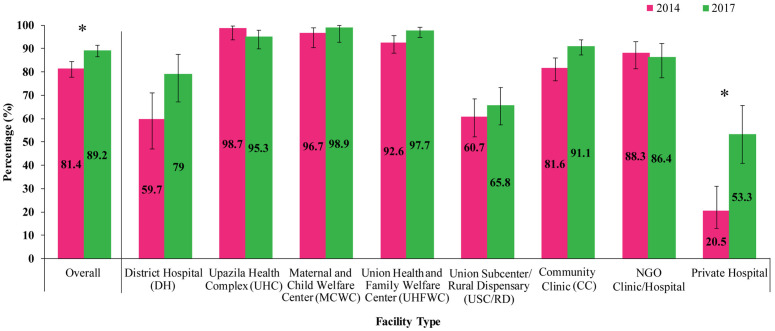 Figure 2
 Figure 3
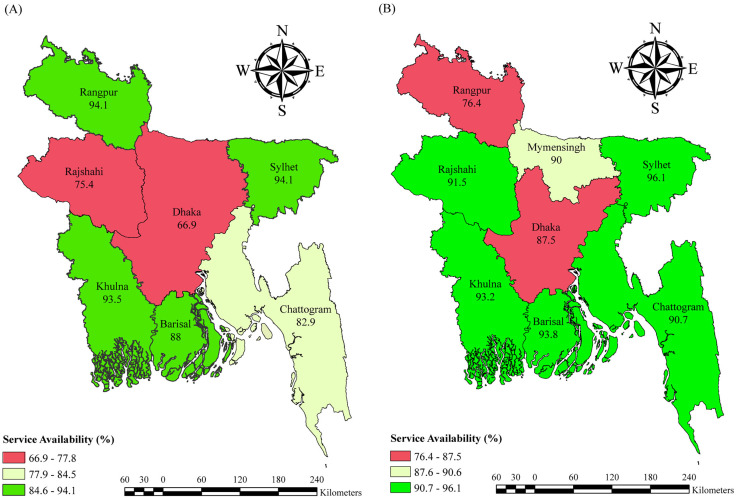 Figure 4
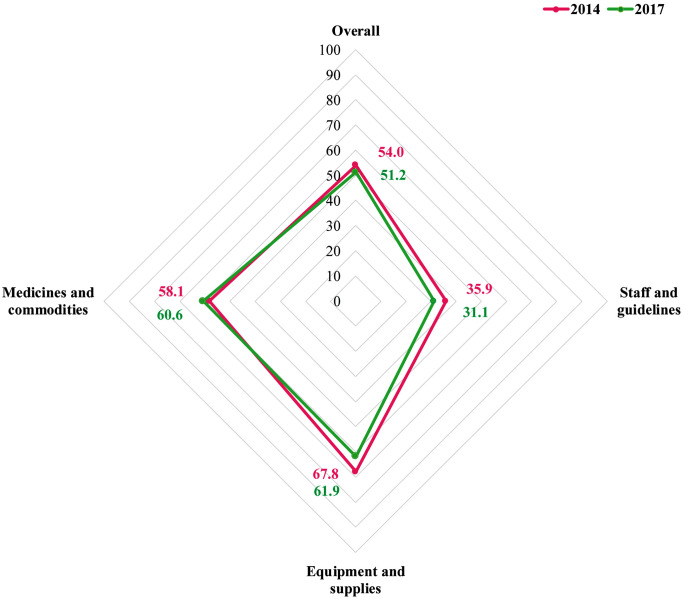 Figure 5
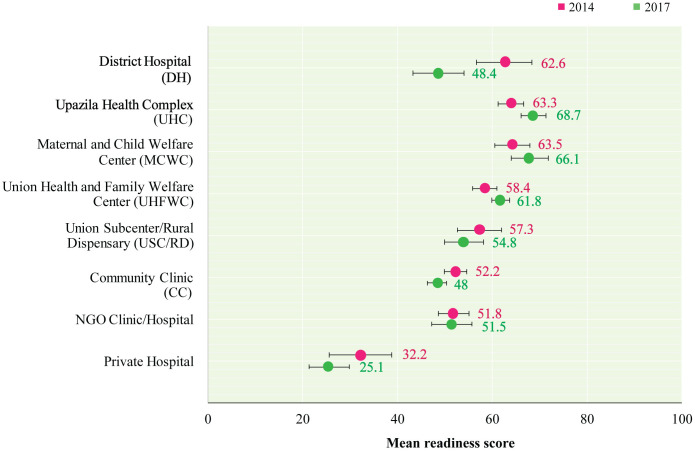 Figure 6
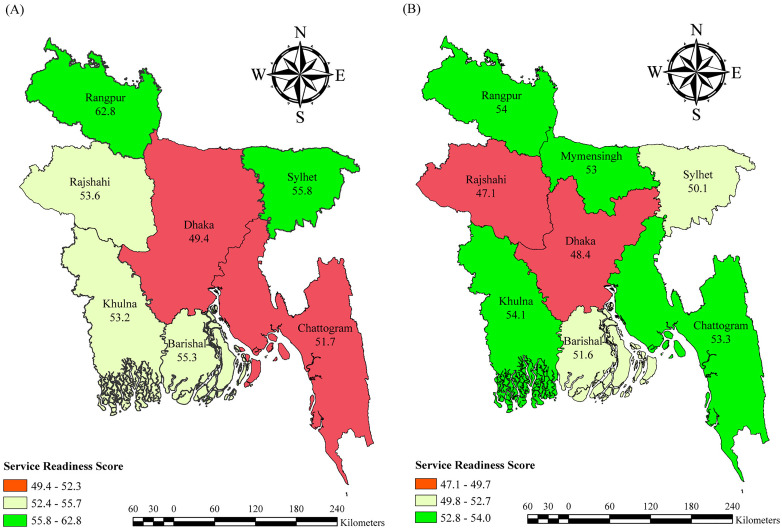 Figure 7
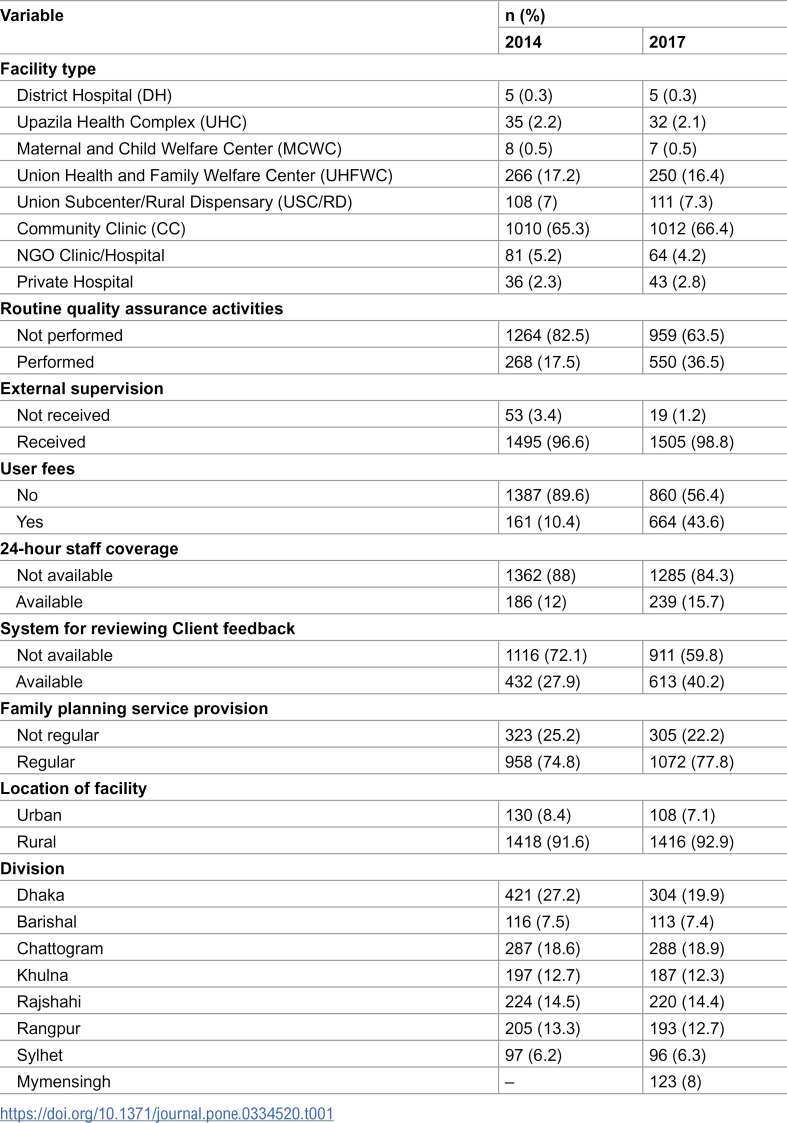 Figure 8
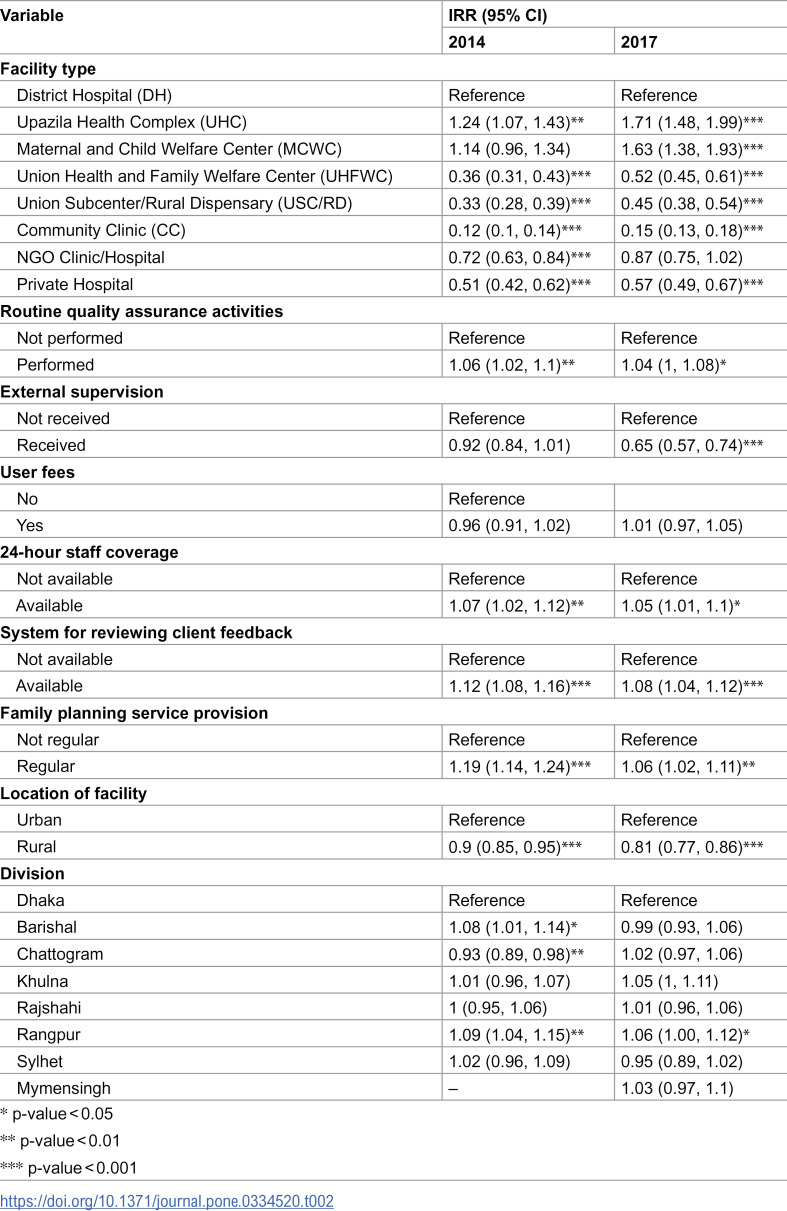 Figure 9
Peer Reviews
No public reviews on file for this paper yet. If you reviewed it on a platform where reviews are public (OpenReview, ICLR, NeurIPS, ICML), you can paste yours below so the community can read it here.
Videos
No videos yet. Explain this paper in a talk, walkthrough, or lecture? Add one.
Taxonomy
TopicsGlobal Maternal and Child Health · Global Health and Epidemiology · COVID-19 Impact on Reproduction