Metabolic remodeling and cardiac dysfunction in left ventricular noncompaction: Insights from the MYH7 Q315R model
Shinya Takarada, Yukiko Hata, Keisuke Yaku, Hironori Izumi, Kazuki Fujii, Masaaki Omura, Ichiro Takasaki, Kaori Tsuboi, Mako Okabe, Nariaki Miyao, Hideyuki Nakaoka, Keijiro Ibuki, Sayaka Ozawa, Takashi Nakagawa, Hideyuki Hasegawa, Shojiro Ichimata, Naoki Nishida, Hisashi Mori

TL;DR
This study explores how a specific genetic mutation in the MYH7 gene causes metabolic changes and heart dysfunction in a mouse model of left ventricular noncompaction.
Contribution
The study introduces a novel mouse model of LVNC with the MYH7 Q315R mutation and reveals new insights into its metabolic pathophysiology.
Findings
Mice with the MYH7 Q315R mutation show impaired heart function and excessive ventricular trabeculations.
Metabolic analysis shows suppressed glycolysis, lipid oxidation, and TCA cycle activity in these mice.
Altered metabolic pathways suggest a shift toward anaerobic glycolysis and impaired nucleic acid synthesis.
Abstract
Left ventricular noncompaction (LVNC) is a form of cardiomyopathy characterized by excessive trabeculation and a thin compacted myocardial layer. Variants in MYH7, which encodes the β-myosin heavy chain, are among the most commonly identified genetic causes of LVNC. Despite its clinical relevance, the metabolic disturbances associated with LVNC remain poorly understood, and the pathophysiological mechanisms have not been investigated in an animal model of MYH7-related LVNC. To address this gap, we generated a mouse model carrying the human MYH7 Gln315Arg (Q315R) variant, a representative mutation linked to LVNC. Mice with the MYH7 Q315R variant exhibited key features of LVNC, including impaired diastolic function, reduced contractility, and excessive trabeculations extending across the ventricular walls. Metabolomic analysis revealed significant metabolic remodeling, characterized by…
Genes, proteins, chemicals, diseases, species, mutations and cell lines named across the full text — each resolved to its canonical identifier and authoritative record.
Click any figure to enlarge with its caption.
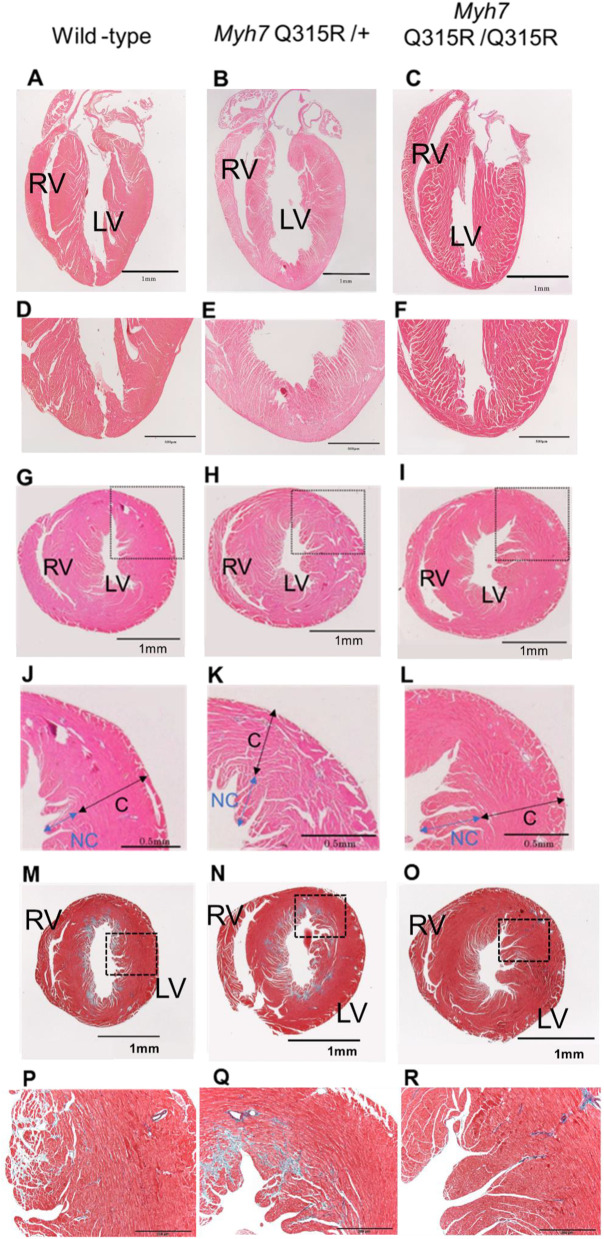 Figure 1
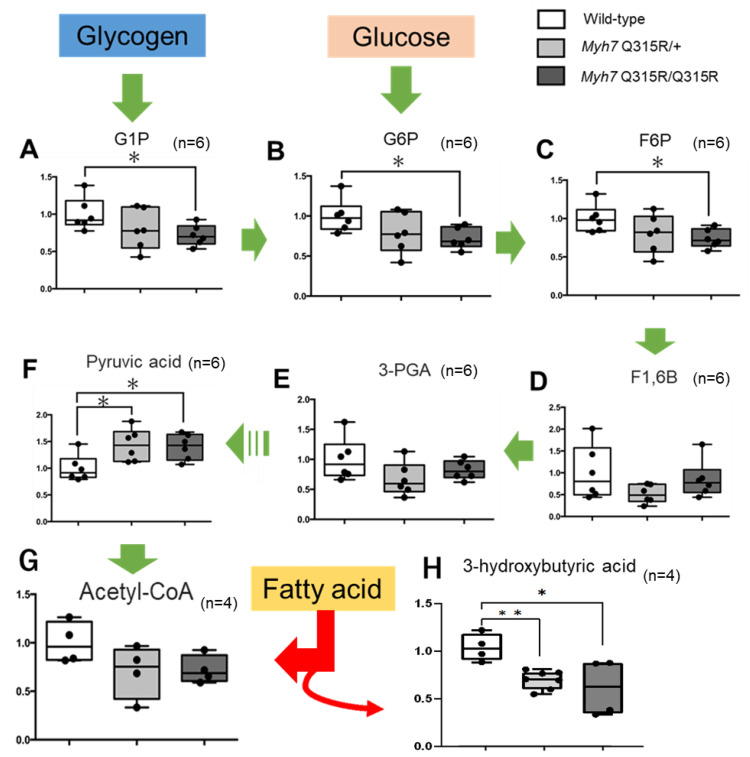 Figure 2
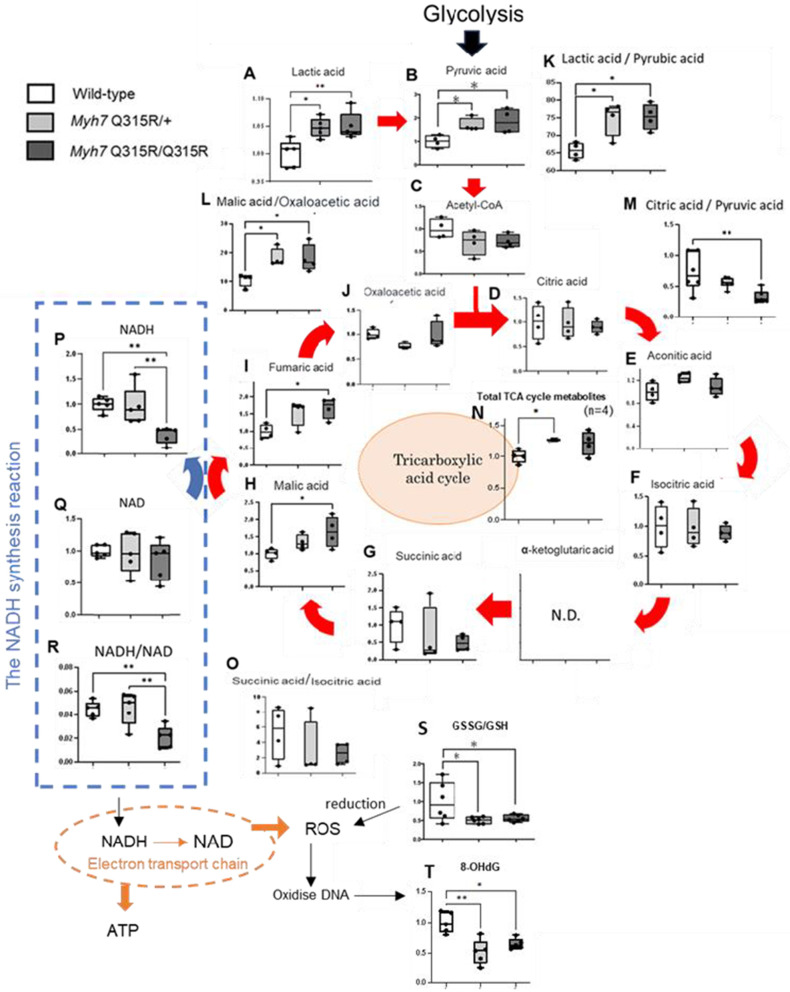 Figure 3
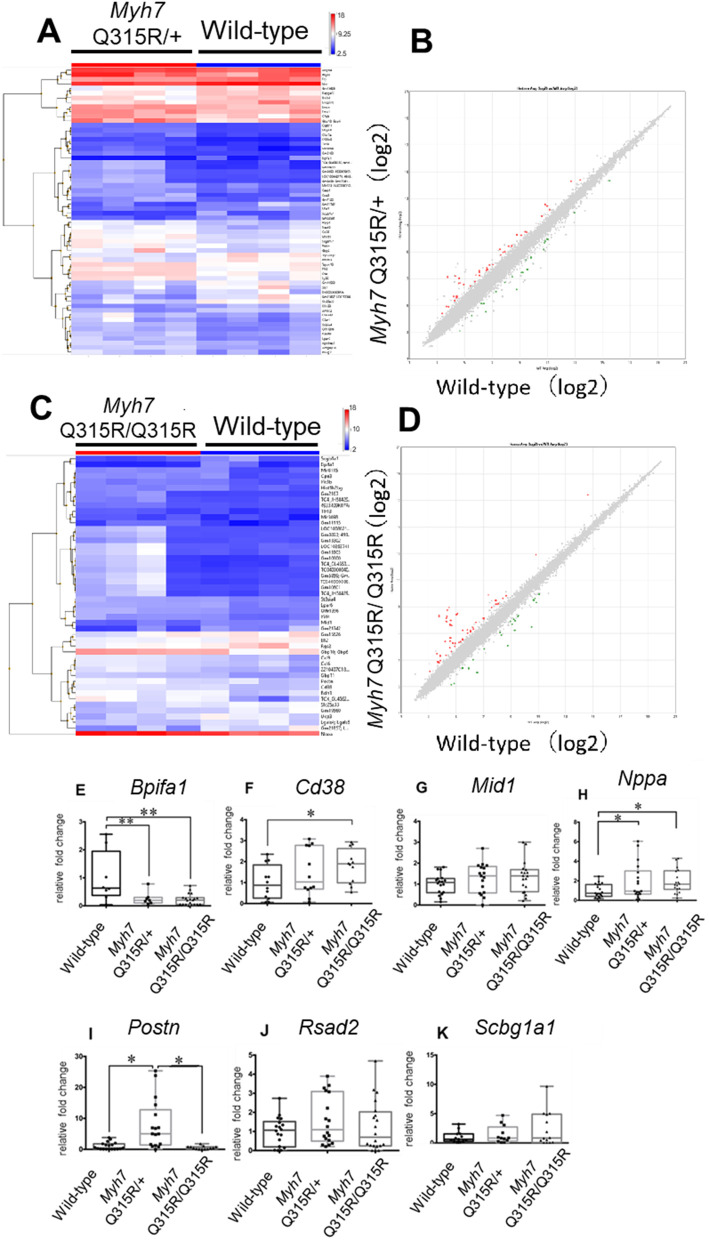 Figure 4
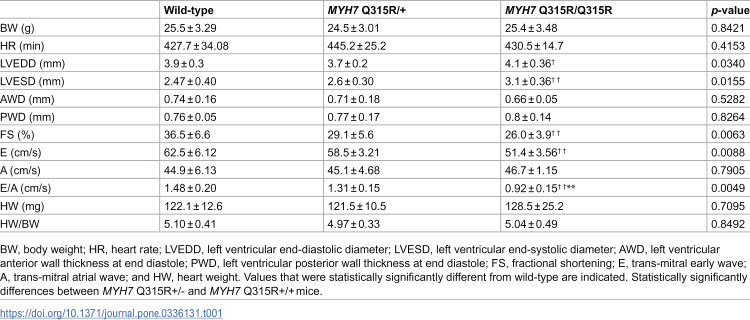 Figure 5
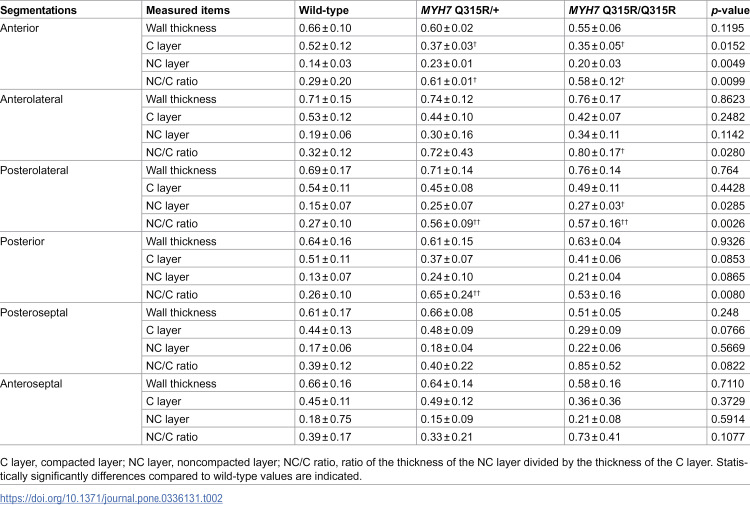 Figure 6
Peer Reviews
No public reviews on file for this paper yet. If you reviewed it on a platform where reviews are public (OpenReview, ICLR, NeurIPS, ICML), you can paste yours below so the community can read it here.
Videos
No videos yet. Explain this paper in a talk, walkthrough, or lecture? Add one.
Taxonomy
TopicsCardiomyopathy and Myosin Studies · Muscle Physiology and Disorders · Cardiovascular Function and Risk Factors