Intervallic intonation: Applying the Implication-Realization model of musical melody to speech intonation and prosody
Alfred W. Cramer, Bruno Alejandro Mesz, Bruno Alejandro Mesz, Bruno Alejandro Mesz, Bruno Alejandro Mesz

TL;DR
This study applies a music-based model to analyze speech intonation, showing how pitch intervals help shape the perception of speech prosody.
Contribution
The study adapts the Implication-Realization model from music to speech and introduces Praat scripts for its analysis.
Findings
IR-generated parsings align with autosegmental-metrical framework results for speech intonation.
Pitch intervals are central to perceiving speech intonation through hierarchical structures.
Intonational features arise from interactions of pitch, duration, and other cues.
Abstract
This methodological study presents the Implication-Realization (IR) model as a framework for the analysis of linguistic prosody and examines its application to English-language examples of speech. Originally developed by Eugene Narmour for music analysis, IR’s cognitively-based approach views melodies as hierarchical structures formed through processes of implication and closure. It parses melodies by comparing successive pitch intervals while also considering duration and potentially other parameters. With computational assistance from a newly developed set of Praat scripts (IRProsodyParser), the study applies an adapted version of IR’s symbology to several Modern American English examples. In this adaptation, comparisons of successive pitch intervals form the basis for a categorical classification of interval sizes. IR-generated parsings show broad correspondence with those produced…
Genes, proteins, chemicals, diseases, species, mutations and cell lines named across the full text — each resolved to its canonical identifier and authoritative record.
Click any figure to enlarge with its caption.
 Figure 1
 Figure 2
 Figure 3
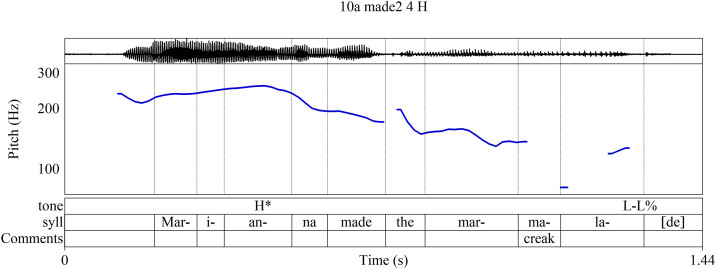 Figure 4
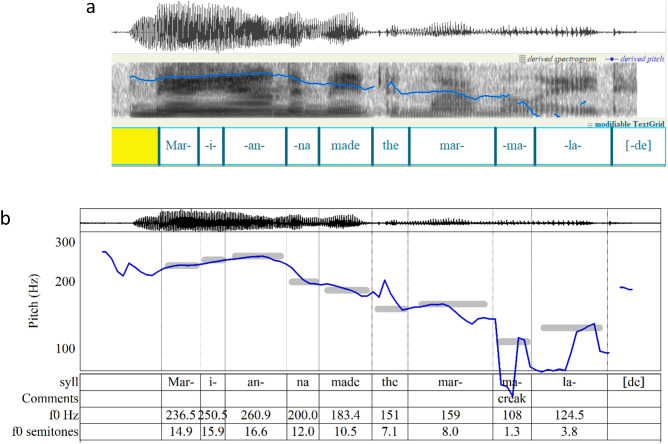 Figure 5
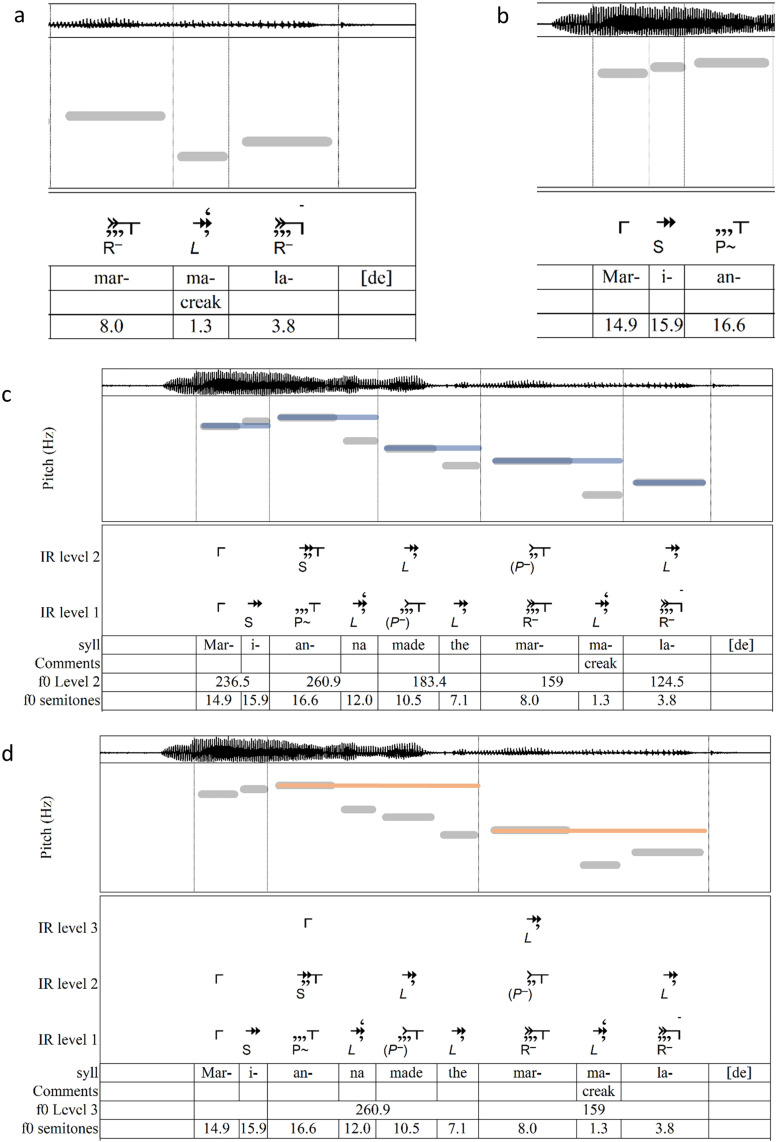 Figure 6
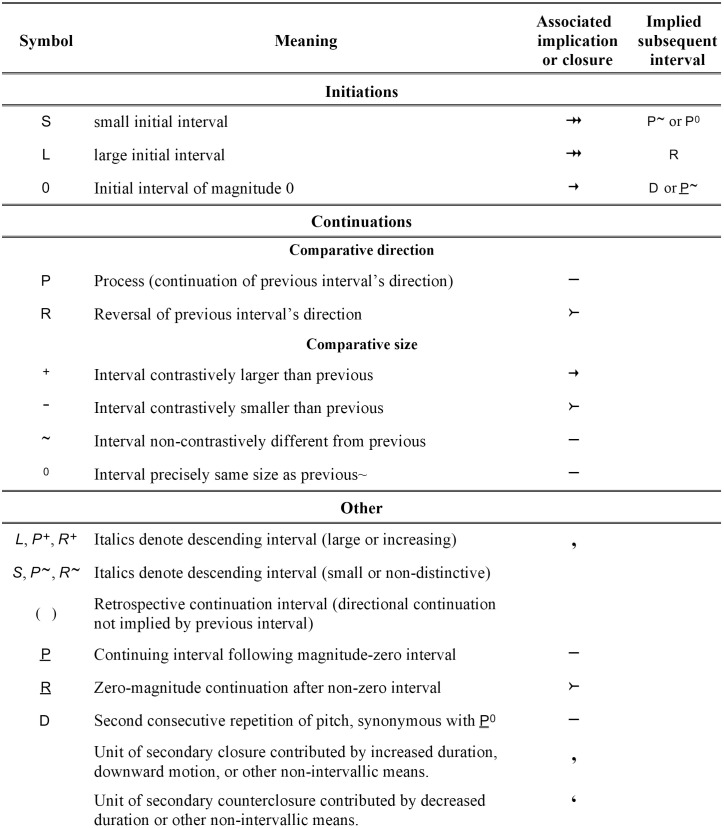 Figure 7
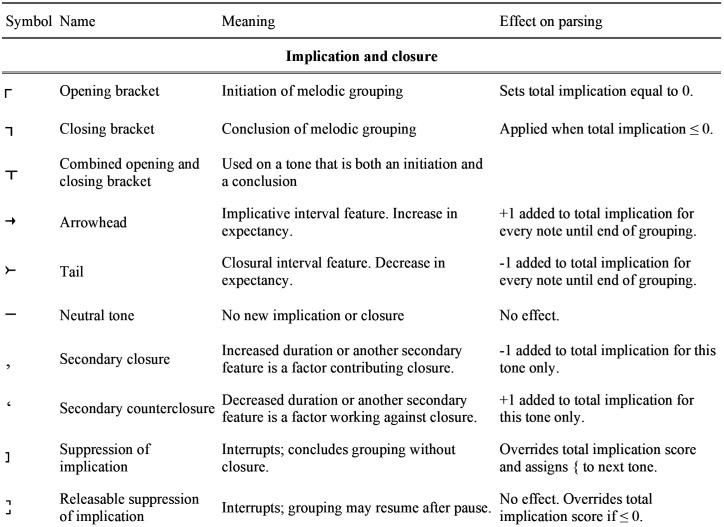 Figure 8
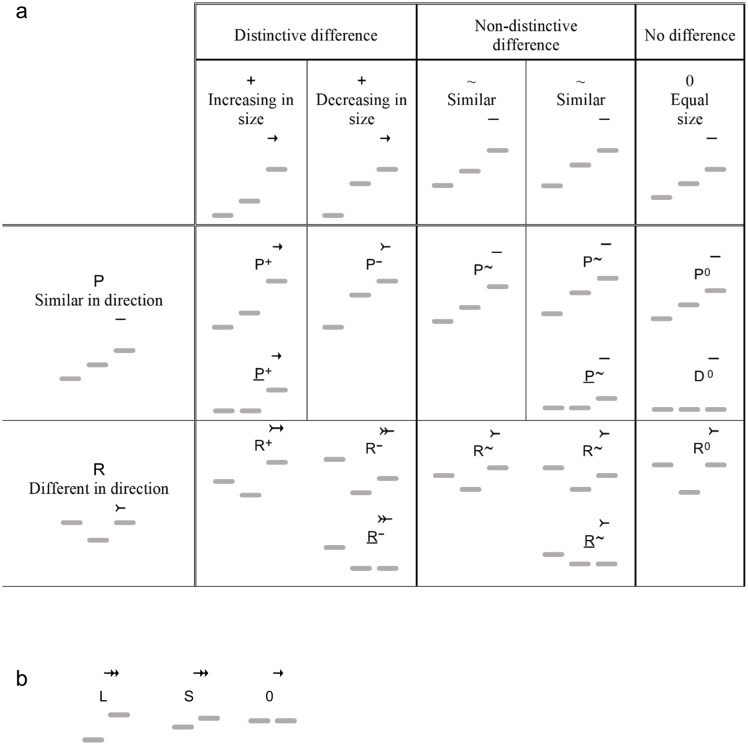 Figure 9
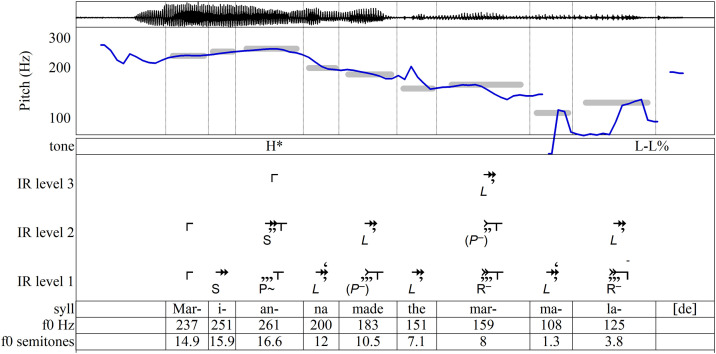 Figure 10
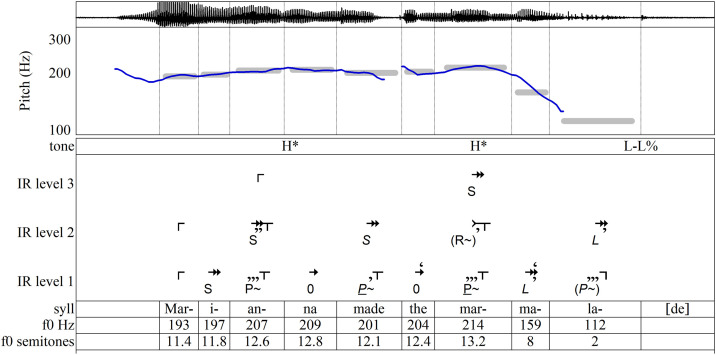 Figure 11
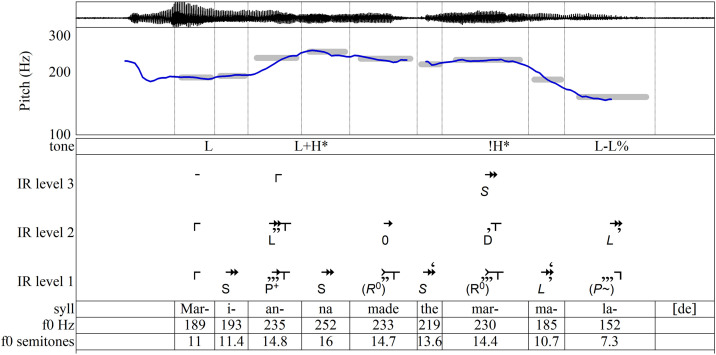 Figure 12
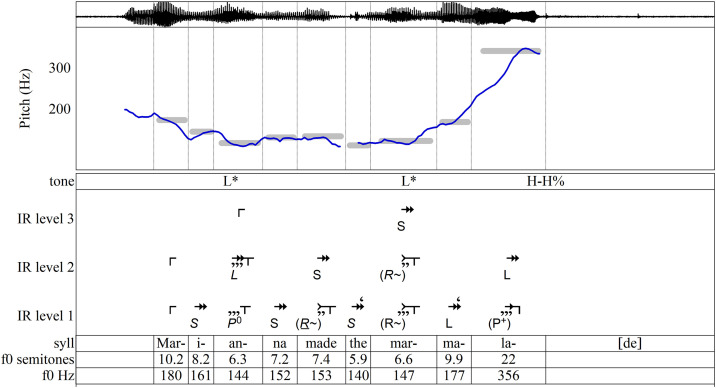 Figure 13
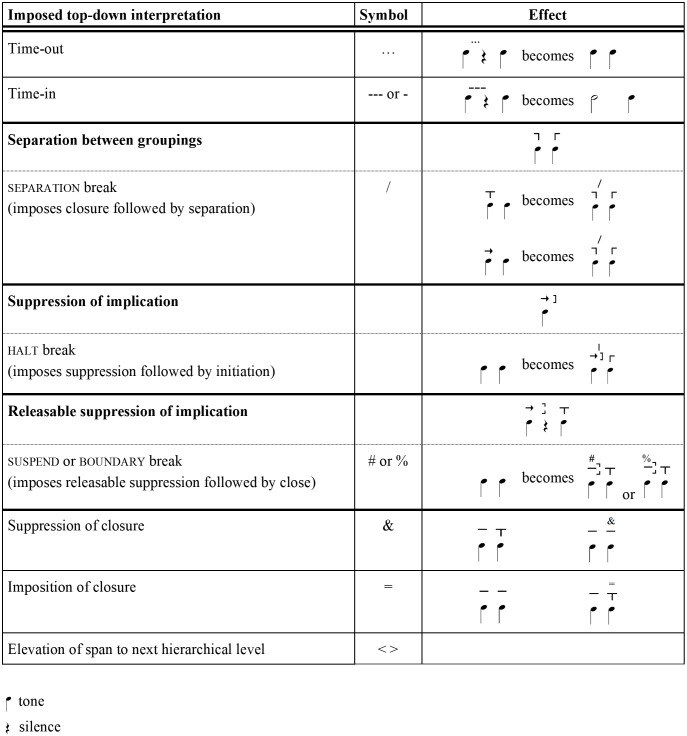 Figure 14
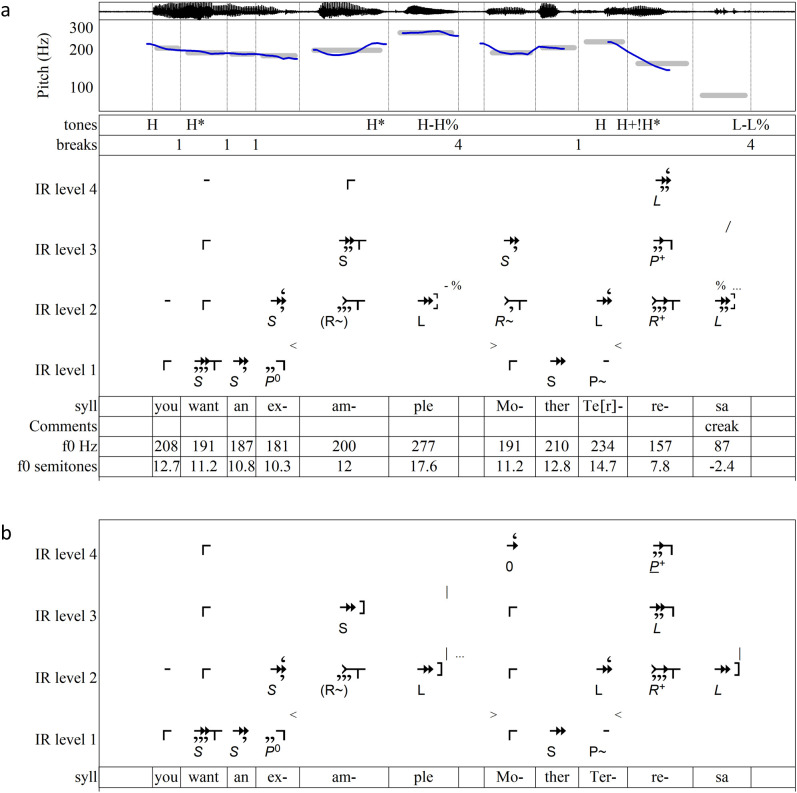 Figure 15
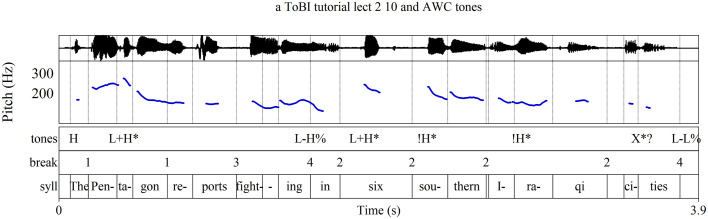 Figure 16
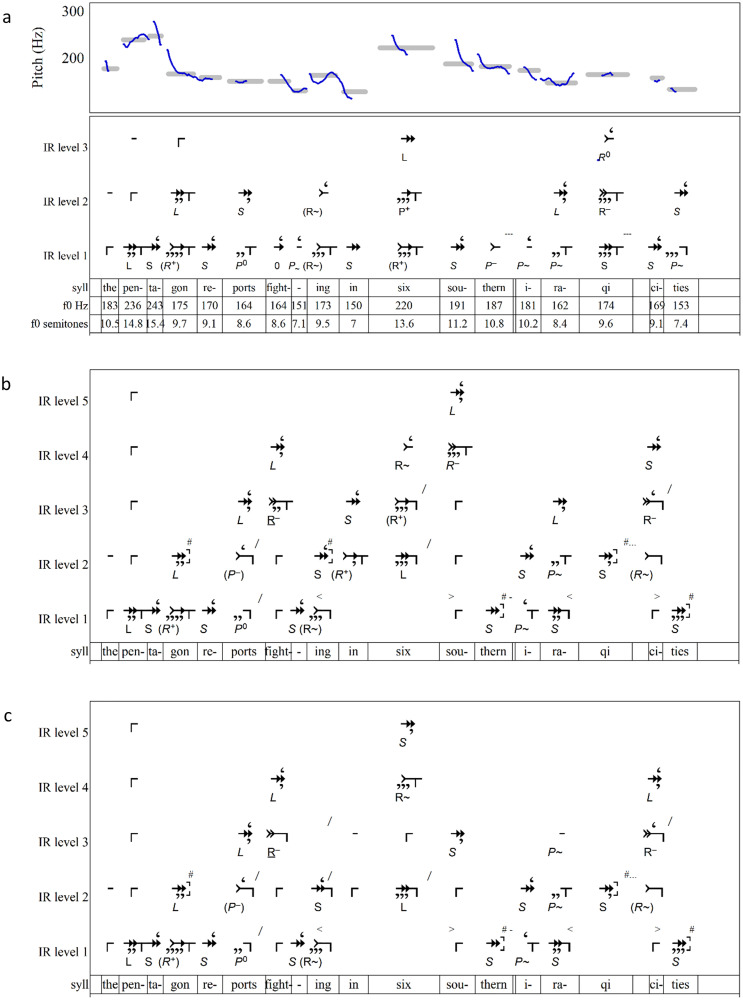 Figure 17
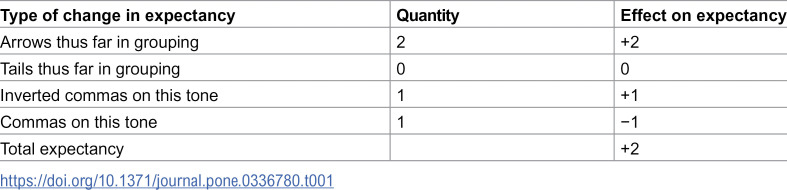 Figure 18
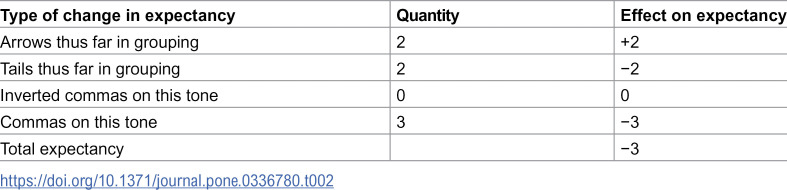 Figure 19
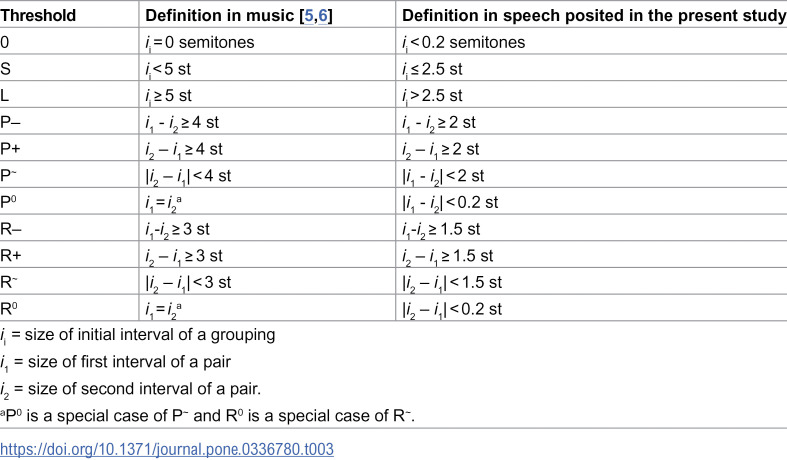 Figure 20
Peer Reviews
No public reviews on file for this paper yet. If you reviewed it on a platform where reviews are public (OpenReview, ICLR, NeurIPS, ICML), you can paste yours below so the community can read it here.
Videos
No videos yet. Explain this paper in a talk, walkthrough, or lecture? Add one.
Taxonomy
TopicsPhonetics and Phonology Research · Neuroscience and Music Perception · Linguistic Variation and Morphology