Combined benznidazole and pentoxifylline therapy improves behavioral and cognitive changes in association with the regulation of systemic inflammatory profile in chronic experimental Chagas disease
Glaucia Vilar-Pereira, Leda Margarita Castaño-Barrios, Isabela Resende Pereira, Ana Paula da Silva Pinheiro, Thayse do Espírito Santo Protásio da Silva, Lina L. Hernandez-Velasco, Priscila Silva Grijó Farani, Aditi Kulkarni, Sourav Roy, Hílton Antônio Mata dos Santos

TL;DR
Combining benznidazole and pentoxifylline improves behavior and cognition in mice with chronic Chagas disease by reducing brain inflammation and parasite load.
Contribution
The novel finding is that combining benznidazole with pentoxifylline more effectively improves cognitive and behavioral outcomes than either drug alone in a mouse model of Chagas disease.
Findings
Combined Bz and PTX therapy reduced brain parasite burden and oxidative stress more effectively than monotherapies.
Bz + PTX therapy normalized GABA/glutamate levels in the cerebral cortex and reduced systemic NO and TNF levels.
PCA analysis showed Bz + PTX-treated infected mice were closer to noninfected controls in systemic miRNA profiles.
Abstract
Chronically Trypanosoma cruzi-infected mice show signs of behavioral and cognitive changes, resembling aspects of Chagas disease patients. Inflammatory mediators, such as cytokines and nitric oxide (NO) have been linked to mental disorders. Preclinical studies showed the partial effects of the trypanossomicidal drug benznidazole (Bz) on mnemonic alterations. Here, we investigated the participation of the parasite and systemic inflammatory profile in behavioral and cognitive changes, using Bz combined with the immunoregulator pentoxifylline (PTX). Chronically T. cruzi-infected C57BL/6 mice were treated with Bz (25 mg/Kg/day) and PTX (20 mg/Kg/day) as mono or combined therapies, submitted to behavioral tests, and canonical biological stressors were analyzed. Bz therapy had no effects on anxiety, but partially ameliorated innate compulsive behavior, depression, and memory loss, while PTX…
Genes, proteins, chemicals, diseases, species, mutations and cell lines named across the full text — each resolved to its canonical identifier and authoritative record.
Click any figure to enlarge with its caption.
 Figure 1
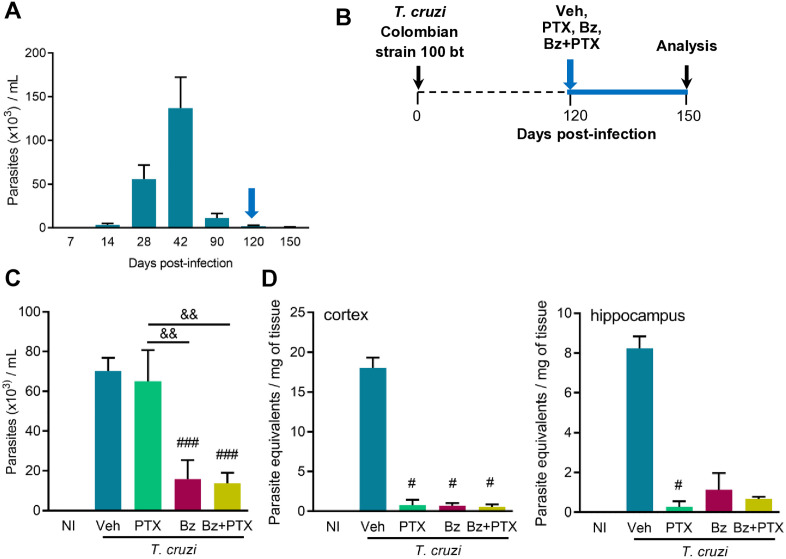 Figure 2
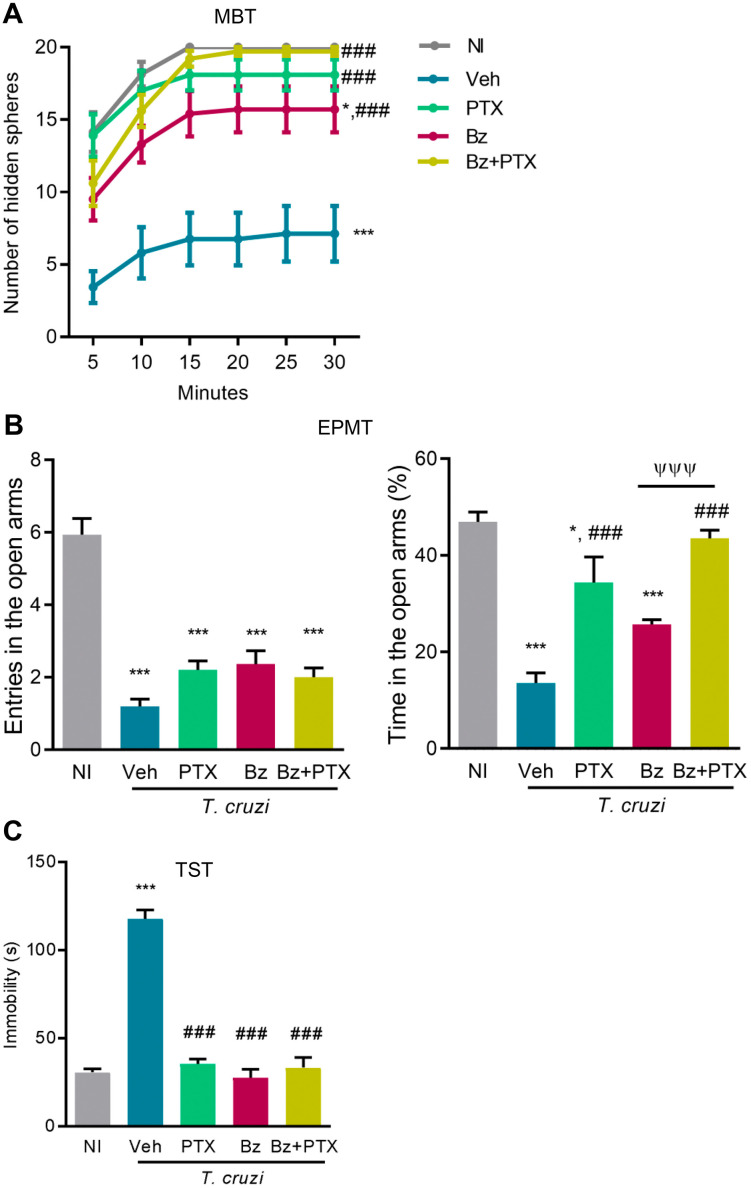 Figure 3
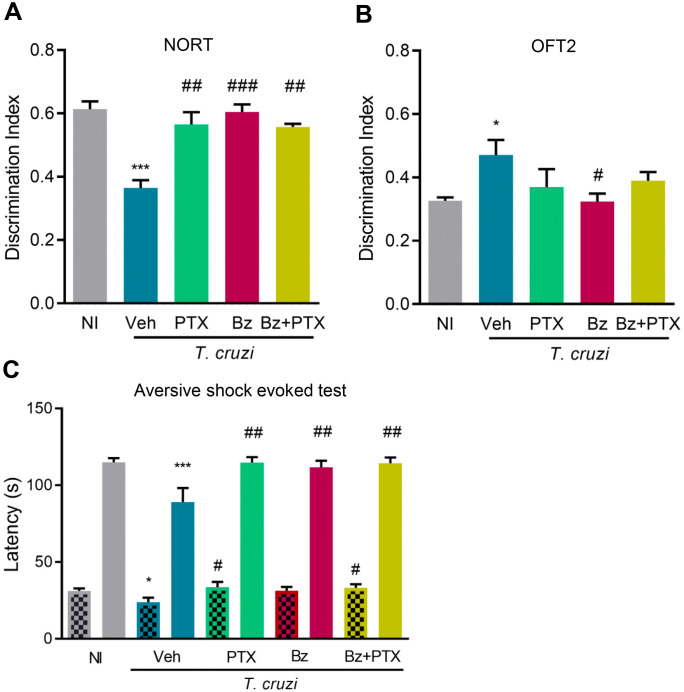 Figure 4
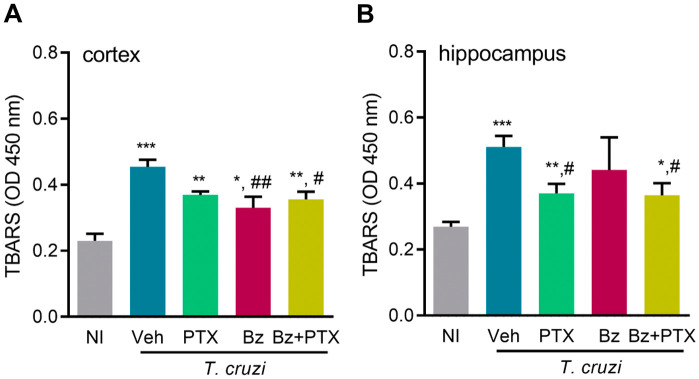 Figure 5
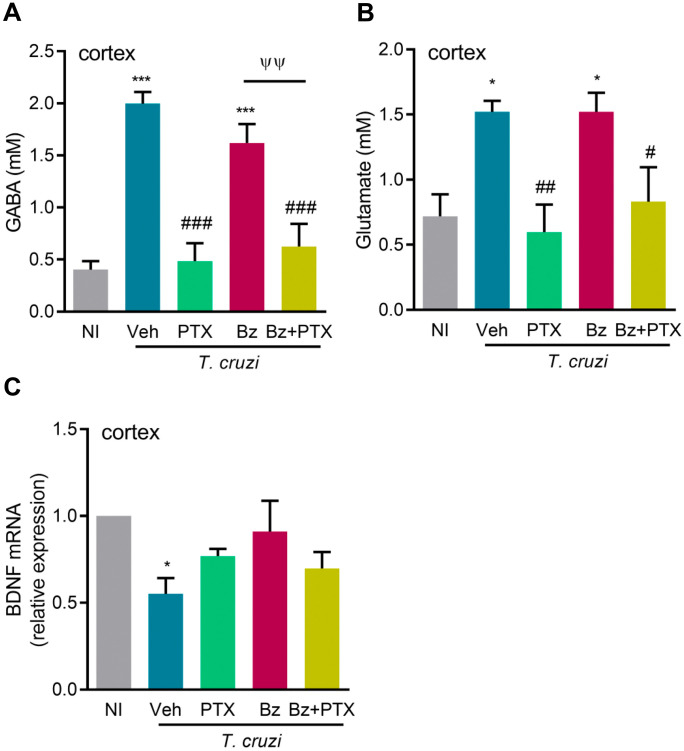 Figure 6
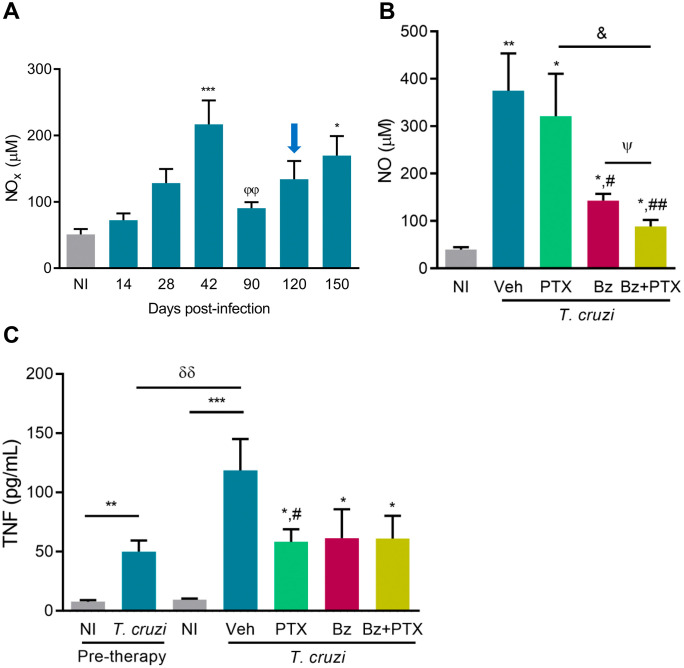 Figure 7
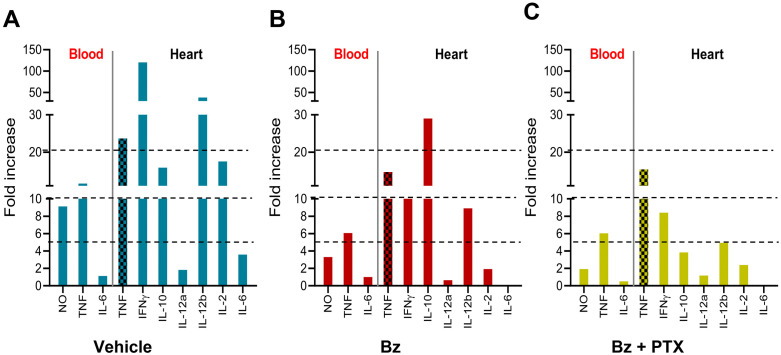 Figure 8
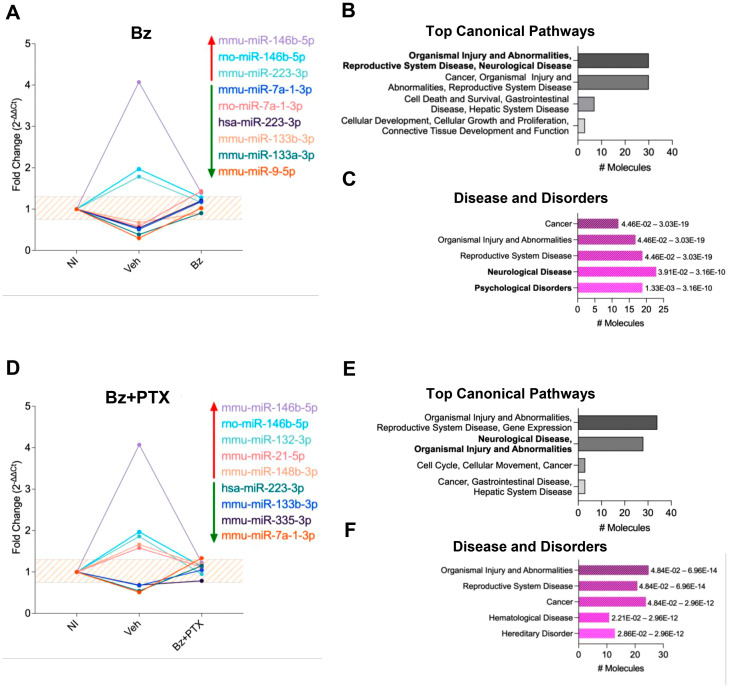 Figure 9
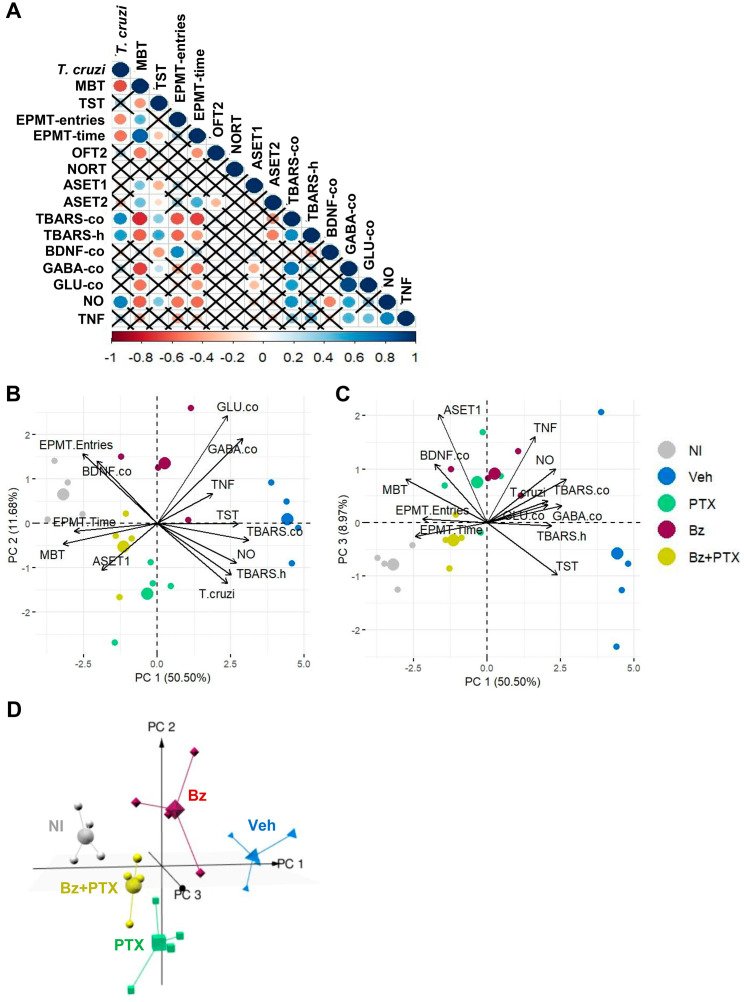 Figure 10
Peer Reviews
No public reviews on file for this paper yet. If you reviewed it on a platform where reviews are public (OpenReview, ICLR, NeurIPS, ICML), you can paste yours below so the community can read it here.
Videos
No videos yet. Explain this paper in a talk, walkthrough, or lecture? Add one.
Taxonomy
TopicsTrypanosoma species research and implications · Bipolar Disorder and Treatment · Parasites and Host Interactions