First molecular detection of Francisella tularensis and investigation of Coxiella burnetii in horse sera in Iran
Mehdi Narouei, Heidar Rahimi, Khatereh Kafshdouzan

TL;DR
This study is the first to detect Francisella tularensis in horse sera in Iran, finding a low but significant prevalence with age and sex differences.
Contribution
The first molecular detection of Francisella tularensis in horses in Iran, highlighting their potential as a weak reservoir.
Findings
3.4% of horse sera samples were positive for Francisella tularensis genome.
Younger horses (<5 years) had the highest F. tularensis prevalence (3.93%).
Stallions showed higher F. tularensis infection rates (5.84%) compared to mares (1.88%).
Abstract
Infections caused by Francisella tularensis and Coxiella burnetii, as zoonotic diseases, pose a serious threat to the health of humans and animals. To date, there is limited information regarding these diseases in horses. This study aimed to evaluate the prevalence of F. tularensis and C. burnetii in the serum of racehorses in Iran (Golestan province). 350 blood samples were collected from racehorses in four regions of Golestan province, and demographic data (sex, age, and sampling location) were recorded. The collected serum samples were examined by PCR to identify the genomes of F. tularensis and C. burnetii. The results showed that 3.4 % (P < 0.05, 95 % CI: 1.97 % – 5.9 %) of the serum samples were positive for F. tularensis genome, while no positive cases for C. burnetii genome were detected. Additionally, a significant relationship was observed between horse age and F. tularensis…
Genes, proteins, chemicals, diseases, species, mutations and cell lines named across the full text — each resolved to its canonical identifier and authoritative record.
Click any figure to enlarge with its caption.
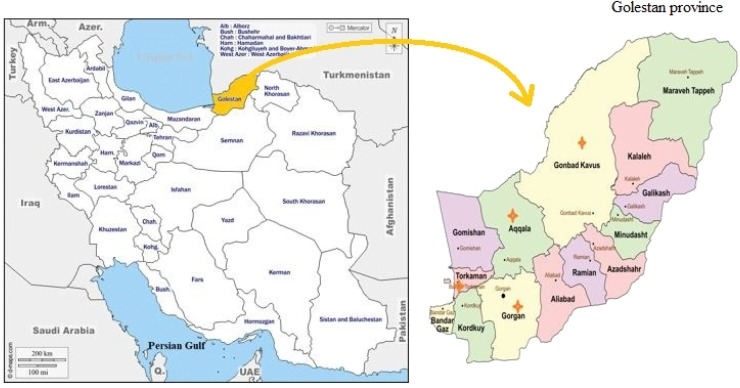 Figure 1
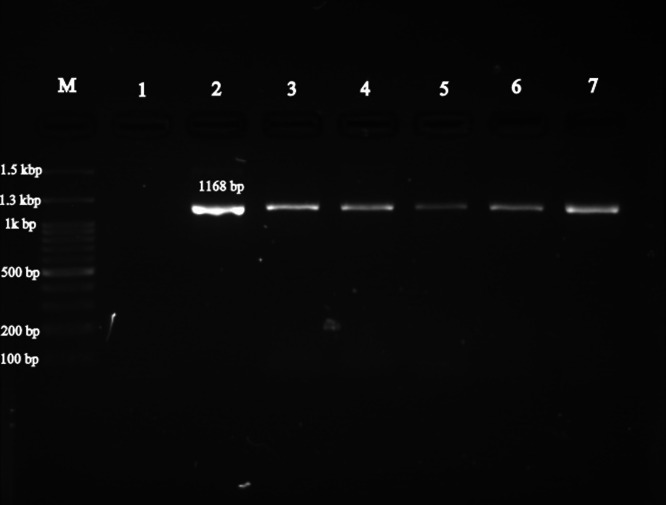 Figure 2
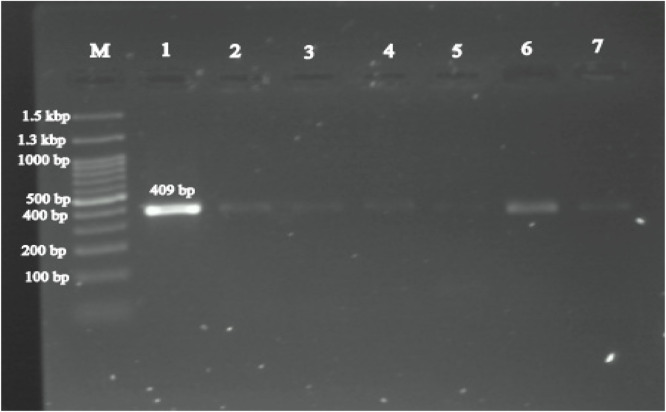 Figure 3
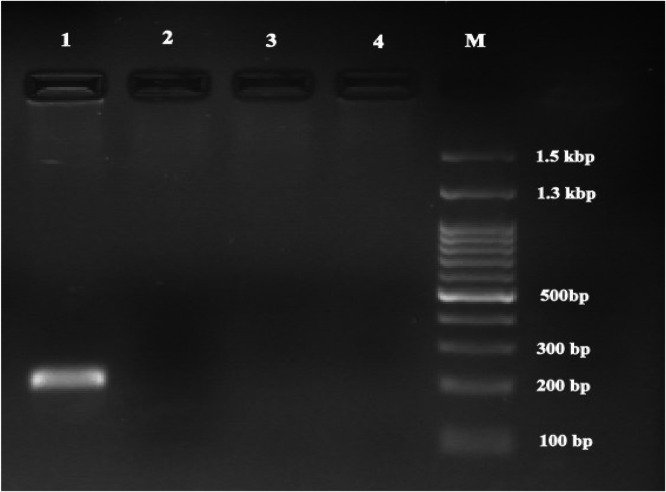 Figure 4
Peer Reviews
No public reviews on file for this paper yet. If you reviewed it on a platform where reviews are public (OpenReview, ICLR, NeurIPS, ICML), you can paste yours below so the community can read it here.
Videos
No videos yet. Explain this paper in a talk, walkthrough, or lecture? Add one.
Taxonomy
TopicsBacillus and Francisella bacterial research · Yersinia bacterium, plague, ectoparasites research · Vector-borne infectious diseases