First dorsal metacarpal artery (FDMA) flaps: A novel classification system incorporating various modifications and subtypes—a 5 year retrospective comparative study
Mir Yasir, Hillal Ahmad Bhat, Eidan Bilal, Mir Mohsin, Peerzada Umar Farooq, Haroon Rashid Zargar, Altaf Rasool, Jaswinder Kaur, Mohsin Saleem Khan, Sheikh Adil Bashir, Adil Hafeez Wani

TL;DR
This paper introduces a new classification system for FDMA flaps to improve thumb reconstruction outcomes based on a 5-year study of 29 patients.
Contribution
A novel, clinically applicable classification system for FDMA flap modifications is proposed to guide flap selection and improve outcomes.
Findings
Flap survival was highest in peninsular and split-skin flaps.
Type IIIt flaps had the highest complication rate (OR 5.0, p = 0.03).
79.3% of patients reported high satisfaction at 6 months.
Abstract
The first dorsal metacarpal artery (FDMA) flap, including its extended versions, is a reliable and versatile option for reconstructing thumb defects. However, a structured and practical classification system for its various modifications has been lacking. This study aimed to assess the versatility of the FDMA flap and its modifications in managing a range of thumb defects and to propose a novel, clinically applicable classification system to facilitate flap selection and improve outcomes. A retrospective observational study was conducted over five years at a tertiary care referral hospital with a specialized hand unit. A total of 29 patients with thumb defects underwent FDMA flap reconstruction. Flaps were classified into five types:•Type I Islanded flap, up to PIP joint; subtypes It (tunneled) Is (split skin)•Type II Peninsular flap, up to PIP joint•Type III Extended islanded flap…
Genes, proteins, chemicals, diseases, species, mutations and cell lines named across the full text — each resolved to its canonical identifier and authoritative record.
Click any figure to enlarge with its caption.
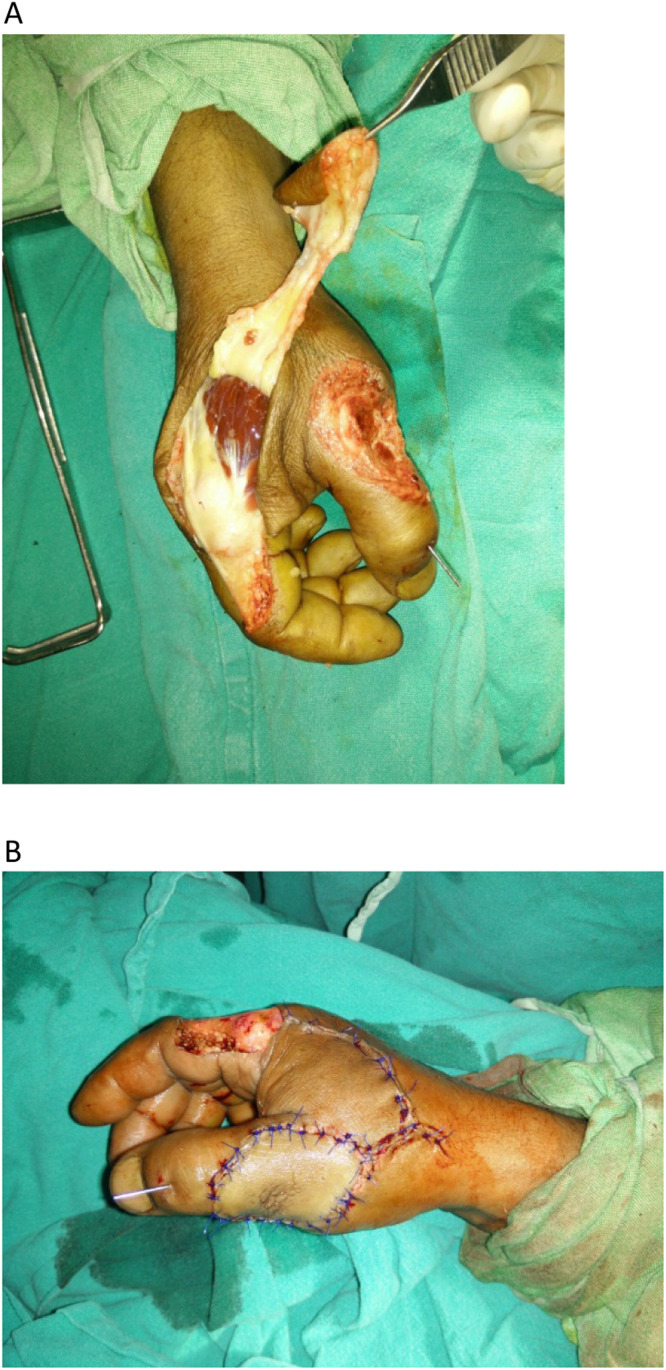 Figure 1
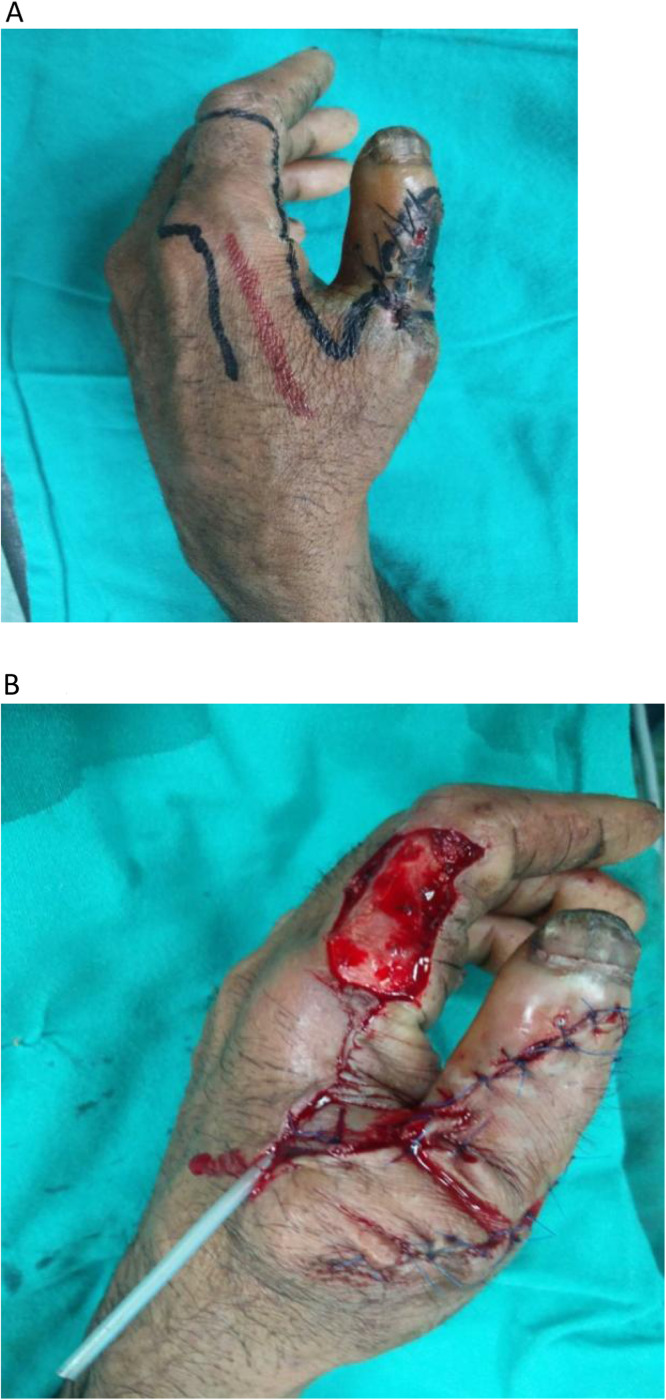 Figure 2
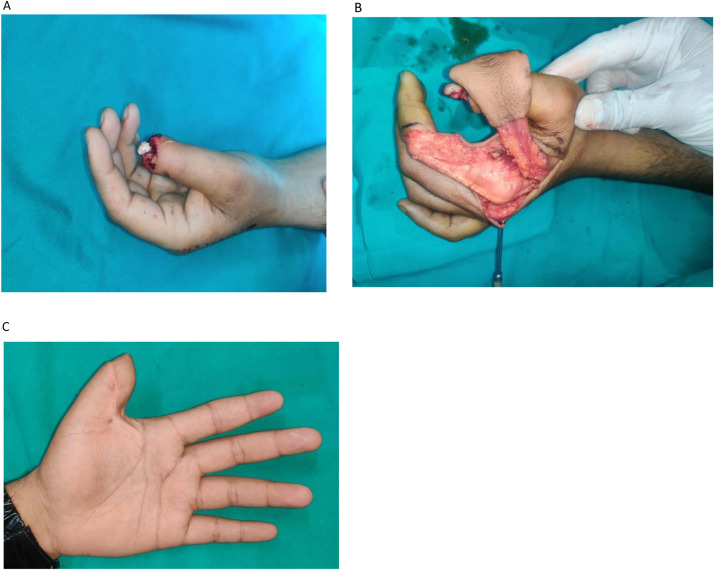 Figure 3
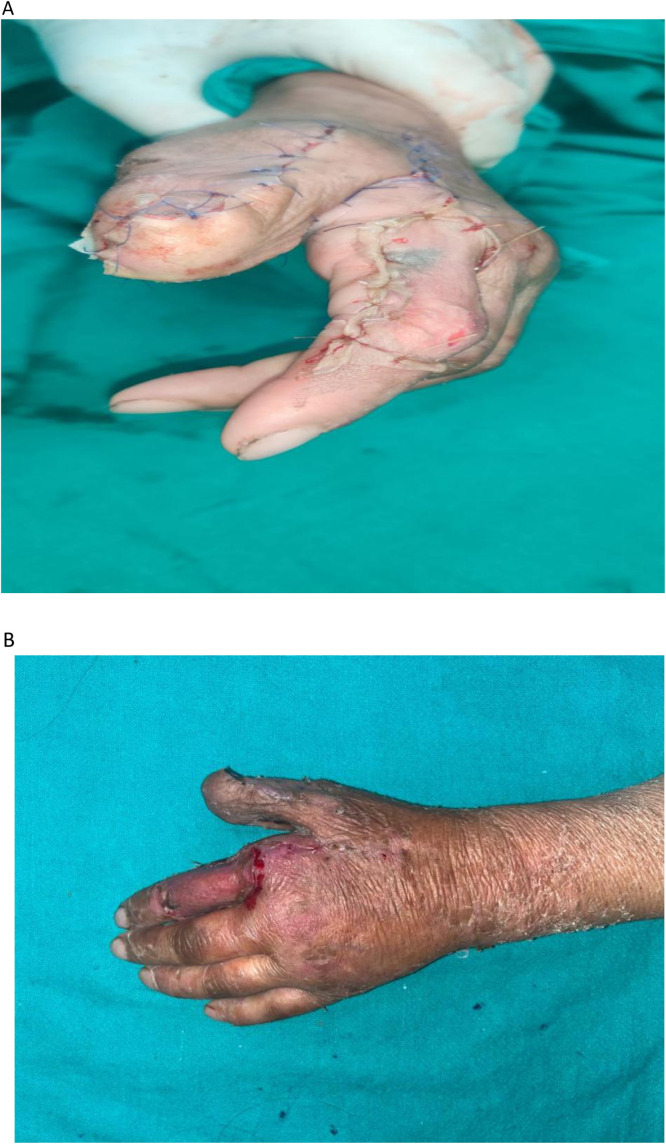 Figure 4
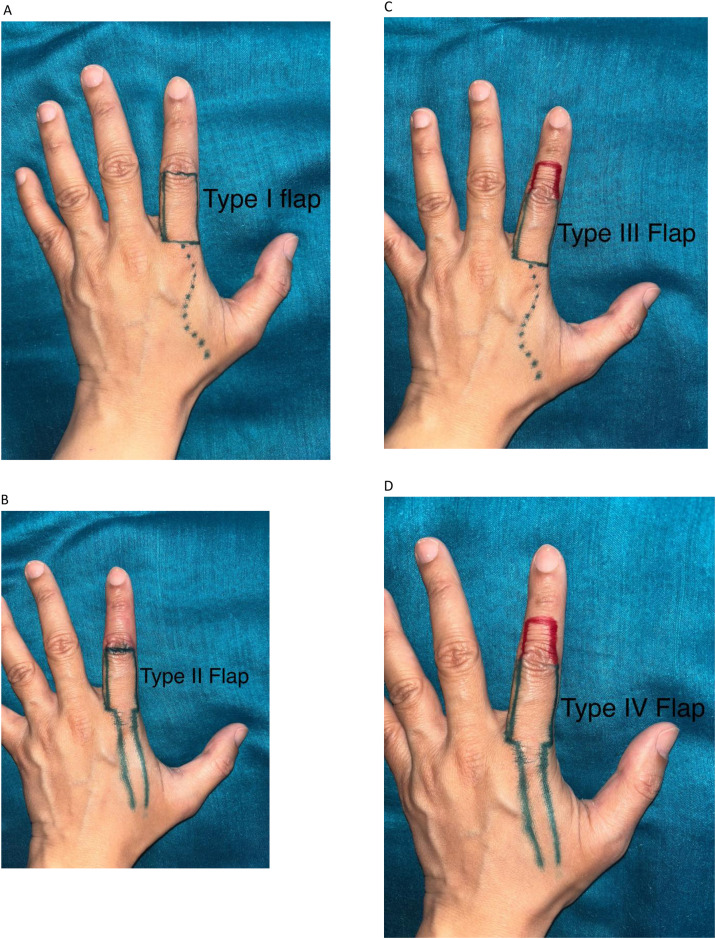 Figure 5
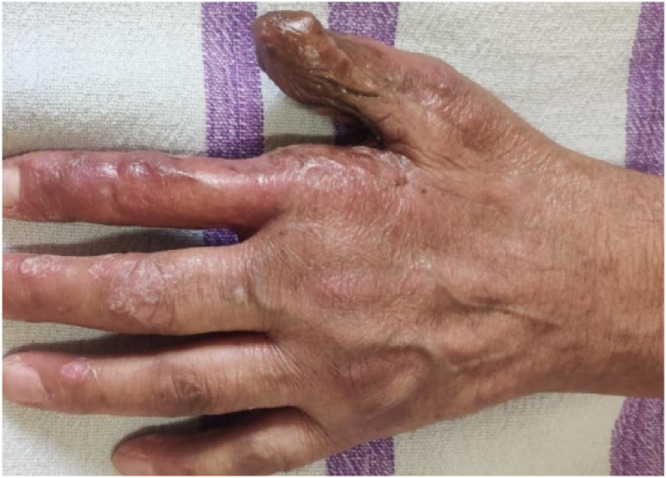 Figure 6
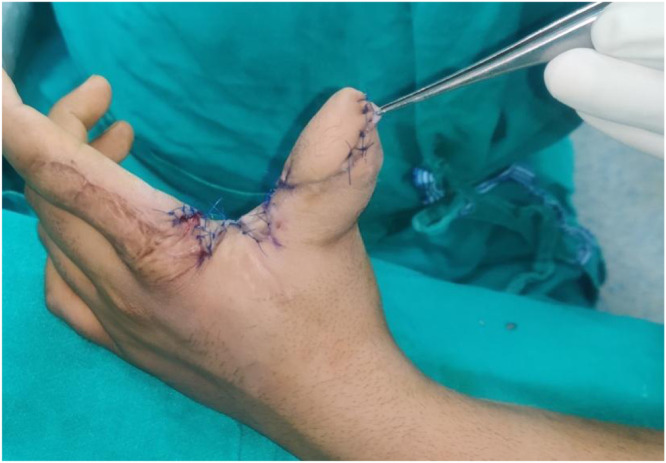 Figure 7
Peer Reviews
No public reviews on file for this paper yet. If you reviewed it on a platform where reviews are public (OpenReview, ICLR, NeurIPS, ICML), you can paste yours below so the community can read it here.
Videos
No videos yet. Explain this paper in a talk, walkthrough, or lecture? Add one.
Taxonomy
TopicsReconstructive Surgery and Microvascular Techniques · Orthopedic Surgery and Rehabilitation · Peripheral Nerve Disorders