The effectiveness of thoracic medial branch radiofrequency ablation using a three-tined electrode: A real-world cross-sectional cohort study
Hasan Sen, Edvin Koshi, Matthew Essman, Amanda N. Cooper, Audrey Adler, Akbar Nabi, Blake Dickenson, William Tang, Chase Young, Taylor Burnham, Alexandra E. Fogarty, Allison Glinka Przybysz, Aaron M. Conger, Zachary L. McCormick

TL;DR
This study examines the effectiveness of a three-tined electrode for thoracic medial branch radiofrequency ablation in treating chronic thoracic spine pain.
Contribution
The study provides real-world evidence on the use of a three-tined electrode for TMBRFA in a clinical setting.
Findings
Approximately 36.4% of patients experienced ≥50% pain reduction at an average follow-up of 20.6 months.
54.6% of patients reported significant overall improvement in their condition.
Two patients stopped using opioids, showing a 18.2% proportional decrease in opioid use.
Abstract
Thoracic medial branch radiofrequency ablation (TMBRFA) is used to treat chronic thoracic spine pain, but data regarding its effectiveness and technique remain limited. Evaluate outcomes of TMBRFA using a three-tined electrode in patients with thoracic facet joint pain. Consecutive patients who underwent first-time TMBRFA at a single tertiary academic center between 2022 and 2024 were identified and contacted for follow-up via standardized telephone survey at ≥6 months post-procedure. Baseline demographic and clinical data were extracted from electronic medical records. Outcomes included the proportions of patients with ≥50% numerical rating scale (NRS) pain score reduction, ≥2-point NRS reduction, and Patient Global Impression of Change (PGIC) scores ≥6 (indicating at least “much improved”). Mean NRS pain score reduction and changes in opioid use from baseline were also assessed.…
Genes, proteins, chemicals, diseases, species, mutations and cell lines named across the full text — each resolved to its canonical identifier and authoritative record.
Click any figure to enlarge with its caption.
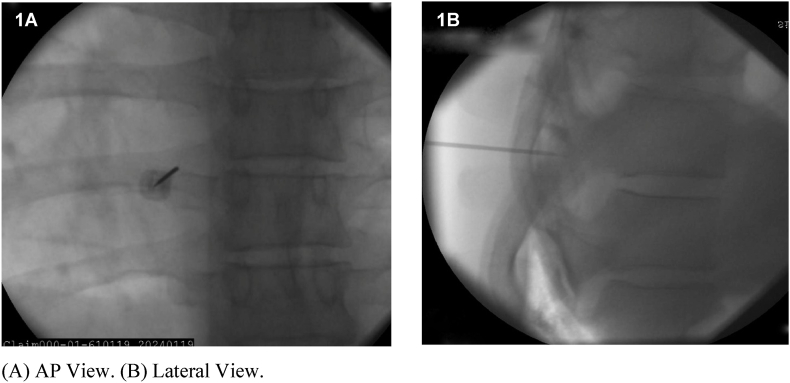 Figure 1
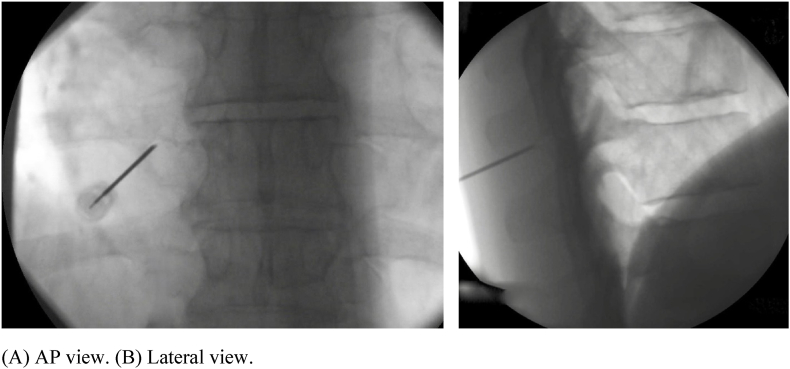 Figure 2
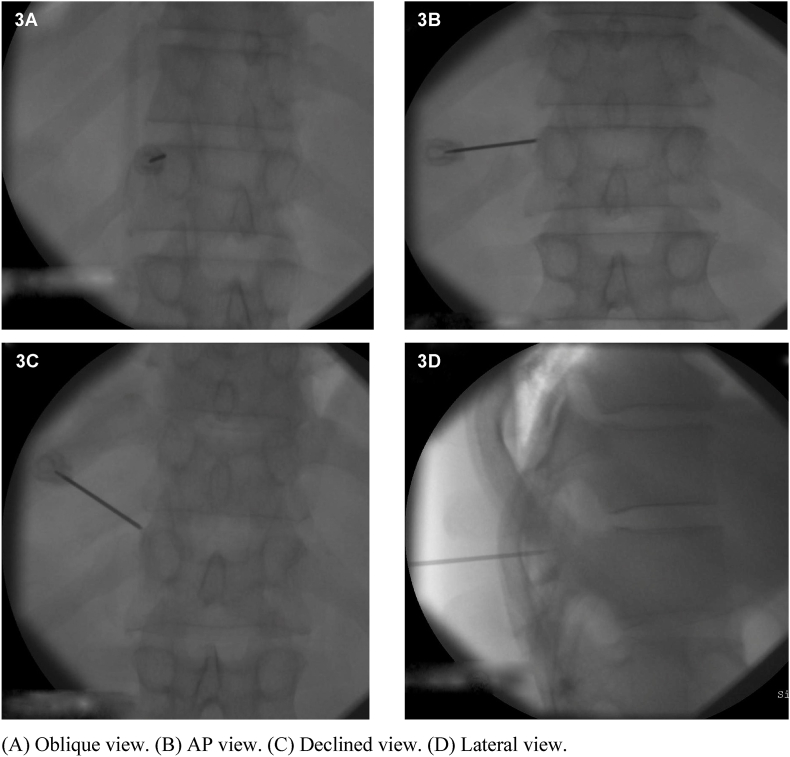 Figure 3
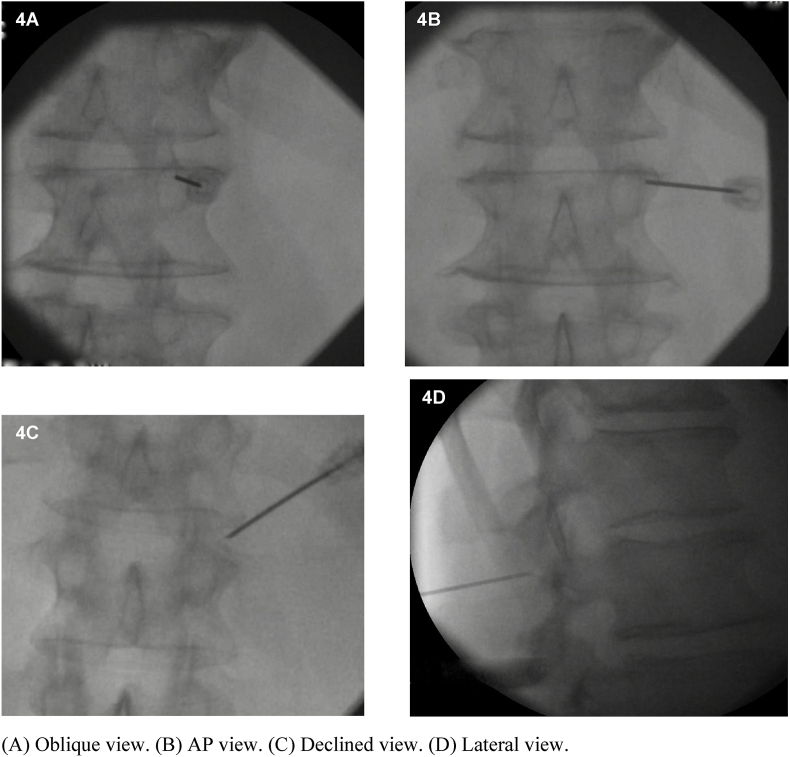 Figure 4
Peer Reviews
No public reviews on file for this paper yet. If you reviewed it on a platform where reviews are public (OpenReview, ICLR, NeurIPS, ICML), you can paste yours below so the community can read it here.
Videos
No videos yet. Explain this paper in a talk, walkthrough, or lecture? Add one.
Taxonomy
TopicsCardiac Arrhythmias and Treatments · Shoulder Injury and Treatment · Dermatologic Treatments and Research