Experimental generation of optimally chiral azimuthally-radially polarized beams
Albert Herrero-Parareda, Nicolas Perez, Filippo Capolino, Daryl Preece

TL;DR
Researchers created a new type of light beam with optimal chirality, which could be useful for sensing and manipulating chiral particles at the nanoscale.
Contribution
The paper introduces and experimentally generates a novel class of azimuthally-radially polarized beams with optimal chirality.
Findings
A paraxial azimuthally-radially polarized beam was experimentally generated with maximum chirality density.
Chirality density can be finely adjusted by manipulating a single beam parameter.
Optimally chiral beams have potential for optical enantioseparation and enantiomer detection at the nanoscale.
Abstract
We implement a paraxial azimuthally-radially polarized beam (ARPB), a novel class of structured light beams that can be optimal chiral (OC), leading to maximum chirality density at a given energy density. By using vectorial light shaping techniques, we successfully generated a paraxial ARPB with precise control over its features, validating theoretical predictions. Our findings demonstrate the ability to finely adjust the chirality density of the ARPB across its entire range by manipulating a single beam parameter. Although our experimental investigations are primarily focused on the transverse plane, we show that fields whose transverse components satisfy the optimal chirality condition are optimally chiral in all directions, and our results highlight the promising potential of OC structured light for applications in the sensing and manipulation of chiral particles. We show that…
Genes, proteins, chemicals, diseases, species, mutations and cell lines named across the full text — each resolved to its canonical identifier and authoritative record.
Click any figure to enlarge with its caption.
 Figure 1
 Figure 2
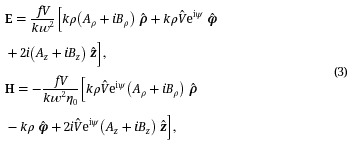 Figure 3
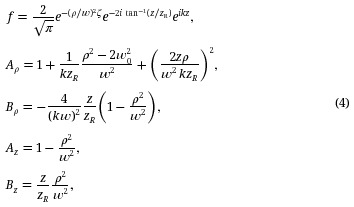 Figure 4
 Figure 5
 Figure 6
 Figure 7
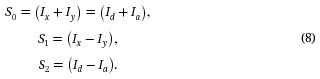 Figure 8
 Figure 9
 Figure 10
 Figure 11
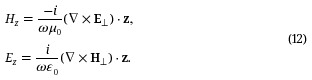 Figure 12
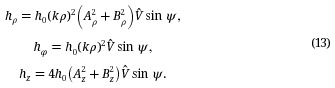 Figure 13
 Figure 14
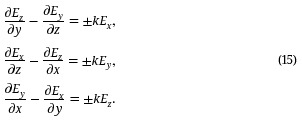 Figure 15
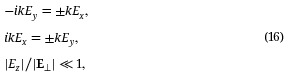 Figure 16
 Figure 17
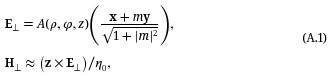 Figure 18
 Figure 19
 Figure 20
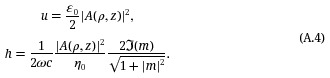 Figure 21
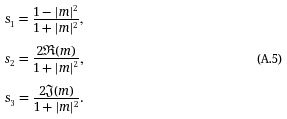 Figure 22
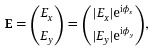 Figure 23
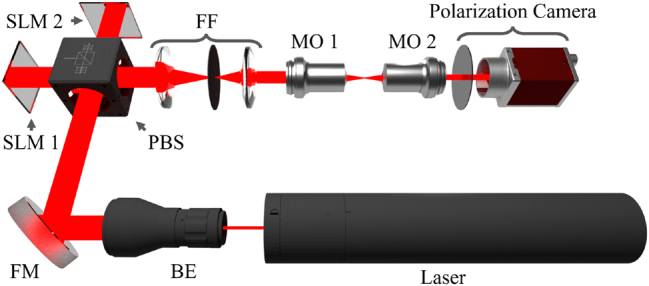 Figure 1
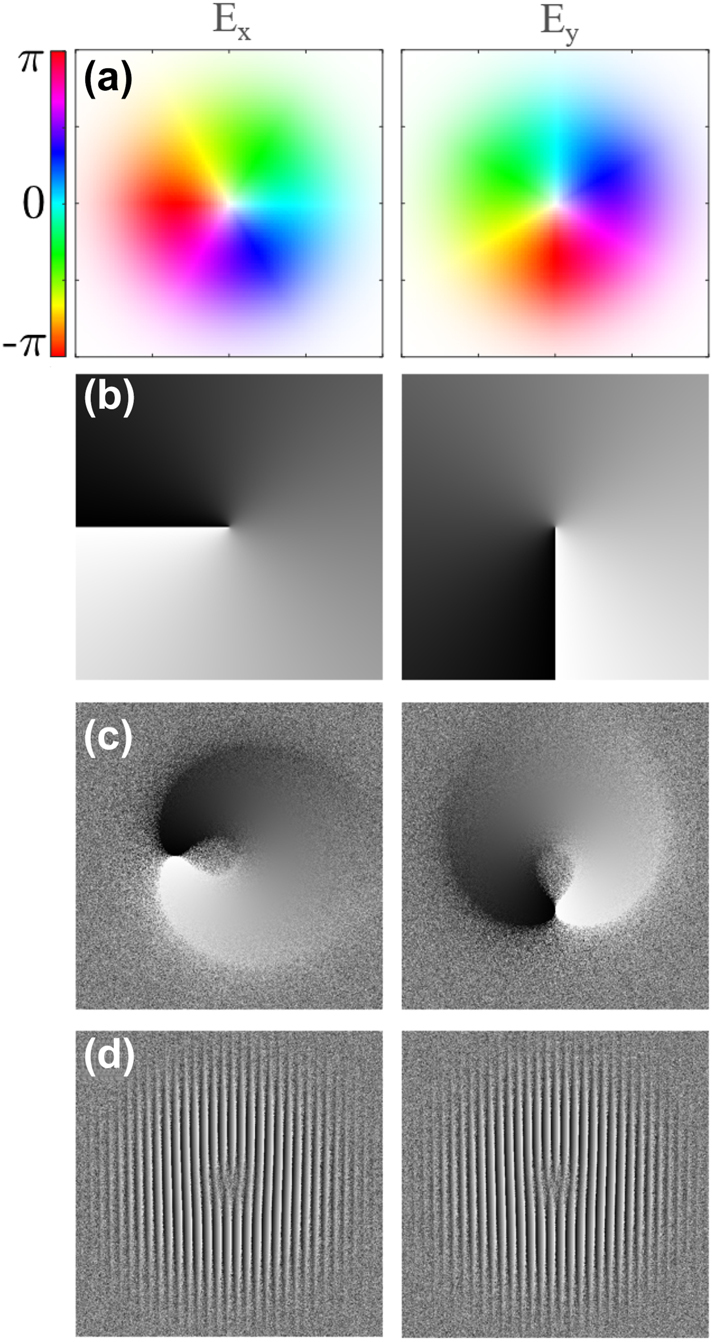 Figure 2
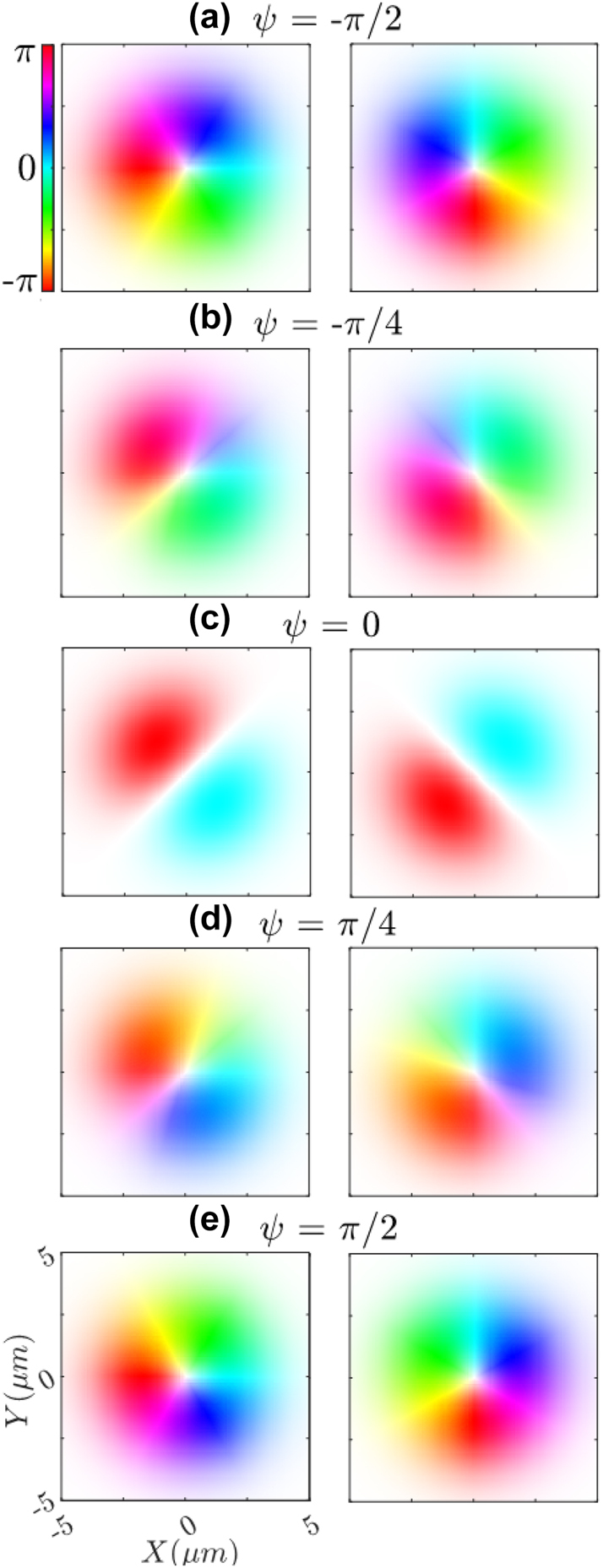 Figure 3
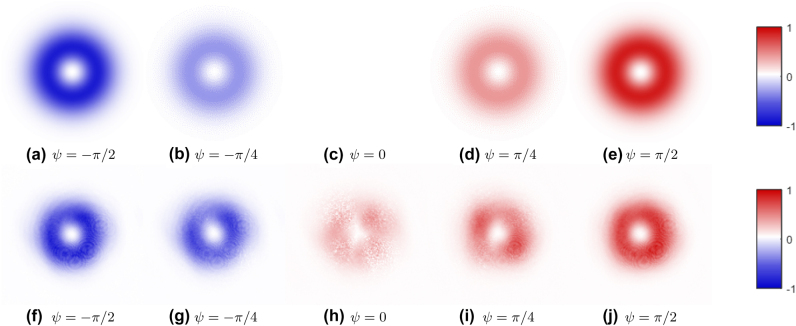 Figure 4
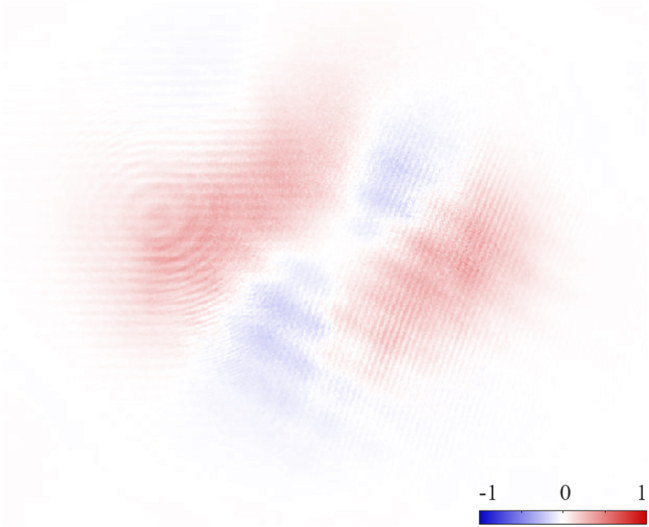 Figure 5
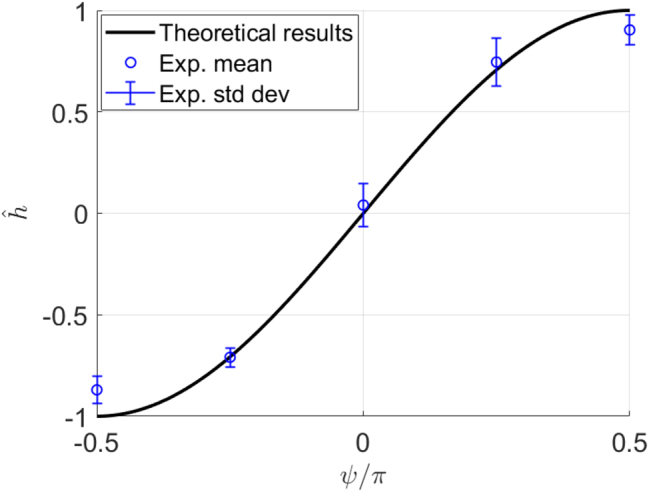 Figure 6
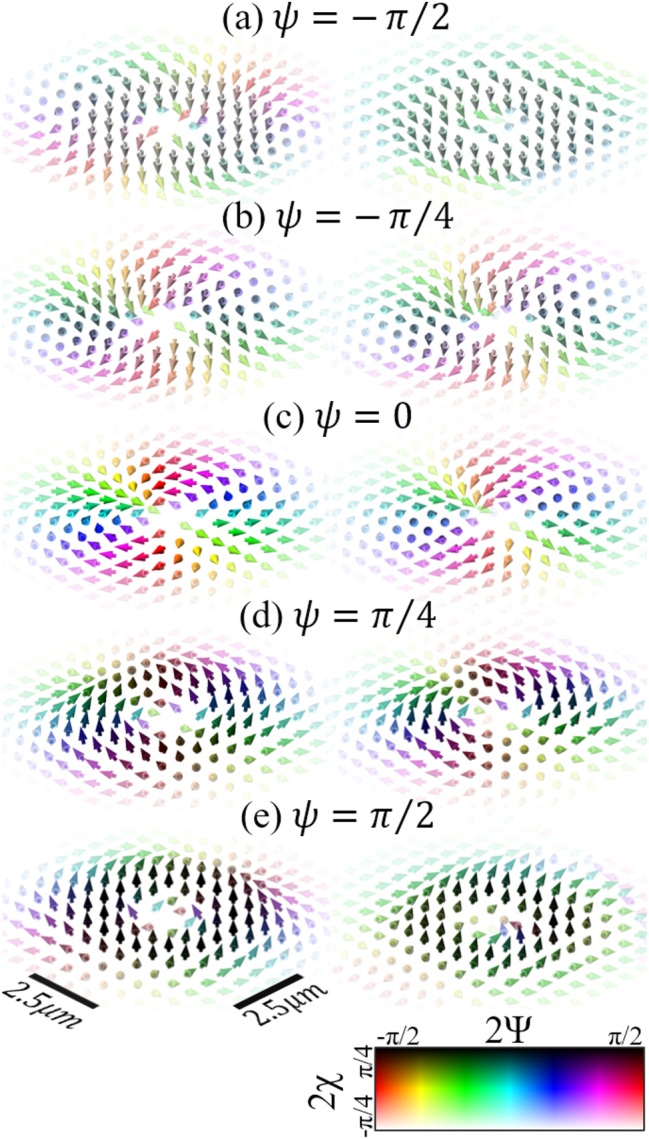 Figure 7
 Figure 31
 Figure 32
 Figure 33
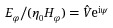 Figure 34
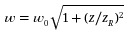 Figure 35
 Figure 36
 Figure 37
 Figure 38
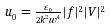 Figure 39
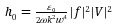 Figure 40
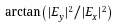 Figure 41
 Figure 42
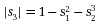 Figure 43
 Figure 44
 Figure 45
 Figure 46
 Figure 47
 Figure 48
 Figure 49
 Figure 50
Peer Reviews
No public reviews on file for this paper yet. If you reviewed it on a platform where reviews are public (OpenReview, ICLR, NeurIPS, ICML), you can paste yours below so the community can read it here.
Videos
No videos yet. Explain this paper in a talk, walkthrough, or lecture? Add one.
Taxonomy
TopicsOrbital Angular Momentum in Optics · Metamaterials and Metasurfaces Applications · Advanced Antenna and Metasurface Technologies