Energy-efficient thermally smart windows with tunable properties across the near- and mid-infrared ranges
Julien Legendre, Georgia T. Papadakis

TL;DR
This paper introduces energy-efficient smart windows that adapt to heating and cooling needs by controlling infrared radiation, potentially reducing building energy use by over 40%.
Contribution
The novelty lies in tunable window architectures that simultaneously manage near- and mid-infrared radiation for adaptive thermal control.
Findings
Proposed smart windows could reduce energy demand by over 40% in buildings at Barcelona's latitude.
Near-unity modulation of NIR reflectance could lead to up to 64% energy consumption reduction.
Phase-change materials and liquid crystals are suggested for achieving tunable thermal properties.
Abstract
Space heating and cooling account for approximately 15 % of the world’s energy consumption, underscoring the pressing need for improved thermal management. Macroscopic temperature regulation can be significantly optimized by improving radiative heat control, in particular through radiative cooling in summer and sunlight capture for heating in winter. These processes are typically tailored independently and thereby remain passive. In this article, we propose thermally smart windows with radiative properties that adapt to a building’s heating and cooling demands in a tunable manner. To achieve this, one ought to control, simultaneously, the window’s response to near- and mid-infrared (IR) radiation for solar heating and radiative cooling, respectively. We propose device architectures to realize such operations using phase-change materials and liquid crystals. Compared to conventional…
Genes, proteins, chemicals, diseases, species, mutations and cell lines named across the full text — each resolved to its canonical identifier and authoritative record.
Click any figure to enlarge with its caption.
 Figure 1
 Figure 2
 Figure 3
 Figure 4
 Figure 5
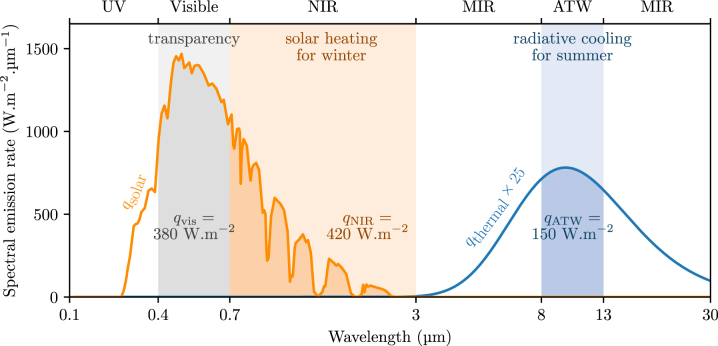 Figure 1
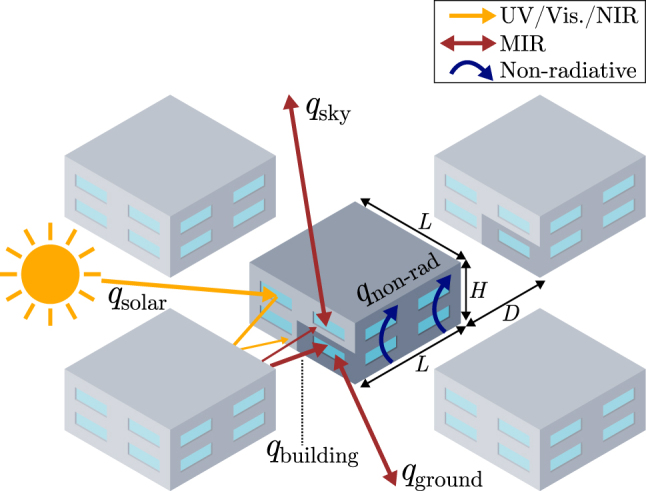 Figure 2
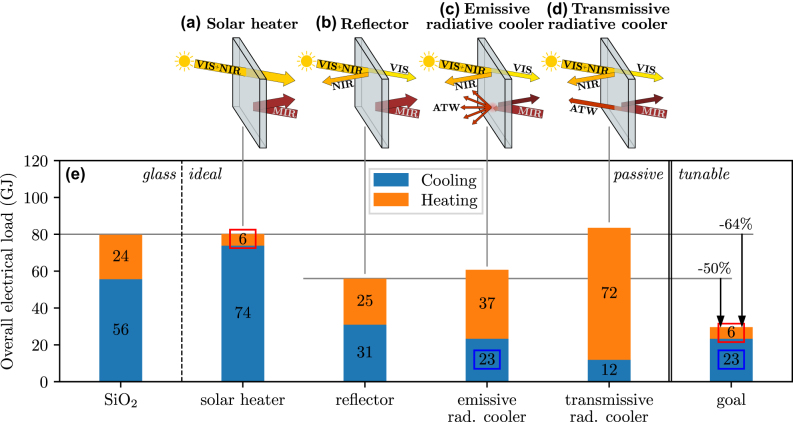 Figure 3
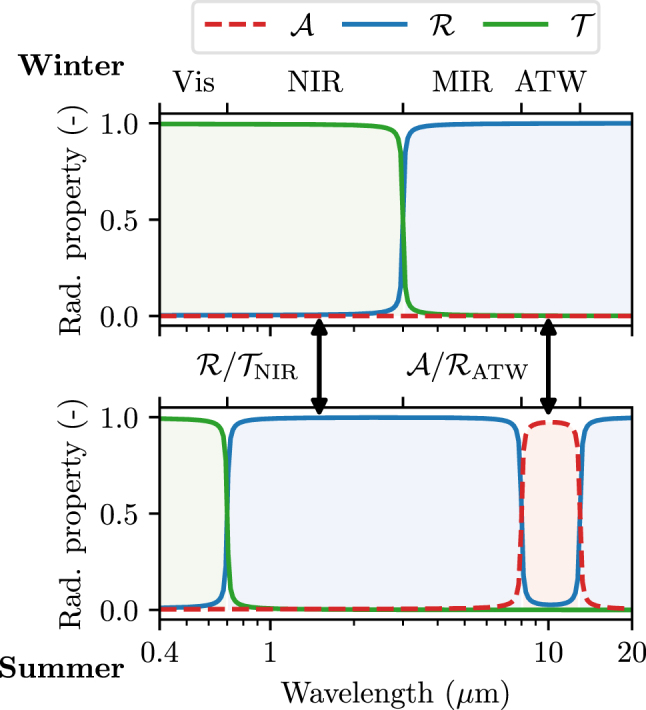 Figure 4
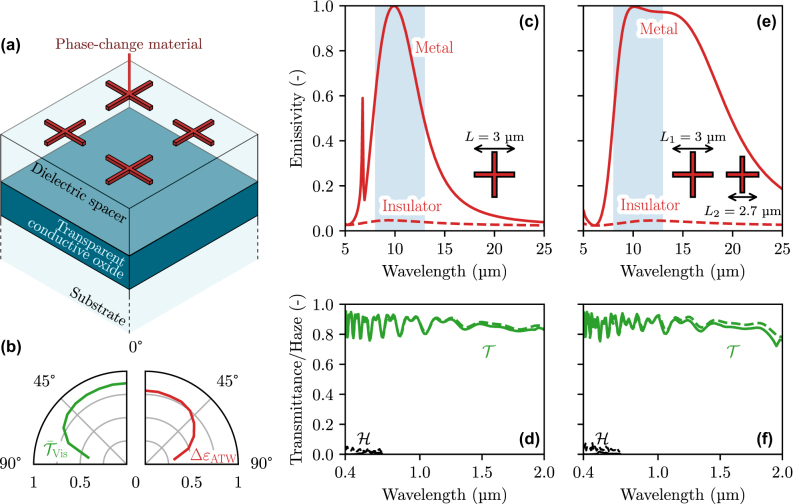 Figure 5
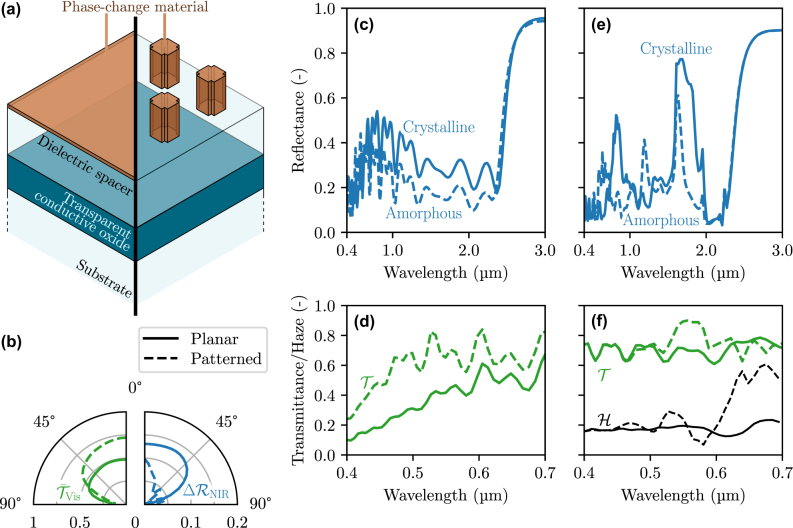 Figure 6
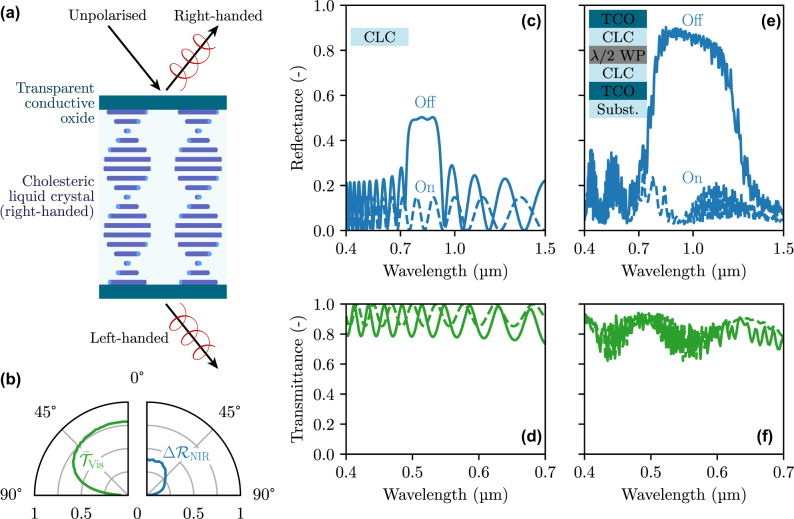 Figure 7
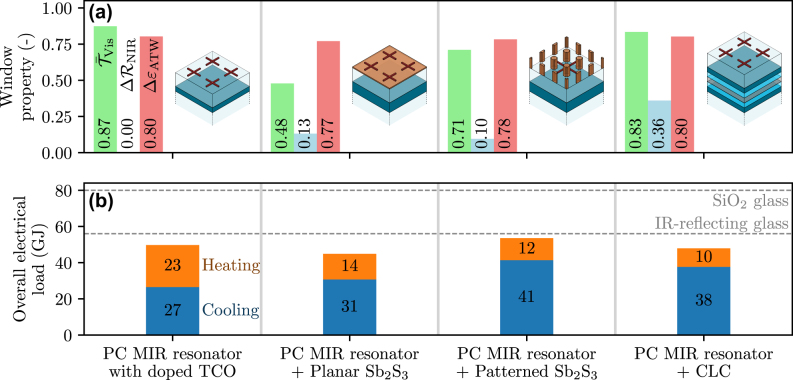 Figure 8
 Figure 14
 Figure 15
 Figure 16
 Figure 17
 Figure 18
Peer Reviews
No public reviews on file for this paper yet. If you reviewed it on a platform where reviews are public (OpenReview, ICLR, NeurIPS, ICML), you can paste yours below so the community can read it here.
Videos
No videos yet. Explain this paper in a talk, walkthrough, or lecture? Add one.
Taxonomy
TopicsThermal Radiation and Cooling Technologies · Urban Heat Island Mitigation · Building Energy and Comfort Optimization